


💡 A Comprehensive Guide to Personalized Treatment for Acne, Eczema, and Psoriasis
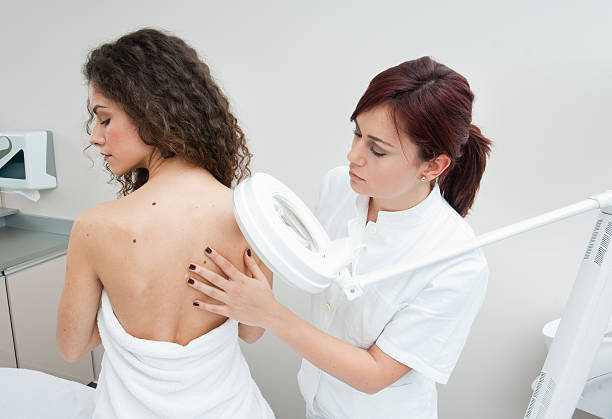
# Skin, this mysterious mirror of the body, sometimes tells us stories that may not be very pleasant. Acne, eczema, and psoriasis are three of the most common skin problems that not only affect appearance but also significantly impact quality of life and self-confidence. Imagine waking up every day with inflammation, itching, or skin lesions – it’s truly frustrating, isn’t it? Many people have been struggling with these issues for years, trying every treatment, but not getting the results they desire. What’s the reason? Often, it’s because one treatment method doesn’t work for everyone; each person’s skin is its own world and should be treated according to its unique story. It’s like prescribing the same single drug for every illness – illogical!
This is where the importance of personalized acne, eczema, and psoriasis treatment reveals itself. The era of general and superficial methods is over. Today, dermatologists, especially in centers like Kian Derm, emphasize the need to carefully and meticulously examine each patient’s condition. From lifestyle to genetics, skin type, disease severity, and even psychological reactions to the skin problem – all of these factors are involved in an effective treatment plan. This article is not meant to prescribe a general solution; rather, its goal is to show you how, with the help of modern science and new approaches, you can achieve healthier and calmer skin. We are about to embark on an educational journey to understand why individualized treatments are paramount in this field and how to escape the confusion among a plethora of information and products.
🤔 Acne: More Than Just Pimples, It’s a Complex Story
# Who isn’t familiar with the word “acne”? But most of us only know blackheads and whiteheads and think that’s all acne is. The truth is, acne is much more than a few pimples; it’s considered a chronic skin disease with many different forms, from tiny, superficial bumps to deep, painful cysts. Imagine, some people struggle with acne even into middle age – it’s no longer just a puberty problem! The causes of acne are like a complex puzzle; hormones, genetics, stress, diet, and even the type of cosmetics we use can all combine to make the skin’s oil glands overactive. The result is clogged pores with oil and dead skin cells, followed by bacterial growth and inflammation.
This process can not only make the skin look bad but also become painful. I’ve personally seen people who, due to severe acne, are embarrassed to be in public and experience a significant drop in self-confidence. It’s as if they have a bad mark on their forehead, when in fact, it’s not like that at all! It’s very important to know that acne has different types, such as comedonal acne, papular, pustular, cystic, and even acne conglobata, which is the worst and can leave deep scars. So when it comes to treating acne, eczema, and psoriasis, acne also needs to be examined very closely. This is where an experienced dermatologist can accurately diagnose your type of acne and explain what’s really going on and why these pimples have befriended you. Because until you know who the main enemy is, how will you fight them?
Is finding trusted, professional dermatological care a priority for you? kianderm prides itself on its team of certified specialists, dedicated to providing the highest standard of medical and aesthetic services.
✅ Highly qualified dermatology team
✅ Commitment to patient safety
✅ Excellence in medical and aesthetic care
Trust your skin to kianderm professionals!
🌿 Eczema: Endless Itch, Constant Inflammation
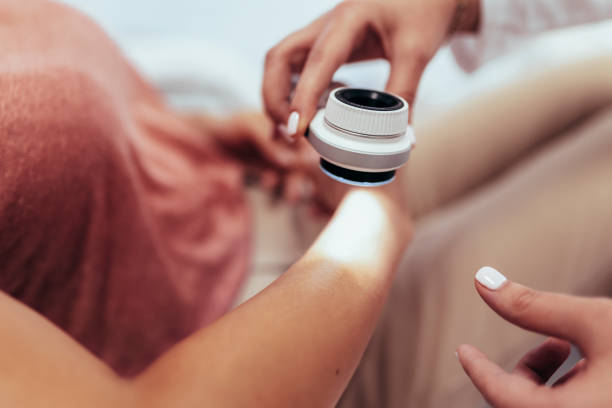
# Eczema, its very name sort of makes you itch, doesn’t it? This skin condition, also known as dermatitis, truly makes life difficult for many. Imagine skin that is constantly dry, red, flaky, and worst of all, those irritating itches that plague you day and night. Eczema, like acne, is a disease with different types, each with its own story. The most common type is atopic eczema, which usually starts in childhood and can be a chronic condition. This type of eczema is often associated with asthma or hay fever, as if the body’s immune system is a bit confused and attacking itself. The next is contact eczema, which reacts when the skin comes into contact with an irritant or allergen.
Many people may not know that even daily cleaning or cosmetic products can cause eczema. There is also dyshidrotic eczema, which appears on the hands and feet and is accompanied by small fluid-filled blisters, which is truly bothersome. So, what causes eczema? A complex combination of genetics, environment, and immune system function. The skin of these individuals usually has a weaker defensive barrier, which makes it easier for moisture to escape and environmental factors like allergens and bacteria to penetrate. Managing eczema is a constant challenge and requires patience and persistence. Here too, acne, eczema, and psoriasis treatment must be truly precise. Without proper diagnosis and an appropriate treatment plan, these itches and inflammations may never end. It’s like a vicious cycle that keeps repeating.
Below, we’ll take a look at the factors that exacerbate eczema to better understand it:
| Internal Factors Worsening Eczema | External Factors Worsening Eczema |
|---|---|
| Stress and anxiety | Chemicals and detergents |
| Hormonal changes | Dry or very humid air |
| Infections | Allergens (dust, pollen, animals) |
| Certain foods (in specific cases) | Rough and wool fabrics |
💥 Psoriasis: Not Just a Skin Problem, an Autoimmune Disease
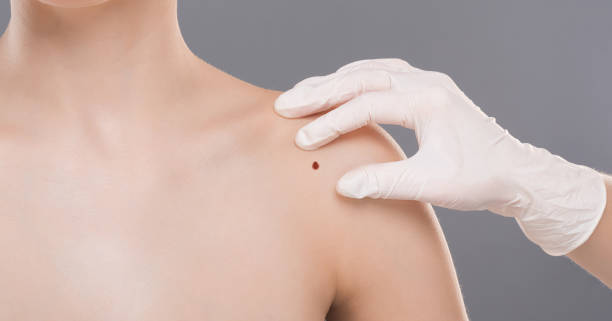
# Psoriasis is one of those skin diseases that is less known, but its impact on people’s lives is very profound. Most people, when they think of psoriasis, only have those red patches with silvery scales in their minds, which, well, is only one aspect of the issue. Psoriasis is actually a chronic autoimmune disease, meaning the body’s immune system mistakenly attacks healthy skin cells, causing skin cell production to occur much faster than normal. Instead of cells maturing and shedding over several weeks, this process happens in a few days, leading to thick scales and red patches. This disease can appear anywhere on the body, from elbows and knees to the scalp, nails, and even genital areas.
There are also various types, such as plaque psoriasis, which is the common type; guttate psoriasis, mostly seen in children and after infections; and inverse psoriasis, which appears in skin folds like the armpits or groin. Many psoriasis patients, especially in severe cases, may also develop psoriatic arthritis, which affects the joints and can be very painful and debilitating. So you see, this is not just a simple skin problem; it can affect the entire body. Unfortunately, many psoriasis patients suffer from shame and isolation due to the appearance of their lesions. This is where psychological and social support, alongside acne, eczema, and psoriasis treatment, especially for psoriasis, becomes important. Accurate diagnosis and the initiation of a comprehensive treatment plan by a specialist can truly make a big difference in the lives of these individuals and help them feel better both physically and mentally. This disease, contrary to popular belief, is not contagious and should not cause misunderstanding.
🚫 Why General Treatment Approaches No Longer Work?
# Well, now that we have a relative understanding of acne, eczema, and psoriasis, it’s time to ask an important question: why do general, so-called “one-size-fits-all” treatments often not work? To be honest, these three diseases each have their own world, and even within each, there are different subcategories and severities. Using a specific ointment or pill that worked for one person is no guarantee that it will be just as effective for you.
It’s like trying to open all the locks in the world with one key; of course, it won’t work! Skin problems have such delicacy and complexity that they must be looked at with specific care and precision. For example, acne in one person might be due to hormonal activity, while in another, it might be due to high stress or even the type of makeup. How can one expect a single treatment to work for both? For eczema, one person might be sensitive to a particular allergen, and another to dry air. Psoriasis is similar; the severity and extent of lesions differ among individuals and may or may not involve joint issues.
Over-the-counter medications or internet advice often offer temporary and superficial solutions that not only fail to solve the problem fundamentally but may even worsen the condition. I’ve seen people whose skin became thin and fragile from self-prescribing corticosteroid creams for eczema. This is where the role of a dermatologist becomes prominent. They are the ones who, with their knowledge and experience, can get to the bottom of the matter and devise a treatment plan that is perfectly tailored to your specific condition. This is the personalized acne, eczema, and psoriasis treatment that is emphasized at Kian Derm and other reputable centers.
Ready for a complete skin overhaul? kianderm integrates medical excellence with cutting-edge aesthetic innovation.
✅ Diverse range of services
✅ Focus on individual needs
✅ Modern and effective treatments
Explore kianderm possibilities!
🔬 The Power of Accurate Diagnosis: The First Step Towards Recovery
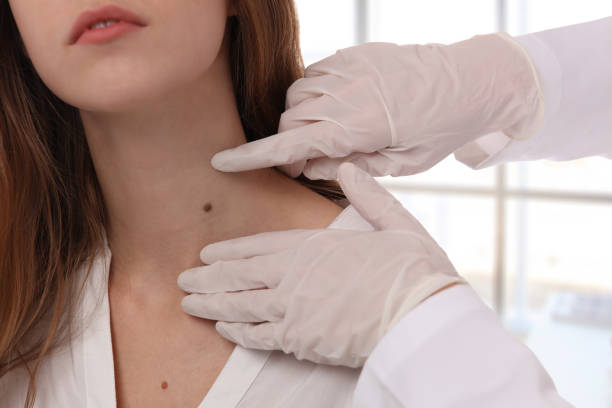
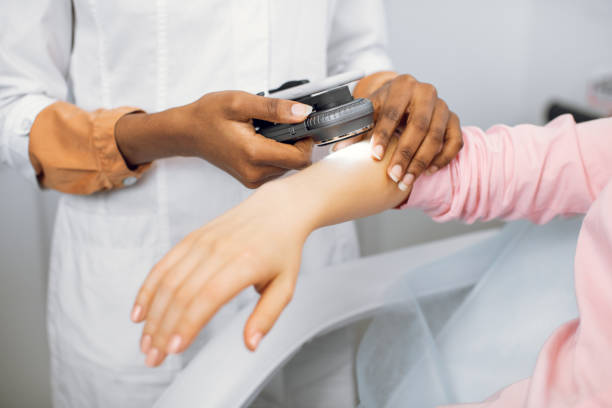
# The first and most important step on the path to treating acne, eczema, and psoriasis is accurate diagnosis. Without an accurate diagnosis, any treatment is like shooting in the dark. A dermatologist, like a detective, carefully and patiently examines the details. This process is not limited to just looking at the appearance of the skin; it involves a comprehensive review of your medical history. Questions like: When did this problem start? What makes it better and what makes it worse? Do you have a family history of skin or autoimmune diseases? What medications or products do you use? Even your lifestyle, diet, and stress level can provide important clues to the doctor.
After gathering information, the dermatologist performs a thorough examination to assess the type and severity of the disease. Sometimes, to confirm the diagnosis, a skin biopsy may be necessary. This is a simple procedure where a small sample of skin is taken and sent to a laboratory for microscopic examination. This method is particularly vital in cases like psoriasis, which can be mistaken for other diseases, or for accurately diagnosing the type of eczema. The goal of all these steps is for the doctor to have a complete and clear picture of your condition so they can design the best and most effective treatment plan for you.
Accurate diagnosis prevents wasted time and money on ineffective treatments and guides you directly toward recovery. In clinics like Kian Derm, this diagnostic process is carried out using the latest knowledge and equipment to resolve any ambiguity. I remember one of our patients was treated for years with a mistaken diagnosis of eczema, while her actual problem was psoriasis. With a simple biopsy, the truth became clear, and her treatment path completely changed. This means don’t underestimate the power of correct diagnosis.
✨ Specific Treatment Solutions for Acne: From Innovation to Recovery
# When it comes to acne treatment, it’s no longer just about those benzoyl peroxide creams found on pharmacy counters. Today, with scientific advancements, there are many more options to fight acne that can be customized according to each individual’s condition. For mild to moderate acne, treatment often starts with topical medications; from retinoids that help unclog pores and reduce inflammation, to antibiotics and salicylic acid. But if the acne is more severe or doesn’t respond to topical treatments, the doctor may prescribe oral medications such as antibiotics (to reduce bacteria and inflammation), anti-androgen drugs (for hormonal acne, especially in women), or isotretinoin (for severe cystic acne).
Of course, each of these medications has its own side effects and must be taken under medical supervision. But the story doesn’t end here; well-equipped clinics like Kian Derm also use advanced treatment methods for acne. For example, microneedling or microdermabrasion are very effective for improving skin texture and reducing acne scars. Laser therapy can also help reduce inflammation, eliminate bacteria, and even improve acne scars. Another interesting case is the use of medical botulinum toxin, which in some cases can help reduce oil production and pore size, and even treat certain types of acne.
These methods, when used together and with a precise and well-thought-out plan, can have excellent results.
| Type of Acne | Common and Specialized Treatments |
|---|---|
| Comedonal Acne (Blackheads and Whiteheads) | Topical retinoids, salicylic acid, chemical peels |
| Inflammatory Acne (Red bumps, Pustules) | Topical/oral antibiotics, benzoyl peroxide, laser therapy |
| Cystic and Nodular Acne | Oral isotretinoin, steroid injections, PRP, microneedling |
| Hormonal Acne | Anti-androgen drugs, spironolactone |
🩹 Customized Treatment Plans for Eczema and Psoriasis

# When it comes to treating eczema and psoriasis, there really is no one-size-fits-all solution. Each patient has their own unique treatment pathway, carefully designed by a dermatologist. The main goal is to control symptoms, reduce inflammation, and improve quality of life. For eczema, we usually start with strong emollients and moisturizers to strengthen the skin’s protective barrier. Then, topical corticosteroids may be prescribed to control inflammation and itching. However, long-term use of corticosteroids can have side effects, so it must be under medical supervision.
There are also topical calcineurin inhibitors, which are a good option for sensitive areas of the face and skin folds. For more severe cases of eczema, phototherapy (light therapy) or oral or injectable immunosuppressants (such as PDE4 inhibitors or new biologic drugs) may be needed. These drugs truly work wonders, but only a doctor can determine which one is most suitable for you.
For psoriasis, treatments are very similar to eczema, but with important differences. Topical corticosteroids and vitamin D3 analogs are often the first line of treatment. Coal tar, which has been used for a long time, still has its place. Phototherapy (PUVA or narrow-band UVB) is an effective and low-risk method for widespread psoriasis. For moderate to severe psoriasis, systemic oral medications like methotrexate or cyclosporine, as well as new biologic drugs (such as TNF-alpha or interleukin inhibitors), can have remarkable results. These drugs effectively control the disease by targeting specific parts of the immune system.
Don’t forget, this is a long-term journey and requires close cooperation between the patient and the doctor. Kian Derm doctors, with accurate assessment, choose the best treatment combination to control your disease.
🌱 Beyond Treatment: Long-Term Management and Healthy Lifestyle
# Well, medical treatments have their place, but long-term management and a healthy lifestyle also play a fundamental role in controlling acne, eczema, and psoriasis. Don’t think that once you’ve taken medication or had laser treatment, everything is over. Not at all! Your skin is a living organism that needs constant care, like a flower that needs to be watered every day. The first step is recognizing and avoiding triggers. For example, for eczema, a specific detergent, a wool fabric, or even high stress could be an exacerbating factor. You need to become a detective and figure out what makes your skin worse.
Regular moisturizing of the skin, especially after showering, is vital for all three of these skin conditions. Moisturizers help maintain the skin’s protective barrier and prevent moisture loss. For psoriasis and eczema, using thick, fragrance-free moisturizers is recommended. Diet can also be influential. Although science has not yet introduced a magic diet for treating acne, eczema, and psoriasis, experience has shown that reducing processed foods, sugar, and unhealthy fats, and increasing the consumption of fruits, vegetables, and omega-3s, can help improve overall body and skin condition. And don’t even get me started on stress! Stress can be a very powerful factor in exacerbating all three diseases. Stress-reduction techniques such as yoga, meditation, deep breathing, and even spending time in nature can be helpful.
Proper skin hygiene, such as gentle washing of the skin with non-soap cleansers and lukewarm water, is also very important. Strictly avoid picking at pimples or scratching inflamed skin, as this can worsen the condition or lead to infection and scarring. And most importantly, regular follow-up with your specialist doctor. This way, you can ensure that your treatment plan is always up-to-date and adjusted to your skin’s changes. It’s a collaboration, remember that.
Do you need medical advice for a persistent rash or skin infection? kianderm provides thorough diagnostic and treatment services through our expert medical dermatology team.
✅ Accurate diagnosis of a wide range of dermatological issues
✅ Customized treatment plans for effective resolution and relief
✅ Publicly covered services for essential, accessible care
Consult kianderm for clear answers!
🤝 Kian Derm: Your Companion on the Path to Healthy and Beautiful Skin
# Well, by now we’ve understood that acne, eczema, and psoriasis treatment is by no means a straightforward and simple path. It’s a complex journey that requires the knowledge, experience, and commitment of a specialized dermatology team. This is where the role of a clinic like Kian Derm becomes prominent. At Kian Derm, we believe in the philosophy of patient-centered treatments. This means we know that every skin has its own story, and for every problem, a unique solution must be found. We are not just focused on treating symptoms here; our goal is to find the root of the problem and help you not only improve your skin but also feel better emotionally and regain your self-confidence.
At Kian Derm, a team of experienced and dedicated dermatologists has come together to provide you with the best services. From accurate diagnosis of skin diseases like acne, eczema, and psoriasis to performing skin biopsies, cryotherapy for removing warts and lesions, and even medical Botox injections covered by public health insurance (for specific conditions). We have the most up-to-date treatment methods available. For example, for skin rejuvenation and acne scar treatment, we use microneedling, microdermabrasion, PRP, mesotherapy, and various advanced lasers and devices.
Our services are not limited to treatment; they also include comprehensive consultations for long-term management of skin diseases and self-care education. We believe that a close relationship between doctor and patient is the foundation of any successful treatment. When you visit Kian Derm, rest assured that you will not only benefit from the best treatment facilities but also have a compassionate and knowledgeable companion by your side who will accompany you every step of the way on this journey. Healthy and beautiful skin is your right, and we are here to help you achieve it.
| Question | Answer |
|---|---|
| Is acne, eczema, and psoriasis treatment the same for everyone? | No, due to individual differences in skin type, disease severity, and genetic and environmental factors, each treatment plan must be completely personalized. |
| Why are home remedies often ineffective for these diseases? | Home remedies usually provide temporary symptom relief and cannot address the root cause of chronic diseases like acne, eczema, and psoriasis, which are often complex. |
| Can stress exacerbate acne, eczema, or psoriasis? | Yes, stress is a very strong factor in exacerbating all three skin conditions. Stress management is an important part of the treatment plan. |
| What is skin biopsy used for? | Skin biopsy is essential for more accurate disease diagnosis, especially when clinical diagnosis is not definitive or to rule out other diseases. |
| Is psoriasis contagious? | No, psoriasis is a non-contagious autoimmune disease and does not spread from person to person. |
| What is the role of diet in treating acne, eczema, and psoriasis? | Although there is no magic diet, reducing processed foods, sugar, and unhealthy fats, and increasing the consumption of fruits and vegetables can help improve overall skin health. |
| Can laser be used to treat acne and acne scars? | Yes, laser therapy is one of the advanced methods for reducing inflammation, eliminating bacteria, and improving acne scars. |
| Are eczema and psoriasis treatments long-term? | Yes, both diseases are chronic and require long-term management and follow-up to control symptoms and prevent recurrence. |
| What services does Kian Derm offer for treating acne, eczema, and psoriasis? | Kian Derm offers comprehensive services including accurate diagnosis, biopsy, cryotherapy, medical Botox injections, microneedling, PRP, mesotherapy, and various lasers. |
| Why is consulting a dermatologist important for these diseases? | A dermatologist, with sufficient knowledge and experience, can provide an accurate diagnosis and design a personalized and comprehensive treatment plan for long-term control and improvement of your condition. |
And other services provided by Kian Derm Clinic include
• Fine line and wrinkle reduction (advanced injectables)
• Volume loss restoration (cheek, temple)
• Lip augmentation and definition
• Jawline contouring
• Chin augmentation (non-surgical)
And dozens of other services in the fields of skin, beauty, and medical treatments
Skin | Hair | Beauty | Nails
Lost in a sea of documents? kianderm streamlines your document management for quick retrieval and improved efficiency. ✅ Organized digital records.
Phone: +1 (236) 551-2282
Email: info@kianderm.ca
Address: 1836 Lonsdale Ave, North Vancouver, BC V7M 2J9, Canada