


👋 Introduction: Goodbye to Acne, Hello to a Bright Skin Future

# Do you remember those days when acne really got on your nerves? Stubborn pimples, painful inflammations, and lots of scars they left behind. Well, I want to tell you that the world of acne treatment is no longer what it used to be; many new things have come that can truly turn the tide. For years, people have been searching for a way to get rid of this skin problem, a problem that doesn’t just affect appearance, but also seriously impacts one’s self-confidence and even mental state. Perhaps many people avoided social gatherings or even looking in the mirror because of these pimples, right?
Now, the good news is that with recent advancements in medical science, especially in the field of dermatology and beauty, promising new ways to combat acne have emerged. This is no longer just about old creams and soaps; it’s about entirely targeted and personalized treatments that can truly work. An acne treatment specialist today can work with tools that were unimaginable just a few years ago. In this article, we’re going on a journey together into this new world, talking about the latest achievements and seeing what the future of acne-prone skin care looks like.
At Kian Derm, our aim has always been to bring the newest and most effective methods to our clients. As you know, acne is a complex skin condition, and everyone has their unique experience. That’s why a single solution may not work for everyone. What’s needed is a precise and personalized treatment plan, designed according to each individual’s skin type, acne severity, and underlying factors. This is where the role of an acne specialist doctor becomes prominent; someone who, with their knowledge and experience, can guide you to the best path.
Our goal is to help you not only get rid of acne but also achieve healthy, radiant skin full of confidence. We’re going to show you how advancements in medications, technologies, and even our understanding of the body are changing the future of acne treatment. So, get ready for a different perspective on skin care, and a world of hope for blemish-free skin.
🔬 Deeper Understanding of Acne: Why and How Do These Pimples Appear?

Okay, let’s be frank; acne is not just a simple pimple that appears on your face and goes away. The story is much more complex than that. To fight it effectively, we must first understand why and how it forms in the first place. There are four main factors that combine to create acne:
First and foremost, excessive oil (sebum) production. Our sebaceous glands sometimes secrete more oil than necessary. This excess oil mixes with dead skin cells and clogs pores. The second factor is the clogging of these very pores. When oil and dead skin cells block the exit for sebum, it creates an excellent environment for bacteria to grow. Bacteria like Propionibacterium acnes (P. acnes), which always live on our skin, start to multiply in this environment.
The third factor is this P. acnes bacteria. These bacteria thrive in a closed, oxygen-deprived environment (like clogged pores) and produce substances that cause inflammation. And finally, the fourth factor is inflammation. Our body’s immune system reacts to the presence of these bacteria and inflammatory substances, resulting in the redness, swelling, and pain that we know as pimples or acne. Hormones also play a big role; especially during puberty, pregnancy, or even stress, hormonal changes can increase oil production and exacerbate acne. This is truly evident for women during specific times of the month or when they are under stress.
So, if you thought acne was just due to dirt or not eating fruit, I must say these are more myths than reality. A professional acne treatment specialist can consider all these factors and determine which one is most to blame in your case. This deep understanding is the first step towards effective and lasting treatment. Without understanding the root of the problem, any treatment will merely be covering up symptoms, not solving the problem itself. Let’s remember, our skin is a mirror of our inner health, and acne can sometimes just be a sign of something else in the body.
Ready for non-invasive skin tightening and rejuvenation? kianderm features advanced device-based treatments that deliver impressive results for firmer, younger-looking skin.
✅ State-of-the-art technology for collagen stimulation
✅ Noticeable improvement in skin laxity and texture over time
✅ Personalized protocols for optimal anti-aging benefits
Tighten and tone at kianderm!
💊 Modern Drug Treatments: Beyond Old Perceptions with the Help of an Acne Specialist
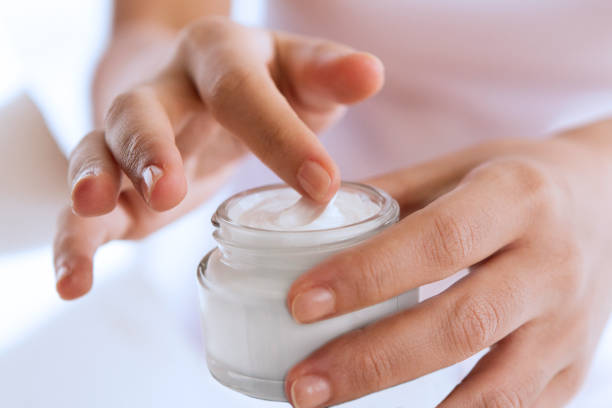
Well, now that we understand where acne comes from, let’s turn our attention to exciting new drug treatments. I remember in older times, there were only a few ointments and antibiotics, but now? We have made so much progress that has truly made things easier.
One of the most important advancements is in the retinoid category. These are vitamin A derivatives and are highly effective in unclogging pores and reducing inflammation. Previously, we mostly knew them in strong forms like isotretinoin (Roaccutane) which, of course, had its own specific side effects. But now, newer generations of topical retinoids like adapalene and tazarotene have emerged, which are both more effective and have fewer side effects. These can prevent pores from clogging and reduce inflammation by regulating skin cell turnover.
Antibiotics still have their place, but the approach to using them has changed. There is no longer prolonged and indiscriminate use that leads to bacterial resistance. Now, topical antibiotics (like erythromycin or clindamycin) are mostly combined with benzoyl peroxide to enhance both antibacterial effects and reduce bacterial resistance. Sometimes, oral antibiotics are prescribed at lower doses and for a specific period to control inflammation.
Hormone therapy is also a good solution for some women whose acne is related to hormones. There are specific birth control pills that can control male hormone levels and help improve acne. Of course, these must definitely be prescribed by an acne treatment specialist, and some tests are required beforehand. There’s also discussion about newer drugs like depadine (bromonidine) or azelaic acid, which work very well for specific types of acne and post-acne spots.
The important point is that not every drug is suitable for everyone. An experienced dermatologist at Kian Derm will propose a completely personalized treatment plan after carefully examining your condition, lifestyle, and medical history. This means using the right medication, at the appropriate dose, and for the correct duration. Don’t think that all acne medications work the same way!
| Type of Drug | Main Mechanism of Action | Examples |
|---|---|---|
| Topical Retinoids | Unclogging pores, reducing inflammation, regulating cell turnover | Adapalene, Tazarotene |
| Topical Antibiotics | Reducing P. acnes bacteria, reducing inflammation | Clindamycin, Erythromycin |
| Benzoyl Peroxide Compounds | Killing bacteria, gentle exfoliation | Creams and gels containing BP |
| Hormone Therapy | Controlling androgen levels (in women) | Specific birth control pills |
| Azelaic Acid | Reducing inflammation, killing bacteria, anti-spot | Azelaic acid gel or cream |
💡 Laser and Light Technologies: A Light at the End of the Tunnel for Your Skin
Well, if topical and oral medications haven’t worked or you’re looking for something stronger, I must say that the world of laser and light therapy is truly a game-changer. These technologies are not just for treating acne scars; they have many applications for active acne too and can make significant changes.
One of the most widely used is PDL (Pulsed Dye Laser). These lasers are primarily used to treat redness and inflammation caused by acne and red post-acne spots. By targeting tiny blood vessels under the skin, they reduce inflammation and eliminate redness. This helps both active pimples calm down and the overall appearance of the skin improve significantly.
Fractional Lasers like Fractional CO2 Laser or Fractional Erbium Glass also have a lot to offer. These lasers create thousands of tiny columns of thermal damage in the skin, stimulating collagen production and skin regeneration. This method is mostly used for treating deep acne scars and improving skin texture, but it can also help improve stubborn acne.
Light therapy is another branch of these technologies. For example, Blue Light Therapy targets and destroys P. acnes bacteria, and Red Light Therapy reduces inflammation and speeds up the skin’s healing process. We also have a combination method called Photodynamic Therapy (PDT), where a light-sensitive substance is applied to the skin and then activated with light to kill bacteria and shrink sebaceous glands. This method is truly effective for severe and stubborn acne.
RF (Radiofrequency) technologies have also entered the arena. Devices like Microneedling RF (Fractional RF Microneedling), which combine microneedling and radiofrequency waves, both help reduce active acne and improve acne scars. This controlled heat regulates skin oil and reduces inflammation. But remember, these are specialized methods and require an acne treatment specialist who has both sufficient knowledge and standard equipment. At Kian Derm, with these advanced devices and a team of experienced doctors, we strive to provide the best results for you.
💉 Advanced Injectable Methods: Precision and Efficiency in the Hands of a Dermatologist
Perhaps hearing the word “injection” for acne treatment might seem a bit strange, but I must say that in the modern world of dermatology, some injectable methods truly work wonders, especially when it comes to stubborn acne or deep acne scars. These are no longer just for aesthetics; sometimes they have a very strong therapeutic aspect.
One such method is therapeutic Botox injection. Of course, by Botox, I don’t mean Botox for wrinkles, but rather its use with the aim of reducing sebaceous gland activity. When Botox is injected in small doses and superficially into the skin, it can reduce oil production and consequently help reduce acne. This method can be very effective for those with very oily skin who haven’t responded well to other treatments. Of course, this requires the high skill and precision of a dermatologist who knows exactly where and how much to inject.
Another method is Mesotherapy. In mesotherapy, cocktails of vitamins, minerals, antioxidants, and some specific drugs are injected directly into the middle layer of the skin. For acne, these cocktails can include substances with anti-inflammatory, antibacterial, or even oil-regulating properties. Mesotherapy can help reduce inflammation of active pimples, improve overall skin texture, and even lighten post-acne spots. This method, like the others, must be performed by an experienced acne treatment specialist to be both safe and deliver the best results.
PRP (Platelet-Rich Plasma) is also a fantastic method, especially for improving acne scars and skin regeneration. In this method, the patient’s own blood is used. Blood is drawn, centrifuged to separate platelets and growth factors, and then this enriched plasma is injected into the skin. The growth factors in PRP significantly boost the skin’s regenerative power and help produce new collagen and faster healing of acne scars. This is a completely natural method because it uses your body’s own materials, and the risk of allergy is low. All these methods, when performed alongside a comprehensive treatment plan and under the supervision of an acne specialist doctor, can lead to truly satisfying results.
Ready to refresh your look without invasive surgery? kianderm offers a range of sophisticated aesthetic services, ensuring natural-looking results and enhanced beauty.
✅ Professional Botox and dermal filler applications for subtle refinement
✅ Skin resurfacing with microdermabrasion for a smoother texture
✅ Tailored hyaluronic acid treatments for deep, lasting hydration
Elevate your beauty with kianderm!
🧬 Genetics and Acne: When Your Body’s Codes Play a Major Role
Have you ever wondered why some people have flawless skin while others constantly struggle with acne? Even if they use the best products? Well, one of the answers might lie in our genetic codes. Yes, genetics plays a very important role in acne, sometimes even more than we think.
If your parents or siblings had a history of severe acne, the likelihood of you also struggling with this problem is high. This is not something you can change, but knowing this can completely change your treatment approach. Researchers are working on specific genes that can play a role in inflammation, oil production, and even sensitivity to skin bacteria. This means that someone might have more active sebaceous glands or their skin might react more severely to P. acnes bacteria due to their genetic makeup.
The future of acne treatment will likely move towards being able to accurately determine what type of acne you are prone to and what treatment your skin responds best to, simply with a genetic test. This means personalization of treatment in every sense of the word! For example, if it’s determined that you are prone to severe inflammation due to a specific gene, your acne treatment specialist can start treatments from the beginning that focus more on controlling inflammation, or if you are prone to excessive oil production, they can choose treatments that target sebaceous gland activity.
Of course, there is still a long way to go before these methods are routinely used in clinics, but it’s an exciting prospect. Until then, a good dermatologist can make good guesses by taking a detailed family history and examining your symptoms, and personalize existing treatments in the best possible way. For example, if cystic acne is common in your family, the doctor might suggest stronger and more targeted treatments from the outset. So, next time you visit an acne treatment specialist, be sure to share your family history of acne with them; it might greatly assist in treatment decisions.
🌿 Natural and Complementary Approaches: New Allies for Healthy Skin
When acne is mentioned, we usually think of medication and medical treatments. But, of course, people want to try every possible way, right? Fortunately, in recent years, there has been more attention to natural and complementary approaches, but here we have a red line: not everything labeled as “natural” should be used without scientific evaluation. Some of these methods can indeed serve as a complement to main treatments and significantly help improve skin condition.
For example, tea tree oil. This oil has antibacterial and anti-inflammatory properties, and some studies have shown it can be effective for mild to moderate acne. But be careful, you should use a diluted version because concentrated tea tree oil can cause skin irritation. Niacinamide (Vitamin B3) is another substance that is very popular these days. This vitamin can help reduce inflammation, regulate oil production, and improve the skin’s barrier function. Many new serums and creams for acne-prone skin contain niacinamide.
Zinc is also a mineral that has been shown in studies to have anti-inflammatory and antibacterial properties and can help control acne, whether topically or as an oral supplement. But be careful, taking supplements should be done in consultation with a doctor because high doses can have side effects. The topic of diet is always present. It’s not correct to say that a certain food causes pimples, but some studies show that diets high in sugar and carbohydrates, or dairy products, may exacerbate acne in some individuals. Therefore, a balanced diet, rich in fruits and vegetables and low in processed foods, is always good for overall body and skin health.
The important thing is not to view these approaches as a complete substitute for medical treatments, but rather as a complement. Always consult with an acne treatment specialist before adding any new supplement or natural method to your treatment routine. A good dermatologist can tell you which of these methods are suitable for you and how to use them safely and effectively. If used correctly, these natural allies can greatly help you achieve clearer and healthier skin.
| Substance/Method | Main Properties | Important Notes |
|---|---|---|
| Tea Tree Oil | Antibacterial, anti-inflammatory | Must be used diluted, may cause irritation |
| Niacinamide (Vitamin B3) | Reduces inflammation, regulates oil, strengthens skin barrier | Commonly found in serums and creams |
| Zinc | Anti-inflammatory, antibacterial | Oral intake with doctor’s consultation, topical in products |
| Balanced Diet | Reduces general body inflammation, promotes overall skin health | Reduce sugar, processed carbohydrates, and for some individuals, dairy |
🩹 Acne Scar Treatment: Rebuilding Confidence with Modern Approaches
Acne itself might end one day, but sometimes scars remain, and that’s where a new story begins. These spots and indentations can truly target one’s self-confidence, can’t they? But the good news is that dermatological science has made significant progress in this area too, and now there are many ways to greatly improve the skin’s appearance.
First, we need to understand the types of acne scars. There are three main types: 1. Icepick Scars, which resemble small, deep holes. 2. Boxcar Scars, which are round or oval depressions with distinct edges. 3. Rolling Scars, which are wavy, wide depressions that make the skin appear uneven.
For each of these, there are specific treatments. For example, for icepick scars, methods such as TCA Cross (using high-concentration trichloroacetic acid to stimulate collagen production deep in the scar) or Punch Excision (where the scar is cut out and sutured) can be effective. For boxcar and rolling scars, microneedling is truly excellent. This method, by creating tiny punctures on the skin, stimulates collagen production and gradually fills in the scars. If combined with PRP, its effect is multiplied.
Subcision is also a method for deep rolling scars, in which a special needle is used to break the fibrous bands under the scar, allowing the skin to lift and flatten. Fillers (dermal fillers) can also be used to immediately fill in depressions from acne scars and greatly improve their appearance. Lasers also have their place; fractional lasers like CO2 or Erbium, by resurfacing the top layer of the skin and stimulating collagen production, can truly fade scars and make the skin texture smooth and even.
Even deeper chemical peels can be effective for exfoliation and stimulating skin regeneration. The choice of method or combination of methods depends on the type and severity of the scar, skin type, and individual expectations. This is where the role of an experienced acne treatment specialist at Kian Derm truly shines. They can, with an accurate diagnosis and the design of a multi-stage treatment plan, help you achieve smoother and clearer skin. Remember, acne scar treatment doesn’t happen overnight and requires patience and follow-up.
🤝 The Role of the Dermatologist in the Future of Acne Treatment: Your Guide on This Journey

Well, so far we’ve talked a lot about amazing advancements in acne treatment; from new medications to lasers, injections, and even genetics. But ultimately, all these technologies and knowledge converge at one point: the skilled hands and expertise of an acne treatment specialist.
To be honest, with all this information and the growing number of treatment options, deciding on acne treatment can be quite confusing. This is where the role of an acne specialist doctor, like an experienced guide on a complex path, reveals itself. Their first task is an accurate diagnosis of your problem. Acne isn’t just one type; it might be hormonal acne, inflammatory acne, cystic acne, or even rosacea acne. Correct diagnosis is the first and most crucial step, which if taken incorrectly, can lead the entire treatment path astray.
After diagnosis, it’s time to design a completely personalized treatment plan. A good dermatologist considers all aspects: your skin type, the severity of your acne, your medical and family history, your lifestyle, and even your budget and expectations. No two people will have exactly the same treatment plan, even if their acne looks similar. They can choose the best combination of medications (topical or oral), technologies (laser, light therapy), and injectable methods for you.
Managing side effects is also very important. Some treatments, like isotretinoin, may have side effects that need to be managed under medical supervision. An acne treatment specialist can minimize these side effects by adjusting doses or prescribing supportive medications. Also, with the advancement of science, new methods are introduced every day. A good dermatologist always keeps their knowledge up-to-date and knows which technology is truly effective and which is more for advertising purposes. At Kian Derm, we believe in this approach and strive to always be by your side, from the first consultation to achieving your desired results and maintaining your skin health. Don’t embark on this journey alone.
Is your skin losing its youthful plumpness? kianderm offers hyaluronic acid treatments and fillers to restore volume and hydration.
✅ Natural-looking enhancements
✅ Deep skin hydration
✅ Expert application for optimal results
Revitalize with kianderm.
🌱 Aftercare and Prevention: Keeping Skin Healthy Forever
Okay, let’s assume that with the help of your acne treatment specialist, you have finally achieved the smooth and clear skin you always wanted. Excellent! But, the story doesn’t end here. Like any other condition, acne can return, especially if you don’t take aftercare seriously. Maintaining the results you’ve achieved is just as important as the initial treatment itself.
Aftercare actually refers to the lifestyle changes and skincare routine that should be a permanent part of your regimen. First and foremost, a regular skincare routine. Gentle cleansing of the skin with a suitable cleanser, using a non-comedogenic (i.e., non-acne-causing) toner and moisturizer, and most importantly, daily use of sunscreen. Sunscreen isn’t just for preventing sunburn; it also prevents the worsening of post-acne spots and inflammation.
Sometimes a dermatologist may also prescribe maintenance topical medications, such as low-dose topical retinoids, to prevent pore clogging and the formation of new pimples. These maintenance medications act like a protective shield, preventing old problems from reappearing. Remember, self-medicating with any drug, even if it worked well for you before, can be dangerous and must always be done in consultation with an acne specialist doctor.
Diet and a healthy lifestyle also play an important role. Reducing consumption of sugary and processed foods, drinking enough water, and managing stress can contribute to overall skin health. Stress itself is considered an acne trigger, so finding ways to calm yourself, for example, through exercise or meditation, can be very effective.
And finally, don’t forget periodic visits with your dermatologist. Even when your skin has improved, an annual check-up or one every few months with an acne treatment specialist at Kian Derm can help you nip any emerging problems in the bud. These visits are an opportunity to ask any questions you have and for your doctor to ensure your skin remains in its best condition. This way, healthy and radiant skin will always be yours.
| Question | Answer |
|---|---|
| What is acne and what factors cause it? | Acne is a skin condition caused by clogged pores due to excess oil (sebum), dead skin cells, and bacteria. Key factors include excessive oil production, blocked hair follicles, P. acnes bacteria, and inflammation. Hormonal changes and genetics also play significant roles. |
| What are the latest drug treatments for acne? | New drug treatments include next-generation topical retinoids (such as adapalene and tazarotene), combination topical antibiotics with benzoyl peroxide to reduce bacterial resistance, targeted hormone therapy (for women), and topical anti-inflammatory drugs. |
| What is the role of laser and light therapy in acne treatment? | Laser and light therapy are highly effective for treating active acne and acne scars. PDL lasers reduce redness and inflammation, fractional lasers improve skin texture and scars, and blue and red light control bacteria and inflammation. |
| Are injectable methods beneficial for acne? | Yes, methods such as low-dose Botox injections to reduce oil production, mesotherapy with therapeutic cocktails for inflammation and texture improvement, and PRP for scar repair and skin regeneration can be very effective. |
| What impact does genetics have on acne? | Genetics plays a significant role in an individual’s susceptibility to acne. If parents or siblings have a history of severe acne, your likelihood of developing it is also high. The future of acne treatment may include personalized approaches based on genetic information. |
| Can natural approaches cure acne? | Some natural approaches like using diluted tea tree oil, niacinamide, and zinc can help reduce inflammation and bacteria, but they are typically used as complements to main medical treatments and not as substitutes. A healthy diet is also effective. |
| What are the best methods for treating acne scars? | The best methods vary depending on the type of scar (icepick, boxcar, rolling). Microneedling, subcision, fillers, fractional lasers (CO2 or Erbium), and deep chemical peels are among the most effective treatments for improving the appearance of acne scars. |
| Why is consultation with an acne treatment specialist essential? | An acne treatment specialist can provide the best results for you by accurately diagnosing the type of acne, designing a personalized treatment plan, managing side effects, and utilizing the latest technologies. Without specialist diagnosis and supervision, treatments may be ineffective or even harmful. |
| Is acne preventable? How can we prevent its recurrence? | Acne recurrence can be prevented by maintaining a regular skincare routine (cleansing, moisturizing, sunscreen), using maintenance medications as prescribed by a doctor, adopting a healthy diet and lifestyle, and having periodic visits with a dermatologist. |
| What will the future of acne treatment look like? | The future of acne treatment will include advancements in artificial intelligence for diagnosis and treatment personalization, approaches based on the skin microbiome, and even gene therapy to eradicate acne from its source. |
And other services provided by Kian Derm Clinic include
• Neck cord treatment (injectable)
• Marionette line treatment
• Nasolabial fold correction
• Perioral line (smoker’s lines) treatment
• Frown line treatment (beyond Botox)
And dozens of other services in the fields of skin, beauty, and medical treatments
Skin | Hair | Beauty | Nails
Optimize your marketing efforts! kianderm delivers targeted audience information to reach your ideal customers. ✅ Precise audience targeting.
Phone: +1 (236) 551-2282
Email: info@kianderm.ca
Address: 1836 Lonsdale Ave, North Vancouver, BC V7M 2J9, Canada