


🔴 An Introduction to Acne, Eczema, and Psoriasis: Understanding Their Roots and Challenges
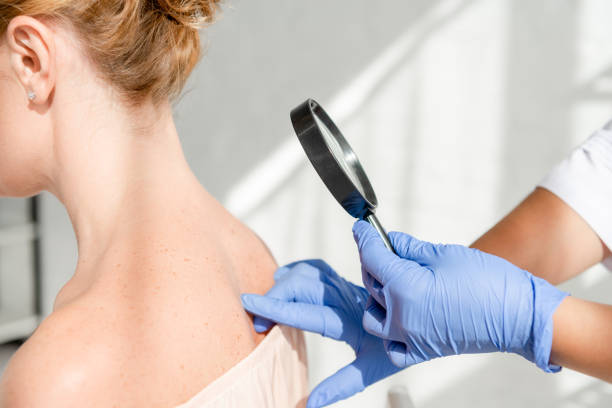
# Skin, this amazing shield of our body, sometimes faces problems that are not only aesthetically bothersome but also significantly impact our quality of life and self-confidence. Well, acne, eczema, and psoriasis—these three names have caused trouble for many. Why do you think that is? Because these aren’t just simple pimples or dry skin; these are chronic diseases with their own stories, and without proper acne, eczema, and psoriasis treatment, they can truly be frustrating.
Acne, for example, isn’t just for teenagers. Many adults also struggle with it. This skin condition occurs when hair follicles become blocked with oil and dead skin cells. The result? Blackheads, whiteheads, cysts, and sometimes even deep lesions. Its impact on mental well-being, especially during those sensitive years of youth, should not be underestimated. Who likes to have a face full of pimples? Well, no one.
Then we move on to eczema, or atopic dermatitis, which is more commonly seen in children, but adults are not immune. Red, itchy, dry, and sometimes cracked skin… these are the symptoms of eczema. The itch of eczema is sometimes so severe that it robs people of sleep. It’s interesting to know that eczema is often linked to asthma and hay fever. It’s as if the body’s immune system is a bit overactive and sometimes manifests itself in this way.
And finally, psoriasis, an autoimmune disease characterized by the rapid proliferation of skin cells. Instead of skin cells growing and shedding over several weeks, this happens in just a few days, leading to the appearance of red patches with silvery scales on the skin. This condition can be very painful and in some cases can even affect the joints, leading to something like psoriatic arthritis. Given these circumstances, it’s clear that these three skin conditions are not just superficial problems. They are real challenges that require serious attention and targeted acne, eczema, and psoriasis treatment. A deep understanding of these diseases is the first step toward finding an effective solution, something we will delve into in detail in this guide.
🔬 Accurate Diagnosis: The Cornerstone of Effective Treatment
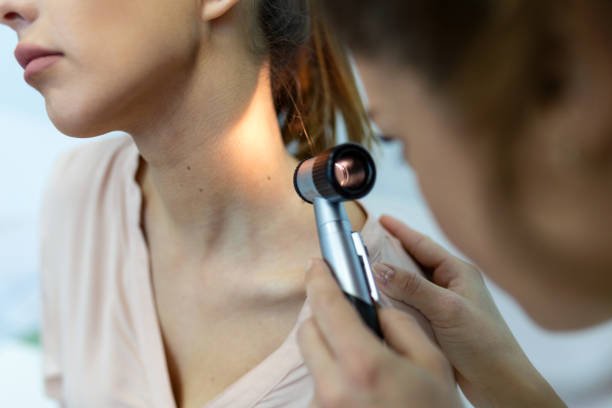
Well, after a brief introduction to these unwelcome skin guests, we arrive at a very important point: accurate diagnosis. You know, sometimes a red patch on the skin can mean a thousand things. It might be eczema, it might be psoriasis, or it might be something completely different. Without an accurate diagnosis, any acne, eczema, or psoriasis treatment initiated is like shooting in the dark. You might spend hours and a lot of money on creams and medications that aren’t for your problem at all, and might even make it worse.
For example, some types of acne might resemble rosacea or even mimic fungal skin infections. Or eczema, which has various types: contact dermatitis, seborrheic eczema, dyshidrotic eczema. Each of these requires its own specific treatment approach. Psoriasis, too, has its own complexities. Sometimes it might be mistaken for a fungal infection or even seborrheic dermatitis. This is precisely where the expertise of a skilled dermatologist shines.
A dermatologist, not only by looking but also by asking about your medical history, thoroughly examining symptoms, and sometimes even performing supplementary tests like a skin biopsy, can uncover the secret of your skin problem. A skin biopsy, which is a small sample of skin taken for microscopic examination, can reveal subtle differences between diseases that are not visible to the naked eye. This procedure is quite common in clinics like kianderm and is considered vital for accurate diagnosis. This is where we understand why we shouldn’t play doctor ourselves and prescribe medication based on Googling symptoms.
Early and accurate diagnosis not only prevents the progression of the disease but also helps avoid potential side effects and makes the path of acne, eczema, and psoriasis treatment much shorter and more effective. So, the first and perhaps most important step is to consult a reliable dermatologist and entrust the diagnosis to their experienced hands. Let’s not forget, accurate information means going halfway to recovery.
Dreaming of a youthful, radiant complexion? kianderm offers premium cosmetic and aesthetic services to enhance your natural beauty.
✅ Botox and dermal filler expertise
✅ Laser and PRP for skin rejuvenation
✅ Tailored plans for optimal results
Schedule your kianderm consultation today!
💡 Modern Approaches to Acne Treatment: From Topical to Systemic
Acne, oh acne! Many people think it’s just a superficial problem, but the reality is that it can be a real headache. Fortunately, in recent years, treatment approaches have advanced significantly, and you no longer have to struggle with it for years. So, let’s take a look at these modern methods of acne, eczema, and psoriasis treatment, especially for acne.
First and foremost, topical medications. These are usually the first line of defense. Retinoids, such as tretinoin or adapalene, regulate skin cell production and prevent pores from clogging. Benzoyl peroxide is also an excellent antibacterial agent that helps dry out pimples. There are also topical antibiotics, like clindamycin, which reduce inflammation and bacteria. Recently, combinations of these ingredients have emerged, offering greater efficacy. For example, a combination of a retinoid with benzoyl peroxide, or an antibiotic with benzoyl peroxide.
When acne is more severe or doesn’t respond to topical treatments, the doctor turns to systemic medications. Oral antibiotics, such as doxycycline, are used to reduce inflammation and bacteria. But the most important one is isotretinoin (Accutane), which has truly revolutionized the treatment of severe acne, eczema, and psoriasis. This drug shrinks oil glands and drastically reduces oil production. Of course, its use requires close medical supervision because it has its own specific side effects. For women, sometimes hormonal medications, such as specific birth control pills, are prescribed to control hormonal acne.
Aside from medications, clinical treatments are also very effective. For instance, chemical peeling, which uses mild acids to exfoliate the top layer of skin, helping to unclog pores and reduce inflammation. Laser therapy can also be effective in reducing post-acne redness, eliminating acne scars, and even controlling the activity of oil glands. In short, there are many options, and a dermatologist can choose the best combination therapy for you. The days when we had to live with acne for years are over. Now, with the help of science, we have better ways to live acne-free.
| Treatment Approach | Examples of Medications/Methods | Brief Description |
|---|---|---|
| Topical | Retinoids, Benzoyl Peroxide, Antibiotics | Oil control, antibacterial, exfoliation |
| Systemic | Oral Antibiotics, Isotretinoin, Hormonal Medications | Inflammation reduction, oil gland regulation |
| Clinical | Chemical Peeling, Laser Therapy | Acne scar improvement, redness reduction, exfoliation |
🌊 Eczema Management: Relieving Inflammation and Restoring the Skin Barrier

Eczema, or atopic dermatitis… a skin condition that can truly disrupt life. That damned itch that burns to the bone, the redness and dryness that not only cause physical discomfort but also affect one’s self-confidence. The main goal in acne, eczema, and psoriasis treatment for eczema is to relieve these symptoms, control inflammation, and help the skin rebuild its natural barrier. This is because the skin barrier in individuals with eczema is severely damaged, making the skin more susceptible to irritation and moisture loss.
So, what is the first line of treatment? Moisturizers! They might seem simple, but they play a vital role. Strong, fragrance-free moisturizers should be used regularly and several times a day to maintain skin hydration and strengthen the skin barrier. This is somewhat like adding a protective layer to your skin.
Next, we have topical corticosteroids. These medications are excellent for reducing inflammation and itching. However, their overuse or long-term use can have side effects, such as skin thinning. Therefore, they must be used under medical supervision with specific dosages and durations. Topical calcineurin inhibitors, such as tacrolimus or pimecrolimus, are also good options, especially for the face and more sensitive areas, as they do not have the side effects of corticosteroids.
Recently, biologics have also entered the arena for severe eczema. Drugs like dupilumab (Dupixent) target specific proteins in the immune system that cause inflammation. These truly represent a great hope for those who haven’t responded to other treatments. Phototherapy (light therapy) is another method that uses specific ultraviolet radiation to reduce inflammation. However, these methods must be performed in equipped clinics and under the supervision of a specialist.
One of the important points in acne, eczema, and psoriasis treatment for eczema is identifying triggers and avoiding them. Pollen, dust, specific soaps, or even certain foods might exacerbate eczema. A bit of trial and error is needed for each person to find their own triggers. Ultimately, with a comprehensive approach including daily care, appropriate medications, and trigger identification, eczema can be well controlled, leading to a calmer life.
🚀 Advances in Psoriasis Treatment: A Look into the Future
Psoriasis, this autoimmune disease characterized by its red, scaly patches, might be more visually striking than eczema and acne, and this greatly impacts individuals’ social and psychological lives. Previously, treatments were very limited, but now with scientific advancements, incredible options for acne, eczema, and psoriasis treatment are available that have truly transformed the lives of patients.
Topical medications are still the first line of treatment for mild to moderate cases. Corticosteroid creams, vitamin D analogues (like calcipotriol), and topical calcineurin inhibitors help reduce inflammation and the rate of skin cell growth. But the main story begins when psoriasis is more severe or affects large areas of the body.
Phototherapy (light therapy) with ultraviolet B (UVB) radiation or PUVA is one of the older, yet effective, methods for moderate to severe psoriasis. Although considered old, it is still a valid option and works for many people.
Now, let’s talk about systemic medications. Methotrexate and cyclosporine are drugs that have been used for years for severe psoriasis. These suppress the immune system and prevent rapid cell growth. However, they also have their own side effects and must be taken under strict medical supervision. The newcomers, biologics, have truly changed the game. These drugs target specific proteins in the immune system that cause inflammation and abnormal skin cell growth. Drugs like etanercept (Enbrel), adalimumab (Humira), ustekinumab (Stelara), and secukinumab (Cosentyx) are just a few examples of these amazing medications. They have truly worked wonders for the treatment of severe acne, eczema, and psoriasis, including psoriatic arthritis.
The newest group of drugs are small molecule inhibitors, such as apremilast (Otezla) or tofacitinib (Xeljanz). These are oral medications that modulate immune system function from within the cells. The choice of which treatment is best for you depends entirely on the type and severity of your psoriasis, your general health, and even your lifestyle. Your dermatologist at kianderm can illuminate the best path for you, and with the help of these scientific advances, you can return to a normal life free from the troubles of psoriasis.
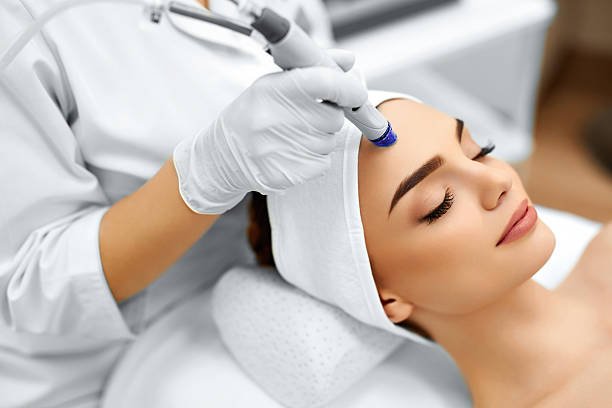
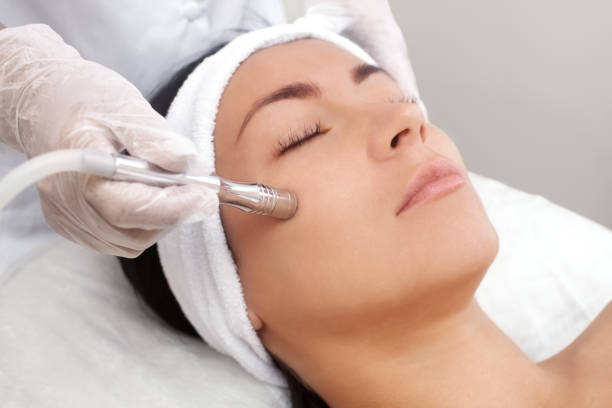
Longing for a smoother, softer complexion without harsh chemicals? kianderm offers gentle yet effective microdermabrasion and other aesthetic treatments for radiant skin.
✅ Non-invasive exfoliation for immediate glow and freshness
✅ Improved skin texture and reduced appearance of pores
✅ Customized treatments for a refreshed and revitalized appearance
Polish your beauty at kianderm!
✨ Advanced Technologies in Skin Clinics: Laser and PRP

When it comes to acne, eczema, and psoriasis treatment, many people only think of creams and pills. But today, advanced technologies, especially in specialized skin clinics like kianderm, have become solutions for many skin problems. Laser and PRP (Platelet-Rich Plasma) are among these methods that are no longer used just for beauty but also have amazing therapeutic applications.
Laser therapy is a vast world. For acne, lasers can help in several ways. For example, fractional lasers are excellent for improving acne scars. These lasers stimulate collagen production by creating thermal micro-channels in the skin, leading to skin regeneration. The result? Smoother, more even skin. Some lasers can also kill acne-causing bacteria and reduce the activity of oil glands, which prevents new breakouts. Even for residual redness from pimples, vascular lasers exist that target superficial capillaries and reduce redness.
Now let’s talk about PRP. This method uses the patient’s own blood! Yes, that’s right. A small sample of your blood is taken, then in a centrifuge machine, platelets are separated from other components. These platelets are rich in growth factors. Now, this platelet-rich plasma (PRP) is injected into the desired areas. PRP can be used to improve acne scars, stimulate collagen production, and even in some cases to improve skin texture in diseases like eczema (though in specific stages and under medical supervision).
Other technologies like Microneedling also exist, which stimulate collagen production by creating tiny punctures on the skin and are very effective for acne scars and overall skin texture improvement. When these methods are combined with pharmaceutical treatments, the results become truly impressive. For example, after a course of acne, eczema, and psoriasis treatment with medication, there might be residual acne scars, which is where laser or microneedling comes into play. These technologies are somewhat complementary to traditional treatments and help us achieve healthier, more beautiful skin. However, the important point is that these methods must be performed by experienced specialists in a sterile and safe environment.
🍎 The Role of Nutrition and Lifestyle in Managing Chronic Skin Diseases

You know, many times we think skin diseases can only be solved with medication and creams. But the truth is, our body is a completely interconnected system, and what we eat or how we live significantly affects our skin. Especially when it comes to chronic diseases like acne, eczema, and psoriasis, the role of nutrition and lifestyle in acne, eczema, and psoriasis treatment becomes truly prominent.
Let’s start with nutrition. Research has shown that diets high in sugar and refined carbohydrates (like white bread and pastries) can increase inflammation in the body and worsen acne. In contrast, foods rich in omega-3s (like fatty fish, flaxseeds) and antioxidants (like colorful fruits and vegetables) have anti-inflammatory properties and can be beneficial for eczema and psoriasis. The Mediterranean diet, which is full of vegetables, fruits, olive oil, and fish, is generally recommended for skin health. Another point that might be important for some is dairy. Some individuals see significant improvement in their acne and eczema by eliminating or reducing dairy. Of course, these are all individual and require consultation with a nutritionist and doctor.
Now let’s move on to lifestyle. Stress! This small word has huge effects. Stress can exacerbate or worsen all three conditions: acne, eczema, and psoriasis. Managing stress through meditation, yoga, regular exercise, or even a hobby that brings you peace can be very helpful. And I can’t emphasize enough how important sufficient and quality sleep is. It’s during sleep that the body repairs itself, and the skin is no exception.
Avoiding smoking and alcohol is also a given. These also damage the skin in various ways and increase inflammation. Adequate water intake is also essential for maintaining skin hydration and proper function. Using appropriate and gentle skin products, especially for sensitive and eczematous skin, is very important. Fragrance-free and non-irritating products are the best options. By making small changes in your diet and lifestyle, you can see a big impact on controlling and facilitating acne, eczema, and psoriasis treatment and improving your overall skin health.
| Factor | Positive Impact | Negative Impact |
|---|---|---|
| Nutrition (Anti-inflammatory) | Omega-3s, Antioxidants | High sugar, refined carbohydrates, dairy (for some individuals) |
| Lifestyle | Stress management, adequate sleep, exercise | Chronic stress, sleep deprivation, smoking, alcohol |
💉 Therapeutic Injections Covered by Insurance: Beyond Aesthetics
When injections are mentioned, many immediately think of cosmetic Botox and fillers. Well, they’re right to, as these services have become quite famous. But it’s interesting to know that there are many injections that have therapeutic purposes and may even be covered by public health insurance. This is where we understand that the services of a clinic like kianderm go beyond mere aesthetics and have important medical aspects.
One such case is the injection of botulinum toxin (the famous Botox) for the treatment of hyperhidrosis, or excessive sweating. It’s truly a distressing problem; hands or armpits that are always sweating, without heat or activity. This condition can significantly reduce quality of life. Botox injections in these areas, by blocking the nerve signals that stimulate sweat glands, drastically reduce sweating. This type of Botox injection, which is not considered an acne, eczema, or psoriasis treatment but is part of therapeutic services, is covered by public health insurance in many countries and provinces because it has no aesthetic purpose and is essential for improving the patient’s quality of life.
Another case is intralesional corticosteroid injections. These injections are used for severe cystic acne, eczema, and psoriasis treatment, keloids (excess scar tissue), and even some types of localized psoriasis resistant to other treatments. For example, if you have a large and painful acne cyst, direct injection of cortisone into it can quickly reduce inflammation and prevent scarring. Or for resistant psoriasis that affects only a small spot, these injections can be very effective. Of course, these must also be performed by a dermatologist to ensure the precise dose and injection site.
These are just two examples of therapeutic injections whose importance may be less recognized than common treatments, but their impact on improving patients’ condition is truly significant. Equipped clinics like kianderm provide these services with precision and under the supervision of experienced specialists, and since they are essential for some patients, efforts are made to have them covered by insurance. So, whenever you visit a dermatologist, always ask about all available treatment options, even those you might not consider.
👨⚕️ Why Consultation with a kianderm Dermatologist is Crucial
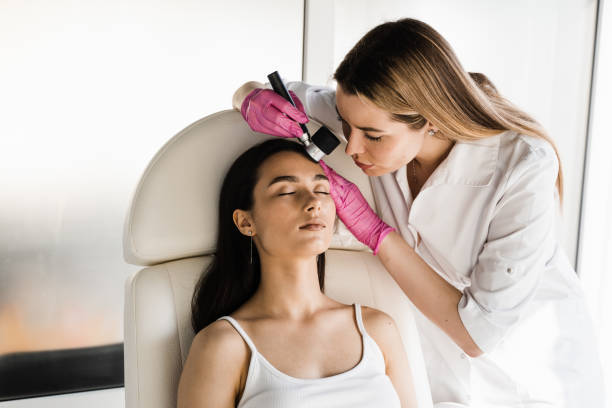
Well, so far we’ve talked about acne, eczema, psoriasis, and many modern acne, eczema, and psoriasis treatment methods. But a fundamental question remains: why should we consult a dermatologist? Why can’t we just apply a cream at home or buy medicine online? The answer is very simple: your skin is unique! Every skin has its own story, reacting differently based on genetics, lifestyle, and the environment it’s in.
A dermatologist, like those at Kian Derm Clinic, has years of education, extensive practical experience, and deals with dozens of cases similar to yours every day. They know what’s what and how to approach your problem. Correct diagnosis, which we discussed in previous sections, is the first step. A wrong diagnosis will not only fail to improve the situation but may also worsen it or cause the disease to progress and become harder to treat.
The second issue is a personalized treatment plan. There is no one-size-fits-all solution. What worked for your friend might not work for you. A dermatologist, considering your type of disease, its severity, medical history, medications you are taking, and even your personal preferences, designs a comprehensive and customized treatment plan for you. This plan might include a combination of topical and oral medications, laser, lifestyle changes, and nutrition. This means utilizing the best resources for you.
Another point is access to advanced technologies and up-to-date knowledge. Clinics like kianderm always strive to provide the best services with the latest methods and equipment. As we said, lasers, PRP, and other aesthetic and therapeutic treatments require expertise and experience. Performing these procedures by non-specialists is not only ineffective but can also be dangerous.
Finally, a dermatologist can guide you on this journey, answer your questions, and give you peace of mind that you are receiving the best acne, eczema, and psoriasis treatment. So, if you are struggling with any skin problem, especially acne, eczema, or psoriasis, do not hesitate and definitely consult an experienced dermatologist. This is the best investment for your skin health and peace of mind.
Ready to erase years from your appearance without surgery? kianderm’s advanced laser and device-based treatments offer revolutionary skin rejuvenation, targeting multiple concerns.
✅ Effective reduction of wrinkles, fine lines, and sun damage
✅ Improvement in skin tone, texture, and firmness for a youthful look
✅ Personalized treatment protocols for optimal and visible outcomes
Experience cutting-edge beauty at kianderm!
🌱 The Future of Skin Disease Treatment: Hopes and New Horizons
Well, after all this talk about current acne, eczema, and psoriasis treatment methods, it’s worth taking a look at future horizons. Medical science never stops and is always in search of better and more effective ways to combat diseases. The same goes for skin diseases. The future is very exciting and full of hope for those who struggle with chronic skin problems.
One of the hottest topics is personalized medicine. What does this mean? It means that instead of a general treatment for everyone, treatments are designed based on an individual’s genetics, skin microbiome, and specific characteristics. Scientists are working to be able to predict which drug will work best for which patient, or even diagnose the disease before it becomes severe, through genetic analysis or even simple skin biopsies. This represents a real revolution in the way acne, eczema, and psoriasis treatment and other diseases are approached.
Gene therapies are also entering the research phase. Imagine being able to correct faulty genes that cause psoriasis or eczema! This is still in its early stages, but its potential is truly extraordinary and could lead to definitive cures. Newer biologic drugs are also constantly being developed that target inflammatory proteins with greater precision and have fewer side effects.
Artificial Intelligence (AI) is also playing an increasingly prominent role in this field. From highly accurate disease diagnosis to assisting doctors in choosing the best treatment path. For example, AI can analyze skin images and detect symptoms that might not be visible to the naked eye. Or it can even help predict drug responses by analyzing patient medical data.
The development of vaccines for some acne-provoking factors, or the use of probiotics to improve the skin microbiome in eczema and psoriasis, are among other research areas. These advancements promise a future where acne, eczema, and psoriasis treatment, and other skin diseases, will be not only more effective but also have fewer side effects and be more personalized. Of course, reaching this point requires time and further research, but even now, we can hope that with scientific progress, living with healthier skin is no longer just a dream.
| Question | Answer |
|---|---|
| Is acne only related to adolescence? | No, acne can also occur in adults and requires its own specific treatments, which are sometimes different from teenage acne. |
| What should be done to diagnose eczema or psoriasis? | Accurate diagnosis requires examination by a dermatologist. Sometimes skin biopsy or other tests are necessary to differentiate these diseases. |
| Can diet affect acne, eczema, and psoriasis? | Yes, some studies show that diets high in sugar and refined carbohydrates can worsen these conditions, while anti-inflammatory diets are beneficial. |
| Is laser effective for treating acne scars? | Yes, fractional lasers and other laser methods can significantly improve acne scars. |
| What therapeutic uses does Botox injection have and is it covered by insurance? | Therapeutic Botox injection is used for hyperhidrosis (excessive sweating) and in many cases can be covered by public health insurance. |
| Why is consultation with a dermatologist important for acne, eczema, and psoriasis treatment? | A dermatologist, with their knowledge and experience, can provide an accurate diagnosis and design a personalized treatment plan tailored to each individual’s specific conditions. |
| Is PRP applicable for skin problems? | Yes, PRP (Platelet-Rich Plasma) can help improve acne scars and overall skin texture by stimulating collagen production. |
| Is there a definitive cure for psoriasis? | Currently, there is no definitive cure for psoriasis, but modern treatment methods, especially biologic drugs, can effectively control symptoms and improve quality of life. |
| What new treatments are available for severe eczema? | For severe eczema, new biologic drugs like dupilumab (Dupixent) and small molecule inhibitors are effective treatment options. |
| What role do we attribute to stress in skin diseases? | Stress can be a strong trigger for flaring up or worsening acne, eczema, and psoriasis, so stress management is an important part of acne, eczema, and psoriasis treatment. |
And other services provided by Kian Derm Clinic include
• Neck cord treatment (injectable)
• Marionette line treatment
• Nasolabial fold correction
• Perioral line (smoker’s lines) treatment
• Frown line treatment (beyond Botox)
And dozens of other services in the fields of skin, beauty, and medical treatments
Skin | Hair | Beauty | Nails
Understand your audience like never before! kianderm delivers rich demographic and behavioral information. ✅ Deep audience segmentation.
Phone: +1 (236) 551-2282
Email: info@kianderm.ca
Address: 1836 Lonsdale Ave, North Vancouver, BC V7M 2J9, Canada