


💡 The Hidden World of Our Skin: Why Do We Need a Thorough Examination?
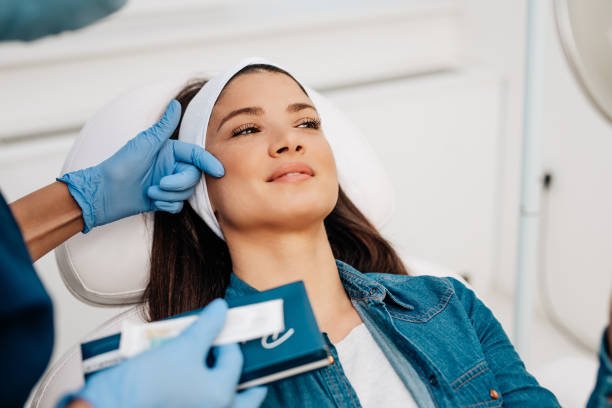
# Skin, this amazing protector of our body, is a complex layer full of secrets. Well, you know, sometimes this tireless guardian encounters problems that can’t be easily detected with the naked eye. Just think, we look at ourselves in the mirror from morning till night, and often we ignore a small spot or a tiny change, because we think it’s nothing important. But a dermatologist knows that these small details can be a sign of a bigger story, a story that might need a deeper examination.
At Kian Derm Clinic, we’ve often seen how a patient comes in worried about a new mole or a strange skin lesion, and finds peace of mind with a timely diagnosis. This is where methods like skin biopsy and cryotherapy come into play. These are not just dry, sterile medical procedures; they are tools that help us uncover the secrets of skin diseases, diseases that if ignored, might cause more serious problems.
Remember, any skin change that concerns you – whether it’s persistent redness, dryness that doesn’t improve with any cream, or even a mole that has changed in size, color, or shape – should be taken seriously. This is about your health, your quality of life. A timely visit to a dermatologist is like investing in your future health. We are here to guide you to the best path with our experience and knowledge, and to assure you, using up-to-date techniques like biopsy and cryotherapy, that your skin is in the best possible condition.
In short, this article is intended to be a friendly guide for anyone who wants to know more about these two important skin procedures. Our goal is to eliminate the confusion and fear that people sometimes have about medical terms and give you a clear and completely human perspective, just like an intimate conversation with a compassionate dermatologist who is by your side. So let’s see exactly what these methods are, when, and why they are useful to us.
🔬 What exactly is a skin biopsy, and why do we need it?
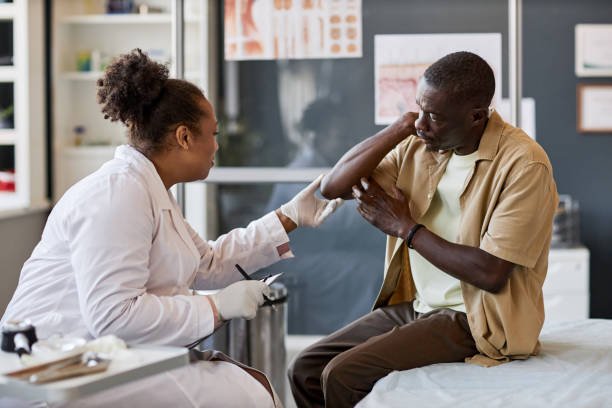
Well, let’s talk frankly about skin biopsy. Many people get a little worried when they hear the name, but the truth is, it’s an incredibly vital and common diagnostic procedure. Simply put, a skin biopsy means taking a tiny piece of your skin to examine it under a microscope. It’s like a detective taking a very small clue from a crime scene to solve the whole story. With this, the doctor can precisely understand what your skin problem is, where it originated, and what the best solution is for it.
Now, why do we need it? The reasons are truly diverse. Maybe you have a mole that the dermatologist feels is suspicious, maybe you have a skin lesion that looks like skin cancer or its exact nature is unknown. Inflammatory diseases like eczema or psoriasis, skin infections that don’t respond to usual treatments, or even alopecia (hair loss) with no clear cause, may all require a biopsy for a definitive diagnosis. Without this precise diagnosis, treating the disease is like shooting blindfolded, which, well, yields no results.
The most important point is that a skin biopsy is a quick and usually painless procedure. Before taking the sample, the area is completely numbed with local anesthesia, so you’ll only feel slight pressure, not pain. This is often done in the doctor’s office or clinic and does not require hospitalization. The biopsy results are sent to a pathologist, and that’s where this small piece of skin tells its story to us.
At Kian Derm, we perform this procedure with the utmost care and calmness for our patients, because we know how important transparency and patient comfort are during these stages. Our goal is for you to feel secure and confident from the moment you arrive until you receive the results, knowing you are in the hands of experienced specialists. So if your dermatologist suggests a biopsy, know that it’s the best way for your health to reach a clear diagnosis.
Seeking a natural boost for your skin’s vitality and texture? kianderm features innovative PRP (Platelet-Rich Plasma) therapy and mesotherapy, stimulating your skin’s regeneration for a healthier, glowing appearance.
✅ Regenerative and natural treatments
✅ Improved skin texture and tone
✅ Advanced techniques for optimal results
Revitalize your skin with kianderm!
🔪 Types of Skin Biopsy: Choosing the Right One for Each Lesion
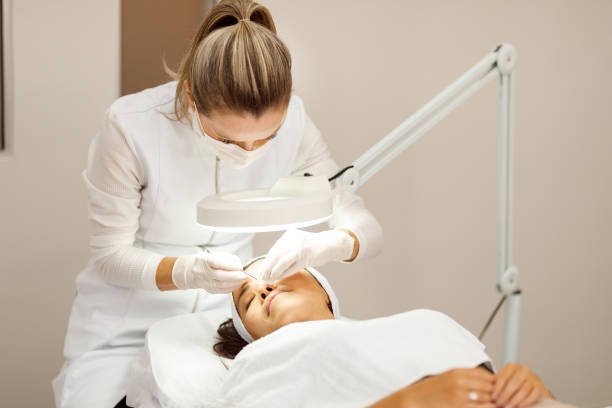
When it comes to skin biopsy, you should know that we are not dealing with just one method; we have several different techniques, each performing best for its specific conditions. The choice of biopsy method completely depends on the type of skin lesion, its size, location, and what the dermatologist is looking for. It’s like a carpenter having different tools for different tasks, for example, a hammer for nailing and a saw for cutting wood. Each has its own job.
The most common types of biopsy include:
| Biopsy Type | Description | Uses |
|---|---|---|
| Shave Biopsy | Removal of the upper layers of the skin (epidermis and part of the dermis) with a surgical blade or a specialized razor. | For raised lesions on the skin surface such as elevated moles, warts, seborrheic keratoses, or for diagnosing superficial skin cancers. |
| Punch Biopsy | Uses a “punch-like” tool to remove a circular, deep sample of skin that includes the epidermis, dermis, and even a small portion of the underlying fatty tissue. | Diagnosis of deeper skin conditions such as skin inflammations, certain types of skin cancer, or lesions that have penetrated deep into the skin. |
| Excisional Biopsy | Complete removal of the skin lesion along with a small margin of healthy skin around it using a surgical knife (scalpel). | When skin cancer is strongly suspected or the lesion needs complete removal. This method is both diagnostic and therapeutic. |
| Incisional Biopsy | Removal of only a portion of a larger lesion with a surgical knife. | For large lesions that cannot be completely removed, or for accurate diagnosis of the lesion type before deciding on complete removal. |
At Kian Derm, our dermatologists carefully examine your lesion and choose the best and least invasive biopsy method to ensure the most accurate diagnosis and minimize discomfort for you. After the sample is taken, the incision site is usually sutured or covered with a simple dressing. The important thing is that you should not be afraid of these procedures, as the ultimate goal is to achieve health and peace of mind.
🩹 From Biopsy to Recovery: What to Expect?

Okay, now that we know what a biopsy is and why it’s done, let’s talk a little bit about the moments when it’s going to be done and what happens afterward. It’s natural to feel a little stressed, but rest assured that the process is much simpler than you might think.
During the biopsy: First, the doctor will completely numb the area with a local anesthetic. This anesthesia has a small stinging sensation, like when you get a vaccine, but after that, you won’t feel any pain. The dermatologist will take the necessary sample with their specialized tools. Depending on the type of biopsy, a small hole, a thin cut, or a slightly deeper wound might be created. After the sample is taken, one or two stitches might be needed, especially in punch or excisional biopsies. Finally, a sterile dressing will be placed over the biopsy site.
After the biopsy: The most important thing is wound care to prevent infection. The dermatologist or their assistants at Kian Derm will give you all the necessary instructions. These instructions usually include keeping the wound clean, regularly changing the dressing, and sometimes using an antibiotic ointment or petroleum jelly. You might experience some redness, swelling, or slight pain in the area for a few days, which is completely normal and can be controlled with over-the-counter pain relievers. Strictly avoid scratching or touching the wound site to allow for natural healing and minimize scarring.
Biopsy results: This part is perhaps what everyone is waiting for. Your skin sample is sent to a pathology lab to be examined under a microscope by a pathologist. This process can take several days to two weeks for accurate results to be ready. Once the results are ready, your dermatologist at Kian Derm will contact you to explain the results and, if necessary, discuss treatment options. Often, the results show that there’s nothing to worry about, and that in itself is the best news.
In summary, a biopsy is a powerful tool for accurate diagnosis and a way to give you peace of mind. So don’t be afraid and trust the advice of our specialists.
📚 Interpreting Biopsy Results: Deciphering the Pathology Report
Okay, imagine you’ve had the biopsy and now you’re waiting for the results. That wait can be really tough, right? But when the pathology report reaches the dermatologist, that’s where the real story begins. This report is an important medical document that contains vital information about the condition of your skin lesion. But, medical words and terms can be a bit complex and incomprehensible for an ordinary person. Don’t worry, we are here to help.
A pathology report usually includes several main sections: first, your identification information and the specifications of the removed sample. Second, a macroscopic description of the sample (what the pathologist saw with the naked eye). And most importantly, the “Microscopic Findings” and “Conclusion” or “Diagnosis” sections. It is in these sections that cellular details, tissue type, and any abnormalities or specific diseases are identified.
For example, you might see words like “seborrheic keratosis” (a benign and harmless lesion) or “malignant melanoma” (a type of skin cancer) in the report. Or the diagnosis might be an inflammatory disease like “atopic dermatitis” (eczema) or “psoriasis.” The dermatologist’s job is to translate these words for you and explain them in simple terms. They will tell you whether the lesion is benign (meaning harmless) or malignant (meaning cancerous and requiring treatment), and if it’s malignant, what type of cancer it is and what stage it has reached.
At Kian Derm, we not only explain the results to you but also patiently and carefully answer all your questions. If treatment is needed, the dermatologist will provide the best treatment plan based on the type of diagnosis and your overall health condition. This could include complete removal of the lesion, cryotherapy, or medication. The main goal is for you to make informed decisions for your skin health without any worries, and to have a healthy and carefree future.
Are you looking for integrated skin health solutions that span from medical conditions to cosmetic desires? Kian Derm expertly manages conditions like acne and eczema while offering premium services such as Botox and dermal fillers for aesthetic perfection.
✅ Seamless medical and cosmetic integration
✅ Expert management of skin conditions
✅ Premium aesthetic results
Discover kianderm today.
❄️ Cryotherapy or Cold Therapy: The Art of Freezing for Skin Health
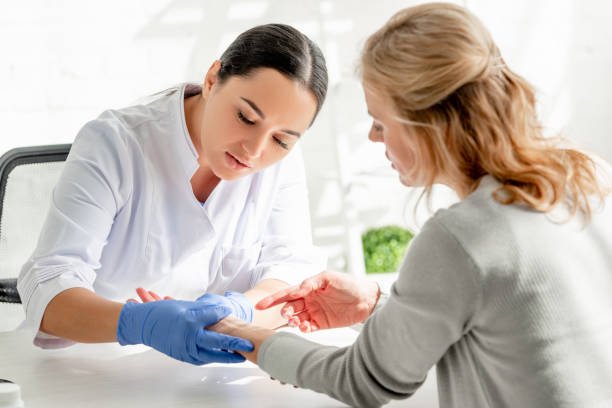
Moving on from biopsy and the world of diagnosis, we arrive at cryotherapy, or cold therapy. A treatment method whose name might sound a bit scary, but in reality, it’s a wonderfully effective, minimally invasive, and often painless technique used to eliminate various skin lesions. Imagine, by using extreme cold, we target and destroy problematic cells, while causing less damage to surrounding healthy tissues. It kind of acts like an icy laser surgeon!
Cryotherapy is primarily performed using liquid nitrogen, which has an extremely low temperature, around minus 196 degrees Celsius. This liquid is applied directly to the skin lesion with a special spray, a cotton swab, or a small probe. When liquid nitrogen touches the skin, it rapidly freezes the target cells. This freezing causes ice crystals to form within the cells, which damages the cell walls and ultimately leads to the death of those cells. The body then sheds these dead cells, and healthy cells grow in their place.
This method is used to treat a wide range of skin problems. From common warts and pre-cancerous lesions (like actinic keratoses) to some skin tags and age spots. The main advantage of cryotherapy is that it usually doesn’t require injectable anesthesia, and the cold itself acts as an anesthetic to some extent. The procedure time is short, and the recovery period is also usually not very long. Side effects are often mild and temporary, such as redness, swelling, and sometimes blistering.
At Kian Derm, we perform cryotherapy with high precision and skill, and we ensure that you have all the necessary information before, during, and after the treatment. This is a safe and effective method that can help you say goodbye to unwanted skin lesions and have smooth, healthy skin again.
🎯 What Lesions Are Treated with Cryotherapy? A Deeper Look

Well, cryotherapy is a truly versatile treatment. It’s not just for one specific type of skin problem, but can successfully eliminate a wide range of lesions. When a dermatologist at Kian Derm recommends this method, they have certainly diagnosed it as the best way for your skin problem. Let’s take a look together at the most common conditions treated with cryotherapy:
| Skin Lesion | Description |
|---|---|
| Warts | Caused by the HPV virus and usually appear on the hands, feet, face, and other body parts. Cryotherapy is one of the most effective ways to remove them. |
| Actinic Keratosis | These are pre-cancerous lesions caused by sun damage, and if left untreated, they may develop into squamous cell carcinoma. Cryotherapy is a standard treatment for them. |
| Seborrheic Keratosis | Harmless, benign skin lesions that appear with age and may be brown, black, or tan. Cryotherapy can remove them without the need for surgery. |
| Solar Lentigines (Age Spots) | Light or dark brown spots caused by prolonged exposure to sunlight, often seen in older individuals. |
| Molluscum Contagiosum | A viral skin infection causing small, dome-shaped bumps with a central dimple, especially in children. |
| Small Skin Tags | Small, soft, hanging skin growths that usually appear in folded areas of the body such as the neck, armpits, and groin. |
This list is not exhaustive, but it shows the most common cases. Well, you can see how useful this method can be. Our dermatologists carefully examine the lesion before performing cryotherapy to ensure that this method is suitable for you and there are no suspicious signs that would require a biopsy. Sometimes, a biopsy may be performed first to confirm the benign nature of the lesion, and then cryotherapy may be used as a complementary treatment.
It is important to always consult a dermatologist. They are the best people to choose the most appropriate treatment method for your problem based on their knowledge and experience.
🌬️ The Cryotherapy Process: From Start to Full Recovery
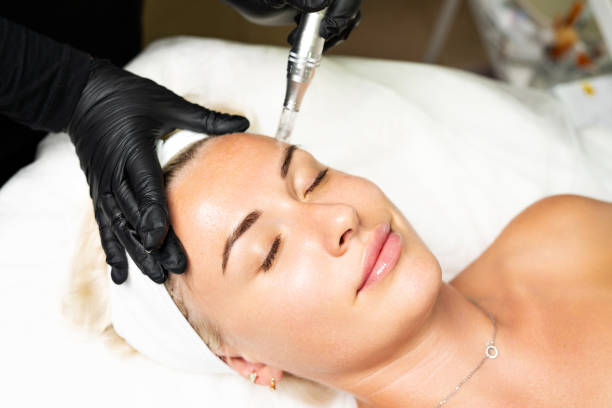
Imagine a glass of ice water placed in front of your face on a hot summer day; you can picture that cold sensation, right? Well, cryotherapy is something similar to that feeling, though with a much greater intensity and locally applied. The process is usually quick and straightforward, without the need for major worries.
When you come to Kian Derm for cryotherapy, the dermatologist first cleans the target area. Then, using a special spray, a cotton swab, or a metal probe pre-cooled with super-cold liquid nitrogen, they apply the cold substance directly to the skin lesion. You will experience a stinging and intense cold sensation, which might be a bit strong but is usually tolerable. This cold rapidly freezes the lesion, and this process might take a few seconds to a minute. Sometimes the doctor repeats this in several cycles to ensure full effectiveness.
After the procedure, the treated area immediately becomes red and slightly swollen. This is a natural reaction and shows that the body is responding to the treatment. In the next few hours to several days, a blister will likely form on the treated area. This blister can contain clear fluid or even a little blood, which is also completely normal and should not worry you. It’s important not to try to pop the blister at all, as this can increase the risk of infection and lead to worse scarring.
Within one to two weeks, the blister will dry up on its own, and a black crust will form over it. This crust indicates that the dead cells are being eliminated. Eventually, this crust falls off, revealing new, healthy skin underneath. Usually, very little scarring remains from cryotherapy, and in some cases, a lighter spot (hypopigmentation) may be seen at the treatment site, which often improves over time.
At Kian Derm, we provide you with all post-cryotherapy care instructions, including how to keep the area clean and use specific ointments, so that your recovery happens in the best way and without any problems. Let’s remember, your health is the main goal.
⚖️ Biopsy vs. Cryotherapy: When and Why Choose Which?
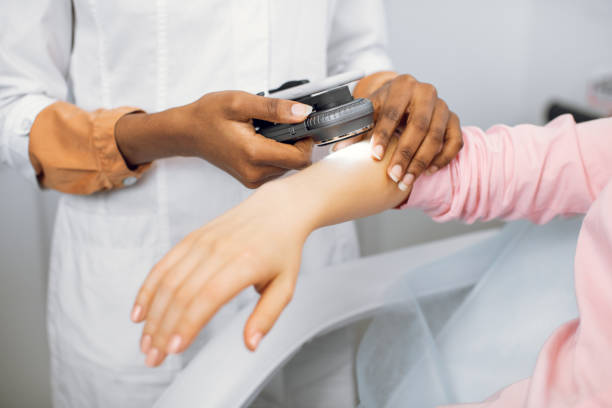
Okay, so far we’ve discussed biopsy and cryotherapy separately. Now it’s time to put these two methods side by side and see how a dermatologist decides when and why to prefer one over the other, or even use both together. It’s kind of like a professional chef knowing what tools and ingredients to use for each dish.
First and foremost, biopsy is a diagnostic method, meaning its primary goal is to provide an accurate diagnosis of the nature of the skin lesion. When a dermatologist encounters a lesion whose nature is unclear or suspected of being skin cancer, a biopsy is the first and most important option. Without an accurate diagnosis, any treatment might be blind. For example, if you have a suspicious mole, the doctor will first biopsy it to determine if it is benign or malignant. After that, if treatment is needed, then we move on to treatment options.
In contrast, cryotherapy is a therapeutic method. Its purpose is to eliminate skin lesions that have already been diagnosed and are known to be benign or in early pre-cancerous stages. For example, for warts, seborrheic keratoses, or actinic keratoses whose diagnosis is clear and do not require further pathological examination, cryotherapy is an excellent and minimally invasive option. If a dermatologist is sure a lesion is a wart upon seeing it, they will go directly for cryotherapy.
So, the main distinction is this: if “we don’t know what it is,” biopsy. If “we know what it is and want to eliminate it,” cryotherapy. Sometimes these two methods complement each other. For example, a large skin lesion might first be biopsied to determine its type, and if it’s diagnosed as benign, cryotherapy or other methods might then be used for its complete removal. Or, for instance, if actinic keratosis is diagnosed, cryotherapy is performed, and later, a small sample might be taken to ensure complete clearance.
The decision on which method is more suitable for you rests entirely with the experienced dermatologist at Kian Derm. Considering all aspects, including the type and location of the lesion, your medical history, and treatment expectations, they will recommend the best solution to achieve the best treatment outcome.
Is your skin reflecting a need for specialized care, from medical conditions to aesthetic enhancements? kianderm delivers exceptional dermatology, offering precise diagnosis and a vast array of treatments to ensure your skin is healthy, vibrant, and perfectly you with unparalleled expertise!
✅ MSP-covered services for essential skin health
✅ Advanced aesthetic options like microneedling and PRP therapy
✅ Expert guidance for a truly personalized treatment experience
Achieve your best skin ever at kianderm!
🌟 Choosing a Reputable Clinic: The Role of Expertise in Your Skin Health

To be honest, when it comes to health, especially in a sensitive area like skin, choosing where to place your trust is even more important than the treatment itself. It’s kind of like when you need to repair your luxury car, you don’t go to just any mechanic; you look for an expert who knows their craft and can provide the best service. It’s exactly the same in dermatology.
When biopsy or cryotherapy is involved, you need an experienced dermatologist who has both deep knowledge of various skin conditions and sufficient skill to perform these procedures accurately. This is where the role of a reputable clinic like Kian Derm becomes prominent. Why? Because in such a center, everything from equipment to the expertise of the medical staff is based on scientific principles and modern standards.
A good dermatologist not only correctly diagnoses and treats skin lesions but also reassures you before any procedure, explains all steps in simple language, and patiently answers your questions. This “human connection” between doctor and patient truly works wonders in the treatment process. Think about it, how comforting it is to know you are under the care of those who not only know the best treatment methods but also care about your concerns.
Furthermore, in a reputable clinic, hygiene and sterilization are maintained at the highest level, which is a crucial factor in preventing infections and unwanted complications. Post-treatment follow-ups are also an integral part of the service provided by a reputable center. That means the job doesn’t end with performing cryotherapy or a biopsy; our specialists at Kian Derm monitor your recovery status and, if necessary, provide the necessary consultations to ensure your complete and problem-free recovery.
So, the choice is yours. Value your skin, which is the most important covering of your body, and for any concerns, refer only to true specialists and reputable treatment centers. This is an investment for years of your skin’s health and beauty.
| Question | Answer |
|---|---|
| How painful is a skin biopsy? | It’s usually done with local anesthesia, so during the procedure, you’ll only feel slight pressure and no pain. After the anesthesia wears off, there might be a mild stinging or discomfort that can be controlled with over-the-counter pain relievers. |
| How long does it take for biopsy results to be ready? | It usually takes between a few days to two weeks for the pathologist to examine the sample and prepare the report. Your dermatologist will inform you of the exact time. |
| Will there be a scar after a biopsy? | Yes, a small scar will likely remain. However, the dermatologist will do their best to minimize the scar. Proper post-procedure care is effective in reducing scarring. |
| What problems is cryotherapy useful for? | Cryotherapy is used to treat warts, actinic keratoses (pre-cancerous lesions), seborrheic keratoses, small skin tags, and some age spots. |
| Is cryotherapy painful? | You will experience a stinging and intense cold sensation during the treatment. This sensation might be a bit uncomfortable, but usually, no injectable anesthesia is needed, and it’s completely tolerable. |
| What care is needed after cryotherapy? | Gentle washing of the area, keeping it dry, and not touching blisters or scabs are the main cares. Your doctor will provide more specific instructions. |
| Is cryotherapy used for skin cancer? | It may be used for some superficial skin cancers (such as early-stage basal cell carcinoma) or pre-cancerous lesions (actinic keratosis), but for cancer diagnosis, a biopsy is essential. |
| Why would a dermatologist suggest a biopsy instead of cryotherapy? | If the nature of the lesion is unclear and requires an accurate diagnosis (e.g., to rule out cancer), a biopsy is essential. Cryotherapy is a treatment for lesions whose nature is known. |
| Is repeat cryotherapy needed? | Yes, for some stubborn lesions like warts, several cryotherapy sessions with specific intervals may be needed for complete treatment. |
| How can I find a reputable clinic for these services? | Look for clinics with experienced, board-certified dermatologists, a good track record of providing these services, and positive patient reviews. Kian Derm with an experienced team is ready to serve. |
And other services provided by Kian Derm Clinic include
• Acne scar subcision
• Punch excision for acne scars
• TCA cross for ice pick scars
• Subcision with filler for rolling scars
• Excision of benign lesions (advanced)
And dozens of other services in the fields of skin, beauty, and medical treatments
Skin | Hair | Beauty | Nails
Navigate complex regulations with ease! kianderm simplifies compliance information management. ✅ Streamlined regulatory adherence.
Phone: +1 (236) 551-2282
Email: info@kianderm.ca
Address: 1836 Lonsdale Ave, North Vancouver, BC V7M 2J9, Canada