


🌟 Introduction: Why has non-surgical skin rejuvenation become so popular?
Well, look, these days when we talk about beauty and youth, we don’t necessarily have to think of scalpels and long recovery periods. Somehow, it seems everything is moving towards easier and more natural solutions. People want to look good, but not at the cost of the hassle and risks of a major surgery. This is where non-surgical skin rejuvenation treatments started to shine like a star. There was a time when the only way to treat wrinkles and sagging was surgical lift. But now? We have a lot of options that can refresh and rejuvenate the skin without anesthesia, without hospitalization, and with minimal pain and discomfort.
You know, it’s not just about beauty. It’s also about self-confidence. When we look in the mirror and our skin looks fresh and young, we feel better about ourselves. This good feeling affects our relationships, our work, and generally the quality of our lives. No one wants their age to be screamed by forehead wrinkles or lines around their eyes anymore. That’s why treatments like Botox, fillers, lasers, and such have become so popular. Not only do they yield good results, but they also don’t disrupt our daily lives.
These methods act like a shortcut; instead of waiting for the skin to get really old and then resorting to invasive solutions, we can, from the very beginning, delay the aging process or even largely erase its effects with minimally invasive interventions. Imagine we have a greenhouse; we don’t let the flowers wither before watering them. We water them regularly and take care of them. Our skin is the same. Non-surgical skin rejuvenation treatments are precisely those regular care routines that help maintain the skin’s freshness and vitality. And well, who dislikes youth and vitality?
🔬 The Most Fundamental Principles of Skin Rejuvenation and Factors Affecting It
Our skin is something like an open book of life. Every laugh, every frown, every moment spent in the sun adds a page to it. But, as you know, with age, the cover of this book gets a little worn. But why does this happen? There are two main heroes in skin youth: collagen and elastin. Collagen acts like a strong scaffold, holding the skin’s structure together. Elastin acts like a spring, allowing the skin to return to its original state after being stretched. The problem is that the production of these two substances decreases with age. From the age of twenty onwards, about 1% of the skin’s collagen decreases annually. Does that seem small to you? But in the long run, it’s very impactful!
Now, besides the passage of time, there are other factors that conspire to make the skin age faster. Sunlight is the primary and most merciless enemy of the skin. UV rays directly attack and destroy collagen and elastin. Smoking, air pollution, an unsuitable diet (full of sugar and unhealthy fats), lack of sleep, and stress all combine to essentially say, “Welcome to old age!” You know, these are like small soldiers making small attacks on the skin every day, causing a lot of damage in the long run.
That’s why the principles of skin rejuvenation don’t just end with superficial treatments. A significant part of it is lifestyle change. Take sunburn seriously and don’t forget sunscreen. A healthy diet rich in antioxidants, sufficient water, proper sleep, and avoiding stress all play key roles. The goal of non-surgical skin rejuvenation treatments is, in fact, to either help in the re-production of collagen and elastin, compensate for the damage incurred, or temporarily hide problems to give the skin a chance to regenerate. If we don’t follow these principles, even the best treatments cannot give us the results we expect. Skin is a living organ; it needs comprehensive care, not just an injection.
Dreaming of smoother, more youthful-looking skin without invasive surgery? kianderm delivers state-of-the-art non-surgical aesthetic treatments including Botox and dermal fillers to visibly refresh your complexion.
✅ Expertly administered anti-aging injections
✅ Noticeable reduction in lines and wrinkles
✅ Natural-looking, long-lasting results
Reveal your youthful glow with kianderm!
💉 Comparing Dermal Fillers and Botox: Two Different Solutions

Many people confuse these two methods, but in fact, Botox and fillers are two of the most popular non-surgical skin rejuvenation treatments, each with its own specific function. Let me give a simple explanation: Botox is used for dynamic wrinkles (caused by muscle movement), and fillers are for static wrinkles (present at rest) and for adding volume.
Botox is actually the brand name for botulinum toxin. What it does is temporarily relax the muscles beneath the skin. When the muscles relax, they can no longer move, and the wrinkles caused by these movements (such as frown lines between the eyebrows, forehead lines, and crow’s feet around the eyes) smooth out. The effect of Botox usually lasts 3 to 6 months, after which the muscles gradually return to their original state, and you’ll need a re-injection.
But fillers (or dermal fillers) are a different story. They are gel-like substances, typically made of hyaluronic acid (which also exists naturally in our body). Fillers are injected under the skin to restore lost volume, fill deeper wrinkles (like smile lines or marionette lines), augment lips, enhance cheeks, or even correct nose shape. Fillers can also be used to fill under-eye hollows. The longevity of fillers varies from 6 months to 2 years, depending on the type of substance and injection site.
So, if your wrinkles are visible even when your face is at rest or if you need volume restoration, fillers are a better option. If wrinkles only appear when you smile or frown, Botox can work wonders. Sometimes, the doctor may recommend using both methods in combination to achieve the best possible results, for example, Botox for the forehead and filler for smile lines. The choice between these two depends on the type of skin concern and, of course, the specialist doctor’s opinion.
| Feature | Botox (Botulinum Toxin) | Filler (Dermal Filler) |
|---|---|---|
| Primary Goal | Reduce dynamic (movement-related) wrinkles | Fill static wrinkles, add volume, shape correction |
| Mechanism of Action | Temporarily relax muscles | Add volume beneath the skin |
| Common Injection Sites | Forehead, frown lines, crow’s feet | Smile lines, lips, cheeks, chin, under eyes |
| Duration of Effects | 3 to 6 months | 6 months to 2 years (depending on filler type) |
| Common Ingredients | Botulinum toxin | Hyaluronic acid, collagen, calcium hydroxylapatite |
✨ Microneedling and Microdermabrasion: Resurfacing the Skin’s Superficial Layers
When it comes to skin freshness and vitality, two of the non-surgical skin rejuvenation treatments that are often heard of are microneedling and microdermabrasion. Both aim to somehow stimulate the skin to regenerate itself and shed dead layers, but well, their methods differ.
Microneedling, as its name suggests, deals with very tiny needles. There’s a device with a head full of fine needles, and when it moves across the skin, it creates very tiny punctures in the skin’s superficial layer. Don’t worry, these punctures are so small that you only feel a vibration. But these tiny punctures send an immediate message to the brain: “Damage! Repair quickly!” and the body starts producing new collagen and elastin to repair these micro-injuries. The result? Tighter, smoother skin with smaller pores. Microneedling is excellent for acne scars, other scars, fine wrinkles, and overall skin texture improvement. It’s also often combined with PRP (Platelet-Rich Plasma) to multiply its regenerative power.
But microdermabrasion is a different story. This method is more like a deep mechanical exfoliation. A microdermabrasion device removes dead and damaged skin layers by spraying fine aluminum oxide crystals or by using diamond-tipped wands. It’s like polishing the skin’s surface. After the session, the skin might be a little red, but it quickly returns to normal, and you’ll experience brighter and smoother skin. Microdermabrasion is good for superficial spots, dullness, enlarged pores, and overall skin texture improvement, but it’s not as effective as microneedling for deep wrinkles or scars.
The choice between these two methods depends on your primary skin concern. If you’re looking for deep collagen stimulation and to address deeper issues, microneedling is your option. If you just want your skin to be brighter and clearer and dead layers removed, microdermabrasion will do the trick. But most importantly, consult with a dermatologist who can choose the best method for you.
🧬 PRP (Platelet-Rich Plasma) and Mesotherapy: Your Body’s Healing Power
Sometimes the best way to rejuvenate and repair the skin is to use our own body’s internal powers. This is where two non-surgical skin rejuvenation treatments called PRP (Platelet-Rich Plasma) and Mesotherapy come into play, both working on this very idea. These methods, in a way, try to strengthen the skin’s natural resources for repair and regeneration.
PRP stands for Platelet-Rich Plasma. The story begins by drawing a small amount of blood from you, just like a regular blood test. Then this blood is put into a centrifuge. This machine spins at high speed and separates the platelets, which are rich in growth factors, from the other components of the blood. Afterwards, this platelet-rich plasma is injected into specific areas of the skin with very fine needles. These growth factors act like commanders, stimulating skin cells to produce new collagen, improve blood circulation, and generally accelerate the skin’s repair and rejuvenation process. PRP is very effective for treating fine wrinkles, improving skin texture, hair loss, and even acne scars, and because it uses completely natural materials from your own body, it has very few allergic reactions and side effects.
However, mesotherapy has a different story. In this method, a cocktail of vitamins, minerals, amino acids, hyaluronic acid, and sometimes specific medications is injected with very fine needles, point by point, into the middle layer of the skin (mesoderm). The goal is to deliver these nutrients directly to where they are most needed, without passing through the digestive or circulatory system and losing their effect. Mesotherapy can be used for rejuvenation, spot removal, hair loss treatment, cellulite reduction, and even localized fat.
Both methods are considered painless and bloodless and have no specific recovery period. While PRP focuses more on naturally stimulating the body for regeneration, mesotherapy focuses on directly supplying nutrients and therapeutic agents. The choice between the two, as always, depends on your specific skin needs and the specialist’s recommendation.
Ready to transform your skin’s texture and clarity? kianderm’s advanced aesthetic services combine innovative treatments to achieve a truly radiant and even complexion.
✅ Microneedling for collagen stimulation and scar reduction
✅ PRP therapy to accelerate healing and comprehensive rejuvenation
✅ Laser treatments for pigmentation correction and vascular issues
Unveil flawless skin with kianderm!
⚡ Laser Treatments and Advanced Devices: A Revolution in Youth
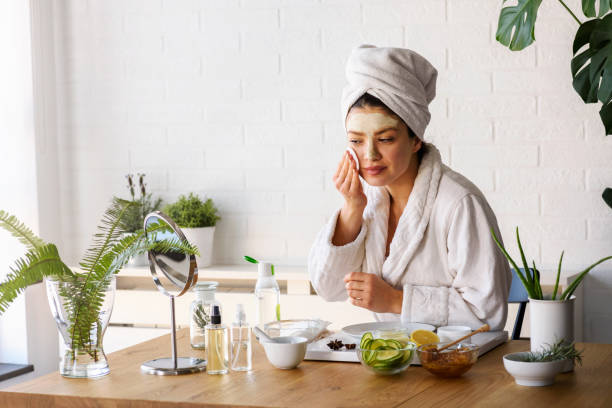
As we enter the world of technology, laser treatments and advanced devices act as saviors for those seeking non-surgical skin rejuvenation treatments. These methods, by precisely targeting skin problems, can achieve incredible results. Lasers produce a wide spectrum of light, each designed for a specific purpose.
For example, Fractional Lasers have very smart technology. Instead of targeting the entire skin surface, they create thousands of microscopic columns of controlled damage in the skin while keeping parts of the skin healthy. This accelerates the healing process significantly. These lasers work wonders for treating acne scars, other scars, deep wrinkles, age spots, and generally improving skin texture and tone. It’s like forcing the skin to build a new, healthier layer.
Then there are other lasers like IPL (Intense Pulsed Light), which are mostly used for treating brown spots, skin redness, spider veins, and brightening the skin. These devices emit light energy in alternating pulses onto the skin, eliminating excess pigments or tiny blood vessels.
In addition to lasers, there are other devices such as Radiofrequency (RF) devices and Ultrasound devices. RF devices stimulate collagen production by generating heat in the deeper layers of the skin, leading to skin tightening and lifting. These work very well for mild to moderate skin laxity, especially in the face and neck areas. Ultrasound devices also target deeper skin layers with focused sound waves, helping to lift and tighten the skin without any incisions.
It is important that these methods are performed by experienced specialists and with standard equipment. Because they are powerful, if not used correctly, they can have side effects. But when done correctly and systematically, they can give you years of youth.
💧 Hyaluronic Acid: A Gift for Hydration and Volume

One of the unsung but incredibly effective heroes in the world of non-surgical skin rejuvenation treatments is definitely hyaluronic acid. Its name might sound a bit scary, but this substance is not an acid that will burn your skin at all! On the contrary, it’s a sugar molecule that naturally exists in our body, especially in the skin, eyes, and joints. Its main job is to attract and retain water. Imagine having a small sponge in your skin that can hold a thousand times its weight in water! This feature makes the skin look fresh, hydrated, and plump.
Unfortunately, with age, the natural amount of hyaluronic acid in the body decreases. The result? The skin becomes drier, fine wrinkles appear, and it loses volume, appearing somewhat loose and saggy. This is where products and treatments containing hyaluronic acid come into play.
Hyaluronic acid is used in various ways for rejuvenation:
1. Dermal Fillers: As I mentioned before, most fillers used for lip and cheek augmentation, filling deep smile lines, and under-eye hollows are hyaluronic acid-based. These fillers are injected as a gel and can instantly restore lost volume and smooth out wrinkles.
2. Mesotherapy: In mesotherapy, hyaluronic acid is sometimes injected along with vitamins and other nutrients into the middle layers of the skin to provide deep hydration and make the skin look fresher.
3. Skincare Products: Creams, serums, and masks containing hyaluronic acid can also help hydrate the skin’s surface and improve its overall appearance, although their effect is not as deep or long-lasting as injectable methods.
One of the best features of hyaluronic acid is its high compatibility with the human body. Because it naturally exists in our body, the likelihood of allergic reactions or rejection is very low. For this reason, it’s a very safe and effective option for those looking for a way to deeply hydrate and restore their skin’s volume.
| Method of Use | Primary Goal | Longevity/Effect |
|---|---|---|
| Dermal Fillers | Volume restoration (lips, cheeks, chin), filling deep wrinkles | 6 months to 2 years (injectable) |
| Mesotherapy | Deep hydration, skin texture improvement, radiance | Several months (requires touch-up sessions) |
| Serums and Creams | Surface hydration, skin softness and smoothness | Daily (temporary and superficial effect) |
| Oral Consumption | Overall skin health, joints | Long-term (indirect effect on skin) |
🎯 Choosing the Best Option: What Treatment is Right for You?
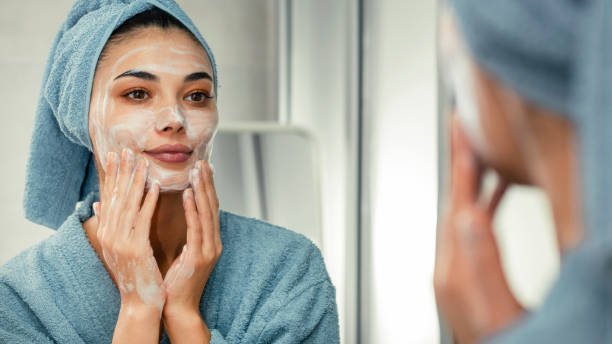
Well, so far we’ve talked a lot about non-surgical skin rejuvenation treatments and seen how diverse the options are. But the main question is: Which one is right for me? To be honest, there’s no absolute “best” that suits everyone. The right choice is completely personal and depends on several important factors.
The first and most important thing is your skin’s primary concerns and issues. Are you bothered by dynamic wrinkles on your forehead? Then Botox might work. If your smile lines have deepened or you feel your cheeks have lost volume, filler is a good option. Sun spots and dull skin? Laser or microdermabrasion can help. Mild skin laxity? RF or Ultrasound devices should be considered. If you suffer from acne scars or other scars, microneedling or fractional laser are strong options.
The second factor is your age and skin type. Younger skin usually needs lighter, more preventive treatments, while older skin may require a combination of several methods or deeper treatments. Skin type (dry, oily, combination, sensitive) is also very important in choosing the method and even the type of products used.
The third factor is the level of your realistic expectations. Non-surgical treatments work great, but none of them perform miracles or make you 20 years younger. The goal is to improve the skin’s appearance, freshness, and vitality. It’s important to have reasonable expectations and enjoy small, gradual results.
Fourth, your budget and the required recovery time. Some methods, like laser, require a few days of care and sun avoidance, while Botox or fillers prepare you for continuing life almost immediately after injection. Costs also vary and should align with your budget.
And finally, the most important step is consultation with a dermatologist. An experienced doctor can examine your skin, diagnose your problems, and design the best and safest treatment plan for you based on all these factors. This is where the importance of Kian Derm Clinic and its specialized team becomes clear, as they can guide you towards the right options.
⚠️ Important Tips Before, During, and After Non-Surgical Treatments

You might think that because these methods are non-surgical, you don’t need to be very careful. But that’s a mistake! Even with non-surgical skin rejuvenation treatments, following tips before, during, and after treatment has a significant impact on the final result, safety, and reduction of side effects. This way, you can ensure that you haven’t wasted your money and time.
Before Treatment:
1. Choosing a reputable clinic and doctor: This is the most important step. Make sure you choose a specialized and experienced doctor. Reputable clinics like Kian Derm, with their experienced team and use of standard materials and equipment, provide this assurance.
2. Thorough consultation: Before doing anything, be honest with your doctor and disclose all your medical history, medications you are taking (even supplements), and your expectations. If you have any specific conditions (such as diabetes, heart problems, or allergies), be sure to inform them.
3. Discontinuing certain medications: Your doctor may ask you to avoid taking blood-thinning medications like aspirin, ibuprofen, vitamin E, and omega-3 supplements a few days before treatment to reduce the risk of bruising.
4. Avoiding alcohol and smoking: Try to avoid alcohol and smoking for at least 24 to 48 hours before treatment, as they can slow down the healing process.
During Treatment:
1. Your comfort: If you feel any pain or discomfort, be sure to inform the doctor. Topical anesthetic creams are usually used.
2. Be patient: Some treatments may take a little time. Stay calm.
After Treatment:
1. Follow your doctor’s instructions: This part is crucial. Your doctor may advise you to use cold compresses, or not to massage your face in a certain way, or to avoid makeup for a while.
2. Sun protection: After many non-surgical skin rejuvenation treatments, the skin becomes more sensitive. Regular use of high SPF sunscreen, a hat, and sunglasses is essential.
3. Avoid manipulation: As much as possible, do not touch the treated area and avoid excessive pressure or vigorous massage.
4. Follow-up: If you experience any unexpected side effects such as severe redness, excessive swelling, unusual pain, or signs of infection, contact your doctor immediately. Following these tips ensures the best results and minimal complications.
Are you seeking comprehensive care for your skin concerns or advanced aesthetic enhancements? Kian Derm offers expert medical dermatology alongside premium cosmetic services, ensuring personalized treatment plans for optimal results.
✅ Integrated medical and aesthetic solutions
✅ State-of-the-art treatments
✅ Experienced specialists
Discover your best skin today.
🌿 Complementary Care and Sustaining Skin Youth

Well, you know that non-surgical skin rejuvenation treatments act somewhat like boosters, but if we want to maintain their results for a long time and keep our skin consistently fresh, we need to adopt a comprehensive and ongoing approach. It’s not a one-time treatment and then it’s over. It’s a long-term commitment to ourselves and our skin.
The first and most important step is daily skincare. A regular routine including cleansing, toning, antioxidant serums (like Vitamin C), moisturizer, and of course, sunscreen! Believe me, sunscreen is the most critical part of this equation. It should be used even on cloudy days or when you’re at home, because harmful sun rays can penetrate windows and damage the skin. This routine acts like a protective shield, preventing environmental factors from undoing the efforts of professional treatments.
Next, nutrition and lifestyle also play a key role. A diet rich in colorful fruits and vegetables, which are full of antioxidants, can protect skin cells from free radical damage. Drinking enough water to maintain skin hydration from within, and avoiding sugar and unhealthy fats that can damage collagen, are very important. Regular exercise improves blood circulation and helps oxygenate skin cells. And sufficient sleep is essential, as the skin repairs and regenerates itself overnight.
Stress, too, is a silent killer of beauty. Meditation, yoga, spending time with friends, or anything that brings you peace can help your skin health. These may seem small, but in the long run, their effects will show. And finally, don’t forget regular visits to a dermatologist. Even if you don’t have any problems, a simple check-up can prevent potential issues. The doctor can monitor your skin’s progress and, if needed, suggest booster or periodic treatments to maintain your skin’s youth and freshness for a longer period. It’s somewhat like maintaining a garden; it needs regular care.
| Question | Answer |
|---|---|
| 1. Are non-surgical skin rejuvenation treatments painful? | Most of these treatments involve minimal pain, and topical anesthetic creams are usually used for greater comfort. |
| 2. How long do the results of non-surgical treatments last? | Longevity depends on the type of treatment. Some, like Botox, last 3 to 6 months, and fillers last 6 months to 2 years. Others require maintenance sessions. |
| 3. Do these treatments have side effects? | Yes, like any medical procedure, mild side effects such as redness, swelling, bruising, or temporary sensitivity at the treatment site may occur, which usually resolve within a few days. Serious complications are rare but require consultation with a physician. |
| 4. What is the appropriate age to start rejuvenation treatments? | There is no specific age to start. Some treatments are used for prevention at younger ages (late 20s or early 30s), and others for addressing deeper issues at older ages. Consulting a doctor is the best guide. |
| 5. Can multiple non-surgical treatments be combined? | Yes, in many cases, combining several methods such as Botox and fillers or microneedling and PRP can yield better results. This decision is made by a specialized doctor based on your needs. |
| 6. How do I choose the best clinic for these treatments? | Look for a clinic with specialized and experienced doctors, up-to-date and standard equipment, and positive patient reviews. Initial consultation and reviewing portfolios are also helpful. |
| 7. Do I need special care before or after the treatment? | Yes, your doctor will provide specific instructions for before (e.g., stopping blood-thinning medications) and after (e.g., avoiding sun exposure, using sunscreen) the treatment, which are essential for better results. |
| 8. Can these treatments replace surgery? | For mild to moderate problems, yes. However, for severe skin sagging or very deep issues, surgery might be the only effective solution. Non-surgical treatments are primarily used for prevention, maintenance, and minor improvements. |
| 9. What is the main difference between Botox and fillers? | Botox is used to reduce wrinkles caused by muscle movement (e.g., frown lines), while fillers are used to fill static wrinkles, add volume, and correct shape (e.g., lips and cheeks). |
| 10. Are non-surgical skin rejuvenation treatments also suitable for men? | Absolutely. Many men also seek these treatments to improve the appearance of wrinkles, address skin sagging, and achieve a fresher look. The treatment approach for men is also personalized. |
And other services provided by Kian Derm Clinic include
• General dermatology consultation
• Urgent dermatological care
• Second opinion dermatology consultation
• Annual skin check-up
• Customized skincare regimen development
And dozens of other services in the fields of skin, beauty, and medical treatments
Skin | Hair | Beauty | Nails
Tired of manual data entry errors? kianderm automates information processes for greater accuracy and less hassle. ✅ Automated data solutions.
Phone: +1 (236) 551-2282
Email: info@kianderm.ca
Address: 1836 Lonsdale Ave, North Vancouver, BC V7M 2J9, Canada