


💡 An Introduction to Hair Loss and the Need for Effective Treatments
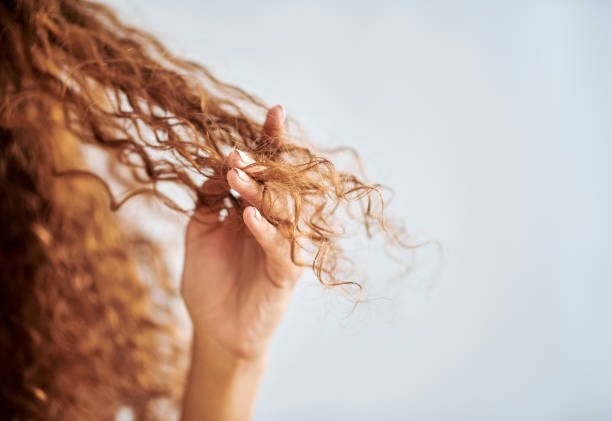
# Well, look, hair loss is not something that can be easily dismissed; for many, this issue is not just a cosmetic change, but directly impacts their self-confidence and even their quality of life. Who wants their hair to thin or go bald? No one! For years, people have been looking for ways to prevent this, or even to restore their lost hair. The market is full of shampoos, lotions, pills, and a thousand different claims, but honestly, not all of them work miracles as much as they are advertised. Sometimes you have to look much deeper into the matter and seek methods that have scientific roots and actually work.
Why hair falls out can have a thousand and one reasons; from genetics and hormones to stress, poor nutrition, or even certain diseases. Whatever the reason behind it, it brings with it a feeling of despair. This is exactly where medical science, especially dermatology, steps in to provide real solutions. Among these, PRP therapy for hair loss is one of those innovative and relatively popular methods that has a lot to say.
Today, we are going to talk a little about this method and see how it compares to other treatments. We are not just going to talk about its good points; we want to take a comprehensive and unbiased look so that you can judge for yourself and make an informed choice for your hair. The goal is to provide you with accurate information, information that is neither based on advertising nor on rumors. We want to guide you so that in this crowded market, you don’t get confused and find the best option for your specific situation. So if you are looking for a solution and are undecided between different options, you’ve come to the right place. Let’s start together to discover this complex and promising world of hair loss treatments.
🔬 The Concept and Mechanism of PRP in Hair Strengthening
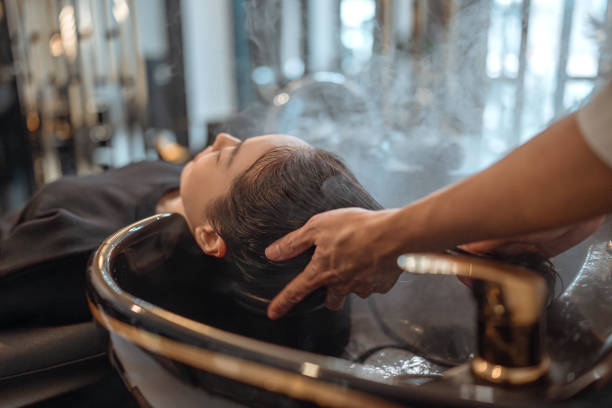
Alright, let’s see what this PRP therapy for hair loss that has caused so much buzz actually is and how it works. PRP stands for “Platelet-Rich Plasma.” Platelets, these small particles in our blood, play a key role in wound healing and tissue regeneration. Remember when you get a cut on your hand, how the blood clots and then slowly new skin grows over it? All of this is the work of platelets.
But how do these platelets help hair? The story is that platelets are full of various growth factors. These growth factors act like powerful messengers that tell cells to start repairing, multiplying, and regenerating. When we inject these enriched platelets directly into the scalp, it’s like giving a lot of fuel and energy to the hair follicles. This injection stimulates stem cells in the hair follicle area, improves blood flow to that region, and ultimately helps new hair grow and existing hair become stronger. It’s like sparking a dormant engine of the follicles!
The process is not that complicated either. First, they take a small amount of blood from you, just like a regular blood test. Then this blood is placed in a device called a centrifuge. This device spins at a very high speed, separating the different components of the blood based on their weight. This way, the platelet-rich plasma is separated from other components like red and white blood cells, resulting in a clear yellow liquid called PRP.
Next, this prepared PRP is injected with very fine needles into specific areas of the scalp that are experiencing hair loss or thinning. This must be done carefully and by a specialist to achieve the best results. The entire process, from drawing blood to injection, usually takes about an hour. Since the patient’s own blood is used, the risk of allergic reactions or infection is very low, which is a big advantage, isn’t it? In fact, PRP method is considered a completely natural and safe approach to combating hair loss.
Are you looking for a single destination for both medical and aesthetic skin care? kianderm offers a seamless integration of services, providing comprehensive solutions from chronic condition management to cosmetic enhancements.
✅ Integrated medical and cosmetic care
✅ Holistic approach to skin wellness
✅ Convenience of diverse expert services
Experience the kianderm difference today!
💊 PRP vs. Minoxidil and Finasteride
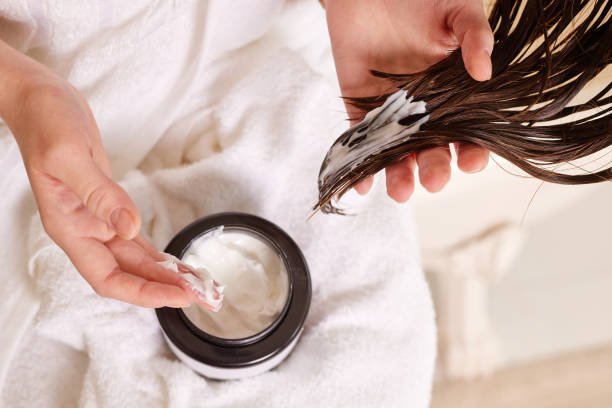
Okay, now that we know what PRP therapy for hair loss is, let’s see how it compares to the most famous and oldest medicinal treatments: Minoxidil and Finasteride. These two drugs have been considered the first line of hair loss treatment for years, and many people are familiar with them.
You might have heard of Minoxidil by the name “Rogaine.” This drug is used as a topical solution or foam and works by dilating the blood vessels in the scalp. This vasodilation increases blood flow to the hair follicles, allowing the hair to receive more nutrients. The result is the growth of new hair and the strengthening of existing hair. The good thing is that it can be used by both men and women, but it needs to be applied daily, and usually, as soon as it’s stopped, hair loss returns.
Finasteride (or Proscar and Propecia) has a slightly different story. This drug is taken orally as a pill and is only for men. Finasteride works by reducing the level of the hormone DHT (dihydrotestosterone) in the body. DHT is one of the main culprits of androgenic alopecia (male pattern baldness). By reducing this hormone, hair loss is controlled, and in some cases, even hair regrowth is observed. However, like Minoxidil, Finasteride requires a lifelong commitment and can have some side effects, such as decreased libido.
Now, where does PRP treatment fit into this? PRP is a completely natural approach because it uses your own blood. Its side effects are much fewer and limited to bruising or minor pain at the injection site. The important point is that PRP targets the root of the problem and stimulates hair follicles to regenerate, while Minoxidil focuses more on blood flow and Finasteride on hormone levels.
Let’s compare these three methods in a table:
| Feature | PRP (Platelet-Rich Plasma) | Minoxidil | Finasteride |
|---|---|---|---|
| Type of Treatment | Injectable (from patient’s own blood) | Topical (solution/foam) | Oral (pill) |
| Mechanism of Action | Stimulates follicles with growth factors | Increases blood flow to follicles | Reduces DHT levels |
| Need for Continuity | Initial course, then maintenance sessions | Daily and lifelong | Daily and lifelong |
| For Whom? | Men and Women | Men and Women | Men only |
| Side Effects | Minimal (bruising/pain at injection site) | Itching, scalp irritation | Decreased libido, erectile dysfunction |
You see that each of these has its own strengths and weaknesses. Choosing the best method truly depends on your individual circumstances and, of course, the specialist’s opinion.
💇♀️ PRP and Hair Transplant: Differences and Synergy
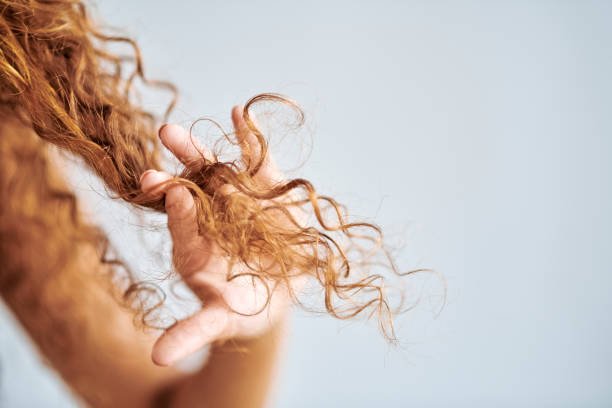
Here’s a very important point that confuses many people: What is the difference between PRP hair loss treatment and hair transplant? And can these two methods actually complement each other? Let me tell you frankly: these two methods are completely different, but yes, in some situations, they can work hand-in-hand and create fantastic results.
Hair transplant, as its name suggests, is a surgical procedure. In this method, healthy hairs are removed from one part of your head (usually the back or sides, called the donor area) and meticulously transplanted into areas where hair has fallen out and become bald. This method is good for people who completely lack hair follicles in those areas or whose follicles are completely dead and there is no hope for their growth. This means if a part of your head is completely bald, a hair transplant can work wonders and fill it with hair again. The result is also permanent, because the transplanted hairs are genetically resistant to hair loss.
But PRP is a different story. PRP is mostly used to strengthen existing follicles or revitalize follicles that are not completely dead yet and are just weakened. This method wakes up dormant and underperforming follicles and gives them new life. For people experiencing hair thinning, diffuse hair loss, or even those whose hair has become thin and dull, PRP treatment can be very effective. This method is non-surgical and has no specific recovery period.
Now we come to the synergy part. Often, specialists recommend PRP sessions after a hair transplant. Why? Because PRP can help faster healing of post-transplant wounds, reduce shock hair loss in transplanted hairs, and most importantly, cause newly transplanted follicles to grow faster and stronger. It’s like after building a new home for them, you give them a lot of good fertilizer and water with PRP to help them take root better. This combination helps both the survival of transplanted grafts and improves the quality of new hair growth.
In short, if your scalp is completely bald and there are no follicles, you should consider a hair transplant. But if your hair is thinning, sparse, or you want your transplanted hair to grow better, PRP for hair is an excellent option. Sometimes these two together yield the best results and give you a head full of healthy, natural hair.
🧪 PRP vs. Hair Mesotherapy
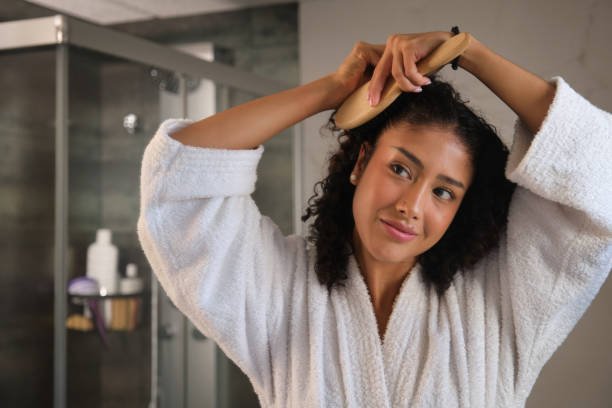
Another method that often comes up alongside PRP and is sometimes confused with it is hair mesotherapy. So, what’s the difference between these two, and which one might be more suitable for you? Let me explain so you can fully understand the situation.
Hair mesotherapy, like PRP therapy for hair loss, is an injectable method. However, what is injected is completely different. In mesotherapy, a specialist injects a cocktail (a mixture) of vitamins, minerals, amino acids, enzymes, and sometimes specific medications, with very fine needles superficially into the scalp. The goal is to deliver these nutrients directly to the hair follicles and improve blood circulation in that area. It’s like giving your plant a special food to help it thrive.
These cocktails can vary depending on each individual’s needs and the doctor’s opinion. For example, for someone with a vitamin deficiency, there might be more B vitamins, or for someone who needs hair growth stimulation, synthetic growth factors or substances like biotin might be added.
Now let’s go back to the PRP method. As I mentioned earlier, in PRP, we use your own blood and inject platelet-rich plasma, which is full of your body’s natural growth factors, into your scalp. These growth factors not only deliver nutrients to the follicles but also stimulate regeneration and repair mechanisms at the cellular level. So, PRP is essentially compelling the body to repair itself and grow its hair, while mesotherapy plays more of a “supplementary boosting” role.
In terms of side effects, both methods are relatively safe. In mesotherapy, there might also be some bruising or minor pain at the injection site. But in nature, PRP is completely natural and from your own body, while mesotherapy involves synthetic substances or external compounds.
Which is better? Well, this really depends on the severity and type of hair loss, your overall health, and of course, the opinion of a specialist doctor. Often, these two methods can also be used in combination to achieve better results. For example, perhaps PRP treatment is done first to fully activate the follicles, and then mesotherapy supports this activation with nutrients. Both methods can be beneficial for those suffering from androgenic alopecia (hereditary hair loss) or diffuse hair loss, but their depth of effect and stimulation mechanisms differ.
Does your skin need a personalized touch? kianderm tailors every treatment plan to your unique concerns and goals.
✅ Custom solutions for every patient
✅ Blending medical and cosmetic care
✅ Your satisfaction is our priority
Connect with kianderm for tailored care.
🌿 Traditional and Complementary Methods: A Look at Past and Present
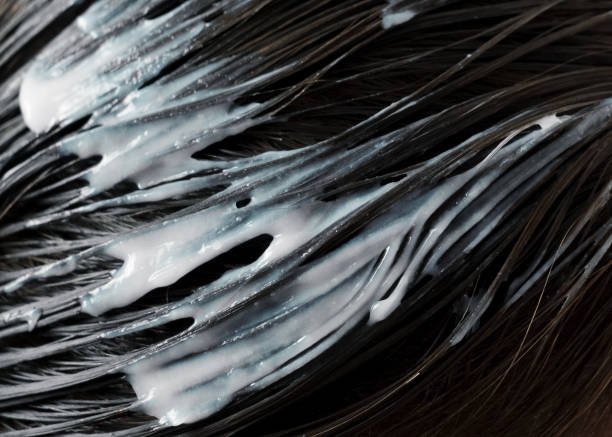
Let’s take a moment away from the world of medical science and technology and also look at the traditional, home, or complementary methods that have always existed for hair loss in different cultures. Well, to be honest, since ancient times, when there was no news of PRP hair loss treatment or chemical pills and solutions, people took matters into their own hands and tried to solve the problem of hair loss with things found in nature.
For example, remember oils like coconut oil, olive oil, castor oil, or almond oil? Many still believe that massaging the scalp with these oils can help strengthen hair. Some also turned to plants like rosemary, nettle, aloe vera, or henna and used their extracts or powders for washing or hair masks. In our traditional medicine, combinations like egg yolk with honey or onion were also suggested for strengthening hair.
Today, many people also turn to nutritional supplements. Supplements like biotin, zinc, iron, vitamin D, and B vitamins are very popular. These can be beneficial for those who have nutritional deficiencies and whose hair loss is due to these deficiencies. But if hair loss has a genetic or hormonal root, consuming these supplements might only strengthen the hair a bit, but it won’t stop the actual hair loss.
Now, how do these methods compare to PRP for hair? Well, the main difference is that traditional and complementary methods usually have a much milder and, in some cases, unpredictable effect. That is, it might work for one person but not for another, and often requires long-term patience and follow-up to see any change. The scientific and confirmed effectiveness of these methods is also much less than medical treatments.
PRP, relying on science and cellular regeneration mechanisms, acts much more powerfully and targeted. The growth factors present in PRP essentially provide a start code for regeneration to the follicles, something less expected from oils or supplements. Of course, this doesn’t mean a complete rejection of traditional methods. Sometimes, a healthy diet and the use of natural products alongside PRP treatment can contribute to the overall health of hair and scalp. But for serious hair loss treatment, relying solely on traditional methods may not give you the results you expect.
👍👎 Pros and Cons of PRP: An Unbiased Review
No treatment is perfect and flawless, not even PRP therapy for hair loss. To make an informed decision, it’s important to know both its strengths and weaknesses. Let’s take an unbiased look at the pros and cons of this method.
Advantages:
۱. Natural: The biggest advantage of PRP is that it uses the patient’s own blood. This means the risk of allergic reactions, infection, or disease transmission is virtually zero. Your body does not react to any foreign chemicals or drugs.
۲. Minimal side effects: Side effects are usually very few and include slight pain, bruising, or swelling at the injection site, which usually subsides within a few days. There are no systemic side effects like those seen with finasteride.
۳. Effectiveness: Many studies have shown PRP’s effectiveness in stimulating hair growth, reducing hair loss, and increasing hair thickness, especially for androgenic alopecia and alopecia areata.
۴. Non-surgical method: PRP is an outpatient procedure, requiring no general anesthesia or incisions. This means there’s no specific recovery period, and you can return to your daily activities immediately after the session.
۵. Improved hair quality: Even if you don’t experience significant new hair growth, PRP can make your existing hair appear stronger, thicker, and healthier.
Disadvantages:
۱. Cost: Well, PRP treatment is usually not covered by insurance and can be expensive, especially given that multiple initial sessions and then maintenance sessions are needed to see desired results.
۲. Needs multiple sessions: Usually, one session is not enough. Initially, 3 to 4 sessions are needed at specific intervals (e.g., every 4 to 6 weeks), and then annual maintenance sessions are required to maintain the results.
۳. Variable results: The effectiveness of PRP can vary from person to person. Factors such as the severity of hair loss, age, overall health, and the quality of the individual’s plasma affect the results.
۴. Ineffectiveness for complete baldness: If hair follicles are completely dead and complete baldness has occurred, PRP cannot work miracles. In such cases, hair transplant is a more suitable option.
۵. Mild discomfort: Injections can be a little painful, although local anesthesia is usually used to minimize discomfort.
Here’s a summary of the pros and cons of the PRP method in a table to help you remember it better:
| Advantages | Disadvantages |
|---|---|
| Uses natural body substances (patient’s own blood) | Relatively high cost (not covered by insurance) |
| Minimal side effects and allergic reactions | Requires multiple initial treatment sessions |
| Non-invasive and outpatient procedure | Results can vary from person to person |
| Effectiveness in stimulating growth and strengthening hair | Ineffective for complete baldness and dead follicles |
| Overall improvement in hair quality and thickness | Possible mild discomfort during injection |
It is important that before making any decision, you consult with a dermatologist to determine if PRP is suitable for your condition.
🏥 The PRP Treatment Process in Reputable Clinics
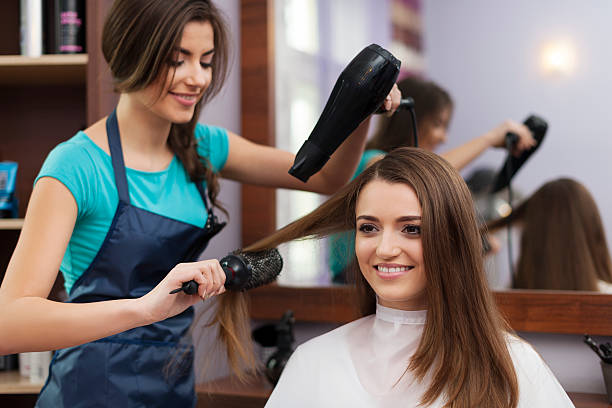
Alright, so far we’ve talked about PRP therapy for hair loss and compared it with other methods, but do you know exactly what happens in a specialized clinic like Kian Derm? This is the most important part of the story, because the quality and precision of the process directly impact the result.
The first step, and perhaps the most important, is a detailed consultation session with a dermatologist. This is where the doctor examines your hair loss condition, asks about your medical history, and determines whether you are even a good candidate for PRP treatment. This stage is like a roadmap; if it’s drawn correctly, the rest of the path will be smoother.
After consultation and confirmation, it’s time for the PRP process itself, which usually involves several stages:
۱. Blood sampling: Like a regular blood test, a small amount of your blood (usually about 10 to 20 milliliters) is drawn from your arm. This is done in a completely sterile manner and in compliance with all hygiene protocols.
۲. PRP separation: The collected blood is immediately transferred to a centrifuge machine. This machine spins the blood at high speed, causing its different components to separate based on their density. This process takes about 10 to 15 minutes, and finally, platelet-rich plasma (that magical PRP!), which has a clear yellow color, is separated from the other blood components.
۳. Scalp preparation: Before injection, your scalp is cleaned with an antiseptic solution, and local anesthesia may be used to minimize any discomfort. This makes the injections largely painless.
۴. PRP injection: Now it’s time to inject the platelet-rich plasma into the targeted areas of the scalp. The specialist uses very fine needles to inject the PRP in specific points at an appropriate depth into the scalp, with regular intervals. This stage usually takes about 15 to 30 minutes.
After the injections are complete, you might experience some redness or minor swelling on your scalp, which is normal and usually disappears within the first 24 to 48 hours. The specialist will give you post-treatment care instructions; for example, not to wash your hair for several hours or what products to avoid.
Remember, choosing a reputable clinic and a specialized team, like Kian Derm’s expert team, with sufficient experience in this field and using standard equipment, is paramount. Because the quality of PRP extraction and the precision of injection have a significant impact on the success of the PRP method.
🎯 Who is a Suitable Candidate for PRP Treatment?
Okay, we’ve come to a very important question: Who exactly is PRP therapy for hair loss good for? Can anyone experiencing hair loss use this method? The answer is no, not every treatment is suitable for everyone, and PRP is no exception. Determining whether you are a suitable candidate is only possible through examination and consultation with a dermatologist.
However, generally, PRP can be very effective for the following individuals:
۱. Individuals with androgenic alopecia (male or female pattern hair loss): This is the most common type of hair loss, occurring due to genetic and hormonal factors. PRP can help strengthen weakened follicles and stimulate hair growth in these individuals.
۲. Individuals with thinning hair: If your hair has gradually become thin and dull and lost its volume, PRP can help increase thickness and improve overall hair quality by strengthening the follicles.
۳. Those with diffuse hair loss or alopecia areata (patchy hair loss): In the early stages of these conditions, PRP can help stimulate hair regrowth.
۴. After hair transplant: As mentioned earlier, PRP can help increase the survival of transplanted grafts and stimulate faster and stronger growth of new hair.
۵. Those seeking a natural method with minimal side effects: Since PRP uses the patient’s own blood, it’s an excellent option for individuals who prefer not to use chemical drugs or undergo surgery.
But who should not consider the PRP method?
۱. Individuals with complete baldness: If hair follicles are completely dead and there’s no hope for their revival, PRP cannot generate new hair. In these cases, hair transplant is the only solution.
۲. Specific medical conditions: Individuals with blood disorders such as clotting problems, active infections, cancer, certain autoimmune diseases, or those taking blood thinners are generally not suitable candidates.
۳. Pregnant or breastfeeding women: During these periods, it is usually recommended to avoid any non-essential cosmetic treatments.
Always consult with your doctor before starting PRP for hair to ensure that this method is safe and effective for you.
Dreaming of a youthful, radiant complexion? kianderm offers premium cosmetic and aesthetic services to enhance your natural beauty.
✅ Botox and dermal filler expertise
✅ Laser and PRP for skin rejuvenation
✅ Tailored plans for optimal results
Schedule your kianderm consultation today!
🌟 Informed Decision-Making: Choosing the Best Solution for You
Well, we’ve reached the end of our journey in the world of hair loss treatments. After taking a deep dive into PRP therapy for hair loss and comparing it with other methods, one thing should be very clear to you: there is no such thing as a “best” solution for hair loss; rather, the “most suitable” solution for each individual, considering their specific circumstances, is what matters.
Remember, hair loss is a complex phenomenon, and like a fingerprint, it has its own unique story and reason for each person. Minoxidil might work wonders for one, Finasteride for another, and PRP treatment for yet another. You can never say which method will yield the best results for you without a thorough examination and accurate diagnosis.
It’s important not to fall for exaggerated advertisements and always seek credible sources and experienced specialists. This means you should take the time to research, inquire, and definitely consult with a skilled and compassionate dermatologist. A good doctor considers all aspects; from your overall health and the type of hair loss to your budget and realistic expectations from the treatment.
Sometimes, a combination of methods might yield the best results. For example, your doctor might recommend trying PRP alongside a topical solution or even changes in your diet and lifestyle. It’s like a puzzle where different pieces need to be put together to complete the picture.
What is clear is that PRP for hair, as one of the advanced and scientifically backed methods, has found a special place in hair loss treatments. This method is an excellent option for those seeking a natural, minimally invasive, and effective solution to strengthen hair follicles and regrow their hair.
Ultimately, the only thing I can tell you is: be proactive! Fight for your hair, but with knowledge and awareness. Take your time, ask questions, and don’t let despair prevent you from finding the right solution. A life with healthy, voluminous hair is definitely worth the effort. Trust yourself and the expertise of doctors.
| Question | Answer |
|---|---|
| Is PRP painful? | Local anesthesia is usually used before the injection. Therefore, discomfort and pain are minimized, and most patients only experience slight pressure or mild stinging. |
| How many PRP sessions are needed? | Initially, usually 3 to 4 sessions are recommended at intervals of 4 to 6 weeks. After that, to maintain results, a maintenance session may be needed every 6 to 12 months. |
| When are PRP results visible? | Initial results may be observed after 3 to 6 months (after completing the initial sessions). Full hair growth and improved hair quality usually take 6 to 12 months. Patience and follow-up are very important. |
| Are PRP results permanent? | No, PRP results are not permanent. Due to the progressive nature of hair loss, periodic maintenance sessions are required to preserve the results. |
| Can PRP completely stop hair loss? | PRP can significantly reduce hair loss and stimulate hair growth, but it usually cannot completely and permanently stop it, especially in cases of hereditary hair loss. |
| Is PRP effective for all types of hair loss? | PRP is most effective for androgenic alopecia (male and female pattern hair loss) and alopecia areata (patchy hair loss) in the early stages. It may not be effective for complete baldness or hair loss caused by specific diseases. |
| Are there any age restrictions for PRP? | No, there are no specific age restrictions, but its effectiveness may be greater in younger individuals who have more active hair follicles. Consultation with a doctor is essential. |
| Can PRP be combined with other treatments? | Yes, PRP is often combined with other treatments such as minoxidil, finasteride, or even after hair transplant to achieve better results. Your doctor will recommend the best combination. |
| What post-PRP care is necessary? | It is usually recommended to avoid washing hair for 24 hours, not to use tight wigs or hats, and to refrain from strenuous activities and excessive sweating. Your doctor will provide detailed instructions. |
| How can I find a good clinic for PRP? | Look for clinics that have experienced dermatologists, use standard and sterile equipment, and have a good track record in aesthetic and dermatological treatments, such as Kian Derm. |
And other services provided by Kian Derm Clinic include
• Thread lift (PDO threads)
• Non-surgical nose job (filler rhinoplasty)
• Tear trough filler
• Temple filler
• Hand vein camouflage
And dozens of other services in the fields of skin, beauty, and medical treatments
Skin | Hair | Beauty | Nails
Is your intellectual property protected? kianderm manages your vital IP information with utmost care. ✅ Secure IP documentation.
Phone: +1 (236) 551-2282
Email: info@kianderm.ca
Address: 1836 Lonsdale Ave, North Vancouver, BC V7M 2J9, Canada