


💡 Introduction: From Dream to Reality on the Path to Hair Loss Treatment with PRP at Kian Derm
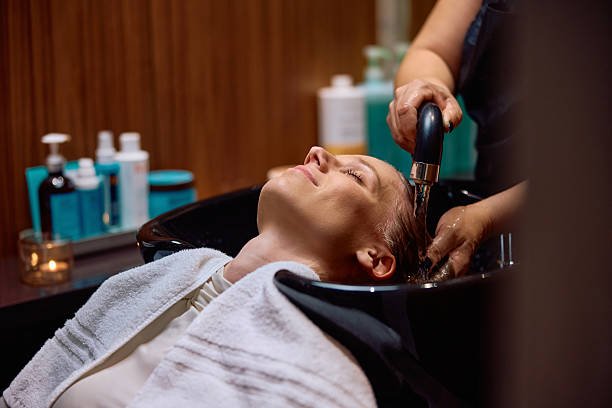
Well, hair loss, this unwelcome companion that many of us face, can severely undermine one’s self-confidence. You know, it’s like an important part of one’s identity is stripped away and falls off, isn’t it? We’ve always been searching for a solution, something that truly works. Amidst all this, various treatments have come and gone, but one, in particular, has gained a lot of traction recently: PRP hair loss treatment, or Platelet-Rich Plasma.
But, like any new and exciting thing, PRP is surrounded by stories and rumors that sometimes leave people utterly confused. Some call it a miracle, others say it’s a waste of money. What’s the truth? At Kian Derm Clinic, where we’ve been active in the field of skin, hair, and beauty for years, we’ve seen how crucial it is to clear up these ambiguities and shed light on the facts. We are here to give you a proper guide; something that gets straight to the point so you can understand what PRP is, what it isn’t, and what realistic expectations you should have from it. This way, you won’t fall for those baseless tales.
The goal of this article is to come together and examine these common myths one by one, and with the knowledge and experience of Kian Derm specialists, arrive at the realities. After all, when it comes to your health and beauty, having accurate and reliable information is paramount. So, let’s embark on this journey of discovery and unveil the secrets of PRP hair loss treatment. Are you ready?
🔬 What Exactly Is PRP and How Does It Fight Hair Loss? A Simple Look at the Science Behind It
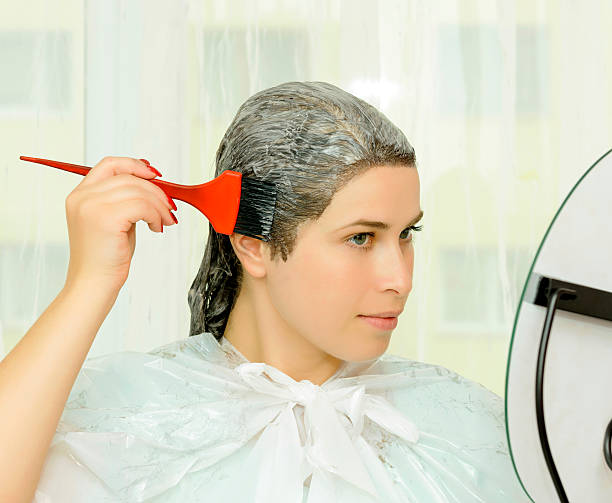
Okay, before we get into the myths, it’s essential to understand what PRP is and where it comes from. You know, sometimes these complicated-sounding names can be intimidating, but the process is simpler than you might think. PRP stands for “Platelet-Rich Plasma.” Now, what does that mean?
Look, our blood is made up of different components: red blood cells, white blood cells, platelets, and plasma. Platelets, these tiny and clever cells, play a central role in blood clotting and wound healing. But their story doesn’t end there. These platelets are full of a multitude of Growth Factors that, like a small orchestra, signal cells to regenerate and repair.
In PRP treatment for hair loss, we use this natural ability of your body. First, a small amount of blood is drawn from you, just like a regular blood test. Then, this blood is placed in a specialized device called a centrifuge. This machine spins at a very high speed, causing the different components of the blood to separate. The result is a golden liquid in which the concentration of platelets is several times higher than in normal blood. This is our PRP!
Now, this golden liquid is injected with very fine needles precisely into the areas of your scalp that are experiencing hair loss or where hairs have weakened. These growth factors, when they enter the scalp, send a strong signal to the hair follicle cells. Signals to wake up, repair, and begin the growth phase. This is how PRP can help strengthen existing follicles, prevent further hair loss, and even stimulate the growth of new hair. Simple and natural, using your body’s own healing power. That’s how interesting it is!
Desire a glowing, flawless complexion? kianderm’s cutting-edge aesthetic treatments are tailored to refine your skin, providing remarkable improvements in texture and tone.
✅ Microneedling and PRP therapy for collagen induction and regeneration
✅ Mesotherapy for targeted nutrient delivery to revitalize skin
✅ Laser treatments for pigmentation and vascular concerns for clarity
Achieve your skin goals at kianderm!
🚫 Myth One: PRP is a Miracle Cure for All Types of Hair Loss!
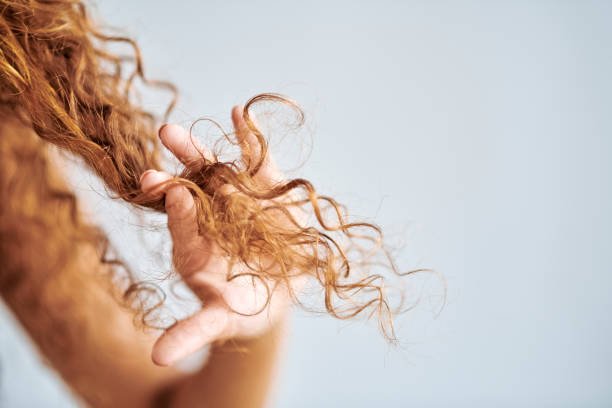
This is one of those myths that, unfortunately, is heard very often and creates unrealistic expectations. Many people think PRP is a magic wand that cures every type of hair loss, from complete baldness to severe hormonal hair loss, overnight. But, the reality is a bit more complex than that.
I must say that PRP is definitely an effective treatment, but not for everyone and not for all types of hair loss. What does that mean? See, PRP works best in conditions where hair follicles are still alive and capable of regeneration, but have merely weakened or gone dormant. This method has mainly shown good results for androgenetic alopecia (or hereditary hair loss in men and women) and some types of alopecia areata (patchy hair loss) or chronic telogen effluvium (diffuse hair loss).
If someone has experienced complete and permanent baldness, where there are no hair follicles left and the skin tissue is completely gone, well, PRP cannot work miracles and create hair from nothing. Here, we are talking about hair transplantation and other methods. That’s why at Kian Derm, before any treatment, we have a thorough consultation and examination session. Because each person’s situation is different, and we need to determine if you are a suitable candidate for PRP treatment or not. Correct diagnosis of the type of hair loss is truly the foundation of the work. Let’s look at this table together to see where PRP works well and where it doesn’t:
| Hair Loss Condition | Is PRP Effective? | Explanation |
|---|---|---|
| Androgenetic Alopecia (Hereditary) | Yes, highly effective | Strengthens weakened follicles, increases hair thickness and density. |
| Alopecia Areata (Patchy Hair Loss) | Yes, effective | Can help with regrowth in active and non-advanced cases. |
| Telogen Effluvium (Chronic) | Yes, effective | Reduces shedding and improves the hair growth cycle. |
| Complete and Permanent Baldness | No, ineffective | Hair follicles are gone and cannot regenerate. |
| Hair Loss due to Chemotherapy | No, usually ineffective | Due to the damaging nature of the primary treatment. |
So, let’s remember, PRP is a powerful tool in the hands of specialists, but not a golden key for all locks. Correct diagnosis is the most important step.
⏳ Myth Two: PRP Results Are Instant and Permanent!
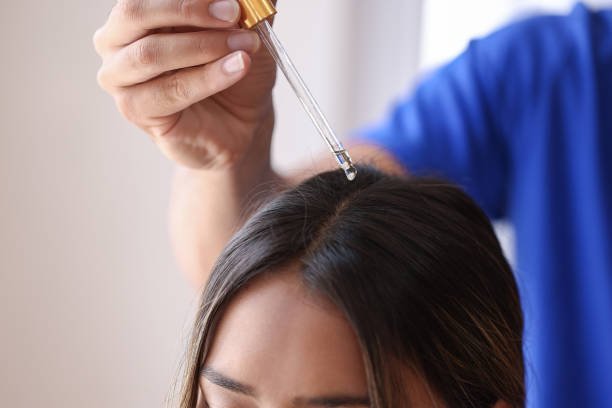
Oh, this one is the absolute peak of unrealistic expectations! Many people think that once they’ve had one PRP session, they’ll wake up the next morning with a head full of thick, shiny hair, and they’ll never need to do anything again for the rest of their lives. If only that were true, right? But unfortunately, science and nature don’t work that way.
PRP hair loss treatment is like planting a tree. You plant the seed, water it, care for it, but you don’t expect it to become a towering tree providing shade tomorrow, do you? The hair growth process is exactly the same. PRP’s job is to stimulate hair follicles to enter the growth phase and produce stronger, healthier hair. This process takes time, and the body needs to regenerate itself.
Typically, the initial and noticeable results of PRP, meaning reduced hair loss and the start of vellus hair growth, begin to show after about 3 to 6 months. And to see the best and most complete results, you need to be patient and usually allow a full year. This gradual process is a sign of the naturalness and effectiveness of the treatment.
Now, regarding the “permanence” of results… this is another major misunderstanding. PRP is not going to cause genetic changes or permanently stop the natural hair shedding and growth cycle. The growth factors from platelets are a temporary stimulant for the follicles. If the root cause of hair loss (e.g., genetics or hormones) is still present, then logically, after some time, the follicles will again need stimulation. That’s why Kian Derm specialists usually recommend maintenance sessions (e.g., once or twice a year) after the initial course of treatment (which typically consists of 3 to 4 sessions at monthly intervals) to preserve the results and continue stimulating hair growth. So, it’s neither instant nor permanent, but a natural process that requires maintenance.
😨 Myth Three: PRP is a Painful and Dangerous Method for Health!
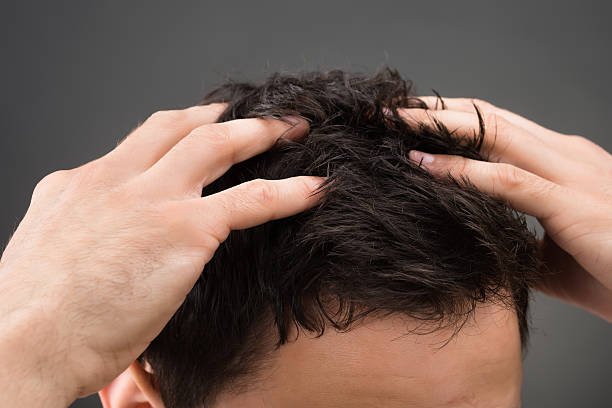
Oh, when I hear this one, it reminds me of old stories where people were terrified of going to the doctor! Many people think PRP is a real torture chamber and full of dangers. To be honest, fear of pain and concern about side effects are completely natural, especially when it comes to injections in the head area. But let me clarify a little.
Regarding pain, I must say that, yes, injections into the scalp can cause some discomfort. But the important point is that in reputable clinics like Kian Derm, we are mindful of this! Before starting the treatment, we thoroughly prepare the injection area with topical anesthetics or sometimes even anesthetic injections. This ensures that you only feel a very mild pressure or tingling during the injection, not excruciating pain. Most of our clients say that the entire process is not as painful as they expected and is tolerable. After the treatment, there may be some mild redness or swelling in the injection area, which usually subsides within a few hours or, at most, a day or two.
Now, about being dangerous. See, because PRP uses your own blood, the probability of allergic reactions or transmission of infectious diseases is almost zero. This is a very big advantage. Serious side effects are very, very rare and are usually limited to bruising, infection (if hygiene is not maintained), or damage to nerves or blood vessels (if injected by unqualified individuals).
That’s why choosing a reputable and experienced treatment center like Kian Derm, which adheres to all hygiene protocols, uses sterile equipment, and has experienced specialists, becomes extremely important. When the work is in the hands of an expert, concerns are greatly reduced, and you can proceed with treatment with greater peace of mind. So, it’s neither a torture chamber nor is anything bad going to happen!
🚨 Myth Four: PRP Results Are the Same Everywhere and Don’t Require Expertise!
Oh my goodness, this one is a catastrophe! When I hear this myth, it truly makes my hair stand on end. Imagine, some people believe that PRP is just a simple injection, like a flu shot, and anyone can do it, and the results are the same everywhere. Well, let me tell you frankly and directly: This way of thinking is not only wrong but can also be dangerous!
PRP treatment for hair loss is a medical procedure that requires knowledge, experience, and specific equipment. Many factors contribute to the success of this treatment, which only a trained specialist can handle:
First and foremost, correct diagnosis: Before anything else, the exact type of your hair loss must be determined. Are you a suitable candidate for PRP? Only a dermatologist can diagnose this.
Second, blood drawing and centrifugation technique: This stage is crucial! The method of drawing blood, the type of PRP kit, and the settings of the centrifuge machine all directly affect the final quality of the platelet-rich plasma. If the platelet concentration is not sufficient, the growth factors will be low, and the desired result will not be achieved. At Kian Derm, we use standard kits and advanced equipment to ensure the quality of the PRP produced.
Third, injection technique: The injection must be performed with high precision and to the appropriate depth of the scalp. Accurate targeting, the correct volume of injection in each area, and adherence to sterilization principles all affect the effectiveness and, of course, the safety of the treatment. An incorrect injection can be both ineffective and cause unwanted side effects.
And fourth, hygiene and sterility: Any negligence in observing hygiene protocols can lead to serious infections. Reputable clinics, like Kian Derm, have a completely sterile environment and use disposable equipment.
So, no dear, PRP, like any other medical treatment, requires expertise, experience, and responsibility. Don’t entrust your health to non-specialists.
🚿 Myth Five: PRP is Just a Simple Injection and Requires No Special Care!
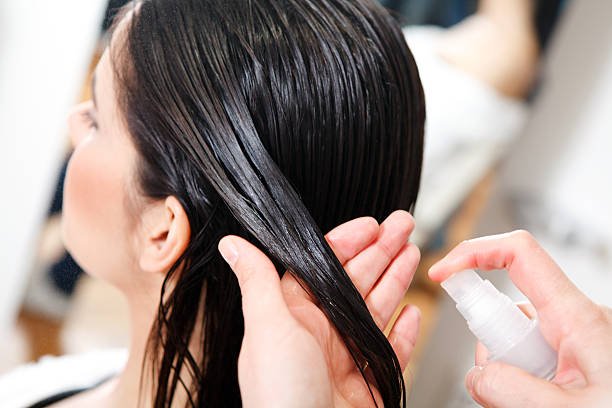
Sometimes, after a treatment, one wishes to leave everything to chance and move on. But in the world of medicine, many treatments require a series of post-care steps for their results to truly manifest. PRP treatment for hair loss is exactly like this, and the idea that no further action is needed after the injection is a big mistake.
The growth factors injected into your scalp with PRP need a suitable environment to perform at their best and activate the hair follicles. If you don’t take these care instructions seriously, some of your efforts and expenses might go to waste.
So, what care is needed?
First of all, after the treatment, it is usually recommended not to wash your hair for 24 to 48 hours. This gives the PRP time to be well absorbed into the scalp tissue and exert its effect. After that, it’s best to use mild, sulfate-free shampoos.
Second, you should avoid intense physical activities that cause excessive sweating for a day or two. Sweating can irritate the scalp and even lead to some of the injected material being expelled.
Third, for a few days, avoid saunas, jacuzzis, swimming pools, and any environment that increases the risk of infection.
Fourth, it is usually recommended to avoid coloring your hair or using strong chemical products on your head for several weeks after the treatment.
And finally, your doctor at Kian Derm might prescribe specific supplements such as vitamins or minerals to boost hair growth. Regular intake of these supplements can also help improve PRP results.
In essence, post-PRP care completes the treatment’s work and ensures you get the most benefit from this method. So, don’t underestimate this stage!
👫 Myth Six: PRP is Only for Men! / Or Only for Women!

How interesting! This is another one of those baseless categorizations that has no scientific foundation. Some people think PRP is a kind of “masculine” treatment or, conversely, “feminine,” and has no effect on the opposite gender. Well, this view is completely wrong and is one of those common but incorrect beliefs.
The truth is that PRP hair loss treatment is effective for both men and women and can yield very good results.
Androgenetic alopecia (or hereditary hair loss), which is the most common type of hair loss, occurs in both men and women. Of course, the pattern and severity of hair loss may differ by gender; for example, in men, it is more often seen as a receding hairline or thinning at the crown, and in women, it usually manifests as diffuse thinning and reduced volume throughout the scalp. But in both cases, the primary mechanism involves the sensitivity of hair follicles to androgen hormones, which causes the follicles to weaken and miniaturize.
The growth factors present in PRP generally stimulate hair follicles, regardless of whether these follicles are on a man’s or a woman’s head. These factors help improve blood circulation in the scalp, increase hair thickness, and prolong the hair growth phase. These effects are universal and not dependent on gender.
In some cases, PRP can even be a good complement to other hair loss treatments, such as minoxidil or finasteride, each of which may have greater application or contraindications for a specific gender. But PRP itself is a flexible treatment method that can be used for both genders, depending on the individual patient’s condition.
At Kian Derm, we have successfully treated many patients of both genders with PRP and have witnessed impressive results. So, your gender is by no means a determining factor in the effectiveness of this method; rather, it is the type and severity of hair loss and your overall health that are important.
| Feature | PRP for Men | PRP for Women |
|---|---|---|
| Common Type of Hair Loss | Androgenetic (Male Pattern Baldness) | Androgenetic (Female Pattern Baldness), Telogen Effluvium |
| PRP Effectiveness | Very Effective | Very Effective |
| Main Goal | Strengthening existing hair, slowing down hair loss, increasing thickness | Strengthening existing hair, slowing down hair loss, increasing thickness, improving density |
| Potential Side Effects | Similar to women (mild redness, swelling) | Similar to men (mild redness, swelling) |
| Need for Maintenance Sessions | Yes, to maintain results | Yes, to maintain results |
See? It really doesn’t make a difference!
🎯 Key Realities of PRP: What Are Realistic and Practical Expectations?
Well, after dispelling many myths, it’s time to get back to the facts. If you’ve decided to pursue PRP for hair loss treatment, what should you really expect to avoid disappointment and get the best results? Here are a few key and realistic points to review together:
1. Patience, Patience, and More Patience: As we said, this is a gradual process. Don’t expect your hair to become thick overnight. Reduced hair loss usually starts after a few weeks, and the growth of new hair and improved thickness takes about 3 to 6 months to show itself. So, don’t rush it!
2. PRP is not a permanent solution, but a management method: Hereditary hair loss is a chronic condition. PRP can help manage and control it, but it requires maintenance sessions to preserve the results. These sessions are usually recommended once or twice a year, after the initial course of treatment. Think of it like caring for your skin, which needs to be continuous.
3. Selecting the right candidate: PRP doesn’t work for everyone. The best candidates are those with moderate hereditary hair loss, or hair thinning in the early to mid-stages, who still have living hair follicles. If there is complete baldness, you might not see results. A consultation with a dermatologist at Kian Derm will clarify this for you.
4. Combination with other treatments: Sometimes, PRP works great on its own, but in many cases, combining it with other treatments like minoxidil, finasteride, mesotherapy, or even low-level laser therapy can significantly boost the results. This combination therapy offers a more comprehensive approach to fighting hair loss.
5. Importance of the doctor’s experience and expertise: The quality of PRP and the injection method directly impact the outcome. This means choosing a reputable clinic and an experienced doctor, like the specialists at Kian Derm, is truly the key to the success of this treatment.
In short, PRP is a powerful tool, but like any other powerful tool, it must be in the right hands and used with realistic expectations. This way, you can see the best results and enjoy your hair again.
Dreaming of a more youthful glow? kianderm delivers cutting-edge cosmetic and aesthetic services for natural radiance.
✅ Dermal fillers and Botox expertise
✅ Microneedling and PRP for skin renewal
✅ Tailored treatments to enhance your beauty
Explore kianderm aesthetic options now!
🌟 How Do I Know If PRP Is Right for Me? Important Tips for Decision Making
Well, with all this discussion, you might still have the question in your mind: “Am I even a suitable candidate for PRP treatment?” This is indeed a very important question, and the answer is entirely personal. No one can give you a straightforward answer without a thorough examination.
The first and most important step to determine if PRP is right for you is to consult an experienced dermatologist or hair specialist. At Kian Derm, we will first have a comprehensive consultation session with you. In this session, our specialist doctor will carefully review your medical history, ask about your hair loss pattern, and perform a physical examination of your scalp and hair.
You may also need to undergo blood tests to identify underlying causes of hair loss, such as vitamin deficiencies, thyroid problems, or hormonal imbalances. Remember, sometimes hair loss is just a symptom of a larger issue in the body.
Some signs that might indicate PRP could be effective for you include:
• If you are experiencing hereditary hair loss (androgenetic alopecia) that has recently started or is of moderate severity.
• If your hair has become thin and you feel its volume is decreasing.
• If you still have living hair follicles, even if they are weakened and miniaturized.
• If you are looking for a natural treatment method that uses your body’s own regenerative capabilities.
• If you cannot or do not want to use oral hair loss medications (due to side effects or specific medical conditions).
On the other hand, if you have complete and permanent baldness, or if your hair loss is due to a specific disease or the use of certain medications that PRP cannot affect, PRP may not be the best option for you.
Our goal at Kian Derm is to find the best and most suitable solution for you, even if that solution is not PRP. We may suggest a combination therapy or other methods. The important thing is to make the best decision for your hair health with complete and realistic information. So, come and talk to us so we can plan a good treatment together.
| Question | Answer |
|---|---|
| Is PRP effective for all types of hair loss? | No, PRP is mainly effective for androgenetic (hereditary) hair loss and some types of alopecia areata. It is not effective for complete baldness. |
| How long does it take to see PRP results? | Usually, reduced hair loss starts after a few weeks, and new hair growth and improved thickness take between 3 to 6 months to become visible. |
| Is PRP a permanent treatment? | No, PRP is a management method and requires maintenance sessions (typically 1-2 times a year) to preserve results. |
| How painful is PRP treatment? | With the use of topical anesthetics, pain is minimized, and most patients only feel slight pressure or tingling. |
| Does PRP have serious side effects? | No, serious side effects are rare. Mild bruising, swelling, and redness are normal and temporary side effects. |
| Does gender affect PRP’s effectiveness? | No, PRP is effective for both men and women, and its effectiveness is not gender-dependent. |
| How many PRP sessions are needed? | Typically, an initial course of 3 to 4 sessions at monthly intervals is recommended, followed by maintenance sessions. |
| Can PRP be combined with other hair loss treatments? | Yes, often combining PRP with minoxidil, finasteride, or mesotherapy can yield better results. |
| What guarantee does Kian Derm offer for PRP success? | Kian Derm, relying on the expertise of its physicians, standard equipment, and adherence to safety protocols, provides the highest quality treatment, but the final result depends on each patient’s individual factors. |
| What post-PRP care is involved? | Not washing hair for 24-48 hours, avoiding strenuous activities, sauna, pool, and strong chemical products on hair for a period, and taking prescribed supplements. |
And other services provided by Kian Derm Clinic include
• Medical grade body washes
• Therapeutic bath soaks
• Post-surgical scar prevention
• Wound healing acceleration treatments
• Diabetic foot skin care
And dozens of other services in the fields of skin, beauty, and medical treatments
Skin | Hair | Beauty | Nails
Empower smarter investments! kianderm provides detailed investment information analysis for informed choices. ✅ Strategic investment insights.
Phone: +1 (236) 551-2282
Email: info@kianderm.ca
Address: 1836 Lonsdale Ave, North Vancouver, BC V7M 2J9, Canada