


🩸 Introduction: Why is hair loss important and how does PRP come into play?
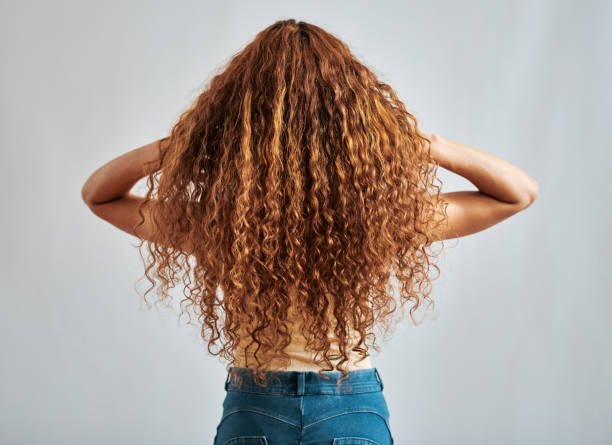
# Alright, let’s make an admission first; seeing a few extra strands of hair on your shoulder or in the shower drain never feels good, does it? It’s not just a feeling, hair loss can significantly affect a person’s self-confidence and even their mood. It doesn’t matter if you’re a man or a woman, young or old, this problem is widespread. It might be hereditary, it might be due to stress, poor diet, hormonal changes, or a thousand and one other reasons. The market is also full of shampoos and lotions that promise miracles, but in the end, what? Mostly nothing at all.
That’s why when it comes to real treatment methods, people’s curiosity is piqued. Among these, a particular name has been making a lot of noise in recent years: PRP, or Platelet-Rich Plasma. Maybe you’ve heard of it, maybe not; but this method has given many hope for a future with thicker hair. What exactly is this PRP? Is it a magical solution? Or just a new fad in the beauty world?
To be honest, it’s neither magic nor just a fleeting fad. PRP hair loss treatment is based on science and our body’s own ability to repair and regenerate. This method is, in a way, a helper for tired and low-energy hair follicles. In this article, we’re going to take a complete journey from what PRP actually is, how it works, to what exactly you should expect when you decide to try this path. We want to look at it from different angles to shed light on this whole matter for you. So if you’re looking for a promising solution for your hair, you’ve come to the right place. Ready to dive into the details?
🧪 What is PRP? A Deeper Look into the Platelet Miracle
Well, we’ve understood so far that PRP is an impressive name, but what exactly is hidden behind these three letters? PRP stands for “Platelet-Rich Plasma.” Now, what are plasma and platelets? It’s not too complicated, don’t worry.
Our blood is composed of four main parts: red blood cells, white blood cells, platelets, and plasma. Plasma is the yellowish liquid that carries these cells. What about platelets? These tiny particles are the unsung heroes of our body whose job is to clot blood, meaning if we get injured somewhere, they quickly get to work to stop the bleeding. But their job isn’t just that.
The interesting point is that platelets contain a lot of special proteins called “growth factors.” These growth factors are, in a way, the start codes for repairing and regenerating damaged tissues. Imagine it like a package of reinforcements signaling, “Time to start building!” When we talk about PRP, it means we are significantly increasing the concentration of platelets, and consequently growth factors, in a small volume of plasma. This concentration is usually 5 to 10 times higher than the normal state of our own blood. PRP hair loss treatment is essentially this idea: using the body’s own healing capabilities to stimulate hair growth.
How is this done? A small amount of blood is drawn from you, just like a regular blood test. Then this blood is placed in a device called a centrifuge. This device spins at a very high speed and separates the different components of the blood based on their weight. The result is a concentrated yellowish liquid that is full of active platelets and growth factors. This is our PRP, ready to be used for hair repair and growth stimulation. Simple, right? In fact, we are using your own healing source in the best possible way.
Worried about persistent skin conditions or signs of aging? kianderm offers a complete spectrum of medical dermatology and aesthetic solutions to restore your skin’s health and beauty.
✅ Expert diagnosis and personalized treatment plans for various conditions
✅ State-of-the-art procedures for rejuvenation and lasting results
✅ Publicly covered and premium cosmetic services tailored for you
Book your consultation with kianderm now!
🔬 Mechanism of PRP in Hair Loss Treatment: How Does It Work?
Okay, now that we know what PRP is made of, the main question is: how can this “platelet concoction” help treat hair loss? Think of hair follicles as small factories that produce hair. Sometimes these factories get tired and weak, their production decreases, or they stop completely. PRP hair loss treatment specifically aims to restart these factories or at least make them more active.
As we said, platelets are full of growth factors. When this platelet-rich plasma is injected into the scalp, exactly where the hair follicles are located, these growth factors are released and send a lot of positive signals to the cells around the follicle.
These signals perform several essential tasks:
- Increased Blood Supply: Growth factors stimulate the formation of new blood vessels in the scalp (angiogenesis). More blood means more oxygen and nutrients for hair follicles, which is vital for their growth.
- Stimulation of Cell Growth: They instruct stem cells around the follicles to activate and enter the growth phase (anagen).
- Reduced Inflammation: Inflammation is one of the main causes of hair loss (especially in cases of androgenic alopecia). PRP can help reduce this inflammation.
- Increased Hair Thickness: Even existing hairs become stronger and thicker.
So overall, PRP creates a favorable environment for hair growth and strengthening. This process doesn’t happen all at once and requires time. It’s like trying to revitalize a garden; you have to enrich the soil, provide water and nutrients, and wait for the flowers to sprout and grow.
Ultimately, the goal of PRP for hair loss is to strengthen existing follicles, stimulate dormant follicles, and increase the overall quality and density of hair.
| Growth Factor | Key Role |
|---|---|
| PDGF (Platelet-Derived Growth Factor) | Stimulates cell growth and division, angiogenesis |
| TGF-β (Transforming Growth Factor-beta) | Regulates cell growth, tissue repair |
| VEGF (Vascular Endothelial Growth Factor) | Stimulates new blood vessel formation (follicle nourishment) |
| EGF (Epidermal Growth Factor) | Epidermal cell division, cell growth and differentiation |
| IGF-1 (Insulin-like Growth Factor 1) | Regulates cell growth, prevents cell death |
👤 Who Are Suitable Candidates for PRP Treatment?
Okay, now that we understand the mechanism of PRP, the important question is: Is PRP hair loss treatment suitable for everyone? To be honest, no. Every treatment has its specific candidates, and PRP is no exception. It’s very important to have a specialized consultation with a doctor before any action to ensure this method is the best option for you.
Typically, the best candidates for PRP have these characteristics:
- Androgenetic Alopecia (male or female pattern baldness): This is the most common type of hair loss affecting both men and women. PRP can slow down the hair loss process and even stimulate regrowth of thinning hair by strengthening weakened follicles and increasing blood supply.
- Those with new or progressing hair loss: If your hair loss has just started or if the hair follicles are not yet completely destroyed (meaning the follicles are still alive but weakened), PRP can be more effective. If you’ve been completely bald for years, the chances of PRP success are lower because there are no follicles left to stimulate.
- Individuals with thinning hair: PRP can help increase the thickness and quality of existing hair, even if you don’t have severe hair loss.
- Good general health: Since PRP uses your own blood, you must be in good general health. Specific blood problems, active infections, or blood-thinning medications might disqualify you from this treatment.
Now, who are not suitable candidates?
- Pregnancy or breastfeeding: It’s usually recommended that women avoid cosmetic treatments during these periods.
- Certain blood disorders: Such as platelet disorders, severe anemia.
- Cancer or chemotherapy: Individuals undergoing cancer treatment should not have PRP.
- Active scalp infection: Must be treated before PRP.
- Use of certain medications: Blood thinners like warfarin.
Remember, the final diagnosis is only with a specialized dermatologist. They will make the best decision by thoroughly reviewing your medical history, type of hair loss, and general health status. So, first and foremost, book a consultation.
🗓️ The PRP Treatment Process: From Consultation to Injection
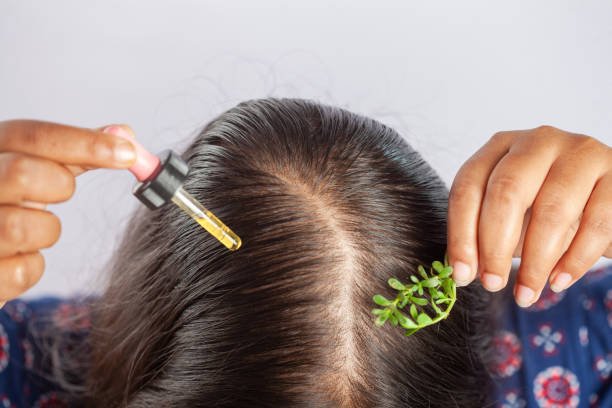
Decided to start PRP hair loss treatment? Excellent! Now let’s see exactly how this process unfolds, from the moment you step into the clinic until the injection is done. Knowing these steps will help you have less stress and proceed with full awareness.
Step 1: Initial Consultation and Assessment
This is the most important step. You meet with a dermatologist (preferably a doctor experienced in PRP). The doctor reviews your medical history, asks about medications you are taking, and accurately assesses the type and pattern of your hair loss. They might also prescribe some blood tests to ensure you don’t have any other underlying issues. This is the time to ask questions, so raise any concerns you have.
Step 2: PRP Preparation
If the doctor confirms you are a suitable candidate, it’s time for PRP preparation. This stage includes:
- Blood Draw: Approximately 10 to 60 ml of blood is drawn from a vein in your arm, just like a regular blood test. This amount of blood is not enough to weaken you.
- Centrifugation: The drawn blood is placed in a special sterile kit and then put into a centrifuge machine. This machine spins at a very high speed for about 10 to 15 minutes, separating red and white blood cells from plasma and platelets.
- PRP Isolation: Finally, the golden-colored liquid rich in platelets and growth factors is separated by the doctor from the other blood components.
Step 3: Scalp Preparation and Injection
Before the injection, your scalp is cleaned with an antiseptic solution. To make you feel more comfortable during the injection, a topical anesthetic (like a numbing cream) might be used. After the scalp is prepared, the doctor uses a very fine needle to inject the PRP into specific points on the scalp. These injections are performed superficially and regularly to ensure growth factors reach the hair follicles evenly.
The entire process, from blood draw to injection, usually takes about 45 minutes to an hour. Afterward, you can return to your daily activities.
Is eczema making you uncomfortable? kianderm provides comprehensive diagnostic and treatment plans to manage chronic eczema.
✅ Personalized relief strategies
✅ Long-term management support
✅ Access to expert dermatological care
Find comfort at kianderm.
📈 Realistic Expectations: What Results Can Be Anticipated?
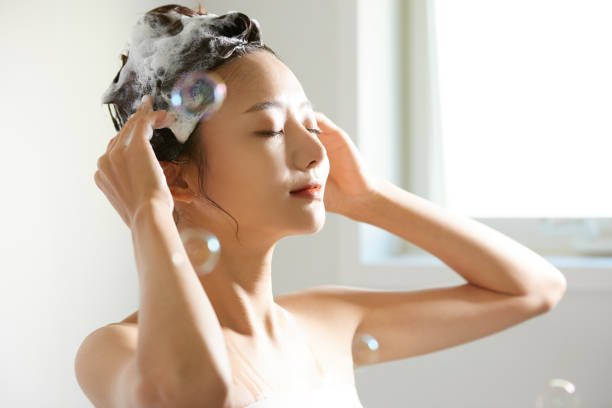
Well, we’ve reached the point that occupies most people’s minds: “Does PRP really work?” and “What should I expect from the results?” To be honest, PRP hair loss treatment is not an overnight miracle. It’s a gradual and natural process, and its results require patience and persistence. Everyone responds differently, just like how medication affects different people’s bodies.
Expectations you should have:
- Reduced hair loss: The first thing many people experience is a decrease in hair shedding. You might feel your hair isn’t falling out as much after one or two sessions. This itself is a very good sign.
- Increased hair thickness and quality: The hair you already have will gradually become thicker, stronger, and shinier. It’s like breathing new life into them.
- Regrowth of thinning hair: If hair follicles are not completely dead and are only weakened, PRP can stimulate them to produce new, healthier hairs. These new hairs might initially be thin but will thicken over time.
- Need for multiple sessions: Typically, 3 to 6 treatment sessions at monthly intervals are required to see optimal results. After that, maintenance sessions (e.g., once every 6 months) may be recommended to preserve the results.
- Patience, patience, and more patience: Results usually begin to appear after 3 to 6 months, and the best results are visible after one year. So don’t expect your head to be full of hair a week after the first session.
Who gets better results?
- Individuals with mild to moderate hair loss whose hair follicles are not yet completely destroyed.
- Those in good general health.
- Individuals who diligently follow their doctor’s post-treatment care recommendations.
Remember, PRP is an adjunctive method, and sometimes, for better results, your doctor might recommend it alongside other treatments (such as minoxidil or finasteride). This is completely normal and indicates a comprehensive approach to your hair health.
⚠️ Side Effects and Safety Tips: Everything You Need to Know
Well, every treatment, no matter how good and safe it seems, has certain points and considerations. PRP hair loss treatment is no exception. But the good news is that because your own blood is used, serious side effects are very rare.
Common and mild side effects:
- Mild pain or discomfort: After the injection, you might experience a mild sensation of pain or burning in the injected area, which is usually controllable with common pain relievers like acetaminophen.
- Redness and swelling: The scalp might become slightly red and swollen, which usually subsides within a few hours or at most a day or two.
- Bruising: Some bruising might occur at the injection site, which is also temporary and resolves on its own.
- Sensitivity: Some individuals might experience temporary tenderness to touch in the scalp area.
Rare and more serious side effects (which you likely won’t experience with proper hygiene and choosing a skilled doctor):
- Infection: If sterile equipment is not used or post-treatment care is not followed, infection might occur. This is why choosing a reputable clinic and an experienced doctor is crucial.
- Nerve or vascular damage: In very rare cases, and only if the injection is performed by an unskilled person, nerves or blood vessels might be damaged.
- Allergic reaction: Since your own blood is used, an allergic reaction to PRP itself is almost impossible. However, you might react to the anesthetic or antiseptic solutions.
Safety tips and what to remember:
- Choosing a specialist doctor: This is the most important point. Always refer to a board-certified dermatologist with experience and license. This significantly reduces the risk of complications.
- Reputable clinic: Make sure the clinic you choose uses sterile and standard equipment.
- Medications: Before treatment, tell your doctor about all medications you are taking (even supplements), especially if they are blood thinners.
- Post-treatment care: Strictly follow your doctor’s recommendations for scalp care after PRP to prevent any problems.
Overall, PRP is considered a safe method, provided it is performed correctly and by a qualified professional. Don’t be afraid, just be cautious and make the right choice.
| Side Effect | Duration | Necessary Action |
|---|---|---|
| Mild pain at injection site | Few hours to 1 day | Use cold compress, over-the-counter pain relievers |
| Redness and swelling | Few hours to 2 days | Avoid excessive heat, use soothing creams (as prescribed by doctor) |
| Bruising | Few days to 1 week | Resolves on its own, camouflage makeup (if needed) |
| Mild itching | 1 to 2 days | Avoid scratching, use mild shampoos |
| Risk of infection (very rare) | If occurs | Immediate consultation with doctor |
🔄 Comparing PRP with Other Hair Loss Treatment Methods
You might be wondering how PRP hair loss treatment differs from other existing methods? And where exactly does it fit into this puzzle? The world of hair loss treatment is vast, and each method has its own advantages and disadvantages. Let’s have a quick and practical comparison to give you a better perspective.
- Minoxidil:
A topical solution or foam available over-the-counter. This medication increases blood flow to hair follicles and promotes hair growth.
Advantages: Easy accessibility, lower cost.
Disadvantages: Must be used continuously, stopping it leads to hair loss, may cause scalp irritation, not effective for everyone.
Difference from PRP: Minoxidil is a chemical drug that acts externally, while PRP uses the body’s own growth factors and is more natural. - Finasteride:
An oral tablet approved only for men. This medication blocks the hormone DHT (dihydrotestosterone), which is the main cause of androgenetic hair loss.
Advantages: Effective, orally administered.
Disadvantages: Only for men, requires a doctor’s prescription, may have hormonal side effects (such as decreased libido), must be taken continuously.
Difference from PRP: Finasteride affects hormonal balance, PRP directly stimulates follicles. - Hair Transplant:
A surgical method in which hair follicles are transplanted from a dense part of the scalp to thinning areas.
Advantages: Permanent, natural results.
Disadvantages: Most invasive method, high cost, requires recovery period, not suitable for all candidates (e.g., if you don’t have enough donor hair).
Difference from PRP: Hair transplant is a solution for complete loss of follicles, while PRP is used to strengthen existing or weakening follicles. Sometimes PRP is also used after hair transplantation to improve graft survival and results.
PRP is a minimally invasive method that utilizes your body’s own healing potential. It can be an excellent option for those who do not want to use chemical medications or undergo surgery. It can also be used as a supplement to these methods to achieve better results. Ultimately, the best way is to consult with your doctor to find the most suitable treatment plan based on your specific condition.
🌟 Choosing a Clinic and Specialist Doctor: The Key to Success
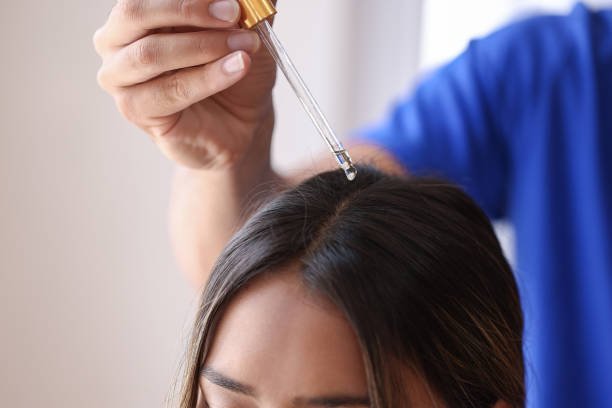
You know, PRP hair loss treatment is a scientific procedure and should not be taken lightly. If anyone with a needle in hand were to perform this, the results could be disastrous. Therefore, choosing the right clinic and doctor is perhaps the most important step in achieving good results and preventing any problems.
Imagine you have an expensive car that has broken down. Would you take it to any mechanic you find on the street? Of course not! You’d look for a specialist who has the knowledge, experience, and necessary equipment. Our body is much more complex and valuable than a car, isn’t it?
To make the right choice, pay attention to these points:
- Doctor’s Expertise and Experience: Always refer to a dermatologist with sufficient experience in performing PRP. The doctor should have received the necessary training and be thoroughly familiar with scalp anatomy. You can ask them how many PRP cases they have performed or even see their portfolio.
- Clinic’s License and Accreditation: Make sure the clinic you choose has the necessary licenses from the Ministry of Health. A reputable clinic is a sign of adherence to health and safety standards.
- Modern and Sterile Equipment: The PRP preparation process requires special kits and a standard centrifuge machine. A good clinic uses the best and most up-to-date equipment to ensure high-quality and hygienic PRP preparation.
- Comprehensive and Realistic Consultation: A good doctor will provide you with a complete consultation before starting treatment, explain realistic expectations, and answer all your questions. If you see a doctor who promises miracles too quickly or doesn’t answer your questions properly, it could be a red flag.
- Reviews from Previous Patients: Read reviews and experiences of previous patients on social media or the clinic’s website. This can give you a good insight.
In a bustling city like Tehran or other major cities, many clinics offer PRP services. But the difference between good, standard work and mediocre work lies in these selection details. Value your health and beauty, and take the time to make the best choice.
Do you require specialized medical botulinum toxin injections? kianderm provides these services under public health insurance, addressing specific therapeutic needs with expert care.
✅ Clinical assessment and precise injection for medical conditions
✅ Adherence to public health guidelines for coverage and safety
✅ A focus on improving your quality of life and comfort
Access specialized care at kianderm!
🌱 Post-Treatment Care and Maintaining Results: Practical Recommendations

Okay, the injection is done, and now comes the most important part: post-PRP treatment care and tips for maintaining results. This stage is exactly like caring for a newly planted seedling; you need to give it enough water and light to take root and grow. If you don’t take these precautions seriously, your efforts might be wasted.
Immediately after PRP:
- Do not touch: Try not to touch the treated area for a few hours after the injection.
- Washing: It’s usually recommended not to wash your hair for 24 hours after PRP. After this period, use a mild, sulfate-free shampoo. Hot water is also prohibited.
- Strenuous exercise: Avoid strenuous exercise, saunas, and jacuzzis for 24 to 48 hours. This causes sweating and increased blood flow to the scalp, which may reduce the effect of PRP.
- Sunlight: Try to keep your head away from direct sunlight for a few days or use a hat.
- Medications: If your doctor has prescribed any specific medication (such as pain relievers or antibiotics), take them exactly as directed. Avoid blood thinners and non-steroidal anti-inflammatory drugs (NSAIDs) like ibuprofen, aspirin for one week before and after treatment, as they may affect platelet function.
To maintain long-term results:
- Healthy diet: A diet rich in protein, vitamins (especially biotin, vitamin D and E), and minerals (such as iron and zinc) is essential for hair health.
- Stress reduction: Stress is one of the main causes of hair loss. Try to find methods for stress control, such as yoga, meditation, or walking.
- Quit smoking and alcohol: These two can reduce blood flow and harm hair health.
- Maintenance sessions: PRP is not a permanent solution. To maintain results, you may need maintenance sessions every 6 to 12 months. This is like recharging a battery!
- Regular consultation with your doctor: Even after the main treatment course is completed, stay in touch with your doctor to monitor your hair condition and provide new recommendations if necessary.
Remember, the success of PRP hair loss treatment is a team effort between you and your doctor. By following these tips, you play your part in the best way possible.
| Question | Answer |
|---|---|
| Is PRP hair loss treatment painful? | It is usually performed with local anesthesia, and the pain is tolerable. You might feel some burning or pressure. |
| How long does each PRP session take? | The entire process, from blood draw to injection, takes about 45 to 60 minutes. |
| How many PRP sessions are needed to see results? | Often 3 to 6 sessions at monthly intervals are recommended. After that, maintenance sessions (e.g., every 6 to 12 months) may be necessary. |
| When are PRP results visible? | Initial results usually begin to appear after 3 to 6 months, and the best results are seen after 1 year. |
| Is PRP effective for all types of hair loss? | PRP is most effective for androgenetic hair loss (genetic) and in cases where follicles are still alive but weakened. It has less efficacy for complete baldness. |
| Does PRP have serious side effects? | No, because it uses the patient’s own blood, serious side effects are very rare. Mild side effects such as pain, redness, and swelling are temporary. |
| Can PRP be used with other treatments? | Yes, PRP can be used as a supplement to other methods such as minoxidil or finasteride to achieve better results. |
| Is special care needed after PRP? | Yes, it is recommended to avoid washing your hair and strenuous exercise for 24 hours and to follow your doctor’s instructions. |
| How long do PRP results last? | Results can be long-lasting with maintenance sessions and adherence to a healthy lifestyle, but without maintenance, the effects will gradually diminish over time. |
| How much does PRP treatment cost? | The cost of PRP varies depending on the number of sessions, clinic location, and doctor’s experience, and it is usually not covered by insurance. |
And other services provided by Kian Derm Clinic include
• Customized male skincare programs
• Andropause related skin changes management
• Sports injury related skin concerns
• Occupational dermatology consultation
• Travel dermatology consultation
And dozens of other services in the fields of skin, beauty, and medical treatments
Skin | Hair | Beauty | Nails
Lost in a sea of documents? kianderm streamlines your document management for quick retrieval and improved efficiency. ✅ Organized digital records.
Phone: +1 (236) 551-2282
Email: info@kianderm.ca
Address: 1836 Lonsdale Ave, North Vancouver, BC V7M 2J9, Canada