


🔬 Deep Understanding of Acne: Why Do We Break Out?
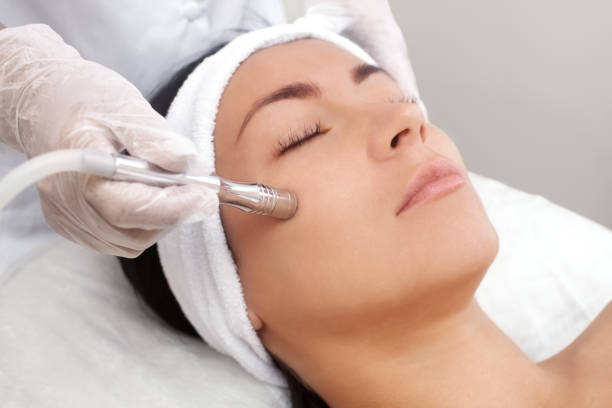
# Acne, well, who hasn’t dealt with it? Many people think it’s a simple thing, a small pimple that goes away on its own, but the reality is more complex than that. Sometimes, this skin problem can severely damage a person’s self-confidence, especially during adolescence when everything feels different. But it’s not just teenagers who struggle with it; adult acne is also common and causes trouble for many. This is where understanding the roots of this problem truly becomes important.
Basically, acne begins when our hair follicles, which are where hair grows, become clogged with skin oil (sebum) and dead skin cells. Remember those tiny oil glands under the skin? They produce sebum to keep skin and hair moisturized. If too much is produced or dead cells block the exit, it creates an excellent environment for bacteria, especially Propionibacterium acnes (P. acnes). These bacteria love this closed environment, and when they start to grow, the inflammation and redness we know as pimples appear. Think of it like a clogged plumbing system; it’s exactly the same.
Now, many factors play a role in this game. Hormones, especially androgens, are a constant part of the story. During puberty, the levels of these hormones rise significantly, causing oil glands to become more active. This is the main reason why teenagers get so many pimples. But in adults too, hormonal changes, such as menstrual cycles, pregnancy, or even Polycystic Ovary Syndrome (PCOS), can cause acne to appear. Many people ask me, “Well, I’m not a teenager anymore, why am I still breaking out?” and I always say that the human body is a complex world; hormonal changes aren’t just for puberty.
In addition to these, genetics also play an important role. If your parents had severe acne, you are more likely to experience it as well. Diet, stress, using unsuitable cosmetic and hygiene products (those that are comedogenic), and even some medications can worsen the condition. You know, while acne is a common problem, no one should really have to struggle with it alone. This is where a specialized dermatology clinic, like Kian Derm, can be a great help in root-causing the issue and finding the right solution.
🧐 Identifying Acne Types and Their Symptoms
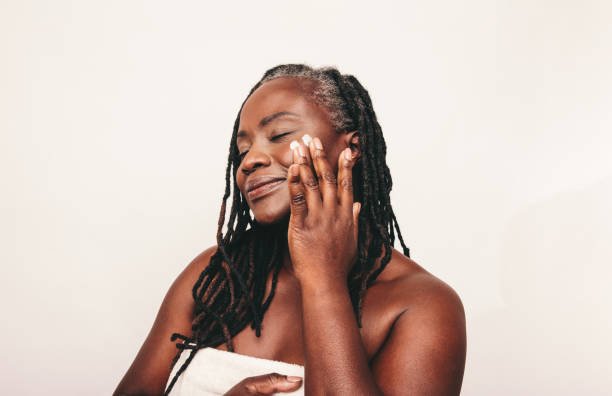
Not all pimples are the same, not really! If you think every bump that appears on your skin is “acne,” I have to tell you it’s a bit different. Knowing what type of acne you’re dealing with is the first step towards effective treatment. It’s like trying to treat a disease without knowing exactly what it is. Dermatologists at Kian Derm Clinic pay close attention to these differences, because each type of acne requires a specific approach.
The first and perhaps most common types are “comedones.” These are the same as blackheads and whiteheads. Blackheads occur when a hair follicle is clogged, but its opening remains open, and the oil and dead skin cells come into contact with air and oxidize, which is why they appear black. Whiteheads are similar, with the difference that the follicle opening remains closed, creating a small white bump. These are usually the first signs of acne and bother many people, but they are typically not painful.
After these, we move on to inflammatory types of acne, which, well, involve more pain and redness. “Papules” are small, red, tender bumps that contain no pus. These are a sign of inflammation. If these papules fill with pus, we call them “pustules”; these are the same pus-filled pimples that usually have a white head and are red and inflamed around them. These should never be squeezed, as it can lead to scarring and worsen the situation. You wouldn’t believe how many patients I’ve seen who made things worse by squeezing pimples.
Alright, now we get to the more serious types. “Nodules” are firm, painful lesions that form deep beneath the skin’s surface. These don’t contain pus but result from severe inflammation and can persist for weeks or even months, leaving behind bad scars. Oh, the “cysts”! Acne cysts are the largest and most painful type of acne lesions. They are filled with pus and look like large, deep, pus-filled pimples. This type of acne is extremely painful and almost always leaves scars. Nodules and cysts strongly require a visit to a dermatologist; they truly shouldn’t be ignored.
Acne severity can range from mild (just a few blackheads and whiteheads) to moderate (more papules and pustules) and severe (numerous nodules and cysts). When and how you should visit a specialized dermatology center depends on the severity and type of your acne. If over-the-counter treatments aren’t working, or if your acne is painful, widespread, or causing scarring, then it’s time to consider getting help from a professional place like Kian Derm Dermatology Clinic. They can provide an accurate diagnosis and design a personalized treatment plan for you. It’s very important to know that you are not alone and help is available.
Is patchy hair loss a worry? kianderm provides diagnostic and treatment options for alopecia and other hair conditions.
✅ Expert evaluation for hair concerns
✅ Targeted treatments to promote growth
✅ Support for all your dermatological needs
Consult kianderm for hair health!
🚫 Acne Aggravating Factors: From Diet to Stress
You might think, “It’s just a pimple, what does it have to do with my food?” or “Well, I’m stressed, it’s normal.” But the truth is that many factors, from what we eat to the emotions we feel, can worsen acne. Knowing these triggers is like having a treasure map to control your skin. At Kian Derm Clinic, we always tell our patients that treatment isn’t just about medication; a comprehensive approach is necessary.
Let’s start with “diet.” For a long time, the link between diet and acne was somewhat of a myth, but now research has shown that this connection is real. Foods with a high glycemic index (meaning they raise blood sugar quickly), such as white bread, sweets, sugary drinks, and even some breakfast cereals, can cause an increase in insulin, which in turn stimulates androgen hormones and increases skin oil production. Dairy products can also be problematic for some individuals, especially cow’s milk, because it contains hormones that can exacerbate acne. Of course, this doesn’t mean everyone should cut out dairy; you need to see how your body reacts.
“Stress” is another factor and somewhat of a vicious cycle. When we are stressed, the body releases hormones like cortisol, which can stimulate oil glands, thereby worsening acne. Then a person breaks out, gets more stressed, and well, the cycle continues. I remember having a patient whose face would break out every time her exams approached, and she wondered why! I told her exam stress, not textbooks, was the main culprit.
“Cosmetic and hygiene products” also play an important role. Using makeup and skincare products that are comedogenic can clog pores and cause pimples. Always look for products labeled non-comedogenic or non-acnegenic. Over-washing your face can also dry out and irritate the skin, actually leading to increased oil production, which is another common mistake.
There are other factors to consider as well. Hormonal changes other than puberty, such as menstrual periods or pregnancy, can exacerbate acne. Even certain “medications,” like corticosteroids, testosterone, or lithium, can cause acne. The environment is also sometimes our enemy; high humidity, friction (e.g., from hats or backpacks), and even air pollution can affect the skin. Understanding these factors helps you develop an effective management plan with the help of dermatologists and hair specialists. Let’s take a look at these factors and their impact:
| Factor | Explanation | Important Notes |
|---|---|---|
| Diet | High glycemic index foods, dairy (for some individuals) | Reduce intake of sugar and refined carbohydrates, observe body’s reaction to dairy |
| Stress | Increased cortisol hormone, stimulation of oil glands | Stress management through meditation, exercise, sufficient sleep |
| Skin Products | Use of comedogenic products, excessive washing | Choose non-comedogenic products, gentle and balanced cleansing |
| Hormonal Changes | Pregnancy, menstruation, PCOS, hormonal disorders | Consult a dermatologist for hormonal regulation |
| Medications | Corticosteroids, lithium, testosterone | Talk to your doctor about alternatives or managing side effects |
| Friction/Pressure | Hats, tight clothing, mobile phone | Maintain hygiene, use loose and clean clothing |
🌿 Home Remedies and Basic Skin Care
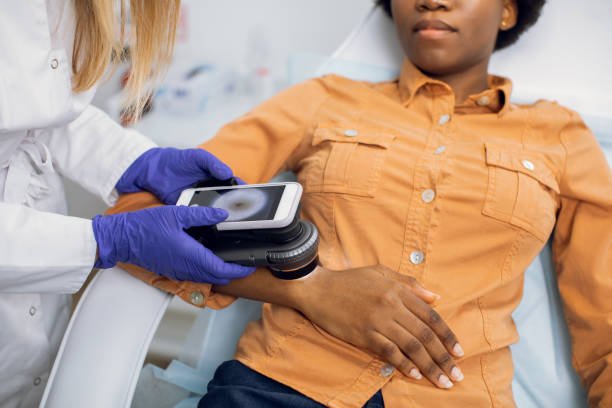
Well, when the first pimple appears, it’s natural to first turn to home remedies and over-the-counter treatments. Many people start here and sometimes get results. But it’s important to know what to do and what not to do, because a wrong move can worsen the situation. Basic skin care is pretty much the foundation of any acne treatment plan, whether you do it yourself at home or with the help of a specialist at a Dermatology Clinic.
First and foremost, “gentle cleansing” is key. You don’t need to scrub your face vigorously or wash it every hour. Twice a day, morning and night, with a mild, soap-free cleanser is enough. Use warm or lukewarm water, not hot. Afterwards, gently pat your skin dry with a clean towel; do not rub. Excessive rubbing of the skin only causes more irritation and increased oil production. I remember one of my patients thought the more she washed her face, the cleaner her skin would become, but in the end, it only led to more dryness and irritation.
After cleansing, don’t forget “moisturizer.” Even oily skin needs hydration. Choose oil-free and non-comedogenic moisturizers. These won’t clog pores or cause new breakouts. Keeping the skin moisturized helps maintain a healthy skin barrier and reduces irritation.
Now let’s talk about over-the-counter products. Two of the most famous active ingredients found in these products are “salicylic acid” and “benzoyl peroxide.” Salicylic acid is a beta-hydroxy acid that penetrates pores and helps to remove dead skin cells and unclog pores. It’s excellent for blackheads and whiteheads. Benzoyl peroxide is an antibacterial agent that reduces inflammation by eliminating P. acnes bacteria and decreasing oil. It’s good for inflammatory lesions like papules and pustules. But be careful, both can dry out and sensitize the skin, so start with a low dose and gradually increase it.
There are also some “forbidden actions” that we should be mindful of. First and most importantly, “do not squeeze pimples”! This can spread bacteria further, worsen inflammation, and lead to permanent scars. Additionally, do not use strong abrasive products or rough scrubs, as they irritate the skin. Even excessive use of alcohol-based toners can dry out the skin and make it prone to breakouts.
So, when should you see a specialist? If after several weeks or months of using these home methods, you see no improvement or even if the condition worsens, if your acne is painful, deep, or leaving scars, then it’s time to seek help from a reputable dermatology clinic like Kian Derm. They can assess the problem with an expert eye and suggest more effective treatment solutions.
💊 Effective Medical and Pharmaceutical Solutions for Acne
When home remedies and over-the-counter products are no longer effective and acne is more stubborn than to leave you alone, it’s time to turn to medical and pharmaceutical solutions. This is where the role of a professional Dermatology Clinic like Kian Derm becomes prominent. Expert doctors at these centers can help you finally get rid of acne by prescribing stronger medications and more advanced treatment methods.
One of the first lines of treatment that doctors may recommend are “prescription topical medications.” These are usually stronger than those you can buy over-the-counter. “Topical retinoids” (such as tretinoin, adapalene, and tazarotene) are vitamin A derivatives that help unclog pores, reduce inflammation, and normalize skin cell turnover. These can make the skin sensitive to the sun and may initially cause dryness and redness, but the results are truly remarkable.
“Topical antibiotics” (such as clindamycin and erythromycin) are also used to reduce bacteria and inflammation. However, they are usually not prescribed alone, as bacteria can become resistant to them. Doctors often combine these with benzoyl peroxide to increase effectiveness and prevent bacterial resistance.
If acne is widespread or severe, the doctor may prescribe oral medications. “Oral antibiotics” (such as doxycycline and tetracycline) are used to reduce bacteria and inflammation throughout the body. They are usually prescribed for a limited period, as long-term use can have side effects, such as gastrointestinal problems or increased sensitivity to sunlight. At Kian Derm, we always emphasize to our patients to take antibiotics exactly as prescribed by their doctor.
For women, “hormonal treatments” can also be an excellent option. Oral contraceptives (which are a combination of estrogen and progesterone) can reduce androgen levels and control sebum production. “Spironolactone” is another medication that acts as an anti-androgen and can be beneficial for hormonal acne. These methods are usually carried out under strict medical supervision and considering the patient’s overall health.
And well, we come to “oral isotretinoin” (Roaccutane). This medication is a real lifesaver for severe and stubborn acne. Isotretinoin significantly reduces sebum production, unclogs pores, reduces inflammation, and controls bacterial growth. However, it also has serious side effects, such as severe dryness of the skin and lips, and most importantly, the risk of birth defects, which is why pregnant women or women planning to become pregnant must use it under a strict monitoring program. For this reason, isotretinoin must always be administered under the supervision of a dermatologist in a well-equipped clinic, with regular tests to ensure the safety of the treatment.
Concerned about a new skin lesion or unexplained bump? kianderm provides prompt skin biopsy services and expert diagnostic evaluation through our medical dermatology department.
✅ Accurate and timely diagnosis of skin abnormalities
✅ Safe and minimally invasive biopsy procedures
✅ Clear guidance on follow-up and personalized treatment options
Get clarity on your skin with kianderm!
✨ Advanced Treatment Techniques at Kian Derm Clinic

Alright, so far we’ve talked about medicinal treatments, but the world of acne treatment goes far beyond pills and creams. Sometimes, to get the best results, we need more advanced techniques that are only performed in a well-equipped Dermatology Clinic and under the supervision of a specialist. At Kian Derm, we offer a range of these methods that can have an amazing effect on your skin, either alone or alongside medical treatments.
One of these methods is “Chemical Peels.” You’ve probably heard of them. In this method, a chemical solution is applied to the skin, causing controlled exfoliation of the skin’s surface. This helps remove dead cells, unclog pores, and regulate oil production. Peels can be used for active acne, post-acne marks, and even improving skin texture. Peels with mild acids like glycolic acid or salicylic acid are usually done in several sessions, and the results are truly excellent. But, choosing the type and concentration of the peel is very important; it must be performed by a specialist.
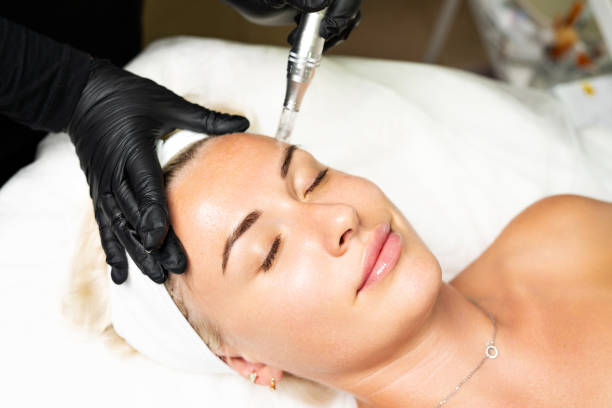
Following that, we have “Microdermabrasion” and “Microneedling.” Microdermabrasion is a gentle physical exfoliation method that uses a device to remove the superficial layers of the skin. This helps improve skin texture, reduce blemishes, and even unclog pores. Microneedling is another method that creates microscopic punctures on the skin using very fine needles. These punctures stimulate collagen and elastin production and are highly effective for treating acne scars, improving skin texture, and reducing enlarged pores. I’ve seen how these methods can rebuild the skin from scratch.
Sometimes, to treat skin problems remaining from acne, such as red or brown spots and even improving scars, we use laser therapy and advanced devices. There are various types of lasers, each designed for a specific purpose; for example, fractional lasers for scars, IPL lasers for red and brown spots. These methods are precise, effective, and minimally invasive, but they require the expertise and experience of a reputable clinic to ensure the best and safest results.
At Kian Derm Clinic, we even offer newer methods like “PRP (Platelet-Rich Plasma)” and “Mesotherapy” for skin rejuvenation and repairing damage caused by acne. PRP uses the patient’s own plasma to inject growth factors into the skin, which helps repair and regenerate cells. Mesotherapy improves skin health and beauty by injecting cocktails of vitamins, minerals, and hyaluronic acid into the middle layer of the skin, health and beauty. All of this shows how many solutions there are to fight acne and its consequences, and one should not lose hope.
🩹 Combating Acne Scars: Restoring Skin’s Beauty
Alright, let’s assume we’ve finally gotten rid of active acne. Great! But unfortunately, the story doesn’t always end there. Many people, after a difficult period of acne, struggle with scars, which can be just as bothersome and mentally taxing. These scars can lower a person’s self-confidence and make them feel that their skin will never be the same again. But the good news is that you no longer have to live with these scars. With advancements in dermatology and cosmetic science, many treatment options exist for acne scar repair that can largely restore your skin to its former state.
First of all, it’s important to know what types of scars we have. The most common include: “indented” or atrophic scars, which themselves have several categories. For example, “ice pick scars” which are small and deep, resembling a puncture mark. “Boxcar scars” have sharp edges and create square-shaped indentations. And “rolling scars” create wavy, broad indentations on the skin. Sometimes we also have “raised” or hypertrophic scars, which are caused by excessive collagen production and are more prominent than the skin surface, though these are less common than atrophic scars.
Understanding the type of scar is key to choosing the best treatment method. This is where the role of a specialized dermatology clinic like Kian Derm becomes significant. Our expert doctors, by carefully examining your scar type, will propose a personalized treatment plan. For example, for indented scars, microneedling (which we discussed earlier) is an excellent option. This method stimulates collagen production, helping to fill in the indentations. We can even use microneedling in combination with PRP (Platelet-Rich Plasma) to enhance the effectiveness of repair.
“Fillers” can also be used to fill deeper scars, especially rolling and boxcar scars. Hyaluronic acid is the most common type of filler, temporarily filling in indentations and making the skin appear smoother. “Subcision” is another method where the doctor, using a special needle, cuts the fibrotic bands beneath the scar to release it and allow it to lift. This method is usually combined with fillers or microneedling.
“Laser therapy” also works wonders for various types of scars. Fractional lasers, such as fractional CO2 laser or Erbium laser, stimulate collagen production and rebuild the skin by creating microscopic thermal columns within it. These lasers can be used for both indented scars and to improve skin texture and tone. Sometimes, for red spots caused by acne, we also use vascular lasers like V-Beam. Even deeper chemical peels can be effective for skin resurfacing and reducing more superficial scars. The choice of method depends on the scar’s depth, skin type, and your expectations, and this is where the experience of Kian Derm doctors truly comes into play. Well, let’s take a general look at the treatment options for acne scars:
| Treatment Method | Target Scar Type | Advantages | Potential Disadvantages |
|---|---|---|---|
| Microneedling | Atrophic (ice pick, boxcar, rolling) | Stimulates collagen production, improves skin texture | Requires multiple sessions, temporary redness |
| Laser Therapy (Fractional) | Various atrophic types, pigmentation, and skin texture | Deep skin resurfacing, lasting results | Recovery period, high cost, sun sensitivity |
| Dermal Fillers | Atrophic (deeper, rolling) | Immediate filling of indentations | Temporary results, requires repeat injections |
| Subcision | Atrophic (rolling, boxcar) | Releases fibrotic bands | Temporary bruising, needs combination with other methods |
| Chemical Peeling | Superficial atrophic, blemishes | Exfoliation and improvement of skin tone and texture | Peeling, sun sensitivity, requires repetition |
| PRP (Platelet-Rich Plasma) | Various atrophic types, overall skin improvement | Natural skin repair, reduces inflammation | Requires multiple sessions, high cost |
🍏 The Role of Lifestyle and Nutrition in Acne Prevention and Management
You might think that acne treatment is solely about visiting a dermatology clinic and using strong medications or lasers. But the truth is that a large part of successful acne management comes from our lifestyle and daily habits. It works just like a team; you and your doctor need to work together to achieve the best results. Changes in lifestyle and adhering to a suitable diet can have a significant impact on your skin’s health and even play a key role in preventing acne.
First and foremost, let’s talk about “nutrition.” While it’s no longer viewed as a direct cause like in the past, we know that certain foods can be triggers. Reducing the consumption of sugar and refined carbohydrates (like sugary drinks, sweets, white bread) can be beneficial. These foods cause a sudden rise in blood sugar, leading to increased insulin, which can stimulate oil glands. Instead, focus on whole, unprocessed foods, fruits, vegetables, whole grains, and lean proteins. A Mediterranean diet, rich in antioxidants, can be very good for the skin.
“Drinking enough water” is also very important. Hydrated skin is healthier and can better protect itself against environmental factors. Water helps flush toxins from the body and promotes better blood circulation, all of which are essential for skin health. I always tell my patients: “Drink your water, your skin will thank you!”
Don’t underestimate “sufficient and quality sleep.” When we don’t sleep well, our body produces more cortisol, which is the stress hormone and can worsen acne. Try to get 7 to 9 hours of quality sleep each night. This time is an opportunity for the body to repair and regenerate itself, including the skin.
“Stress management” is also an inseparable part. As I mentioned, stress can exacerbate acne. Practicing meditation, yoga, deep breathing, listening to calming music, or any activity that brings you peace can be helpful. These truly show their positive effects on the skin.
“Regular exercise” is not only good for overall body health but also helps improve blood circulation and oxygen delivery to skin cells. Just remember to always shower after exercise to prevent sweat and bacteria from remaining on your skin.
And finally, take “daily hygiene” seriously. Clean towels and pillowcases, washing hands before touching your face, and keeping your mobile phone clean can make a big difference. All these tips complement the treatments offered to you at Kian Derm Clinic. By following these, you will not only help treat acne but also achieve healthier, more vibrant skin. This is an investment in your skin’s future.
👧 Acne at Different Ages: Varying Treatment Approaches
Acne is not just a problem for teenagers; it can appear at any age, and each stage of life presents its own unique challenges for acne treatment. That is, there is no one size fits all, and acne treatment for a 13-year-old boy is completely different from that for a 35-year-old woman. This is where the experience and expertise of a reputable dermatology clinic, like Kian Derm, truly become important, because they know what solution is suitable for every situation.
Let’s start with “adolescent acne.” This is the most common type of acne and affects approximately 85% of teenagers. The main reason, as I mentioned earlier, is the increase in androgen hormones and the activation of oil glands. Acne at this age usually appears on the face, chest, and back and can vary from blackheads and whiteheads to papules, pustules, and even severe nodules. Initial treatment for teenagers usually involves topical medications like benzoyl peroxide and retinoids. If it’s more severe, oral antibiotics or even isotretinoin might be prescribed. The important point is that teenagers need a lot of support and education to adhere to their treatment plan, as waiting to see results can sometimes be difficult.
Now let’s move on to “adult acne.” This type of acne usually begins or persists after the age of 25. It is often more common in women and is mostly seen on the jawline, chin, and neck. Adult acne is often hormonal and is associated with hormonal changes such as menstruation, pregnancy, or Polycystic Ovary Syndrome (PCOS). Its treatment may include topical medications, oral antibiotics, and especially hormonal treatments like birth control pills or spironolactone. Many people think, “Well, I’m an adult now, why am I still breaking out?” and this bothers them a lot, but they should know that this is a common problem and is treatable.
“Acne during pregnancy” is another category that needs to be addressed with special care. Due to severe hormonal changes, many women break out during pregnancy. Here, the choice of medications is very limited, as many drugs can be harmful to the fetus. Dermatologists at Kian Derm usually recommend mild topical treatments such as benzoyl peroxide or salicylic acid (in low concentrations). Isotretinoin is completely prohibited. The focus is more on gentle skincare and stress management.
Even “infants and young children” can get acne. Neonatal acne is usually due to maternal hormones and resolves on its own. Childhood acne, occurring between 2 and 7 years of age, is rarer and must be thoroughly examined by a pediatric dermatologist, as it could be a sign of a more serious hormonal problem. In summary, no matter how old you are, if acne is bothering you, consulting a specialist at a Dermatology Clinic is the best way to find a treatment tailored to your age and physical condition.
Is chronic alopecia impacting your confidence? kianderm offers specialized medical dermatology treatments to address hair loss and promote scalp health with professional care.
✅ Comprehensive diagnosis of hair and scalp conditions
✅ Personalized treatment plans including medical botox where indicated
✅ Ongoing support for managing alopecia and achieving results
Find hope and solutions at kianderm!
❓ Frequently Asked Questions and When to Visit Kian Derm Clinic
Well, so far we’ve learned a lot about acne, from its origins and types to home and advanced treatments. But I know there are still many questions in people’s minds, and many might ask themselves, “Exactly when should I go see a specialist?” I created this section to answer the most common questions and to serve as a guide for when you should visit a reputable dermatology clinic like Kian Derm. Truly, knowing these points can make a big difference in the treatment process and the final outcome.
One of the first questions I always hear is, “Does diet really affect acne?” As I said, yes! Newer research has shown that high glycemic index foods and dairy (for some individuals) can worsen acne. So, a balanced and healthy diet, with reduced sugar and processed foods, can definitely be helpful, but it’s not the only solution.
Next question: “Does stress cause pimples?” Yes, stress doesn’t directly cause pimples, but it can create conditions for acne to appear or worsen existing acne. This is because the body, in response to stress, produces hormones that stimulate the oil glands. So, stress management itself is an important part of treatment.
So, “When should I visit a dermatology clinic?” This question is very important. If: 1. Over-the-counter treatments and home care show no improvement after several weeks or months. 2. Your acne is severe, painful, or has deep cysts and nodules. 3. Acne is negatively impacting your mental health and self-confidence. 4. After acne improves, marks or scars remain. In all these cases, visiting a dermatologist and hair specialist is essential. You shouldn’t let acne take control of your life.
Another concern is, “Should I squeeze pimples?” No! Never do that. Squeezing pimples not only spreads bacteria and worsens inflammation but can easily lead to permanent scarring, which is much harder to treat. I always tell our patients: “Let the doctor do it!”
At Kian Derm Clinic, we understand that acne is not just a skin problem; it can have a profound impact on people’s daily lives. Our goal is to help you not only have healthy and beautiful skin but also regain your lost self-confidence by providing accurate diagnosis, personalized treatments, and comprehensive consultations. Our services range from diagnosing and treating skin conditions covered by insurance to a wide array of beauty and rejuvenation services including Botox, fillers, microneedling, and laser. So, if you are struggling with acne or its scars, do not hesitate; contact us, and with the help of our specialists, we will find the best solution for your skin.
| Question | Answer |
|---|---|
| Is acne only for teenagers? | No, acne can appear at any age, from infancy to adulthood, and has different treatment approaches for each age group. |
| How does diet affect acne? | High glycemic index foods (such as sugar and refined carbohydrates) and dairy in some individuals can exacerbate acne. A healthy and balanced diet is recommended. |
| Can I squeeze my pimples? | Absolutely not. Squeezing pimples can lead to the spread of bacteria, increased inflammation, and permanent scarring. |
| How can I prevent acne scars? | The best way to prevent scars is early and effective treatment of active acne. Also, avoid picking at and squeezing pimples. |
| Does stress really cause acne? | Stress does not directly cause acne, but it can worsen existing acne by increasing the production of hormones like cortisol, thereby increasing inflammation. |
| When should I visit a dermatology clinic? | If home treatments were ineffective, if acne is severe, painful, or accompanied by cysts and nodules, or if it is causing scars or negatively impacting your self-confidence, you should consult a dermatologist. |
| What advanced treatments are available at a dermatology clinic? | Advanced techniques include chemical peels, microneedling, laser therapy, fillers, and mesotherapy for treating active acne and repairing its scars. |
| Can cosmetic products worsen acne? | Yes, comedogenic (pore-clogging) cosmetic and skincare products can cause or exacerbate acne. Always choose oil-free and non-comedogenic products. |
| Do men also experience hormonal acne? | Yes, although hormonal acne is more common in women, men can also experience acne due to hormonal fluctuations (such as increased androgens). |
| How long does it take for acne to clear up? | The duration of improvement depends on the severity of acne and the type of treatment. Some individuals see improvement within a few weeks, while more severe treatments may take several months or even longer. Patience and consistent treatment are very important. |
And other services provided by Kian Derm Clinic include
• Medical needling for deeper scars
• Fractional radiofrequency for skin laxity
• Ultrasound skin tightening (e.g., Ultherapy)
• Thermage (radiofrequency skin tightening)
• Body RF skin tightening
And dozens of other services in the fields of skin, beauty, and medical treatments
Skin | Hair | Beauty | Nails
Seeking growth but lacking insights? kianderm offers critical business intelligence to fuel your expansion strategies. ✅ Data-driven growth paths.
Phone: +1 (236) 551-2282
Email: info@kianderm.ca
Address: 1836 Lonsdale Ave, North Vancouver, BC V7M 2J9, Canada