


💡 An Introduction to Chronic Skin Challenges and a Look at the Future

# Remember the last time your skin was calm and flawless? Many of us, perhaps even most of us, struggle with skin challenges every day. But then, there are some whose challenges go beyond a small pimple or seasonal dryness; acne, eczema, and psoriasis—these three words mean a daily battle with their skin for millions of people around the world. These are not just cosmetic problems; they genuinely affect a person’s quality of life, from sleep to self-confidence and even social relationships. When we talk about “long-term management,” we are talking about a journey, not a quick destination. A journey where one must understand the disease, cope with it, and find sustainable solutions that can be lived with for years. This article is exactly for that; a comprehensive guide to show you how these three uninvited guests can be controlled, moving towards calm and healthy skin.
Truly, our goal here is not just to provide dry information, but to give you a hopeful and practical perspective on how these conditions can not only be managed but even improved. Many people think that once they face a chronic disease like psoriasis or eczema, there is no way out and they just have to live with it. But the truth is that with advances in medical science and dermatologists’ knowledge, there are options and solutions today that we might not have even dreamed of twenty years ago. The question is how to find this information and apply it correctly.
And well, this is where the role of true specialists becomes prominent. Remember how difficult it is to solve a technical problem at home by trial and error? Our skin is exactly the same. For the treatment of acne, eczema, and psoriasis in the long term, we need a personalized roadmap that only a specialist can provide. Expert physicians, like those working at Kian Derm Clinic, with their deep knowledge and practical experience, can be your true guides on this path. They not only understand the disease but also comprehend your daily challenges and can suggest the best plan according to your condition. So get ready to delve deep into these topics with us and see how you can have a better life with your skin.
✨ Understanding Acne: From Roots to Sustainable Solutions

Alright, let’s be honest, who hasn’t dealt with acne? Whether it’s a small whitehead that appears at the worst possible time, or those painful, cystic acnes that linger for months and leave their marks. Acne, or what’s also called “pimples of youth,” is much more than just a cosmetic issue; it can severely impact self-esteem and even mental health. But for the long-term management of acne, eczema, and psoriasis, first and foremost, we need to know our enemy.
What exactly is acne? In fact, it’s a chronic inflammatory skin condition that starts when hair follicles become clogged with oil (sebum) and dead skin cells. Bacteria like Propionibacterium acnes (now called Cutibacterium acnes) then thrive there and cause inflammation. The causes are, well, numerous: hormones (especially during adolescence or hormonal problems like Polycystic Ovary Syndrome), genetics, diet (some people show sensitivity to dairy or high-glycemic index foods), stress, and even some medications. Interesting, isn’t it?
When we talk about long-term treatment, we don’t just mean drying up a pimple. We want to prevent new breakouts and avoid scarring and discoloration. For mild to moderate acne, topical treatments such as benzoyl peroxide, retinoids (tretinoin, adapalene), or topical antibiotics are usually used. These can truly work wonders if used correctly and consistently. But for more severe or resistant acne, a dermatologist might resort to oral medications such as antibiotics, hormonal medications (for women), or isotretinoin. Isotretinoin, well, when its name comes up, many worry about its side effects, but under a doctor’s supervision and with regular tests, it can be an incredibly effective option and truly life-changing.
A key point in the treatment of acne, eczema, and psoriasis is patience. No treatment works overnight, and consistency is required to see results. Furthermore, follow-up care, such as treating spots and scars with methods like laser, microneedling, or chemical peels, is also part of this long-term management. Choosing the best solution always requires consultation with a good dermatologist, someone who can accurately assess your skin condition and provide a personalized treatment plan. At Kian Derm, we deeply believe in this personalized approach and know that every skin has its own story.
Ready to transform your skin with the latest advancements in dermatology and aesthetics? Kian Derm delivers comprehensive services from essential skin biopsies to advanced hyaluronic acid treatments, all designed to optimize your skin’s health and beauty.
✅ Latest treatment technologies
✅ Comprehensive service range
✅ Personalized beauty plans
Start your transformation at kianderm.
💧 Eczema Management: Relieving Itch and Restoring the Skin Barrier
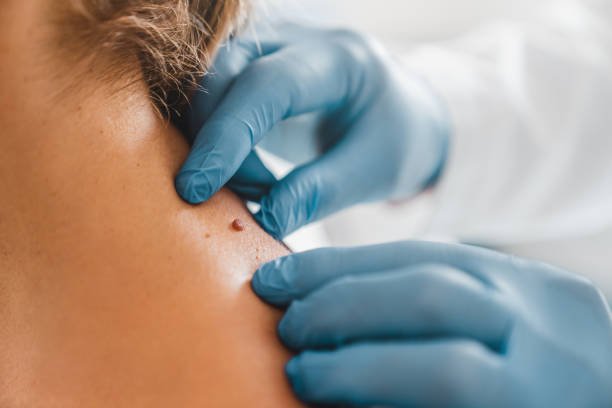
Eczema… oh, eczema! Those maddening itches, that red, inflamed skin, and dryness that no moisturizer seems to conquer. Eczema, or atopic dermatitis, is one of those chronic skin conditions that can truly disrupt life. It’s especially common in children, but many adults also struggle with it. Eczema is a complex disease where a combination of genetic, environmental, and immune system factors play a role. In short, the skin barrier in people with eczema is weaker, allowing allergens, irritants, and bacteria to penetrate more easily and cause inflammation.
Perhaps the most important point about the treatment of acne, eczema, and psoriasis, especially eczema, is that the goal is to manage and control symptoms, not to cure it. This means learning how to live with it and minimize its flare-ups. The main strategy in eczema management is to strengthen the skin barrier and reduce inflammation. What does this mean? First and foremost, moisturizers! They are the undisputed champions of eczema treatment. You should use thick, fragrance-free creams several times a day to keep the skin moisturized and strengthen its barrier.
Second, identify and avoid triggers. This one requires a detective game. Triggers can include harsh soaps, detergents, fragrances, certain fabrics (like wool), pollen, dust, animal dander, and even some foods. Everyone has their own triggers, and they need to be carefully identified. For example, for me, some synthetic fabrics immediately make my skin itch. I’ll put a small table here that might help you.
| Common Eczema Trigger | Prevention/Reduction Strategy |
|---|---|
| Harsh soaps and detergents | Use mild, fragrance-free, moisturizing cleansers |
| Hot water | Bathe with lukewarm water, short duration |
| Wool or synthetic fabrics | Wear loose-fitting cotton clothing |
| Fragrances and chemicals | Avoid scented products, choose hypoallergenic products |
| Stress | Manage stress with relaxation techniques (yoga, meditation) |
| Dry air | Use a humidifier at home |
In addition, your doctor may prescribe topical corticosteroids to control inflammation and itching. In more severe cases, other medications such as calcineurin inhibitors, or newer drugs like biologics, may be necessary. These new drugs have truly changed the course of acne, eczema, and psoriasis treatment. Again, it’s important that all of this is done under the supervision of an experienced dermatologist, like those at Kian Derm Clinic, to get the best results and prevent potential side effects.
🍎 Psoriasis: A Deep Dive into a Complex Disease and Its Control
Psoriasis, oh what a mysterious and sometimes bothersome disease! Unlike acne and eczema, which many are familiar with, psoriasis is still an unknown name for many. But for those who live with it, about 2 to 3 percent of the world’s population, it is a daily and sometimes very painful reality. Psoriasis is a chronic autoimmune disease that causes skin cells to grow much faster than normal and accumulate on the skin’s surface. The result? Those red, thick, silver-scaled plaques that can appear on any part of the body, from the head to the nails and even the joints.
What distinguishes psoriasis from other skin problems is its systemic nature. This means it doesn’t just affect the skin; it can be associated with more serious problems such as psoriatic arthritis (joint pain and inflammation), cardiovascular diseases, diabetes, and depression. Therefore, long-term management of acne, eczema, and psoriasis is really vital for psoriasis and requires a comprehensive approach.
The exact cause of psoriasis is still unknown, but we know that genetics play a significant role and environmental factors such as stress, infections, skin injuries (Koebner phenomenon), and even some medications can trigger its onset or exacerbation. There is no definitive cure for this disease, but fortunately, there are very effective treatment options to control symptoms and improve people’s quality of life. Treatment methods vary depending on the severity and type of psoriasis:
- Topical treatments: such as corticosteroids, vitamin D analogs, topical retinoids, and tar. These are usually used for mild to moderate psoriasis and reduce inflammation and slow down skin cell growth.
- Phototherapy (light therapy): using ultraviolet (UVA or UVB) radiation under medical supervision. This method can be very effective for moderate to severe psoriasis, as UV light can reduce inflammation and slow down skin cell growth.
- Traditional systemic drugs: such as methotrexate, cyclosporine, or acitretin. These drugs are prescribed for moderate to severe psoriasis and work by affecting the immune system or the rate of cell growth.
- Biologic drugs: These are the newest and most powerful treatments for moderate to severe psoriasis and psoriatic arthritis. Biologics target specific proteins that play a role in the inflammatory process of psoriasis. These revolutionary drugs have truly transformed the lives of many patients.
Choosing the best approach for acne, eczema, and psoriasis treatment for psoriasis is a shared decision between the patient and the dermatologist. An experienced specialist, like those working at Kian Derm Clinic, can discuss all options with you and suggest the best treatment plan based on the severity of the disease, your general health, and your preferences.
🩺 The Importance of Accurate Diagnosis and the Vital Role of a Dermatologist

You might ask, “Well, how hard is it to diagnose acne or eczema? A quick look is enough!” The truth is, yes, the initial symptoms of these diseases may seem relatively clear, but that’s just the tip of the iceberg. The world of skin diseases is so diverse and complex that accurate diagnosis and differentiation between various conditions is truly not a task for just anyone. For example, did you know that there are different types of acne, or that contact eczema can resemble atopic eczema but requires a completely different treatment approach? This is precisely where the role of a dermatologist, like those working at Kian Derm Clinic, is vital and irreplaceable.
Accurate diagnosis is the cornerstone of any successful acne, eczema, and psoriasis treatment. Without knowing exactly what we are dealing with, any attempt at treatment can be like shooting in the dark. An experienced and knowledgeable dermatologist can:
- Provide a correct diagnosis: Sometimes, one skin disease can have similar symptoms to another. For example, some fungal infections can resemble psoriasis. The doctor can make a definitive diagnosis with a thorough examination, and if necessary, biopsy or other tests.
- Assess disease severity: Grading the severity of acne, eczema, or psoriasis is crucial for choosing the best treatment option. Mild acne requires different strategies than widespread cystic acne.
- Identify underlying factors: Is your acne due to hormonal changes? Is your eczema related to a specific allergen? The doctor can help you find these factors.
- Develop a personalized treatment plan: “One-size-fits-all” doesn’t apply to skin diseases. Your age, gender, lifestyle, medications, and even personal preferences play a role in choosing treatment.
- Monitor treatment progress and adjust it if necessary: Chronic diseases can change over time. A good dermatologist monitors your treatment and adjusts it if needed to ensure you always get the best results.
So, if you are struggling with any chronic skin problem, please do not resort to self-treatment. Online information seeking is good, but it never replaces an in-person consultation with a real specialist. Kian Derm doctors, with years of experience and access to the latest methods and technologies, from accurate diagnosis to providing the most advanced acne, eczema, and psoriasis treatments, are with you to find the best path for your skin health and beauty.
Is your hair loss a source of worry and frustration? kianderm offers specialized treatments for alopecia and other hair conditions, providing expert guidance and effective solutions to promote healthier hair growth.
✅ Expert diagnosis of hair concerns
✅ Tailored treatment protocols
✅ Support for hair and scalp health
Explore your options at kianderm!
🏃♀️ Lifestyle Changes: The Cornerstone of Long-Term Skin Health
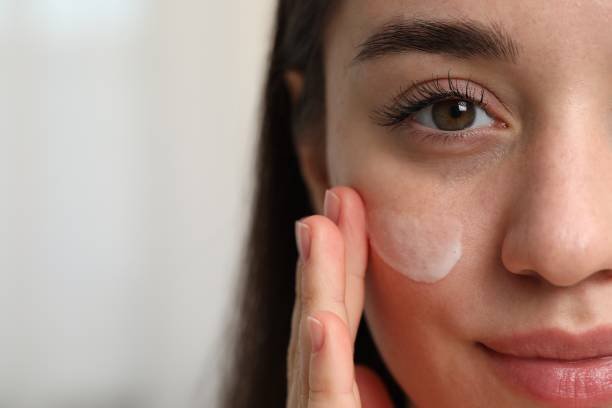
Do you think everything is just medication and cream? You’re mistaken! Believe it or not, many things we do every day in our lives, from what we eat to how much we sleep, can have a profound impact on our skin and the process of treating acne, eczema, and psoriasis. Lifestyle changes, one might say, are the cornerstone of long-term management of chronic skin diseases. If this pillar isn’t strong, any other treatment building we construct will eventually collapse. Let’s see what we have in store.
- Healthy Eating: “You are what you eat.” This phrase isn’t a cliché, it’s the truth! Research has shown that diet can affect inflammation in the body and skin health. For example, for some, reducing dairy or high-sugar foods can help improve acne. Anti-inflammatory diets, such as the Mediterranean diet, which is rich in fruits, vegetables, whole grains, and healthy fats (like omega-3s), can help manage eczema and psoriasis. The goal is not to deprive ourselves of everything, but to find balance and see which foods have a positive or negative effect on your skin.
- Stress Management: Stress is a silent killer of many things, including skin health. When we are stressed, the body releases hormones that can increase inflammation and affect the immune system. The result? Worsening of acne, eczema, and psoriasis. Stress management techniques, such as meditation, yoga, regular exercise, listening to music, or even spending time with friends, can truly help us on this path.
- Sufficient Sleep: Well, this one needs no explanation, right? When we sleep at night, our body repairs itself, including the skin. Chronic sleep deprivation can weaken the immune system and lead to increased inflammation. Try to get 7 to 9 hours of quality sleep every night.
- Regular Exercise: Exercise is not just for fitness; it works wonders for skin health too. Exercise increases blood circulation and helps eliminate toxins from the body. Of course, after exercise, be sure to shower to prevent sweat and bacteria from remaining on the skin and exacerbating acne.
- Avoid Smoking and Alcohol: These are two of the worst habits that can negatively impact overall body health, especially the skin. Smoking causes premature skin aging and can worsen psoriasis. Alcohol can also increase inflammation and dehydrate the skin.
Truly, small and consistent changes in lifestyle can make big differences in the treatment of acne, eczema, and psoriasis and your quality of life. These are not just recommendations; they are part of a long-term strategy for healthier and calmer skin.
🔬 New Medications and Methods in Long-Term Treatments
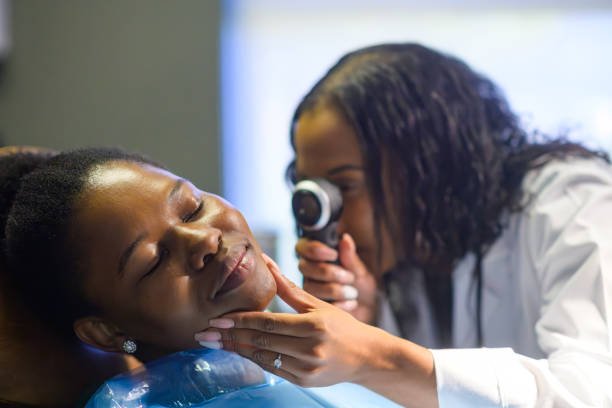
As we said, for the treatment of acne, eczema, and psoriasis, lifestyle alone is not enough. Sometimes, especially when the disease intensifies or doesn’t respond to initial treatments, we need more serious medical intervention. Medical science is constantly advancing, and in the field of dermatology, we witness the discovery and development of new and more effective methods every day. These advancements are truly promising and have opened a door to a better quality of life for many patients.
- Oral Systemic Medications: We mentioned them before, like isotretinoin for severe acne, methotrexate or cyclosporine for severe psoriasis and eczema. These medications affect the entire body and can control the disease from within. Of course, the use of these drugs must be under strict medical supervision and with regular monitoring as they can have side effects.
- Phototherapy (Light Therapy): This method, which uses ultraviolet radiation with specific wavelengths (such as narrow-band UVB or PUVA), is very effective for psoriasis and eczema resistant to treatment. UV light can reduce inflammation and help slow down the growth of skin cells. This treatment must be performed in a clinic and under the supervision of a specialist to prevent potential skin damage.
- Biologic Drugs: These are truly the new stars of the dermatology world! Biologics are engineered proteins that specifically target certain parts of the body’s immune system involved in disease development. For moderate to severe psoriasis, psoriatic arthritis, and even severe eczema, biologics can have excellent results and significantly reduce symptoms.
- JAK Inhibitors: Another new class of systemic drugs taken orally that affect specific signaling pathways in cells involved in inflammation. These can also be effective for moderate to severe eczema and psoriasis.
Choosing among all these options is truly a specialized and complex task. An experienced and up-to-date dermatologist, like those working at Kian Derm Clinic, can, by considering all aspects – disease severity, your medical history, other diseases and medications you are taking, and even your personal preferences – suggest the best and safest treatment path for acne, eczema, and psoriasis treatment in the long term.
| Type of Treatment | Main Mechanism of Action | Main Application (Acne, Eczema, Psoriasis) |
|---|---|---|
| Oral Retinoids (Isotretinoin) | Reduces oil production, anti-inflammatory, normalizes follicles | Severe and resistant acne |
| Phototherapy (UVB/PUVA) | Reduces inflammation, slows down skin cell growth | Psoriasis, severe eczema |
| Biologic Drugs | Targets specific immune system proteins | Moderate to severe psoriasis, psoriatic arthritis, severe eczema |
| JAK Inhibitors | Blocks inflammatory signaling pathways | Moderate to severe eczema, psoriasis |
| Oral Corticosteroids | Reduces systemic inflammation | Severe eczema and psoriasis (usually short-term) |
🧴 The Role of Home Care and a Proper Skin Routine
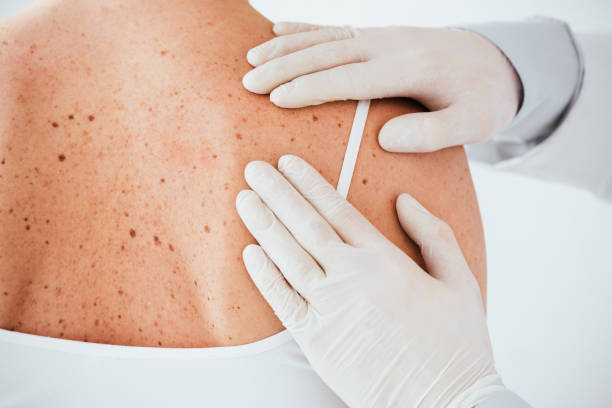
Okay, after all this talk about advanced medications and lifestyle, let’s get back to basics: your daily routine. Believe it or not, these seemingly simple things we do every day at home can have an incredible impact on the long-term management of acne, eczema, and psoriasis. A proper skin routine not only complements medical treatments but can also help prevent disease recurrence and maintain overall skin health. So, don’t underestimate this section, folks!
- Gentle Cleansing: The first step in any skin routine is washing your face. But not with just any cleanser! For sensitive skin prone to acne, eczema, or psoriasis, choosing mild, soap-free, fragrance-free, and harsh chemical-free cleansers is crucial. Over-washing or washing with hot water can damage the skin’s barrier and cause further irritation. Twice a day, with lukewarm water and gentle motions, is enough.
- Powerful Moisturizers: For eczema and psoriasis, moisturizer is the hero! Even for acne-prone skin, a suitable non-comedogenic moisturizer is necessary. Moisturizers help repair the skin barrier, lock in moisture, and reduce itching and dryness. Look for thick, rich moisturizers containing ceramides, hyaluronic acid, or shea butter. After showering or washing, when the skin is still slightly damp, is the best time to apply moisturizer.
- Sunscreen, Your Skin’s Best Friend: This one is truly a “must” in any skin routine, especially if you are dealing with skin conditions or using medications that make your skin sensitive to light (like retinoids). The sun’s UV rays can cause inflammation, worsen psoriasis, and even darken post-acne marks. Choose a sunscreen with at least SPF 30, broad-spectrum (UVA and UVB protection), and non-comedogenic (for acne-prone skin).
- Smart Product Choices: The market is full of different products, from strange masks to expensive serums. But for sensitive and problematic skin, “less is more”! Choose products carefully. Avoid trying too many new products in quick succession. Always patch test a new product on a small area of your skin before applying it to your entire face.
Home care and a proper skin routine are essential complements to acne, eczema, and psoriasis treatment under a doctor’s supervision. They work as a team. Remember, Kian Derm specialists can also help you choose the right products and set up a personalized routine to get the best results and keep your skin fresh and vibrant.
🧠 Psychological and Social Challenges and Support Strategies

Let’s be frank, living with a chronic skin condition isn’t just about itching, pain, and skin plaques. These are only part of the story. The psychological and social challenges that individuals with acne, eczema, and psoriasis face can sometimes be far more painful and destructive than the physical symptoms themselves. Depression, anxiety, reduced self-confidence, isolation, and even shame can all cast a heavy shadow over these individuals’ daily lives.
Imagine: a teenager with severe acne who is embarrassed to go to parties. Or an adult with severe eczema who is ashamed to shake hands with others. Or someone with psoriasis who constantly has to answer curious questions about their skin condition. These experiences can be truly debilitating, and unfortunately, they are often overlooked in acne, eczema, and psoriasis treatment plans. But for true and comprehensive long-term management, these aspects must also be considered.
- Dialogue and Education: The first step to overcoming these challenges is to talk. Talk to family, friends, and especially a specialist. Many individuals don’t even have enough information about their own condition and hold misconceptions. Educating oneself and others about the nature of the disease, that it is not contagious, and what its causes are, can greatly help reduce judgment and foster mutual understanding.
- Psychological Support: If you feel that your skin condition has affected your mental health, do not hesitate to seek help from a psychologist or counselor. Talking to a professional can teach you coping strategies, reduce your stress, and help you come to terms with your condition.
- Support Groups: Nothing reduces the feeling of loneliness like talking to someone who shares your condition. Support groups (online or in-person) provide an opportunity to share your experiences, learn from others, and feel that you are not alone. Often, hearing others’ success stories is a strong motivator to continue treatment.
- Focus on Overall Health: Sometimes, we need to shift our focus from “sick skin” to “healthy person.” Exercising, social activities, learning new skills, or anything that makes you feel good, can help you see your self-worth beyond your skin condition.
- Choosing Appropriate Clothing and Products: This is a small but important point. Wearing loose, cotton clothing, or using cosmetics (of course, with a doctor’s consultation) that can cover redness or spots, can help boost self-confidence.
At Kian Derm Clinic, we know that acne, eczema, and psoriasis treatment isn’t just about the skin; it’s about your whole being. That’s why we always strive to take a comprehensive approach and not leave you alone in these psychological and social challenges. Mental health, as much as physical health, is important for a quality life.
Are persistent skin issues like acne or eczema affecting your confidence? kianderm delivers professional dermatological care, offering precise diagnosis and tailored treatments to effectively manage your concerns and improve skin health.
✅ Advanced diagnostic capabilities
✅ Targeted treatments for common conditions
✅ Comprehensive support for skin wellness
Consult kianderm for clear skin today!
🤝 Collaborating with Kian Derm Specialists: A Brighter Future for Your Skin
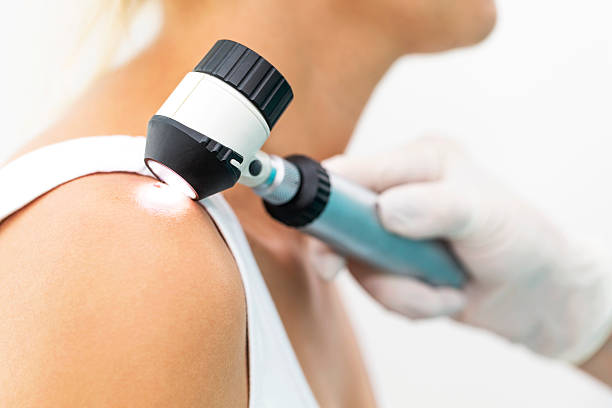
So far, we’ve talked extensively about the long-term management of acne, eczema, and psoriasis, from understanding the diseases to treatment strategies and even psychological and social aspects. It truly is a long journey that requires commitment and sufficient information. But there’s an important point you should always keep in mind: you are not alone on this journey. In fact, the success of this path heavily depends on your collaboration with a specialized and caring medical team.
Think of a ship caught in the turbulent sea of skin diseases. You are the captain, but to reach a safe harbor, you need an accurate roadmap and an experienced guide. This is where dermatologists come in. With their unparalleled knowledge and experience, like those gathered at Kian Derm Clinic, they can provide you with the best compass and roadmap. At Kian Derm, we deeply believe that every individual and every skin is unique, and that’s why we don’t follow a “one-size-fits-all” treatment approach.
Kian Derm’s services go beyond a simple visit. We are a comprehensive skin and beauty center that covers all your needs, from accurate diagnosis and insurance-covered acne, eczema, and psoriasis treatments to advanced aesthetic services that can help improve your appearance and self-confidence. What does this mean?
- Medical Dermatology: We specialize in the diagnosis and treatment of all types of skin, hair, and nail conditions. Whether it’s severe acne, treatment-resistant eczema, widespread psoriasis, or even hair loss and nail problems. From skin biopsies to cryotherapy for removing warts and lesions, all are part of our services.
- Therapeutic Botox Injections: Even therapeutic Botox injections for certain medical problems such as excessive sweating, which are also covered by insurance, are performed at our clinic.
- Aesthetic and Reconstructive Services: We know that skin health is not limited to treating diseases. Sometimes, spots, scars, wrinkles, or sagging skin can affect our well-being. By offering advanced aesthetic services such as Botox and filler injections, microneedling, PRP, mesotherapy, laser treatments, and advanced skin rejuvenation devices, we help you achieve healthier and younger-looking skin.
Our goal at Kian Derm is not just instantaneous treatment. Our goal is to provide a long-term and comprehensive solution for your skin health and beauty. We believe in a long-term relationship with our clients based on trust, expertise, and compassionate care. With us, you can envision a brighter and calmer future for your skin. Just take the first step and contact us.
| Question | Answer |
|---|---|
| What exactly does long-term management of acne, eczema, and psoriasis mean? | Long-term management means continuously controlling symptoms, preventing disease recurrence, and improving quality of life using a combination of medical treatments, lifestyle changes, and appropriate skincare over the long run. |
| Are acne, eczema, and psoriasis curable? | Currently, none of these diseases have a definitive cure, but with existing treatment and management strategies, symptoms can be effectively controlled, and long periods of remission can be experienced. |
| What is the role of diet in managing these diseases? | Diet can affect inflammation in the body. Some people experience improvement by reducing dairy, high sugars, or inflammatory foods (like processed foods). Anti-inflammatory diets like the Mediterranean diet are recommended. |
| How can I identify my eczema triggers? | By keeping a daily diary and recording consumed foods, new skin products, and environmental conditions that exacerbate eczema, you can gradually identify your personal triggers. |
| When should I see a specialist for acne, eczema, or psoriasis? | If your symptoms are severe, do not respond to home treatments, affect your quality of life, or if you have doubts about diagnosis and treatment, you should definitely consult a dermatologist. |
| Can stress worsen skin conditions? | Yes, stress is a strong trigger for many skin conditions, including acne, eczema, and psoriasis. Stress management through yoga, meditation, exercise, and other relaxation techniques can be very helpful. |
| Which skincare products are best for sensitive skin? | Products free of fragrance, alcohol, parabens, artificial colors, and containing moisturizing ingredients like ceramides, hyaluronic acid, or shea butter are the best options for sensitive and disease-prone skin. Look for “Hypoallergenic” and “Non-comedogenic” labels. |
| What role do biologic drugs play in treating severe psoriasis and eczema? | Biologic drugs are the newest and most powerful treatments for severe cases of psoriasis and atopic eczema. They specifically target parts of the immune system involved in disease development and can lead to significant improvement in symptoms. |
| Can I use aesthetic treatments to improve my skin’s appearance? | Yes, many aesthetic treatments such as laser, microneedling, or filler injections can be used to improve acne scars, blemishes, and skin rejuvenation. However, they should always be performed after controlling the primary disease and in consultation with a dermatologist. |
| How can I cope with the psychological effects of skin diseases? | Talking with family and friends, counseling with a psychologist, joining support groups, and focusing on activities that make you feel good can be effective in reducing anxiety and depression caused by skin conditions. |
And other services provided by Kian Derm Clinic include
• Body contouring consultation
• Cellulite reduction consultation
• Skin tightening consultation
• Scar management consultation
• Hair restoration consultation (non-surgical)
And dozens of other services in the fields of skin, beauty, and medical treatments
Skin | Hair | Beauty | Nails
Drive sustainable growth! kianderm provides environmental and social governance (ESG) information. ✅ Ethical business insights.
Phone: +1 (236) 551-2282
Email: info@kianderm.ca
Address: 1836 Lonsdale Ave, North Vancouver, BC V7M 2J9, Canada