


💇♀️New Horizons in Hair Loss Treatment with PRP: Recent Developments
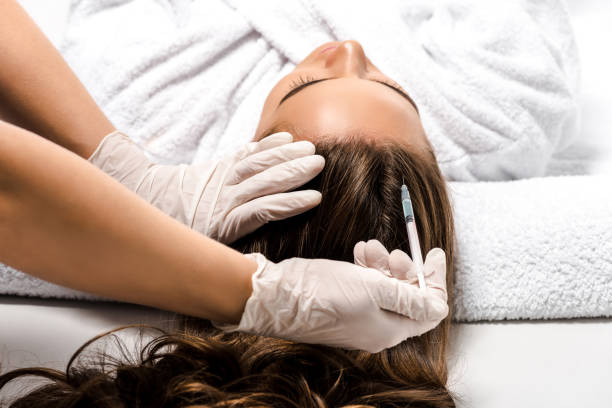
#Hair loss, well, as you know, it’s an old and often bitter story for many.
From ancient times until now, humanity has always sought ways to cope with this issue or prevent it altogether. In this regard, PRP treatment, or Platelet-Rich Plasma, has been making waves for several years and has kept many hopeful. But the thing is, this treatment method hasn’t stood still; it’s constantly evolving, with new things being added to improve results and make the patient’s experience more comfortable.
When we say “new horizons,” what exactly are we talking about? Well, I mean the things that are happening these days in advanced clinics and scientific research. It’s no longer just about drawing blood and simple injections, no! We’re talking about a new generation of this treatment that aims to be more effective, more targeted, and, to be honest, more personalized. If you thought PRP was just a simple method, I must tell you that you are gravely mistaken! Now, doctors and specialists, like our colleagues at Kian Derm, with up-to-date knowledge and sufficient experience, are taking this technique to a new level. These changes are truly remarkable and are making it possible for more people to have healthy, voluminous hair again, without worrying about side effects or disappointing results. Therefore, it’s very important to always be familiar with the latest findings and know what options are available to us.
🔬How the Science Behind PRP Works Its Magic
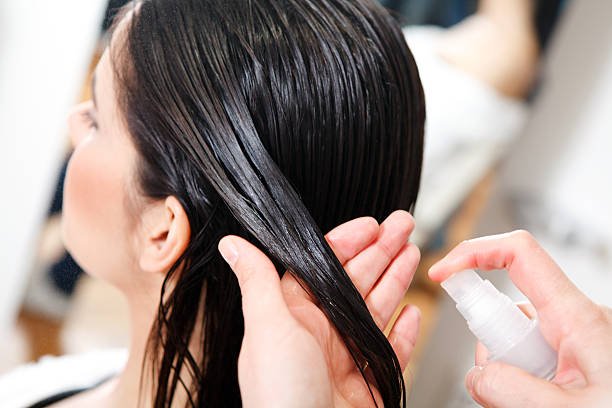
#Now let’s delve a little deeper and see how this PRP works to have gained so many proponents.
Where did it all start? Well, from the body’s own platelets! You see, platelets aren’t just for blood clotting; they contain a lot of growth factors and activating proteins that, when released, can send repair signals. When we take your own blood for PRP hair loss treatment, and then centrifuge it to concentrate the platelets, a yellowish liquid is obtained with a much higher platelet concentration than normal.
Now, we inject this liquid into the scalp, precisely where hair follicles are weakening or dormant. When these concentrated platelets get to work, they start releasing their famous growth factors. Factors like PDGF (Platelet-Derived Growth Factor), VEGF (Vascular Endothelial Growth Factor), TGF-beta (Transforming Growth Factor-beta), and many others. What do these do?
First and foremost, they improve blood flow in that area. Well, a hair follicle needs proper blood supply for good growth, doesn’t it? Then, these factors start stimulating the stem cells within the hair follicle, waking them up to become active again and produce hair. Also, these substances help to lengthen the hair growth phase (anagen) and make thinning hairs thicker and stronger again.
What’s the result? Hair loss decreases, new hairs begin to grow, and existing hairs look thicker and healthier. This is exactly the mechanism that has made PRP hair loss treatment an attractive and natural option, as it uses the body’s own power for repair and regeneration. And that’s truly interesting and hopeful, isn’t it?
Ready to erase years from your appearance without surgery? kianderm’s advanced laser and device-based treatments offer revolutionary skin rejuvenation, targeting multiple concerns.
✅ Effective reduction of wrinkles, fine lines, and sun damage
✅ Improvement in skin tone, texture, and firmness for a youthful look
✅ Personalized treatment protocols for optimal and visible outcomes
Experience cutting-edge beauty at kianderm!
🧪The Difference Between Traditional PRP and More Advanced Formulations
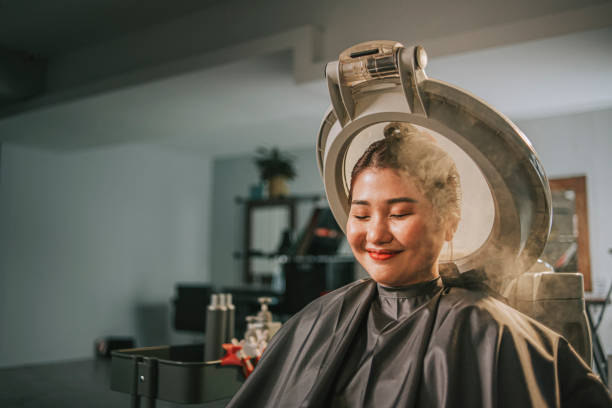
#I remember when PRP treatment for hair loss first emerged, well, everything was simpler.
A standard kit and a specific centrifugation protocol. But, as I said, science doesn’t stand still. Now, it’s not just traditional PRP; we have many new formulations and derivatives, each with its own claims, and well, some of them have indeed shown better results.
Traditional PRP was just platelet-rich plasma, with platelet concentrations approximately 5 to 10 times that of normal blood. But now, we are dealing with things like PRF (Platelet-Rich Fibrin) or even A-PRF (Advanced PRF) and i-PRF (injectable PRF). What’s the main difference?
In PRF, the centrifugation speed is lower and the time is also different. This causes platelets and white blood cells (like neutrophils and lymphocytes) to get trapped in a fibrin network. This fibrin network acts like a scaffold that slowly and for a longer duration releases growth factors. What does that mean? It means the regenerative and stimulating effects continue in the scalp for a longer period. It’s like delivering a continuous dose of growth factors to the follicles.
This slow release of factors can lead to more stable and effective results, especially for improving hair quality and growth. Some of these more advanced methods may even contain more stem cells from peripheral blood, which further enhances their regenerative potential. These advancements show how dynamic this field is and how it’s becoming better and more precise every day.
Now, let’s take a look at the key differences to clarify the matter:
| Feature | Traditional PRP | PRF (Platelet-Rich Fibrin) |
|---|---|---|
| Centrifugation Method | High speed, longer time | Low speed, shorter time |
| Contents | Concentrated Platelets | Platelets, White Blood Cells, Fibrin Network |
| Growth Factor Release | Rapid and initial | Slow and sustained |
| Regenerative Potential | Moderate to Good | Good to Excellent |
🤝Combining PRP with Other Treatments: Synergy for Better Results
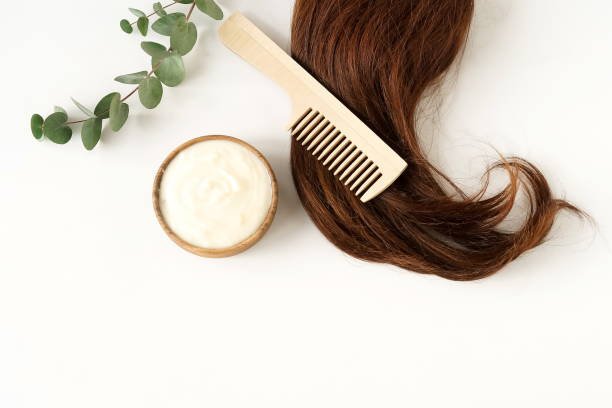
#You know, in medicine, there’s always been this idea that if something is good, maybe combining it with another good thing can lead to excellent results.
This also holds true for PRP hair loss treatment. Often, to get the best results, specialists recommend combining PRP with other treatment methods. This synergy can truly make a big difference.
For example, microneedling! This method, by creating tiny punctures on the scalp, not only significantly enhances PRP absorption but also helps hair growth by stimulating collagen production and activating the body’s natural repair processes. When these two are combined, PRP can penetrate deeper, and its effectiveness is doubled.
Or mesotherapy! Injecting vitamin cocktails, minerals, and hair-strengthening medications into the scalp can be an excellent complement to PRP. These nutrients nourish the hair follicles and create an optimal environment for the PRP growth factors to work better.
Even topical medications like Minoxidil or oral medications like Finasteride can be part of this combination. Minoxidil, by increasing blood flow, and Finasteride, by controlling hormones responsible for hair loss, each contribute in their own way to making the environment more conducive for healthy hair growth. When PRP is added to this equation, the entire system is strengthened, resulting in hair that is both healthier and more voluminous.
Even Low-Level Laser Therapy (LLLT) or LED light therapy are options that can be combined with PRP. These methods can help stimulate cells and improve blood circulation. So, you see, there are many combination options, and choosing the best combination depends on the type and severity of hair loss, and of course, the precise diagnosis of the specialist. This is the art of a skilled physician who knows what to combine with what to get the best results for each individual.
🧬Exosomes and Stem Cells: The Next Frontier in Hair Treatment
#Well, if you think PRP itself is advanced, I must say we’re just entering an even more exciting world.
Let’s go one step beyond PRP and talk about Exosomes and Stem Cells. These are truly pushing the boundaries of hair loss treatment.
Exosomes can be thought of as tiny particles that cells use to communicate with each other. These micro-particles carry important messages, such as proteins, RNA, and growth factors. When we extract exosomes from stem cells, these exosomes can deliver regeneration and repair messages to hair follicle cells and stimulate growth. Imagine them as tiny messengers carrying growth instructions to dormant follicles.
This technology is still in the early stages of clinical research for hair loss, but initial results have been truly promising. These exosomes have the potential to perform even more powerfully than PRP, as they can act more precisely and targeted, delivering repair signals to target cells with greater accuracy.
Now, stem cells! These are already known to everyone. Cells that have the potential to differentiate into various other cell types. In the context of hair loss, research has focused on using an individual’s own stem cells (from fat or bone marrow) or even embryonic or umbilical cord stem cells. The goal is to inject these cells into the scalp to directly create new follicles or completely rejuvenate existing ones.
These methods are still under research and development and require further studies to fully prove their safety and effectiveness, but well, they show horizons that were truly unimaginable in the past. PRP hair loss treatment can be considered the first step into this complex and advanced world.
Seeking a subtle lift and refreshed appearance? kianderm’s expert use of Botox and dermal fillers can beautifully sculpt and rejuvenate your face with natural results.
✅ Precise injections for wrinkle reduction and facial contouring
✅ Customized treatment plans for harmonious and balanced results
✅ Experienced professionals ensuring your comfort and safety
Refine your look at kianderm!
💉Advanced PRP Injection Methods
#Well, so far we’ve talked about the PRP substance itself and its advanced types, but the quality of the substance isn’t the only important thing; the PRP injection method also has a tremendous impact on the result.
The era of simple, old-fashioned injections is over. Now, specialists are using advanced techniques and tools that both reduce patient pain and discomfort, and make the injection more precise and effective.
For example, microneedling simultaneously with PRP. This method not only creates pathways for better PRP penetration but also stimulates the scalp for regeneration, enhancing the effect of PRP. In fact, first, we prepare the scalp with a microneedling device, and then we gently spread the PRP over the skin to enter through those tiny punctures. This method can help with more uniform and widespread absorption.
Then, derma-stamps or micro-punches. These are tools where, instead of a microneedling roller, their needles enter the skin vertically and in a controlled manner. This higher precision reduces damage to surrounding tissues and allows PRP to be injected exactly to the desired depth.
Newer than these are automated and even robotic injection systems that can adjust the dose and depth of injection with millimeter precision. These systems not only minimize errors but also increase injection speed and make the entire process more comfortable for the patient. Such technologies are particularly used in well-equipped and experienced clinics like Kian Derm to ensure that each injection yields the most optimal results.
Even in terms of needles, there have been many advancements; much finer and specialized needles that greatly reduce pain and provide a better experience for the client. The choice of the best injection method, as always, depends on the doctor’s diagnosis and each individual’s specific conditions.
🎯Personalized PRP: Tailored Treatment for Each Individual
#I remember a time when there was one treatment method for everyone.
Meaning, they thought if something worked for one person, it would work for everyone. But that’s not the case anymore. We know that every individual is unique, and this applies to PRP hair loss treatment as well. What is highly emphasized now is personalized PRP. What does that mean?
It means we first need to know exactly why you are losing your hair. Is it hereditary? Hormonal? Stress? Vitamin deficiency? An underlying illness? This accurate diagnosis is the starting point for everything. Specialists like our colleagues at Kian Derm, using methods such as trichoscopy (viewing hair and scalp with special magnifying devices) and complete blood tests, try to get to the root of the problem.
After diagnosis, it’s time to set the PRP protocol. This is no longer just a simple injection. Depending on the type of hair loss, its severity, the patient’s age, general health status, and even the body’s response to previous treatments, the doctor can adjust the PRP protocol. For example:
| Factor | Treatment Settings |
|---|---|
| Platelet Concentration | Tailored to individual needs (by changing the centrifugation protocol) |
| Injection Volume | Based on the area’s extent and severity of hair loss |
| Number of Sessions | Usually 3 to 6 initial sessions, then maintenance sessions |
| Interval Between Sessions | Monthly or every 2-3 months, depending on treatment response |
The doctor might even decide whether to use regular PRP or opt for PRF. This means each patient has their own specific treatment plan, which significantly increases the chance of success. This personalized approach is what has transformed PRP from a general method into a targeted and highly effective treatment. And this is a really important point to consider.
📈Expectations and Realities: What Patients Should Know
#Well, when we talk about PRP hair loss treatment, it’s natural for people to have high expectations.
Advertisements, before-and-after photos, and even friends’ stories might create a dreamy picture of the results. But it’s important to be realistic and know what this method can and cannot do.
First of all, PRP is not magic! What does that mean? It means don’t expect your youthful, voluminous hair to suddenly return after one session. The results of this treatment are usually gradual and require patience and persistence. Most people start to see improvement after 3 to 6 initial sessions, which are usually done at monthly intervals. This improvement can include reduced hair loss, increased hair strand thickness, and new hair growth.
Another point is that results are not the same for everyone. Some respond very well, some moderately, and for a few, significant effects might not be seen. This depends on factors such as age, type and severity of hair loss, general body health, and even genetics. However, most studies show that this method can significantly reduce hair loss and lead to regrowth and thickening of hair.
And as for side effects. Well, since PRP is derived from your own blood, serious side effects are very rare. Usually, there might be some redness, swelling, or bruising at the injection site that resolves within a day or two. Pain is also manageable with local anesthesia. But it’s very important to have this procedure done by an experienced specialist in a reputable clinic, a place like Kian Derm, which follows sterile equipment and proper protocols.
In short, PRP is a powerful tool for combating hair loss, but like any other treatment, it requires realistic expectations, commitment to treatment sessions, and choosing a good clinic. If these points are observed, the chance of achieving satisfactory results is very high.
🚀The Future of Hair Restoration: A Blend of Biology and Technology
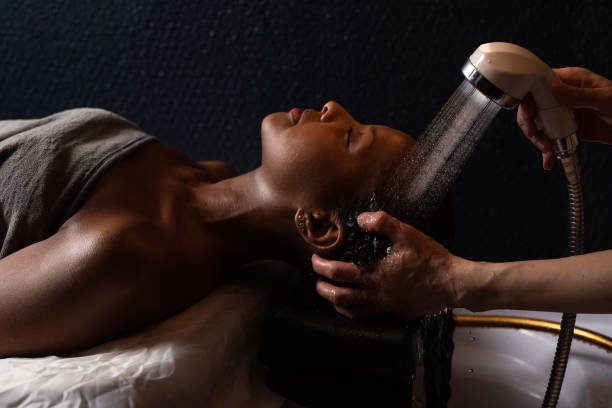
#When I think about the future of hair loss treatments, I get really excited.
It’s like we’re entering a science fiction movie, but well, these stories are happening in the real world. The future of hair restoration is no longer just about hair transplants or injecting a substance; it’s becoming a combination of the most complex biological knowledge with the most advanced technologies.
Even now, we’re seeing how Artificial Intelligence (AI) is entering the field of diagnosis. It’s no longer just the doctor looking at your hair; AI systems can analyze hair loss patterns with unparalleled accuracy, diagnose the type of hair loss, and even predict how effective each treatment might be.
Then we get to gene therapy. Well, many types of hair loss have a genetic root. Imagine a day when we could, through genetic manipulation, program hair follicles in such a way that they are no longer affected by hair loss factors or even create new hairs that never fall out! This idea might seem far-fetched now, but scientists are working on it.
Similarly, bio-scaffolds or biological scaffolds. These are materials that can be manufactured in the lab and then injected into the scalp to serve as a platform for the growth of new follicles, or even cultivate hair follicles in the lab and then transplant them to the scalp.
PRP also continues to play a fundamental role in this equation. Perhaps as part of a more complex combination therapy, or perhaps as a basic method for preparing the scalp to receive more advanced technologies. This means that every day we are getting closer to more effective and permanent ways to combat hair loss. This path is full of innovation, and everyone on this path must be ready to learn and accept changes.
| Technology | Therapeutic Potential |
|---|---|
| Artificial Intelligence (AI) | Accurate diagnosis, outcome prediction, treatment personalization |
| Gene Therapy | Correction of genetic causes of hair loss, permanent regeneration |
| Stem Cells | Production of new follicles, strengthening existing follicles |
| Bio-scaffolds | Growth platform for follicles, laboratory-grown hair transplantation |
| Exosomes | Transfer of cellular growth and repair signals, alternative to PRP |
Dreaming of a youthful glow that lasts? kianderm delivers premium aesthetic solutions, skillfully administered to enhance your natural beauty and reverse signs of aging.
✅ Expert Botox and dermal filler injections for refined contours
✅ Personalized skin rejuvenation strategies for lasting radiance
✅ State-of-the-art laser and device treatments for ultimate results
Reveal your best self with kianderm!
👩⚕️Why Visit a Specialized Clinic for PRP?
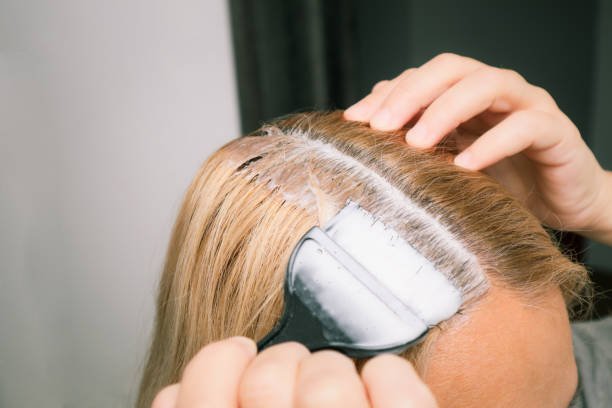
#Well, with all these discussions and advancements we’ve heard about PRP hair loss treatment, a very important question arises:
Why should you definitely visit a specialized and reputable clinic? Why shouldn’t you fall for flashy advertisements or low prices? The thing is, this method, despite its apparent simplicity, requires deep knowledge and sufficient experience to both achieve desired results and God forbid, avoid any problems.
First of all, the doctor’s expertise and experience. An experienced dermatologist and hair specialist, like the doctors at Kian Derm, knows exactly how to diagnose your type of hair loss. Is PRP even suitable for you, or do you need combination treatments? Which type of PRP (traditional, PRF) is best for you? What should the centrifugation protocol be? These are all questions that only a specialist can answer.
Next, hygiene and safety standards. Injection is a medical procedure. It requires a sterile environment, disposable equipment, and strict adherence to hygiene protocols. A reputable clinic would never violate these principles, because patient health is the most important thing. Using standard and approved kits is a crucial point that must be paid attention to.
And finally, follow-up and aftercare. Hair loss treatment is not a single-session process. It requires multiple sessions and regular follow-ups. A good clinic won’t abandon you after the injection; instead, it will monitor your progress and, if necessary, provide recommendations and complementary treatments.
At Kian Derm, relying on up-to-date global knowledge, experienced staff, and the use of the most advanced equipment, we strive to provide the best and safest services in the field of skin and hair treatments, including PRP, to our dear clients. Choosing a reputable center guarantees the best results and your peace of mind. Ultimately, your health and beauty are our priority.
| Question | Answer |
|---|---|
| What is PRP and how does it help treat hair loss? | PRP (Platelet-Rich Plasma) is prepared from the patient’s own blood. Concentrated platelets contain growth factors that, after injection into the scalp, stimulate hair follicles, improve blood circulation, and lead to stronger hair and regrowth. |
| What is the difference between traditional PRP and PRF? | PRF (Platelet-Rich Fibrin) is prepared with lower centrifugation speed and includes platelets, white blood cells, and a fibrin network that releases growth factors slowly and for a longer period, which can contribute to more stable results. |
| Is PRP effective for all types of hair loss? | PRP is particularly effective for androgenetic alopecia (hereditary hair loss) and alopecia areata (patchy hair loss). Its effectiveness depends on an accurate diagnosis of the type of hair loss and the individual patient’s condition. |
| How many PRP sessions are needed to see results? | Typically, 3 to 6 initial sessions at 3 to 4-week intervals are recommended. After that, maintenance sessions every 3 to 6 months may be necessary. Results are usually visible after a few months. |
| Does PRP have side effects? | Since PRP is prepared from the patient’s own blood, serious side effects are rare. There may be slight redness, swelling, bruising, or mild pain at the injection site, which usually resolves within a few days. |
| Can PRP be combined with other treatments? | Yes, PRP is often combined with methods such as microneedling, mesotherapy, topical medications (Minoxidil), or oral medications (Finasteride) for better results. |
| How to choose a reputable clinic for PRP? | Look for a clinic with an experienced dermatologist and hair specialist, skilled medical staff, sterile equipment, and standard kits. An initial consultation for accurate diagnosis and tailoring a suitable treatment protocol is essential. |
| When should results be expected? | Reduced hair loss is usually observed after 2 to 3 months. New hair growth and improved thickness may take 4 to 6 months or even longer. Patience and adherence to treatment are crucial. |
| Are there more advanced injection techniques for PRP? | Yes, methods such as simultaneous microneedling, using derma-stamps, or automated injection systems are used for greater precision, better absorption, and reduced patient discomfort. |
| Are exosomes or stem cells alternatives to PRP? | Exosomes and stem cells are more advanced and complementary methods to PRP that have high potential in hair regeneration. These methods are still in the research and development stages but may accompany or replace PRP in the future. |
And other services provided by Kian Derm Clinic include
• Photodynamic therapy (PDT) for acne
• Photodynamic therapy (PDT) for actinic keratosis
• Narrowband UVB phototherapy
• Excimer laser for localized conditions
• Psoriasis light therapy
And dozens of other services in the fields of skin, beauty, and medical treatments
Skin | Hair | Beauty | Nails
What if you could predict market shifts? Understand customer demographics and behaviors with precise data. ✅ Enhanced decision-making
✉️ info@kianderm.ca
📱 +1 (236) 551-2282
📞 +1 (236) 551-2282
📍 1836 Lonsdale Ave, North Vancouver, BC V7M 2J9, Canada