


✨ Hair Loss; A Common Problem with Countless Concerns
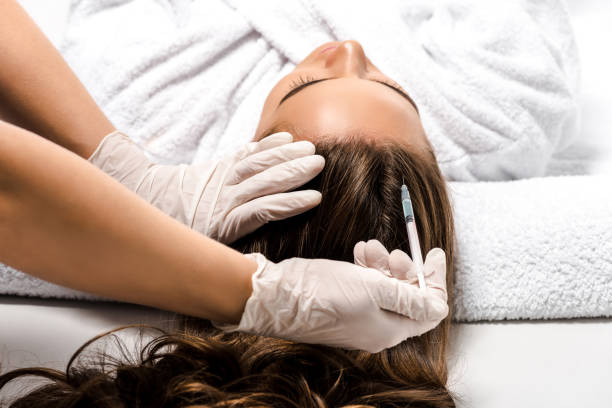
Hair loss, this uninvited guest, can significantly impact one’s self-confidence and even quality of life. Well, who wants their hair to thin out or, God forbid, go bald? It doesn’t matter if you’re a man or a woman, seeing more hair on your comb or in the shower every day is truly worrying. You start to wonder why this is happening? Am I getting old? Do I have a serious problem? These questions and a thousand others swirl in your mind.
Many people think hair loss is just a cosmetic problem, but the reality is much deeper. Psychologically, hair plays a big role in our visual identity and self-image. When hair falls out, that self-image seems to crack in a way. I’ve seen how this issue can even affect one’s social and professional relationships. For example, someone might avoid parties or feel uncomfortable in business meetings. All of this is due to the unpleasant feeling that hair loss brings.
The reasons for hair loss are, thank goodness, not few. From genetics and heredity to daily stress, poor nutrition, hormonal changes, various diseases, and even the use of certain medications. Each of these can lead to hair saying goodbye. Sometimes, several of these factors conspire together and intensify the hair loss. It’s truly difficult to diagnose the exact cause sometimes, which is why consulting a dermatologist and hair specialist is crucial.
Most people initially try to solve the problem with various shampoos or strengthening lotions they buy from the pharmacy. Well, sometimes it might work for mild hair loss, but when the issue becomes more serious, these solutions are no longer enough. Here, one must think about more effective methods. Methods that can truly awaken hair follicles and give them a second chance. Because it’s truly a shame to just stand by and watch your hair diminish before your eyes.
Now, with so many methods and products coming into the market every day, choosing the right path is truly confusing. From oral and topical medications to laser therapy and finally hair transplantation. Each of them has its own advantages and disadvantages. But among these, there is a method that has become very popular in recent years and has attracted a lot of attention: hair loss treatment with PRP. This method uses our body’s own healing capabilities to regenerate and strengthen hair, which is, of course, very appealing. Stay with us to talk more about this new and effective option.
🔬 What exactly is PRP and why is it good for hair?

Alright, let’s get into what this much-talked-about PRP actually is and why it has caused such a stir in the field of hair loss treatment. PRP stands for “Platelet-Rich Plasma,” meaning something taken from your own blood. Now, what are these platelets? Platelets are tiny cells in our blood whose main job is to help blood clot during an injury. But besides this, they have another very important function: they are full of growth factors. These growth factors are exactly the substances our body needs for tissue repair, cell growth stimulation, and regeneration.
Imagine your body has a toolbox full of repair and construction tools. Platelets contain all the wrenches, pliers, and everything needed for repair and strengthening. When a part of the body needs repair, these platelets go there and start releasing these growth factors. The result is faster healing, new cell growth, and repair of damaged tissue.
Now, why is this good for hair? The reason is that hair follicles, which are the roots of the hair, need a healthy environment full of nutrients and growth factors to be strong and produce healthy hair. When hair loss occurs, follicles usually become weak and small, and can no longer produce strong hair, or even become inactive. By injecting PRP into the scalp area, we are actually delivering a lot of these growth factors directly to the hair follicles.
What do these factors do? First, they stimulate dormant or weak follicles to reactivate and produce hair. Second, they improve blood supply to the scalp area, because follicles need blood and oxygen to grow. Third, they increase the thickness of existing hair and strengthen them. It’s somewhat like applying a very strong and specialized fertilizer to the root of a plant to revitalize it and make it grow.
It’s interesting that PRP, as a treatment method, has been used in medicine since the 1980s for treating wounds, sports injuries, and oral and dental surgeries. This means it’s not a new or unknown technique, but rather has a long and reputable history in medicine. This history has led to greater confidence in this method in the field of aesthetics, especially for hair loss treatment. Well, using something natural from your own body to treat yourself is very logical and interesting, isn’t it?
Concerned about warts or benign lesions that bother you? kianderm offers swift and effective cryotherapy removal services as part of our medical dermatology expertise.
✅ Quick and safe removal of various skin lesions
✅ Expert diagnosis to ensure appropriate and effective treatment
✅ MSP-covered services for your convenience and peace of mind
Remove your skin concerns with kianderm!
🧪 How does PRP’s mechanism of action help strengthen follicles?
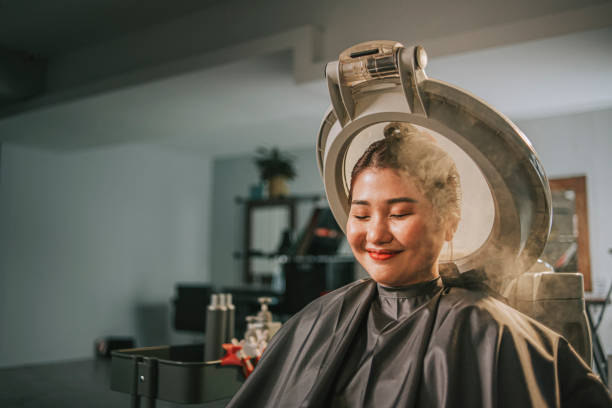
So far, we’ve learned that PRP is full of growth factors, but how exactly do these factors get to work and perform their magic? The story begins when we inject the enriched platelets deep into the scalp, precisely where the hair follicles reside. Once these platelets reach their destination, they start releasing a series of chemical signals and specific proteins. These signals act like tiny commanders, instructing the surrounding cells on what to do.
One of the important functions of these growth factors is to stimulate new angiogenesis (blood vessel formation). You know that every hair follicle needs oxygen and nutrients, delivered through blood, to survive and grow. When new blood vessels are formed in the follicle area or existing ones are strengthened, blood supply improves, and the follicles get a new lease on life. This is like watering a dry garden with a stronger irrigation system; naturally, the plants will become more vibrant.
Additionally, growth factors act on the stem cells present in hair follicles. Stem cells are those pluripotent cells that can differentiate into various cell types. By stimulating these cells, PRP helps hair follicles that might have been inactive for a long time or stuck in a prolonged resting phase to re-enter the growth phase. It’s somewhat like waking a hibernating bear from its winter sleep, but with a positive goal.
Another interesting point is that PRP also reduces inflammation. Sometimes, hair loss occurs due to chronic inflammation in the scalp that damages the follicles. The growth factors in PRP also have anti-inflammatory properties and can help reduce this inflammation, thereby providing a healthier environment for hair growth.
| Growth Factor Name | Primary Function in Hair Growth |
|---|---|
| PDGF (Platelet-Derived Growth Factor) | Cell division and growth, angiogenesis |
| TGF-β (Transforming Growth Factor-beta) | Regulation of cell growth and tissue repair |
| VEGF (Vascular Endothelial Growth Factor) | Stimulating new blood vessel growth |
| EGF (Epidermal Growth Factor) | Production of skin and follicular cells |
| FGF (Fibroblast Growth Factor) | Tissue repair and stem cell growth |
All of these work together to make thin and weak hair thicker and stronger. The hair growth cycle, which includes growth, resting, and shedding phases, also becomes more regulated and prolonged with PRP. This means hair stays in the growth phase longer and enters the shedding phase later. In short, PRP is a strong helper for hair follicles, giving them the energy and signals needed for a new beginning.
💉 Step-by-Step to PRP Injection at Kian Derm
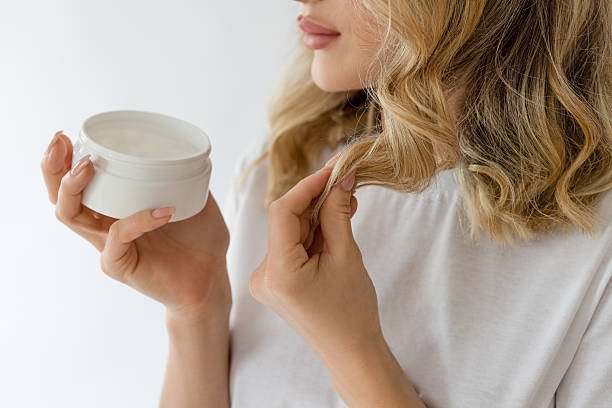
Alright, now that we understand what PRP is and how it works, let me give you an overview of the steps you’ll go through when you visit a reputable clinic like Kian Derm for PRP hair loss treatment. This process usually happens in a few simple and clear steps, and there’s absolutely nothing to worry about.
The first step is the initial consultation. This is very important. You’ll meet with a specialist dermatologist and hair expert at Kian Derm. The doctor will assess your hair loss condition, ask about your medical history, review any medications you’re taking, and discuss your expectations for the treatment. In this stage, the doctor determines whether you are a suitable candidate for PRP. This is where your questions are answered, and you can clear up any ambiguities. At Kian Derm, we emphasize that the consultation should be comprehensive and precise so that you make an informed decision.
After approval, it’s time for blood collection. Don’t worry, it’s exactly like a routine blood test. A small amount of blood is drawn from your arm. Usually about 10 to 20 milliliters, which is not much at all and causes no problems. This blood is the raw material for preparing your PRP.
Now, this blood sample is put into a special device called a centrifuge. What does this device do? It spins at a very high speed and separates the different components of the blood based on their weight. In this process, the Platelet-Rich Plasma (PRP), which is the golden part full of growth factors, is separated from other components like red and white blood cells and forms a distinct layer. This must be done carefully by trained personnel to obtain pure, high-quality plasma.
Once the PRP is ready, the doctor carefully injects it into specific points on your scalp using very fine needles. Before injection, a topical anesthetic is usually applied so that you don’t feel any pain and are comfortable. Injections are performed at a shallow depth and at regular intervals to ensure the growth factors reach all target follicles uniformly. This stage usually takes 20 to 30 minutes.
The entire process, from blood collection to injection, takes no more than 45 minutes to an hour. After completion, you can immediately return to your normal daily activities. Usually, no prolonged rest is needed. Of course, the doctor will definitely give you post-injection care instructions that you must follow carefully to get the best results. In short, it’s a simple, safe, and relatively quick process that can change the life of your hair.
🤔 Are you a suitable candidate for PRP?
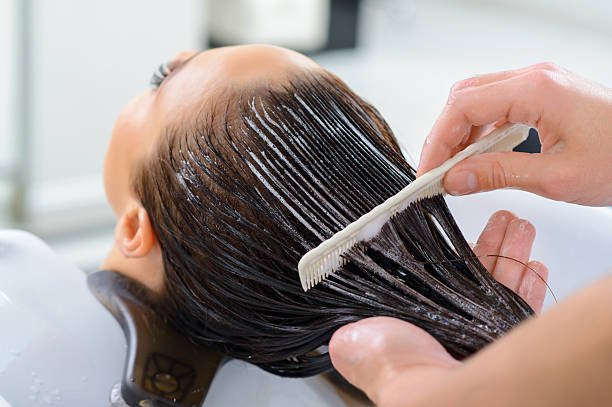
One of the most important questions people have before starting PRP hair loss treatment is, “Is this method good for me?” Honestly, PRP isn’t suitable for everyone, and identifying the right candidate is a crucial part of a doctor’s job. So, let’s see who usually gets the best results from this treatment and who might need to consider other methods.
The best candidates for PRP are those experiencing androgenic alopecia, or genetic hair loss (male or female pattern baldness), but not in very advanced stages. This means their hair follicles are not yet completely destroyed; they are just weakened or miniaturized. Such individuals have thin, light-colored hairs, also known as miniaturized hairs. PRP can reactivate these weak follicles and lead to the growth of thicker, healthier hair.
Also, individuals with alopecia areata (patchy hair loss) where the extent of hair loss is not severe can achieve good results from PRP. With its anti-inflammatory properties, PRP can help control this autoimmune disease and stimulate hair regrowth. However, it’s important to know that if hair follicles have been lost for a very long time and no longer exist, PRP cannot work miracles. Well, if there’s no root, how can we expect growth?
Now, who are not suitable candidates or should undergo this treatment with more caution?
- Those with specific blood disorders such as platelet problems or clotting disorders.
- Individuals taking blood thinners, as it may increase the risk of bruising or bleeding.
- Those with active infections, both general and in the scalp area.
- Cancer patients, especially those undergoing chemotherapy.
- Pregnant or breastfeeding women, as there is not enough research on the safety of PRP during these periods.
- Individuals with very advanced hair loss where most follicles are completely destroyed. In these cases, hair transplant might be a better option.
- Those with severe autoimmune diseases.
So you see how important it is to determine candidacy. At Kian Derm, a specialist doctor will provide you with the best recommendation after a thorough examination of your health condition. Our goal is for you to get the best and safest results from PRP hair loss treatment, and we never encourage anyone to undergo a treatment that is not suitable for them without a complete assessment.
Seeking a trusted partner for your dermatological journey, from diagnosis to aesthetic perfection? Kian Derm delivers meticulous care for conditions requiring medical botox or cryotherapy, alongside transformative cosmetic procedures like dermal fillers and PRP.
✅ Meticulous medical and aesthetic care
✅ Solutions for diverse conditions
✅ Results-driven treatments
Experience kianderm’s difference.
📈 Realistic Expectations for PRP Results and Timeline
When it comes to PRP hair loss treatment, many people come with high expectations, and rightfully so, because they want to see results. But the reality is that PRP is not a magic wand, and like any other medical treatment, its results take time and may vary for everyone. Knowing what to expect and how long to wait greatly helps us enter this path with a clearer perspective.
Most patients typically begin to see results after 2 to 3 PRP treatment sessions. What I mean is that significant and real changes usually become apparent after this number of sessions. Each treatment session is also usually performed with a one-month interval. This means you should wait about 2 to 3 months to have a relatively good assessment of the treatment’s effectiveness.
The first changes usually observed are a reduction in hair loss, followed by an increase in the thickness of thinned hairs. Initially, the new hairs that grow might be very light and thin, but over time and with continued treatment, these hairs become stronger and darker. Weak, dormant follicles awaken again and begin to produce hair. Well, this is a natural process that takes time.
Peak results are usually seen 6 to 12 months after the start of treatment and completion of the initial sessions. This means one must be patient and consistent. It’s like planting a small tree; you can’t expect it to bear fruit overnight. You have to water and fertilize it and wait for it to grow before it yields fruit after some time. PRP hair loss treatment is exactly the same.
The number of required sessions can also vary. Most people initially need between 3 to 6 monthly treatment sessions. After this initial course, to maintain results and prevent recurrent hair loss, you may need booster (maintenance) sessions every 6 months or once a year. These booster sessions are really important to ensure the results you’ve achieved remain stable. The specialist doctor will provide you with a personalized treatment plan after assessing your condition.
Being realistic about expectations is very important. PRP cannot bring back hair where the follicles are completely destroyed and the area is completely bald. This method is mainly for those who have hair loss but whose follicles are still alive and have the potential to grow. Results also vary from person to person and depend on factors such as age, cause and severity of hair loss, and even an individual’s genetics. Some respond excellently, while others have moderate results. The important thing is to make the best decision in consultation with your doctor and enter the process with full awareness.
⚠️ Possible Side Effects and Safety Tips for PRP
Every medical treatment, even if it seems very safe, has some potential side effects. Hair loss treatment with PRP is no exception, but the good news is that its side effects are usually very mild and temporary. Since PRP is prepared from your own blood, the risk of allergic reactions or disease transmission is almost zero. This itself is a very big advantage.
The most common side effects you might experience after PRP injection include:
- Mild pain or tenderness in the injection area: This is completely normal and usually manageable with cold compresses or simple pain relievers like acetaminophen (if approved by your doctor).
- Minor swelling and redness: The scalp may become slightly red or swollen, which usually resolves within a few hours to a maximum of one or two days.
- Bruising: If for any reason the needle hits a small blood vessel, a small bruise may appear, which will disappear on its own after a few days.
- Itching: Some people may experience some itching in the scalp area after the injection.
- Feeling of heaviness or pressure in the head: This is also a temporary sensation and usually resolves quickly.
More serious complications, such as infection, are very rare, especially if the treatment is performed in a reputable clinic by trained personnel and with full adherence to hygiene and sterilization protocols. This is why choosing a good and reliable clinic is truly vital. A clinic like Kian Derm that adheres to high hygiene standards.
To minimize these side effects and ensure a good experience, there are some safety and care tips you should follow:
- Avoid taking blood-thinning medications such as aspirin or ibuprofen for a few days before and after PRP, in consultation with your doctor. These medications can increase the risk of bruising.
- Before treatment, be sure to inform your doctor if you have any specific medical conditions or are taking any specific medications.
- After PRP injection, it is usually recommended to avoid washing your hair for 24 to 48 hours.
- Avoid strenuous physical activity, swimming, sauna, and jacuzzis for a few days.
- As much as possible, avoid scratching or manipulating the injection area to minimize the risk of infection.
- Avoid direct exposure to strong sunlight or wearing tight hats.
The specialist doctor at Kian Derm will explain all these points in detail and provide you with a guide for post-treatment care. So don’t worry, by following these few simple tips, you can experience a safe and effective treatment and get the best results from PRP.
⚖️ Comparing PRP with Other Hair Loss Treatments
When it comes to hair loss treatment, PRP is not the only option on the table; there are other treatment methods, each with its own advantages and disadvantages. It’s very important to know exactly where PRP stands among these methods and how much it differs from the others, so we can make an informed choice.
The first thing that distinguishes PRP is its natural nature. Since it’s derived from your own blood and no chemical substances or foreign drugs are injected into the body, the risk of allergic reactions or systemic side effects is very low. This is in contrast to topical or oral medications, which can have more side effects.
Let’s do a quick comparison with some common methods:
| Treatment Method | Mechanism of Action | Advantages | Potential Disadvantages |
|---|---|---|---|
| PRP | Stimulates follicles with the body’s own growth factors | Natural, minimal side effects, strengthens existing hair | Requires multiple sessions, gradual results, cost |
| Minoxidil (Topical) | Increases blood flow and stimulates follicles | Easy to apply, relatively inexpensive | Requires continuous use, scalp itching, initial shedding |
| Finasteride (Oral) | Reduces DHT (hormone affecting hair loss) | Effective for men, new hair growth | Sexual side effects (decreased libido), for men only |
| Hair Mesotherapy | Injection of vitamin and nutrient cocktails | Strengthens hair, improves scalp quality | Variety of injected substances, requires multiple sessions |
| Hair Transplant | Transfers hair follicles from donor to recipient area | Permanent results, for advanced baldness | Surgical, more invasive, high cost, recovery period |
Minoxidil and Finasteride are two common hair loss medications. Minoxidil is a topical solution that helps strengthen hair by increasing blood flow to the follicles and extending the growth phase. Its advantage is that it’s easy to use, but you have to use it continuously, and if you stop, the hair loss might return. Finasteride is an oral tablet for men that works by reducing the DHT hormone (which plays a role in hair loss). This is also good, but it can have side effects like decreased libido.
Mesotherapy is another method where a cocktail of vitamins, minerals, and amino acids is injected into the scalp. This method can help nourish and strengthen follicles, but compared to PRP, the concentration of growth factors is lower, and its mechanism of action is somewhat different.
As for hair transplant, this is considered a surgical procedure and is the best option for those with advanced baldness where follicles are completely gone. In hair transplant, hair follicles are taken from another part of the body (usually the back of the head) and transplanted to the bald area. This method provides permanent results, but it’s a surgery, has a higher cost, and its own recovery period. PRP can also be an excellent complementary option for hair transplant to enhance the results of the transplant.
Ultimately, choosing the best method or a combination of methods depends on your individual circumstances, the cause of your hair loss, the extent of the loss, and your expectations. At Kian Derm, a specialist doctor will suggest a comprehensive treatment plan after thoroughly assessing your condition, which may include a combination of PRP with other methods to achieve the best results.
🏡 Choosing the Right Clinic for PRP Treatment; Why Kian Derm?
While PRP hair loss treatment is a safe and effective method, its success truly depends on where and by whom it is performed. Choosing the right clinic is like selecting a specialized team for a surgical procedure; if the team isn’t good, the outcome won’t be what you desire. That’s why it’s very important to thoroughly research and find a reliable place before taking any action.
First and foremost, the expertise and experience of the physician are paramount. The doctor performing the PRP injection must have sufficient knowledge of scalp anatomy, hair physiology, and, of course, the correct PRP injection techniques. The specialist dermatologists and hair experts at Kian Derm, in addition to having accredited academic qualifications, possess extensive experience in aesthetic treatments, especially PRP. This means you are under the care of a knowledgeable and experienced professional who knows exactly what they are doing.
Secondly, the clinic’s equipment and hygiene standards. PRP preparation requires specialized equipment such as a centrifuge. It’s crucial that these devices are calibrated and function correctly to produce high-quality plasma. The clinic environment must also be completely sterile and hygienic to minimize the risk of infection. At Kian Derm, we are committed to upholding the highest hygiene standards and use the best state-of-the-art equipment to ensure the safety and effectiveness of your treatment.
Thirdly, comprehensive and honest consultation. A good clinic dedicates sufficient time for consultation before any treatment. The doctor should carefully assess your condition, communicate realistic expectations, and, if PRP is not suitable for you, state it explicitly. At Kian Derm, we believe that transparency and honesty with the patient are of utmost importance. We help you make the best decision for the health and beauty of your hair.
Fourthly, post-treatment services and follow-up. After completing your PRP sessions, follow-up and post-treatment care are also very important. A good clinic will continue to support you after treatment, answer your questions, and, if necessary, suggest booster sessions or complementary treatments. Our goal at Kian Derm is not just to perform a procedure, but to accompany you throughout your entire treatment journey.
Yes, Kian Derm, as a reputable center for skin, hair, and beauty, with a focus on your health and satisfaction, possesses all these factors. We not only offer PRP services for hair loss treatment but also provide a wide range of other medical and aesthetic services such as diagnosis and treatment of skin diseases, Botox, fillers, mesotherapy, and various laser treatments. So, if you are looking for a reliable and specialized place for PRP hair loss treatment, Kian Derm can be a choice you trust. We are here, with our expertise and experience, to help you regain healthy, beautiful hair and restore your self-confidence.
Does your skin need a personalized touch? kianderm tailors every treatment plan to your unique concerns and goals.
✅ Custom solutions for every patient
✅ Blending medical and cosmetic care
✅ Your satisfaction is our priority
Connect with kianderm for tailored care.
✅ Maintaining Results and Post-PRP Care
Well, imagine you’ve invested a lot of time and money in PRP hair loss treatment and achieved good results. Now the most important stage begins: how to maintain these results? PRP is an excellent method, but for its effects to last, it requires some post-treatment care and attention. It’s like renovating a house; now you have to maintain it so it doesn’t fall apart.
The first and perhaps most important tip is to follow your doctor’s recommendations after each PRP session. These recommendations may include things like avoiding washing your hair for 24 to 48 hours, staying out of direct sunlight, refraining from using strong chemicals on your hair and scalp for a specified period, and avoiding strenuous exercise. These initial care steps are very important for hair follicles to have the opportunity to regenerate and for growth factors to do their job effectively.
Alongside these, a healthy lifestyle plays a fundamental role. Remember we said stress, poor nutrition, and vitamin deficiencies can cause hair loss? Well, just as these trigger hair loss, conversely, a healthy lifestyle can help maintain PRP results. What does that mean?
- Healthy Diet: Try to have a balanced diet rich in protein, vitamins (especially B, D, and E vitamins), and minerals (like iron and zinc). These nutrients are essential for healthy hair follicles.
- Stress Reduction: Stress is truly a killer of hair. Try to find methods for stress management, such as yoga, meditation, walking, or any activity that brings you peace.
- Sufficient Sleep: Your body needs enough sleep for repair and regeneration. Lack of sleep can negatively impact overall health and, consequently, hair health.
- Avoid Smoking and Alcohol: These substances can damage blood circulation and disrupt the delivery of nutrients to follicles.
Another very important point is regular maintenance or booster PRP sessions. PRP is not a permanent treatment that will rid you of hair loss forever after a single course. Typically, your doctor will recommend that you undergo a booster PRP session every 6 months to once a year (depending on your condition) to maintain results and continuously strengthen the follicles. These sessions help deliver those growth factors back to the follicles and keep them active.
If your doctor has prescribed topical hair growth medications (like Minoxidil) or oral supplements as complementary treatments, be sure to use them carefully and as directed. Sometimes, combining PRP with other methods can make results much better and more lasting. The bottom line is that PRP is a great start to hair restoration, but maintaining that start is your and your doctor’s responsibility. By following these tips, you can enjoy healthy, thick hair for a longer period.
| Question | Answer |
|---|---|
| How painful is PRP for hair loss? | With topical anesthesia, PRP injections are usually very minimally painful, and most people only feel mild discomfort. |
| How many PRP sessions do I need to see results? | Typically, 3 to 6 monthly sessions are recommended to start. Main results begin to appear after 2-3 sessions. |
| Are PRP results permanent? | No, PRP results are not permanent. To maintain the effects, you will need booster sessions (usually every 6 months to a year). |
| When can I wash my hair after PRP? | It is recommended to avoid washing your hair for 24 to 48 hours after injection for best results. |
| Is PRP effective for all types of hair loss? | PRP is most effective for androgenic alopecia and alopecia areata. It is not effective for complete baldness or lost follicles. |
| Does PRP have dangerous side effects? | No, PRP side effects are usually mild and temporary, such as minor pain, swelling, or bruising. The risk of infection or allergic reaction is very low. |
| How long does each PRP session take? | The entire process, from blood collection to injection, usually takes about 45 minutes to an hour. |
| Can I combine PRP with other hair loss treatments? | Yes, PRP is often combined with other treatments such as Minoxidil, Finasteride, or even hair transplant for better results. |
| Who should not undergo PRP? | Individuals with blood disorders, active infections, cancer, or pregnant and breastfeeding women are usually not suitable candidates for PRP. |
| Why should I choose Kian Derm for PRP? | Kian Derm, with its specialist and experienced physicians, advanced equipment, and full adherence to hygiene standards, ensures the safety and effectiveness of PRP treatment for you. |
And other services provided by Kian Derm Clinic include
• Scar revision therapy
• Keloid treatment injections
• Hyperhidrosis (excessive sweating) treatment
• Cysts and lipoma excision
• Dermatitis contact patch testing
And dozens of other services in the fields of skin, beauty, and medical treatments
Skin | Hair | Beauty | Nails
Is your business data a mess? kianderm provides comprehensive business information management services to keep your data organized and accessible. ✅ Centralized data solutions.
Phone: +1 (236) 551-2282
Email: info@kianderm.ca
Address: 1836 Lonsdale Ave, North Vancouver, BC V7M 2J9, Canada