


💡 What is Psoriasis? Getting to Know the Skin That Speaks

# Okay, let’s be direct. When the name “Psoriasis” comes up, maybe the first thing that comes to your mind is a lot of red patches with silvery scales that are really annoying, right? It’s true, it’s a chronic and bothersome skin condition. But remember, this is just the tip of the iceberg.
Psoriasis is not a simple skin problem that can be resolved with a regular cream; it’s an autoimmune disease. What does that mean? It means our body’s defense system, which is supposed to protect us from foreign invaders, gets confused somewhere and attacks healthy skin cells. What’s the result? Skin cells grow at an abnormal rate and accumulate on the skin’s surface. Normally, skin cells regenerate every 28 to 30 days. But in psoriasis, this cycle is reduced to 3 to 4 days! Well, imagine, what happens to all these fresh cells that don’t have time to shed and be replaced? They pile up and create those famous silvery scales and red patches.
Most often, psoriasis manifests with red patches and thick scales on the elbows, knees, scalp, and lower back. But sometimes it also affects the nails, palms and soles, and even joints (which is called psoriatic arthritis). Statistics show that about 1 to 3 percent of the world’s population struggles with this disease. This means a significant number of people in every society are affected. These patches are not just a cosmetic problem; they are accompanied by itching, pain, burning, and sometimes even bleeding, which can truly diminish the quality of life. I feel that those who have experienced this disease know what I’m talking about.
Many people lose their self-confidence because of their different skin appearance, become reclusive, and may even struggle with depression and anxiety. Society, unfortunately, sometimes exacerbates this pressure due to ignorance, with heavy stares or even fear. As if it’s contagious! While it is absolutely not, and is just a non-contagious skin disease. That’s why raising awareness about psoriasis and how to manage it in a leading skin and hair clinic is crucial not only from a medical perspective but also from a psychological and social one. This is where the role of a skin and hair clinic like Kian Derm stands out, a place that offers both the latest treatments and pays attention to the human dimensions of the issue.
🔍 Types of Psoriasis and Its Hidden Causes
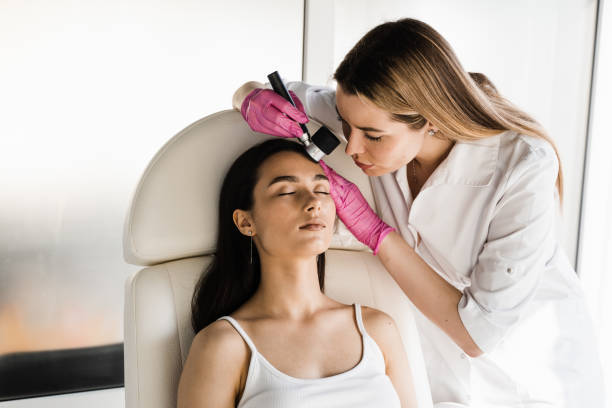
Remember I said psoriasis isn’t just one type? Well, that’s exactly right. Like many diseases, psoriasis also has various forms, each of which can appear in a certain way and bother a person. Understanding these types truly helps you become more familiar with the disease, and also helps dermatologists choose a more suitable treatment for you.
The most common type is “Plaque Psoriasis” or “Psoriasis Vulgaris”. This is the type we discussed in the previous section; distinct red patches with thick silvery scales usually found on the elbows, knees, scalp, and lower back. About 80 to 90 percent of psoriasis sufferers have this type.
But there are other types as well. For example, “Inverse Psoriasis”, which, despite its name, is not very inverse! This type manifests in skin folds such as the armpits, groin, and under the breasts. Because these areas have more moisture and friction, the scales are less visible, and it looks more like smooth, shiny red patches. “Guttate Psoriasis” is another form that usually appears after infections like strep throat. Small red patches that resemble raindrops and are more common in younger ages.
“Pustular Psoriasis” is a rare but more serious type characterized by small but non-infectious pus-filled blisters on the skin. This type can appear both locally (e.g., only on the hands and feet) and extensively throughout the body. And finally, “Erythrodermic Psoriasis”, which is the most serious of all and can involve the entire body with severe redness and peeling. This type is dangerous and often requires hospitalization.
Now let’s get to the “why”. Why do some people get psoriasis and others don’t? The main cause is a complex genetic and environmental story. What does that mean? It means you might have inherited genes related to psoriasis from your parents, but unless a specific environmental factor (like severe stress, infections, skin injuries, or even certain medications) triggers it, you might never experience its symptoms. It’s like a trigger that needs to be pulled.
In a leading skin and hair clinic, doctors are aware of these subtleties and, considering all these factors, not only accurately diagnose the type of psoriasis but also help you identify potential triggers and avoid them as much as possible. This deep understanding of the disease is the first step towards successful psoriasis management, truly paving the way.
Ready to diminish fine lines and achieve a smoother forehead? kianderm offers expertly administered Botox injections, providing natural-looking results for a refreshed appearance.
✅ Precision targeting of dynamic wrinkles for a relaxed look
✅ Experienced practitioners for safe and effective treatments
✅ Personalized approach for subtle and harmonious enhancement
Smooth your future with kianderm!
✅ The Path to Accurate Psoriasis Diagnosis: Why Visiting a Specialist is Essential
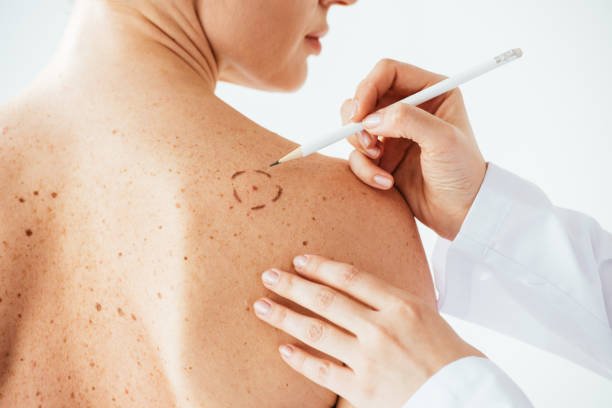
Suppose you wake up one morning and find red, scaly patches on your skin. What’s the first thing that comes to your mind? You might say, “Oh, it’s dry skin” or “It’s an allergy to something.” And you might try to solve the problem yourself with common creams or advice from others. But here’s a very important point: psoriasis can sometimes resemble other skin conditions like eczema or fungal infections.
This is where the role of a specialized skin and hair clinic and its experienced doctors truly becomes prominent. Accurate diagnosis of psoriasis, especially in its early stages, can make a huge difference in the course of treatment and disease control. If it’s misdiagnosed and appropriate treatment isn’t started, the disease can progress and spread, which, well, becomes much harder to control in later stages.
At Kian Derm Clinic, specialized dermatologists with extensive experience and knowledge first perform a thorough clinical examination. What does that mean? It means they carefully examine your skin, nails, and even your scalp with their own eyes, looking for specific signs of psoriasis that might be hidden from an ordinary person’s view. Then, they ask you many questions; about your family history of the disease, when these symptoms started, what makes them better or worse, and whether you have other diseases or take specific medications? All of this is important information that completes the puzzle.
Sometimes, for a definitive diagnosis and to rule out similar diseases, a skin biopsy (taking a skin sample) might be needed. Don’t be afraid! This is a simple outpatient procedure performed at the skin and hair clinic. A small piece of skin is removed and sent to the lab for microscopic examination. This way, a pathologist can examine the microscopic changes in the cells and confirm the diagnosis of psoriasis.
Why do I say early diagnosis is important? Because the sooner it’s diagnosed, the sooner you can start treatment. This prevents the disease from progressing, controls symptoms, and your quality of life is less affected. And to be honest, when you face a serious problem like psoriasis, finding a trusted authority, like a lifeline, is essential.
See a small comparison between self-diagnosis and professional diagnosis in this table:
| Feature | Self-Diagnosis | Specialized Diagnosis at Clinic |
|---|---|---|
| Accuracy of Diagnosis | Low, High-risk | High, Science-based |
| Treatment Start Time | Significantly delayed | Early and timely |
| Potential Risks | Disease exacerbation, complications | Reduced complications, better control |
| Peace of Mind | Low | High |
💊 Common Treatment Approaches for Psoriasis: From Creams to Light
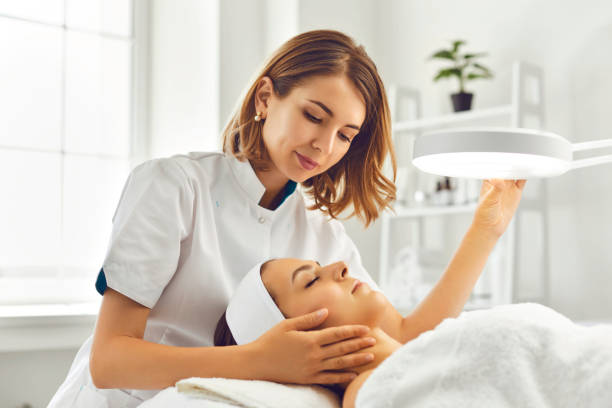
Well, after an accurate diagnosis of psoriasis has been made, it’s time for the next step: treatment. The most important thing to know is that psoriasis is a chronic disease, meaning no definitive and complete cure has been found yet that says, “With this medicine, you’ll be well forever.” But this doesn’t mean it can’t be controlled! On the contrary, with the right treatments and regular follow-ups, symptoms can be minimized, and quality of life can be significantly improved.
Psoriasis treatment is usually chosen based on the severity of the disease, the extent of skin involvement, and which parts of the body are affected. Generally, specialist dermatologists at a skin and hair clinic adopt different approaches. Let’s start with the most common ones:
The first line of defense is usually topical treatments. These are the creams, ointments, and lotions that are applied directly to the skin lesions. For example, topical corticosteroids that reduce inflammation and soothe itching. Well, these are very effective, but long-term use, especially strong types, can have side effects, such as thinning skin. So, they must be used under a doctor’s supervision.
Vitamin D analogs (like calcipotriol) are another category of topical treatments that slow down the excessive growth of skin cells and help smooth lesions. Coal Tar, an old but effective substance, is also used to reduce inflammation and itching. Salicylic acid, an excellent exfoliant, helps remove thick scales and improves the penetration of other medications into the skin.
After topical treatments, if psoriasis is more severe or widespread, “phototherapy” or light therapy may be suggested. This method uses ultraviolet radiation (usually UVB or PUVA) to control skin cell growth. Phototherapy sessions are performed in equipped skin clinics under strict supervision. This method is very effective, but, well, it requires commitment and time for regular sessions.
For very severe cases or psoriatic arthritis, oral and injectable (systemic) medications come into play. Drugs like methotrexate, cyclosporine, or acitretin that affect the immune system. These drugs are also effective, but they have more serious side effects and require regular blood tests to check liver and kidney function. Choosing any of these treatments is truly a specialized task that must be done in a specialized skin center by an experienced doctor. Self-medication in this case is absolutely not recommended, as it may even worsen the situation.
✨ New Horizons: Biologic and Advanced Psoriasis Treatments
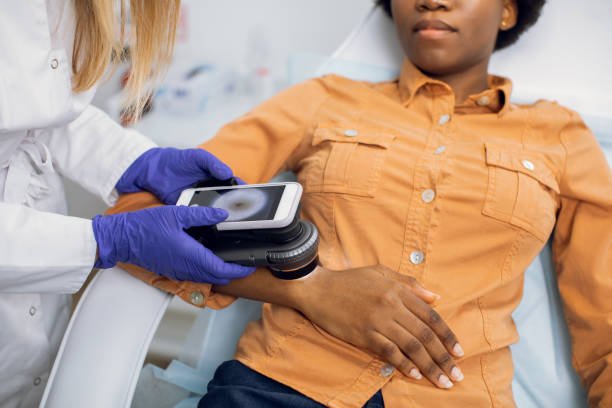
Just a few years ago, treatment options for severe psoriasis were truly limited and full of challenges. Older systemic drugs like methotrexate and cyclosporine, while effective, had significant side effects, and, well, not everyone could or wanted to accept the risks. But now, a new chapter has opened in psoriasis management that is truly exciting: “biologic treatments” and other advanced methods.
Biologic treatments, well, their name is a bit strange, but their work is truly intelligent. These drugs are specific proteins produced from living cells that target specific parts of the body’s immune system involved in the development of psoriasis. This means that instead of suppressing the entire immune system (like older drugs), they only target those specific inflammatory pathways. This results in significantly fewer side effects than older systemic drugs, and, well, their effectiveness is usually much higher.
There are various types of biologic treatments, each targeting a specific protein. For example, drugs that inhibit tumor necrosis factor alpha (TNF-alpha), or those that block interleukin 17 (IL-17) or interleukin 23 (IL-23). These proteins play a key role in the inflammatory cascade of psoriasis. The specialist physician in a leading skin and hair clinic, after carefully reviewing your condition, the severity of the disease, and which other treatments you haven’t responded to, will choose the best biologic option for you.
These treatments are usually administered by injection (subcutaneously or intravenously) and require precise patient education for home injections or regular visits to the clinic. They truly enable many people who have struggled with severe psoriasis for years to live an almost normal life and get rid of skin lesions, pain, and itching. Well, this kind of gives a new life to people!
Of course, advanced treatments are not limited to biologics. Sometimes combination methods (e.g., phototherapy with topical or systemic drugs), or even newer small-molecule oral drugs (like apremilast) that inhibit inflammatory pathways from within cells, are also used. The selection of these treatments is a completely specialized task and requires up-to-date knowledge. Clinics like Kian Derm that have access to the latest methods and drugs can give hope to psoriasis patients that they no longer have to put up with bothersome symptoms; effective solutions exist that can change their lives.
Dreaming of smoother, firmer skin without invasive procedures? kianderm specializes in non-surgical rejuvenation, utilizing innovative treatments like fillers and microneedling to refine your texture and enhance elasticity.
✅ Minimally invasive aesthetic options
✅ Visible results with expert application
✅ Personalized approach to skin renewal
Transform your look with kianderm!
🤝 Kian Derm’s Comprehensive Approach: A Journey from Diagnosis to Peace with Psoriasis
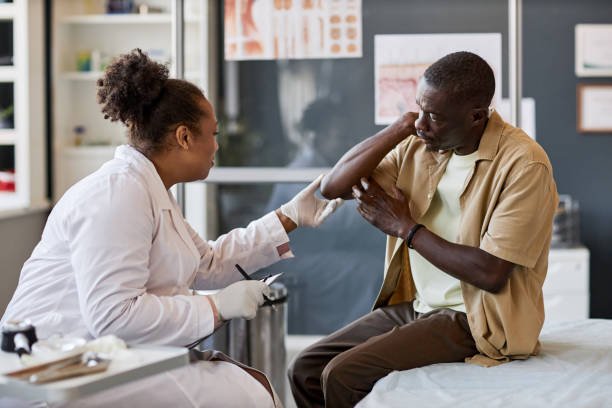
Remember I said psoriasis isn’t just a skin problem? Well, at Kian Derm Clinic, they look at it with exactly that perspective. Here, they’re not just going to give you a few creams and pills and say, “Okay, go home and get better.” No, their approach is much deeper and more comprehensive than that. It’s like embarking on a journey whose destination is not just healthier skin, but peace of mind and a better quality of life.
The first thing you feel at Kian Derm’s specialized skin clinic is that they listen to you. From the first visit, the specialist doctor patiently examines not only the physical symptoms but also pays attention to your concerns, the impact of the disease on your life, and your treatment goals. This means a “personalized treatment plan.” Because every person and every case of psoriasis is unique. What works for one person may not work for you.
What does this personalization mean? It means that for one person, topical treatments combined with phototherapy might be the best option, while for another, due to the greater severity of the disease or joint involvement (psoriatic arthritis), systemic or biologic drugs might be needed. Kian Derm’s doctors, relying on up-to-date knowledge and their clinical experience, suggest the best treatment combination tailored to your health conditions, lifestyle, and expectations. This way, you also become a partner in deciding your treatment and feel that you have more control over the situation.
Furthermore, psoriasis treatment at Kian Derm isn’t just limited to medication and light therapy. They know that stress and nutrition also play important roles in flaring up psoriasis. That’s why necessary recommendations about lifestyle changes, stress management, and even diet are also provided. This multi-dimensional approach ensures that all aspects affecting the disease are considered.
Another advantage of visiting a reputable skin and hair clinic like Kian Derm is access to the latest technologies and treatment methods. Whether it’s advanced phototherapy or the latest generation of biologic drugs, they try to provide the best for their patients. Also, regular follow-ups and continuous patient education about their disease ensure that you yourself become a small expert in psoriasis and can better cope with it and manage the symptoms. This truly distinguishes a professional treatment center from a regular practice.
🌱 Beyond Medication: Psoriasis Management with Lifestyle Changes and Support
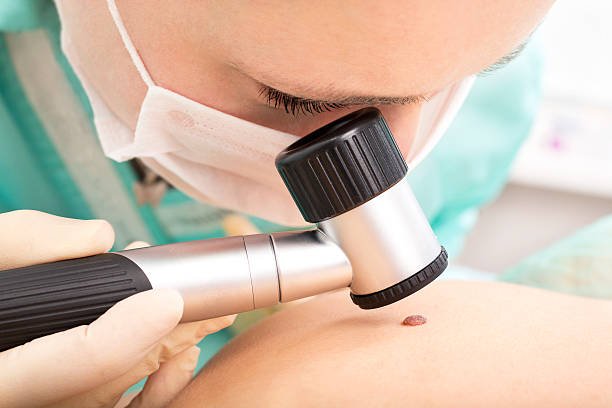
Remember I said psoriasis is a complex disease and cannot be solved with medication alone? Well, this is exactly where the discussion of the role of lifestyle and psychological support comes in. No medication, no matter how powerful, can work miracles if other factors that exacerbate the disease are ignored. Skilled doctors in a modern skin and hair clinic are well aware of this and help their patients manage these aspects as well.
One of the biggest triggers for psoriasis is “stress.” It truly seems as if our skin is a kind of mirror of our internal stresses. A distressing event, work pressure, or even a small worry can cause a sudden flare-up of psoriasis. So, learning stress management techniques, such as yoga, meditation, deep breathing, or even spending time in nature, can be helpful. Sometimes, psychological counseling might even be needed to better cope with these pressures.
“Nutrition” is another important topic. Although there isn’t a specific diet that completely cures psoriasis, many patients have reported that their condition improved by eliminating certain foods or adding anti-inflammatory foods. For example, reducing the consumption of processed foods, fast foods, sugar, and unhealthy fats, and, in contrast, increasing the consumption of fresh fruits and vegetables, whole grains, and omega-3 sources (like fatty fish), can help reduce inflammation in the body. Of course, these changes should be reasonable and definitely done in consultation with a doctor or nutritionist.
“Smoking and alcohol” go without saying. These two are among the worst enemies of healthy skin and can severely worsen psoriasis. Quitting smoking and limiting alcohol consumption is a big step, not only for psoriasis but also for overall body health. “Regular exercise” also has its place. It’s not only great for reducing stress and improving mood but also helps maintain a healthy weight, as obesity can also be one of the exacerbating factors for psoriasis.
And finally, don’t underestimate “social support.” Talking to friends and family, or even finding support groups for psoriasis patients, can be a great help so that you don’t feel alone and understand that you are not alone. Hearing others’ experiences and sharing concerns can truly reduce the psychological burden of the disease. Let’s remember, this is not a hidden disease to be ashamed of. At Kian Derm Clinic, in addition to physical treatments, special attention is paid to the importance of these psychological and supportive aspects.
This table shows some of the effective factors in psoriasis management:
| Factor | Impact on Psoriasis | Management Method |
|---|---|---|
| Stress | Main exacerbating factor | Yoga, meditation, counseling |
| Nutrition | Can increase/decrease inflammation | Anti-inflammatory diet, consultation with specialist |
| Smoking and Alcohol | Strong triggers | Quitting or reducing consumption |
| Exercise | Stress reduction, weight management | Regular and appropriate activity |
| Social Support | Reduced psychological burden | Talking with friends, support groups |
☀️ Daily Life with Psoriasis: Practical Tips for Skin Care
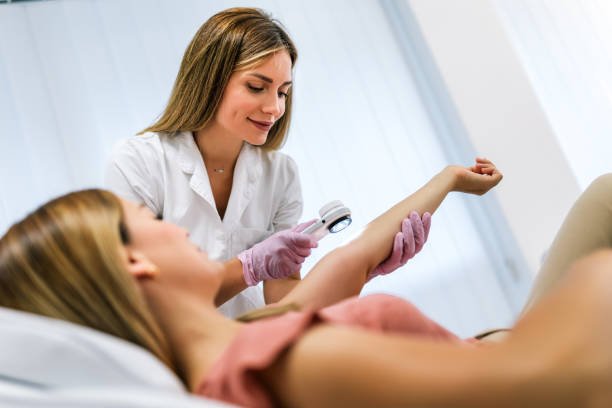
Well, so far we’ve talked about the types of psoriasis, its causes, and the various treatments offered at leading skin and hair clinics like Kian Derm. But the reality is that psoriasis management isn’t just limited to doctor’s visits and medication. A large part of it comes down to daily care and what we do ourselves at home. These practical tips can make a big difference in controlling symptoms and improving your quality of life, truly it’s an art of living with psoriasis.
The first and most important point is to “keep the skin moisturized.” Dry skin is more prone to itching and irritation. So after showering, within a few minutes, while the skin is still slightly damp, use a thick, fragrance-free moisturizer. This helps lock moisture into the skin and prevents dryness and cracking. Many people with psoriasis report that this has helped them greatly.
Be careful with your “bathing.” Hot and long showers can dry out the skin even more. Try to use lukewarm water and keep shower time short (5 to 10 minutes is enough). Avoid harsh, scented soaps that dry out the skin. Instead, use mild, fragrance-free cleansers designed for sensitive skin. After showering, gently pat your skin dry instead of rubbing it with a towel.
“Avoid scratching your skin” at all costs, no matter how difficult it is. Scratching only leads to more skin irritation, increased inflammation, and even infection. This is called the itch-scratch cycle, which is really hard to break, but very important. If itching is very bothersome, you can use cold compresses or topical anti-itch medications prescribed by your doctor.
“Sunlight” can be both a friend and an enemy. A small amount of natural sunlight (not too much!) can be beneficial for some people with psoriasis and help improve lesions. But sunburn is extremely harmful and a trigger. So always use sunscreen and avoid prolonged exposure to direct sunlight. This is a balance that must be maintained.
And finally, “wear appropriate clothing.” Loose-fitting clothes made from natural fibers like cotton irritate the skin less and allow it to breathe. Tight clothing made of wool or synthetic fibers can increase friction and heat and cause psoriasis to flare up. By following these simple tips, you can have a more comfortable life with psoriasis and multiply the effect of treatments from a specialized skin clinic.
🌟 Beauty and Psoriasis: A Look at Aesthetic Dimensions at Kian Derm Clinic
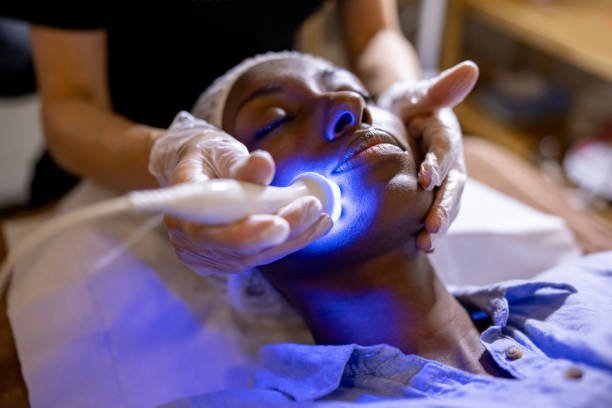
Well, so far most of our discussion has been about the therapeutic and medical aspects of psoriasis. But the reality is that psoriasis, in addition to physical problems, has significant effects on appearance and, consequently, on people’s self-confidence. These patches and scales, scars, and even discoloration that remain after inflammation subsides can be really bothersome. This is where at Kian Derm specialized skin and hair clinic, with a comprehensive approach, they also pay attention to these aspects.
Of course, we need to be clear: aesthetic and beauty treatments do not directly “cure” psoriasis. The main goal is always to control the disease through medical methods. But, well, when the disease is controlled and inflammation subsides, scars, dark or light spots, or even textural changes on the skin may remain. This is where the role of aesthetic services, as a complementary treatment, comes into play.
For example, if psoriasis has caused post-inflammatory hyperpigmentation, methods such as gentle exfoliation, microneedling, or the use of lightening creams under medical supervision might be helpful. Or, for improving skin texture and stimulating collagen production in areas where psoriasis has caused damage, certain specific laser treatments or PRP (platelet-rich plasma) might be suggested with caution and after a full evaluation by a specialist. All of this is so that the skin’s appearance becomes closer to normal and the patient feels better.
Kian Derm, which offers both medical treatments (such as diagnosis and treatment of psoriasis) and aesthetic services, makes it possible for patients to meet all their skin needs in one place. This means that a specialized medical team looks at psoriasis from both a therapeutic perspective and, after controlling inflammation, can offer appropriate recommendations and treatments to improve the overall appearance of the skin. This comprehensive perspective is truly important.
What’s important is to consult a specialist dermatologist. One should not resort to aesthetic procedures on their own, especially when psoriasis is active. But with proper guidance, we can use aesthetic services to improve skin appearance and boost self-confidence. This shows how much a leading skin and hair clinic can care about all dimensions of its patients’ health and well-being, not just one part of the disease. This, in a way, complements the treatment journey.
Could advanced technology be the key to your skin transformation? kianderm employs state-of-the-art laser and device-based treatments, offering superior precision and effectiveness for various skin concerns.
✅ Cutting-edge dermatological technology
✅ Enhanced treatment efficacy
✅ Safe and controlled procedures
Experience innovation at kianderm!
🎯 Why Kian Derm is the Best Choice for Psoriasis Management?
So far, we’ve talked a lot about psoriasis and its management methods in a leading skin and hair clinic. Now, you might be asking yourself why you should choose Kian Derm Clinic for this purpose? Honestly, there are many reasons that set this clinic apart from others and make it an ideal choice for those struggling with psoriasis.
The first and most important point is the “specialized and experienced team.” The specialist dermatologists at Kian Derm not only possess up-to-date knowledge in the diagnosis and treatment of psoriasis but also have extensive practical experience in dealing with various cases of this disease. This means they can evaluate even the most complex and resistant cases of psoriasis and devise a truly effective treatment plan for you. Having such a team is truly reassuring.
Second, the “comprehensive and personalized approach” which I mentioned before. At Kian Derm, you are not just a medical record; you are a human being with unique concerns and needs. Treatment plans are not solely based on disease severity, but also consider your lifestyle, underlying medical conditions, and even your expectations from treatment. This personalization significantly increases the chances of treatment success.
Third, “access to the latest technologies and treatments.” Kian Derm Clinic constantly keeps itself updated with the latest scientific advancements in the field of skin and hair. Whether it’s advanced phototherapy, novel biologic drugs, or even complementary methods for managing psoriasis complications, you can be sure that you have access to the most advanced treatment options. This means you are always a step ahead, in a way.
Fourth, “attention to psychological and aesthetic dimensions.” Well, I said that psoriasis is not just about the skin. Its impact on people’s self-confidence and mental health is undeniable. At Kian Derm, in addition to medical treatments, necessary consultations and guidance for stress management and improving the aesthetic aspects of the skin are also provided to help you achieve overall peace and satisfaction. This is, in a way, caring for your entire being.
And finally, a “professional and friendly environment.” Visiting a doctor, especially for a chronic illness, should not be a stressful experience. At Kian Derm, efforts have been made to provide a calm, confidential, and friendly environment so that you can comfortably ask your questions and follow up on your treatment. All of these factors combine to make Kian Derm Clinic a reliable and effective choice for psoriasis management. Truly, your health and peace of mind are the priority.
| Question | Answer |
|---|---|
| What is Psoriasis? | Psoriasis is a chronic autoimmune skin disease that causes rapid growth of skin cells and leads to red patches with silvery scales. |
| Is Psoriasis contagious? | No, psoriasis is not contagious at all and cannot be transmitted from one person to another. |
| What causes Psoriasis? | Psoriasis is the result of a combination of genetic and environmental factors that stimulate the body’s immune system. |
| What are the main types of Psoriasis? | The most common type is plaque psoriasis, but there are other types such as guttate, inverse, pustular, and erythrodermic psoriasis. |
| Is there a definitive cure for Psoriasis? | Currently, there is no definitive cure for psoriasis, but with modern treatment methods, symptoms can be well controlled, and quality of life can be improved. |
| What are the common treatments for Psoriasis? | Treatments include topical medications (creams, ointments), phototherapy (light therapy), and systemic oral or injectable drugs (including biologics). |
| How can I prevent Psoriasis flare-ups? | Stress management, a healthy diet, avoiding smoking and alcohol, and keeping the skin moisturized can help prevent flare-ups. |
| Can Psoriasis affect joints? | Yes, in some individuals, psoriasis can affect the joints, which is called psoriatic arthritis. |
| What is the role of a specialized skin clinic in psoriasis management? | Specialized clinics provide accurate diagnosis, personalized and advanced treatments, and patient education for long-term disease management. |
| Can aesthetic procedures help with Psoriasis? | Aesthetic procedures do not directly treat psoriasis, but after the disease is controlled, they can be used to improve scars, spots, and the overall appearance of the skin, always in consultation with a specialist doctor. |
And other services provided by Kian Derm Clinic include
• Wart removal (advanced techniques)
• Skin tag removal
• Xanthelasma removal
• Milia extraction
• Sun damage repair treatments
And dozens of other services in the fields of skin, beauty, and medical treatments
Skin | Hair | Beauty | Nails
Is your compliance information up to date? kianderm helps manage regulatory data to ensure your business stays compliant. ✅ Effortless compliance tracking.
Phone: +1 (236) 551-2282
Email: info@kianderm.ca
Address: 1836 Lonsdale Ave, North Vancouver, BC V7M 2J9, Canada