


💡 Comprehensive Guide to PRP Hair Loss Treatment: What to Expect
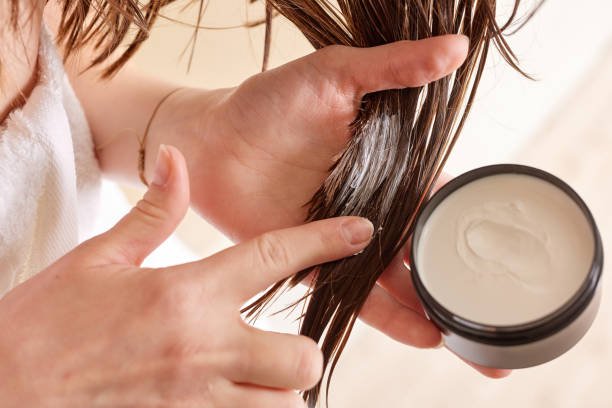
#Well, look, hair loss is something that can affect many of us, a kind of strange and worrisome feeling that makes people think about different treatment methods. From exotic shampoos to various medications, everyone tries a different path. But what if there was a method that used your own body to bring your hair back to life?
This is where the story of PRP hair loss treatment begins. A relatively new technique, yet scientifically backed, that is making waves. The word PRP stands for “Platelet-Rich Plasma.” Now, what are these platelets? They are those tiny blood cells of ours whose job in the body is repair and regeneration. Imagine, we take this regenerative power from your own blood and inject it exactly where it’s needed, in the scalp.
It’s really fascinating, isn’t it? I’ve seen many people get good results from this method, and their hair has started to grow back. Of course, it’s not going to work miracles, and not everyone is a candidate for this method, but for those suffering from androgenic alopecia (the same hereditary hair loss) or hair thinning, it’s a great hope. The main goal of this treatment is to stimulate hair follicles to regrow and strengthen existing hair to prevent further loss. In fact, by using your own platelets, we are providing a kind of natural fertilizer to the hair roots to reactivate them and produce stronger hair.
In this guide, we’re not just going to read dry definitions. We want to go step-by-step together to see what PRP is, how it works, who can use it, and what we should expect from it. From the moment you decide to try this method until you see the results, we’re going to examine everything together. Remember, choosing an experienced dermatologist, like the specialist team at kianderm, is very important for the success of this method. So let’s dive deeper into the world of PRP and see what treasures it holds for your hair.
🔬 What is PRP and How Does It Help Our Hair?
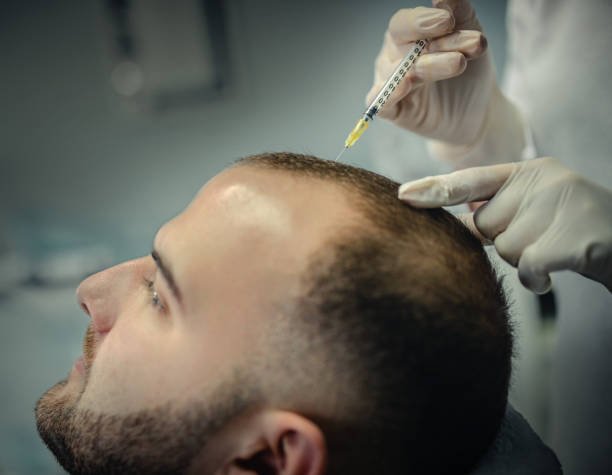
Okay, now that we have an initial understanding, let’s take a more scientific and precise look at what PRP actually is and how it goes about saving our hair. Remember I said PRP stands for Platelet-Rich Plasma? These platelets are the tiny cells floating in our blood, and their job is to stop bleeding and repair damage. But the story doesn’t end there; these platelets are packed with Growth Factors.
Growth factors are like commanders that instruct cells to multiply, grow, and repair damaged tissues. Now imagine we isolate these commanders from your blood and, at a very high concentration, send them directly to your scalp, where poor hair follicles are struggling. When these growth factors reach the hair follicles, they act like an energy shock. They awaken dormant follicle cells, improve blood supply to the area, and cause the follicles to reactivate and produce hair.
The process of obtaining PRP is also very simple. Just like a regular blood test, a small amount of blood is drawn from your arm. Afterwards, this blood is placed in a special device called a centrifuge. This device, by spinning rapidly, separates the different components of the blood. What we need is that yellow plasma layer, which is full of platelets and now has a concentration many times higher. After separation, this enriched liquid is injected with a very fine needle into the desired areas of the scalp.
These growth factors like PDGF, TGF-beta, VEGF, and EGF each have a specific role. For example, VEGF helps in angiogenesis and improves blood supply, which is vital for nourishing the follicles. PDGF also plays an important role in cell growth and tissue repair. Overall, this team of growth factors works together to create an environment in the scalp that is ideal for hair growth. This is a kind of investment in your own body, using its natural resources for regeneration. That’s why PRP treatment for hair loss has gained so much attention.
Is patchy hair loss a worry? kianderm provides diagnostic and treatment options for alopecia and other hair conditions.
✅ Expert evaluation for hair concerns
✅ Targeted treatments to promote growth
✅ Support for all your dermatological needs
Consult kianderm for hair health!
👥 Who Are the Best Candidates for PRP for Hair Loss?
Now that we understand how PRP works, the main question is, who exactly is this treatment good for? Can everyone experiencing hair loss benefit from it? The truth is, no, PRP, like many other treatments, is not suitable for everyone and shows the best results in specific individuals. So, let’s see who are the best candidates for PRP hair loss treatment.
The greatest efficacy of PRP is seen in individuals suffering from androgenic alopecia. This is the common pattern of male and female hair loss, often hereditary, where hair thins and gradually disappears. If your hair loss has just started or is of moderate severity, PRP can be very effective. Why? Because the hair follicles are not yet completely destroyed; they are merely weakened and inactive. PRP can bring them back to life.
Also, individuals with alopecia areata (patchy hair loss) in its early or mild stages can be suitable candidates. However, in this case, PRP is usually used as an adjunctive method alongside other treatments.
Age is also an important factor. The best results are usually seen in younger individuals whose hair loss has not yet progressed. This means that if you have complete baldness and your hair follicles have been gone for years, PRP probably cannot bring back new hair, as there are no follicles left to stimulate.
General health status is also important. Individuals with certain blood disorders, active infections, or those taking blood thinners may not be good candidates. Also, pregnant or breastfeeding women should not undergo this treatment. Consultation with an experienced dermatologist, such as the specialists at kianderm, is always essential before making any decision to ensure your condition is thoroughly evaluated.
| Ideal PRP Candidates | Who Are Not Suitable Candidates? |
|---|---|
| Mild to moderate androgenic alopecia | Complete and long-term baldness |
| Early stages of alopecia areata | Chronic blood disorders |
| Hair thinning (without complete follicle loss) | Use of blood-thinning medications |
| Individuals in good general health | Active infection at the injection site |
| Young individuals with recent onset hair loss | Pregnancy and breastfeeding |
💉 Stages of PRP Treatment: From Blood Draw to Injection
Okay, now that we know what PRP is and who it’s good for, it’s time to go step-by-step and see exactly how this process is performed. Rest assured, it’s a simple and safe procedure, especially when performed by experienced specialists.
All stages usually take place in the clinic or doctor’s office and do not require hospitalization or general anesthesia.
It typically takes between 45 minutes to an hour.
The first step is a thorough consultation and evaluation by a specialized dermatologist. The doctor will assess your hair loss condition, inquire about your medical history, and ensure that you are a suitable candidate for PRP. This stage is very important as it is the foundation for the treatment’s success. After approval, it’s time for blood collection. Don’t worry, just like a regular blood test, about 10 to 30 milliliters of blood will be drawn from your arm. This amount of blood is very small and does not cause any problems for the body.
The next stage is blood processing. As I mentioned earlier, the collected blood is placed into special tubes and put into a centrifuge machine. This machine spins at high speed and separates the different layers of blood: platelet-poor plasma, platelet-rich plasma (PRP), and red blood cells. What we need is that platelet-rich plasma layer, which is full of beneficial growth factors.
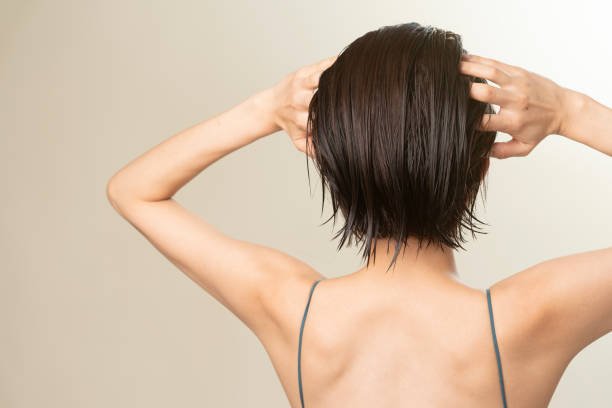
After PRP preparation, it’s time for scalp preparation. The target area for injection is thoroughly cleaned and sterilized. Sometimes, topical anesthetic creams are also used to reduce pain and discomfort. Finally, PRP injection is performed. The doctor uses very fine needles to inject PRP in small, multiple injections into the desired areas of the scalp. These injections are performed at an appropriate depth of the skin to ensure the growth factors reach the hair follicles.
You might feel a slight stinging or pressure, but it’s usually tolerable. After the injection, the doctor will give you the necessary recommendations for post-treatment care. This process, performed with the precision and skill of kianderm specialists, is carried out in the best possible way to ensure you are fully satisfied with the treatment results.
🌟 Expected Results and Timeline of Hair PRP
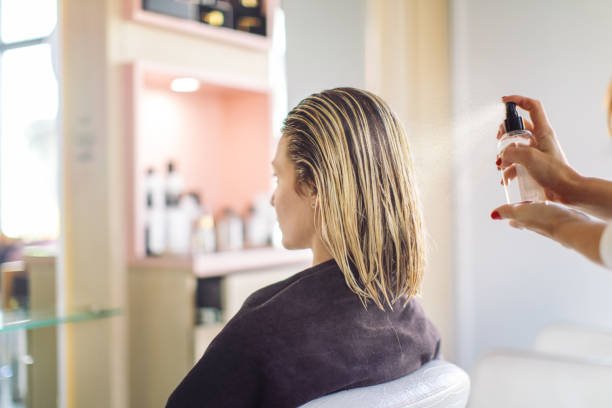
One of the most frequently asked, and indeed, very important questions is, “When will I see results?” and “What should I expect, anyway?” The truth is, PRP hair loss treatment is not a magic solution that will bring back your hair overnight; rather, it’s a gradual process that requires patience and consistency.
We must understand that hair regeneration and growth take time, and everyone’s body is different.
Typically, noticeable results begin to show around 3 to 6 months after starting the treatment. This delay is logical because hair follicles need time to activate, produce new hairs, and for these hairs to grow sufficiently to become visible.
It’s very important to have realistic expectations. The main goal of PRP is to reduce hair loss, increase the thickness of existing hair, and stimulate the growth of new hair in areas where hair follicles are still alive and active, even if weakened.
After the first course of treatment (which usually includes 3 sessions at 3 to 4-week intervals), changes may not be very noticeable at first. Some people report reduced hair loss or slightly fuller-looking hair. But it’s around the third month that thin hairs gradually start to thicken, and you might also see new hair growth. After 6 months, many individuals report that their hair has become significantly fuller, and their hairline has improved.
Note that these results are not permanent. To maintain the results, maintenance sessions (e.g., once every 6 to 12 months) are usually recommended. These sessions help keep the follicles active and hair growth ongoing. A good treatment plan should be determined in consultation with your dermatologist at kianderm. They can tailor the best plan for you based on your specific condition to achieve the best results.
Is your skin showing signs of aging or sun damage? kianderm offers a complete suite of advanced laser and device-based treatments, custom-tailored for dramatic rejuvenation.
✅ Effective reduction of wrinkles, fine lines, and pigmentation
✅ Enhanced skin firmness and elasticity for a youthful look
✅ Cutting-edge technology for superior aesthetic results
Reclaim youthful skin at kianderm!
🌿 Benefits Beyond Hair Growth: Overall Scalp Health
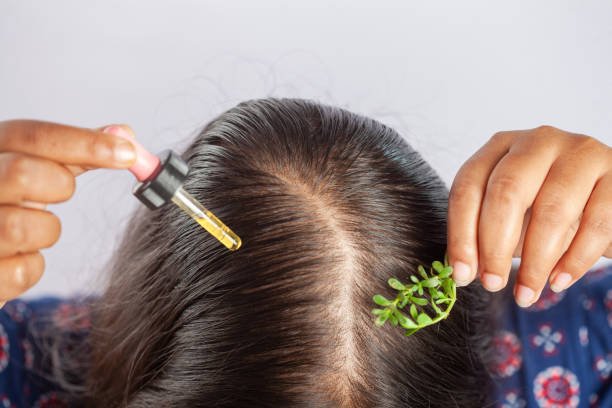
When PRP hair loss treatment is mentioned, everyone usually only thinks about new hair growth. But the reality is that the benefits of this method go far beyond that. PRP not only helps hair growth but also improves the overall health of your scalp. A healthy scalp is the foundation for healthy and strong hair, just like good soil for a sturdy plant.
The growth factors in PRP, in addition to stimulating hair follicles, lead to improved blood supply to the scalp. When blood supply is better, more oxygen and nutrients reach the scalp cells and hair follicles. This means an ideal environment for hair growth, reduced inflammation, and even improved skin texture.
An unhealthy scalp can be full of inflammation, dryness, itching, or excessive oiliness, all of which can contribute to hair loss. PRP, with its regenerative and anti-inflammatory properties, can reduce these problems and help create a balanced and healthy environment in the scalp.
Furthermore, PRP can also help increase collagen production in the scalp. Collagen is a protein essential for skin strength and elasticity. A stronger and more flexible scalp holds hair follicles better and is less prone to damage. This means your hair not only grows better, but its roots also become stronger, reducing breakage or shedding.
In summary, when you consider hair loss treatment with PRP, don’t just think about the number of new hairs. Think about making a comprehensive investment in your scalp and hair health. This comprehensive approach is something that experienced specialists at kianderm always emphasize, because they know that foundational health is the key to lasting and satisfying results.
⚠️ Potential Side Effects and Risks of PRP Treatment
Every treatment, even those that seem very safe, has some potential side effects and risks. PRP hair loss treatment is no exception, although its side effects are usually very mild and temporary. So, let’s see what might happen so you can make an informed decision.
Since PRP is prepared from your own blood, the risk of allergic reactions or transmission of infectious diseases is almost zero. This is a significant advantage. However, as it involves injections with needles, some injection-related side effects may occur.
The most common side effects include: mild pain at the injection site, bruising, or swelling in the scalp. These symptoms usually disappear within a few hours or at most a day or two and are not a cause for concern.
Some people might experience a feeling of heaviness or pressure in the scalp, which is also temporary.
A very rare risk is infection at the injection site. However, this occurs when the injection process is performed in an unhygienic environment by untrained individuals. Therefore, choosing a reputable clinic and an experienced doctor who meticulously adheres to hygiene protocols, such as kianderm, is crucial.
Some might also experience nerve or vascular damage, which is also very rare and usually results from the injector’s inexperience.
Another important point is that some individuals may not respond to the treatment at all. This does not mean the treatment had adverse effects, but simply that the desired outcome was not achieved. This probability depends on various factors such as the severity of hair loss, the individual’s health status, and the quality of the prepared PRP.
| Common Side Effects (usually mild and temporary) | Rare Side Effects (require more attention) |
|---|---|
| Pain or tenderness at the injection site | Infection at the injection site |
| Mild bruising or swelling | Damage to nerves or blood vessels |
| Temporary itching or redness | Lack of response to treatment |
| Feeling of pressure or heaviness | Worsening of hair loss (very rare and temporary) |
In short, PRP is a safe method, but choosing the right dermatologist and adhering to hygiene tips are paramount. An honest consultation with your doctor can alleviate all your concerns and prepare you for this treatment journey.
🤝 Combining PRP with Other Hair Loss Treatments

An important point that many overlook is that PRP hair loss treatment isn’t always meant to work miracles on its own. Sometimes, the best results are achieved when PRP is combined with other treatment methods. This combination therapy is like an orchestra where each instrument plays its part, and together, they perform a stunning symphony for your hair growth.
One of the most common combinations is using PRP along with Minoxidil (topical Minoxidil) or Finasteride (oral Finasteride). Topical Minoxidil improves blood circulation, and Finasteride helps reduce the conversion of testosterone to dihydrotestosterone (DHT), which is one of the main causes of androgenic hair loss. When PRP is combined with these medications, their effects reinforce each other, increasing the likelihood of treatment success. This means PRP’s growth factors stimulate follicles, and the medication prepares the environment for stable hair growth.
Another method is combining PRP with hair mesotherapy. Mesotherapy involves injecting vitamin cocktails, minerals, amino acids, and other nutrients into the scalp. These nutrients directly reach the follicles and, along with PRP’s growth factors, create an energy boost for hair growth. Imagine you have both cellular stimulation and the necessary building blocks provided; the result can truly be extraordinary.
For those experiencing more severe hair loss and considering hair transplantation, PRP can be an excellent complement. PRP injections before, during, or after hair transplantation can help improve the survival of transplanted follicles, reduce inflammation, and accelerate the healing process. In essence, PRP provides a supportive environment for transplanted hair.
The choice of the best combination therapy depends on the diagnosis and experience of your dermatologist at a clinic like kianderm. They will recommend the optimal treatment protocol, considering individual conditions, the extent of hair loss, and other factors, to restore your hair to its peak beauty and health.
👩⚕️ Choosing the Right Clinic and Specialist for Hair PRP
You might ask, now that I understand all this, where should I go? Choosing the right clinic and specialist for PRP hair loss treatment might be even more important than the treatment itself. Believe it or not, the quality of PRP and the skill of the physician make the main difference in results. A good place and an experienced doctor can guarantee the safety and effectiveness of your treatment.
The first thing you should pay attention to is the doctor’s expertise and experience. Make sure your doctor is a reputable, board-certified dermatologist. This means they have the necessary knowledge and experience in scalp anatomy, hair loss mechanisms, and injection techniques. The doctor should be able to accurately diagnose the cause of your hair loss and tailor the treatment plan to your specific needs.
The second point is the clinic’s hygiene and standards. Since PRP involves blood drawing and injection, adhering to hygiene protocols and equipment sterilization is incredibly important. A good clinic like kianderm should have a clean, safe, and sterile environment. The centrifuge machine and the kits used for PRP preparation must also be from reputable and approved brands to ensure the quality of the final plasma.
The third item is comprehensive and realistic consultation. A good doctor should explain all treatment options to you, discuss the pros and cons of PRP, and outline realistic expectations for the results. They should not make unrealistic promises or pressure you to undergo this particular treatment. Transparency and honesty in consultation are signs of a trustworthy clinic and doctor.
Also, consider the experience of other clients. You can check reviews and experiences of previous patients on websites or social media. This will give you a better insight into the quality of services and client satisfaction.
At kianderm clinic, we are committed to providing the highest medical and aesthetic standards. Our team consists of experienced dermatologists who, using the latest equipment and safety protocols, offer you the best PRP hair loss treatment. So, for a smart choice, definitely count on our experience and expertise.
Want to address specific aging concerns? kianderm provides advanced treatments like hyaluronic acid and device-based rejuvenation.
✅ Non-surgical anti-aging options
✅ Improved skin texture and tone
✅ Personalized approach for natural results
Refresh your look with kianderm.
💰 Cost of Hair PRP and Factors Affecting It
One of the first questions that comes to many people’s minds after learning about PRP hair loss treatment relates to costs. Well, it’s natural for one to want to know how much it will cost before taking any action. The price of hair PRP can vary and depends on various factors. So let’s have a general overview to give you a better perspective.
The first and most important factor is the geographical location of the clinic. Typically, in larger cities and central areas, costs are slightly higher than in smaller towns. For example, the cost of PRP hair loss treatment in clinics in North Tehran might differ from those in the south of the city. This is a reality that exists in all medical services.
The next factor is the specialist’s expertise and reputation. More experienced and renowned doctors usually have higher fees, which is logical, as you are also paying for their knowledge and skill. Clinics like kianderm, known for quality and credibility, might have different costs compared to unknown centers.
The number of required sessions is also very important. PRP is usually performed in a treatment course comprising 3 to 6 sessions, and naturally, the cost per session is calculated. Sometimes, clinics offer treatment packages with discounts, which can be more cost-effective. Also, the quality of the PRP kits used affects the price. Standard and approved kits that guarantee a high percentage of platelet purity and concentration are usually more expensive, and this greatly impacts the final quality of PRP.
In addition, if supplementary treatments such as mesotherapy or specific medications are recommended alongside PRP, these will also add to the overall costs.
Generally, the price of hair PRP in Iran can vary depending on the factors mentioned above. The best approach is to get an accurate estimate of costs and the number of sessions after a detailed consultation with specialists at kianderm. Remember, never sacrifice quality for price, because your hair health and beauty are worth a proper investment. A cheap and low-quality treatment can not only be ineffective but may even lead to complications.
| Question | Answer |
|---|---|
| What exactly is PRP and how does it help hair growth? | PRP, or Platelet-Rich Plasma, is prepared from the patient’s own blood and contains growth factors. These factors, when injected into the scalp, stimulate hair follicles, improve blood circulation, and help in the growth and strengthening of new hair. |
| Is PRP treatment effective for all types of hair loss? | PRP is most effective in treating androgenic alopecia (hereditary hair loss) and early-stage alopecia areata. It may not be effective for hair loss caused by specific diseases or complete baldness. |
| How many PRP treatment sessions are required? | Typically, a course of treatment includes 3 to 6 sessions, with intervals of 3 to 4 weeks. After that, maintenance sessions every 6 to 12 months are needed to preserve the results. |
| When are PRP results visible? | Initial results, such as reduced hair loss, may be observed after 2-3 months, but more significant results like new hair growth and increased thickness usually appear 3 to 6 months after the start of treatment. |
| Does hair PRP have side effects? | PRP side effects are usually mild and temporary, including pain, bruising, swelling, or tenderness at the injection site. The risk of infection is very rare and minimized by choosing a reputable clinic. |
| Is PRP treatment painful? | Topical anesthetic creams are usually used before injections. A mild stinging or pressure sensation may occur during injection, but it is often tolerable. |
| What is the recovery time after each PRP session? | Recovery time is very short, and most people can return to their daily activities immediately after treatment. It may be advised to avoid washing hair for up to 24 hours. |
| Can hair PRP be combined with other treatment methods? | Yes, PRP can be combined with medications such as Minoxidil and Finasteride, hair mesotherapy, and even as a supplement in hair transplantation to improve results. |
| What factors influence the cost of PRP treatment? | The cost of PRP depends on factors such as clinic geographical location, doctor’s expertise and experience, number of required sessions, quality of PRP kits, and supplementary services. |
| How to choose a suitable clinic and specialist for PRP? | To choose the best clinic and specialist, pay attention to the doctor’s expertise and track record, adherence to hygiene protocols, use of standard equipment, and provision of comprehensive and realistic consultation. |
And other services provided by Kian Derm Clinic include
• RF microneedling
• CO2 fractional laser resurfacing
• Erbium laser resurfacing
• Intense Pulsed Light (IPL) photo-rejuvenation
• Pigmented lesion removal (laser)
And dozens of other services in the fields of skin, beauty, and medical treatments
Skin | Hair | Beauty | Nails
Minimize risk, maximize reward! kianderm offers thorough risk assessment information to safeguard your enterprise. ✅ Proactive risk identification.
Phone: +1 (236) 551-2282
Email: info@kianderm.ca
Address: 1836 Lonsdale Ave, North Vancouver, BC V7M 2J9, Canada