


✨ The Complexity of Acne and the Necessity of Consulting a Specialist
# Well, to be honest, the problem of acne isn’t just a few spots on the skin; it’s something that can truly impact a person’s life, both aesthetically and psychologically.
As I see it, many people initially try to fight it with whatever they have at hand—over-the-counter pharmacy products or advice from here and there. But, well, it doesn’t always work, does it? Sometimes, the story is more complex than that. For example, do you think a simple cream can solve hormonal or cystic acne problems? I doubt it.
This is exactly where acne treatment specialists come into play. These individuals are not just dermatologists; they truly have extensive expertise in this field and understand that each type of acne has its own story and requires a different approach.
When I say “its own story,” I mean that acne can result from a thousand and one reasons: hormones, bacteria, inflammation, genetics, even what we eat or how we manage stress.
A general practitioner might be able to give a general prescription, but a dermatologist who specializes in skin precisely knows which part of the puzzle needs to be solved. They customize a treatment plan specifically for you, considering your skin type, acne severity, age, and even lifestyle. Like a skilled tailor who sews a custom-fit suit for everyone.
The main goal is not just to eliminate the pimples, but to find the root of the problem and ensure the skin remains healthy and doesn’t break out easily again. This is where their experience comes in handy. If we don’t do this correctly, instead of solving the problem, the face might become covered with acne scars and spots that are a whole new hassle to remove. So, it’s really important to entrust the job to an expert from the start, someone who understands what acne is and how to deal with it.
🔍 Types of Acne and Triggering Factors: A Deeper Look
# You’ve probably noticed that everyone’s facial pimples are different, right? Some only have a few blackheads and whiteheads, while others struggle with painful, cystic acne. Well, these differences aren’t without reason; each type of acne has its own story, and understanding the type of acne is the first step towards successful treatment.
Let’s take a look at the main types: we have inflammatory and non-inflammatory acne. Non-inflammatory acne includes blackheads (open pores that turn black when exposed to air) and whiteheads (closed pores located under the skin). These are usually not very painful but can make the skin’s surface uneven.
But inflammatory acne… these are somewhat more troublesome. This includes papules (those small, red bumps under the skin that don’t have a white tip), pustules (red pimples with a white or yellow pus-filled center), nodules (large, firm, painful lumps under the skin), and the worst of them, cysts (large, deep, pus-filled lesions that can damage surrounding tissues and usually leave scars).
The triggering factors, thankfully, are not few. Hormones, especially during puberty, pregnancy, or even stress, can stimulate oil glands. Bacteria like P.acnes also love oil and closed pore environments, causing inflammation. Genetics also plays an important role; if your parents had a history of severe acne, you’ll probably struggle with it too.
Even diet (e.g., high sugar and dairy intake in some individuals), stress, and unsuitable skincare products can worsen the condition. Acne treatment specialists precisely examine this puzzle to understand what type of acne you have and what exacerbates it. Only with this precise understanding can an effective and robust treatment plan be devised.
Concerned about the overall health and appearance of your nails? kianderm provides expert diagnosis and treatment for nail conditions, ensuring your nails are healthy and strong.
✅ Specialized nail condition assessment
✅ Effective treatment for various issues
✅ Comprehensive care for nail health
Ensure healthy nails with kianderm!
👩⚕️ Initial Assessment by Acne Treatment Specialists: A Step Towards Accurate Diagnosis
# Well, when we decide to visit an acne treatment specialist, we expect them not to just take a superficial look at our skin and quickly write a prescription, right? A good specialist precisely knows that for correct diagnosis and effective treatment, everything must first be thoroughly examined.
The initial assessment stages are far more than just seeing a few pimples; they involve a deep conversation and a detailed skin examination.
First and foremost, the doctor begins by asking many questions: When did your acne start? How severe is it? Do you have a family history of acne? What medications are you taking? What’s your diet like? How much stress do you have? They might even ask about your skincare habits, such as what products you use. This information helps the doctor get a general picture of your condition and the potential factors contributing to your acne.
After that, it’s time for a physical examination. The doctor carefully examines your skin to identify the type of acne, the severity of inflammation, and the presence of scars or dark spots. Sometimes, blood tests might even be necessary, especially if hormonal issues are suspected.
The goal of this assessment is to completely personalize the treatment plan. After all, one size doesn’t fit all! If you have a hormonal problem, your treatment will be completely different from someone who only has mild blackhead acne.
This stage of the acne treatment specialists’ work is truly crucial. Because if the initial diagnosis is wrong, the entire treatment path might go astray, and the desired outcome won’t be achieved.
Here’s an example of what specialists pay attention to during the initial assessment:
🧪 Topical Treatments: Beyond Over-the-Counter Prescriptions
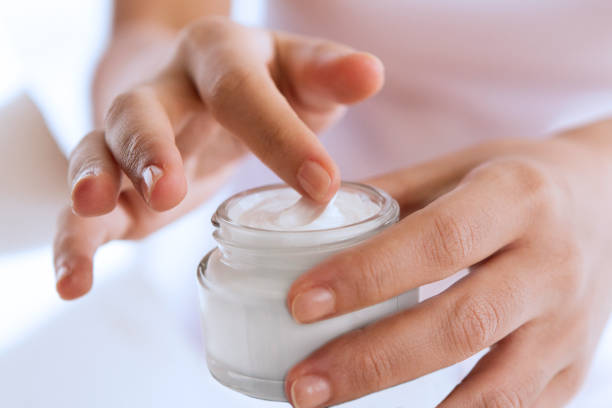
# Well, when it comes to acne treatment, the first thing many people might think of is topical creams and ointments. It’s true that there are many over-the-counter products in pharmacies, but when it really comes down to acne treatment specialists, the options become much more extensive and, of course, more effective.
Topical products prescribed by a specialist doctor usually have higher concentrations or contain specific ingredients that are only available by prescription. For example, topical retinoids; these are vitamin A derivatives and are very well-known for increasing skin cell turnover, keeping pores clear, and reducing inflammation. Well, this is very important for preventing new breakouts and improving existing ones.
Then we move on to benzoyl peroxide. This substance is a powerful antibacterial that kills acne-causing bacteria and helps control excess skin oil. Salicylic acid is also an excellent exfoliant that unclogs blocked pores.
Sometimes, the doctor might also prescribe topical antibiotics like clindamycin to reduce inflammation and bacteria. But, well, their use must be cautious to prevent antibiotic resistance.
What’s important is that each of these treatments has its own method of use and potential side effects. For example, retinoids can make the skin sensitive to light and cause dryness and redness, so using sunscreen and moisturizer with them is essential. A dermatologist knows exactly which combination is best for your skin and how to use it to get the best results with the fewest side effects.
Such treatments require patience, as results won’t appear overnight. It usually takes several weeks to several months to see significant improvement. Regular follow-ups with an acne treatment specialist also help to adjust the treatment plan or medication dosage if necessary.
💊 Systemic Treatments: When Internal Help is Needed
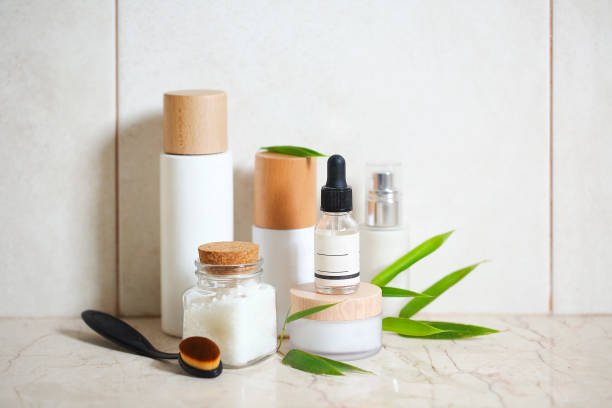
# You know, sometimes creams and ointments just aren’t enough. When acne is more severe, for example, nodular or cystic type, or when topical treatments don’t work, acne treatment specialists consider systemic treatments. This means medications taken orally that affect the entire body.
One of the most common of these medications is oral antibiotics. The doctor might prescribe doxycycline, minocycline, or tetracycline for several months to eliminate bacteria and reduce inflammation. But, well, long-term use of antibiotics can have side effects like antibiotic resistance or digestive problems, so taking them under medical supervision is very important.
Then we get to isotretinoin (Roaccutane), which is somewhat considered the king of severe acne treatment. This drug is incredibly powerful and can permanently cure acne, even those acnes that don’t respond to anything else. Isotretinoin severely reduces oil production, calms inflammation, and also helps reduce bacteria. But, well, it also has serious side effects, from severe dryness of the skin and lips to liver problems and psychological effects. The use of this drug must always be under the strict supervision of an acne treatment specialist and with regular blood tests, especially for women due to the risk of birth defects.
For women with hormonal acne, hormonal treatments such as birth control pills or spironolactone might also be prescribed. These can regulate the levels of hormones that cause acne. Of course, these medications are not suitable for everyone, and the doctor must thoroughly review the individual’s condition.
Choosing systemic treatment is a serious decision and must be done entirely in consultation with and under the supervision of an experienced specialist. After all, your health is not a laughing matter.
Are you looking for integrated skin health solutions that span from medical conditions to cosmetic desires? Kian Derm expertly manages conditions like acne and eczema while offering premium services such as Botox and dermal fillers for aesthetic perfection.
✅ Seamless medical and cosmetic integration
✅ Expert management of skin conditions
✅ Premium aesthetic results
Discover kianderm today.
💡 Advanced Techniques and Devices: Kian Derm’s Innovative Treatments
# When we talk about advanced and device-based treatments, we mean methods that go beyond pills and creams and tackle acne and its complications using modern technologies. This is exactly where clinics like Kian Derm, with their diverse and up-to-date services, have a lot to offer.
You see, sometimes acne leaves scars or dark spots that don’t disappear with conventional treatments. This is where lasers come into play. Various lasers can reduce redness from acne scars, improve scar tissue, or even eliminate acne-causing bacteria.
Next, we have methods like chemical peels. This method uses acidic solutions to remove the superficial layers of the skin, allowing new, fresher skin to replace it. This can be beneficial for improving skin texture, reducing spots, and even controlling acne.
Microneedling and microdermabrasion are also good methods for improving acne scars and skin texture. Microneedling stimulates collagen production by creating tiny punctures on the skin, while microdermabrasion smooths the skin with a physical exfoliation.
Other methods include PRP (Platelet-Rich Plasma) and mesotherapy. PRP uses the patient’s own blood platelets to help regenerate the skin and can be effective in improving acne scars and overall skin quality. Mesotherapy also enhances skin health by injecting vitamin cocktails and nutrients into the middle layers of the skin.
Even Botox injections, in specific cases, can help treat stubborn acne by controlling skin oil and tightening pores. Acne treatment specialists at centers like Kian Derm, by carefully examining your condition, choose the best and most appropriate technique to achieve the results you expect. The choice of method depends on the type of acne, its severity, your skin type, and your expectations.
🍎 The Role of Lifestyle and Nutrition in Acne Management
# Well, don’t think that everything is just about medicine and treatment! Sometimes, what we eat, or even our lifestyle, can significantly affect acne. This part of the work is somewhat complementary to medical treatments, and acne treatment specialists usually recommend paying attention to it.
First of all, nutrition: it’s true that scientists aren’t yet 100% sure that a certain food directly causes pimples, but there is evidence that a high-glycemic index diet (meaning things like white bread, sweets, soda) and high dairy consumption can exacerbate acne in some individuals.
So, what should we do? Try to consume more fresh fruits and vegetables, whole grains, and lean proteins. Antioxidants and omega-3 fatty acids (found in fish or flaxseed) can also be very good for reducing inflammation and skin health.
Then we get to stress. Did you know stress can worsen acne? When you’re stressed, the body releases hormones that can stimulate oil glands. So, finding ways to manage stress, such as yoga, meditation, regular exercise, or even a friendly chat, can work wonders for your skin too.
And adequate sleep, well, need I say more. If you don’t sleep well, it affects both your hormones and your skin’s repair process. So, try to get at least 7-8 hours of sleep at night.
Daily skincare is also fundamental. Using gentle products, regular skin cleansing (not overdoing it), and avoiding picking at pimples all help you.
These are all interconnected, just like a chain. If one of these links is weak, the others will also be affected. A good specialist pays attention to all these aspects and doesn’t just rely on medication.
This table is a small summary of lifestyle recommendations:
🚫 Prevention and Treatment of Acne Scars and Dark Spots
# Okay, let’s assume we’ve controlled the acne – great! But the story doesn’t always end there. Unfortunately, severe acne or even improper picking can leave behind souvenirs that become a new problem: acne scars and dark spots (PIH or post-inflammatory hyperpigmentation).
The first and most important step in prevention is definitely not to pick at pimples at all. Squeezing, popping, or picking at pimples increases inflammation and severely raises the likelihood of skin tissue damage and scar formation. So, the first rule: “Don’t touch your pimples!”
Effective and timely acne treatment is also very important. If acne is treated quickly and correctly, there’s less chance of it leaving scars. This is where the role of acne treatment specialists becomes prominent again; by choosing the best treatment plan, they prevent long-term damage.
But if scars or dark spots have already formed, there are still solutions. For dark spots, topical products containing Vitamin C, Niacinamide, Azelaic Acid, or Hydroquinone can be helpful. These help brighten spots and even out skin tone.
For scars, treatments are more diverse and usually require more serious interventions. Laser therapy (such as fractional lasers), microneedling, deeper chemical peels, or even filler injections (for depressed scars) are among the methods that acne treatment specialists might suggest.
Sometimes, methods like subcision (cutting fibrotic bands under the scar) or punch excision (removing the scar with minor surgery) are necessary. The choice of each depends on the type and depth of the scar and must definitely be performed by an experienced dermatologist.
Let’s remember that treating acne scars is usually time-consuming and requires patience and persistence. The sooner we start treatment, the better the results we will get.
⏳ Long-Term Care and Maintaining Skin Health
# Well, when acne is finally under control and your skin improves, you shouldn’t think that the job is done and nothing else is needed. In fact, maintaining this condition and preventing breakouts from returning is an art in itself! This is where long-term care and regular follow-ups with acne treatment specialists truly show their worth.
You see, our skin is constantly changing, and its needs also change. A plan that works perfectly for you now might need a small adjustment six months later. That’s why periodic check-ups with a dermatologist are very important. During these visits, the doctor will examine your skin’s condition, adjust medication dosages if necessary, or even suggest adding a new product to your routine.
A daily skincare routine recommended by a specialist is fundamental. This routine usually includes gentle facial cleansing with a suitable cleanser, toner application (if needed), therapeutic serums or creams (such as lower-dose topical retinoids for prevention), a moisturizer appropriate for your skin type, and of course, daily and consistent use of sunscreen (especially if you are using photosensitizing medications).
Remember, even if your skin has cleared up, you still shouldn’t use comedogenic products (products that clog pores). Always look for “non-comedogenic” or “oil-free” products.
Furthermore, the healthy lifestyle we discussed earlier (proper nutrition, stress management, adequate sleep) remains important. These are not just for initial treatment but are also essential for maintaining your overall skin health.
The goal of these long-term care practices is to ensure you don’t have to struggle with severe acne again and can enjoy clear, healthy skin. This path might seem long, but with the guidance of an experienced and dedicated acne treatment specialist, it is definitely worth it.
Does your skin need expert attention for medical issues and a rejuvenating boost? Kian Derm provides thorough diagnosis and treatment for various conditions, coupled with cutting-edge cosmetic procedures including PRP therapy and microneedling.
✅ Thorough medical diagnostics
✅ Rejuvenating aesthetic therapies
✅ Patient-centered approach
Schedule your consultation with kianderm.
✅ Choosing the Best Acne Treatment Specialist: What to Look For?
# Well, we’ve talked a lot about different approaches and treatments for acne so far. But an important question still remains: How do we find the best acne treatment specialist? After all, choosing the right doctor is half the battle!
First of all, look for a specialized dermatologist. That means someone who has completed general medical school and then specialized in dermatology. This indicates that they have received the necessary training and possess up-to-date scientific knowledge about skin diseases, including acne.
Experience is also very important. A specialist who has been working in this field for years has encountered various cases and knows how to deal with stubborn or specific types of acne. You can ask friends and acquaintances or check online reviews from previous patients.
Pay attention to the doctor’s overall approach as well. A good specialist doesn’t just see the pimples; they look at you as an individual and consider your lifestyle, medical history, and concerns. Their approach should be comprehensive and personalized.
Effective communication is paramount. You should feel comfortable with your doctor and be able to share all your questions and concerns openly. If the doctor listens carefully to you and answers patiently, that’s a good sign.
The clinic’s facilities can also be important. Does the clinic use new technologies and advanced equipment for specialized treatments? For example, at Kian Derm, a variety of services such as laser, microneedling, PRP, and mesotherapy are offered, which indicates up-to-dateness and comprehensiveness of services. This means you don’t need to go elsewhere for each treatment.
Finally, consider the clinic’s location. If the clinic is near your home or workplace, it will be easier to commute for regular visits. Finding a reputable dermatology center in your area can really save you time and energy. Let’s remember, this is an investment in our skin health, so it’s worth taking the time to choose the best.
| Question | Answer |
|---|---|
| What is acne? | Acne is a common skin condition that occurs when hair follicles become clogged with oil and dead skin cells, leading to pimples, blackheads, whiteheads, and sometimes deeper lesions. |
| Why should I see an acne treatment specialist? | Dermatologists can accurately diagnose your specific type of acne, identify its cause, and provide a personalized and more effective treatment plan than general treatments. |
| What are common acne treatments? | Treatments include topical creams and gels (retinoids, benzoyl peroxide), oral antibiotics, hormonal medications, and in more severe cases, isotretinoin. |
| Does diet affect acne? | Evidence suggests that high glycemic index diets and high dairy consumption may exacerbate acne in some individuals. A healthy and balanced diet is recommended. |
| Is picking at pimples dangerous? | Yes, picking at pimples can lead to increased inflammation, infection, and permanent acne scars. It is strongly recommended not to pick at pimples. |
| What treatments are available for acne scars? | Scar treatments include laser therapy, microneedling, chemical peels, subcision, and filler injections, which are determined by a dermatologist. |
| How long does acne treatment take? | The duration of acne treatment varies depending on its severity and type. Initial improvement usually takes several weeks, but complete treatment and prevention of recurrence can take several months to a year or more. |
| Is adult acne common? | Yes, adult acne, especially in women, is common and can be caused by hormonal changes, stress, or other factors. |
| How can I prevent acne recurrence? | By following a suitable skincare routine, using maintenance medications (if necessary), managing stress, having a healthy diet, and regular visits with your doctor, you can prevent acne recurrence. |
| What services does Kian Derm offer for acne treatment? | Kian Derm offers a wide range of services from medical diagnosis and treatment of acne to advanced aesthetic procedures such as laser, microneedling, PRP, mesotherapy, and filler injections to control acne and improve its scars. |
And other services provided by Kian Derm Clinic include
• RF microneedling
• CO2 fractional laser resurfacing
• Erbium laser resurfacing
• Intense Pulsed Light (IPL) photo-rejuvenation
• Pigmented lesion removal (laser)
And dozens of other services in the fields of skin, beauty, and medical treatments
Skin | Hair | Beauty | Nails
Empower smarter investments! kianderm provides detailed investment information analysis for informed choices. ✅ Strategic investment insights.
Phone: +1 (236) 551-2282
Email: info@kianderm.ca
Address: 1836 Lonsdale Ave, North Vancouver, BC V7M 2J9, Canada