


🧐 Introduction to Acne and the Importance of Specialized Treatment
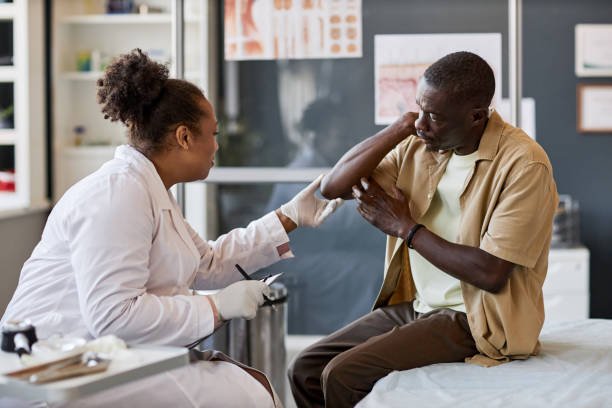
# Well, who hasn’t dealt with annoying pimples? This skin condition, which we call acne, is an unwelcome guest that affects not only our face but also our mental and emotional well-being. Whether you’re a teenager or older, acne can severely damage your self-confidence and even make you avoid social gatherings. This is no longer just a superficial problem; it has deeper roots that must be taken seriously. Many people think that a little soap and ordinary pharmacy creams can get rid of it, but experience has shown that in such cases, the situation often gets worse.
When it comes to acne treatment, we need to know that not all acne is the same, and every skin type requires its own specific treatment method. This means what worked for your friend might just be a waste of time for you. This is exactly where the role of a specialized acne treatment clinic like Kian Derm becomes prominent. The expertise and knowledge of a dermatologist with extensive experience in this field can completely change the course of treatment. They can diagnose the root cause of the problem, determine the type of acne, and offer you the best solution.
Many misconceptions about acne make the situation harder. For example, that acne is only for puberty, or only due to dirty skin, or that it will just go away on its own one day. These ideas have no scientific basis and usually cause people to delay seeking treatment, and by the time they do, the pimple marks have turned into dark spots and scars. Remember, early treatment is always the best way to prevent subsequent complications. If you feel your pimples are deep, painful, or numerous, or even if they haven’t improved after home remedies, you should consult a dermatologist without delay. In this article, we will explore various treatment options and see how a clinic like Kian Derm can help you.
🔬 What is Acne and Why Does It Occur?
Alright, let’s dive a little deeper into the story of acne and understand where this skin phenomenon actually comes from. Acne, or pimples, happens when your hair follicles and skin oil glands get clogged with oil (sebum) and dead skin cells. This blockage creates an excellent environment for bacteria to grow, resulting in inflammation, redness, and the types of pimples we know.
Now, various factors combine to make this happen. One of the biggest reasons is hormonal changes. That’s why many people experience more breakouts during puberty, pregnancy, and even before menstruation. Hormones like androgens cause the oil glands to work harder and produce more sebum. Genetics also play a significant role; if your parents had a history of severe acne, you are likely to be more prone to it. Certain bacteria like Propionibacterium acnes, which always live on our skin, begin to multiply when conditions are favorable, causing inflammation.
In addition to these, environmental factors and lifestyle can also be influential. Stress, specific diets (it’s still highly debated, but some believe dairy or high-glycemic foods can be effective), using inappropriate cosmetic and skincare products, and even some medications can exacerbate acne. Accurate diagnosis of the root cause of acne is key to successful treatment. A specialized physician in an acne treatment clinic like Kian Derm, by examining your skin and medical history, can find the root of the problem and, based on that, provide you with a personalized treatment plan. Understanding these reasons helps us not only have better treatment but also prevent the recurrence of pimples. So, this is an important step on the path to healthier and clearer skin.
Want to address specific aging concerns? kianderm provides advanced treatments like hyaluronic acid and device-based rejuvenation.
✅ Non-surgical anti-aging options
✅ Improved skin texture and tone
✅ Personalized approach for natural results
Refresh your look with kianderm.
✨ Types of Acne and the Importance of Correct Diagnosis
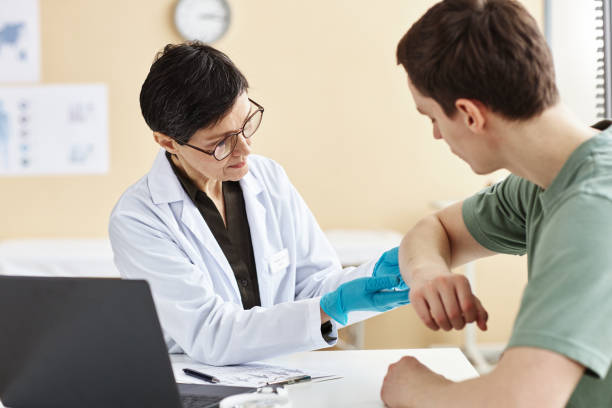
You might think a pimple is just a pimple, but the truth is that acne itself comes in different types, and each has its own story. Understanding exactly what type of acne you’re dealing with is paramount in choosing the best treatment method. A common mistake is to treat all pimples the same way and expect one method to work for all of them. But a good acne treatment clinic first and foremost focuses on accurate diagnosis.
Let’s take a look at common types of acne:
| Acne Type | Characteristics | How it usually appears |
|---|---|---|
| Whiteheads (Closed Comedones) | Clogged pores, small bumps under the skin | Small white bumps, often without inflammation |
| Blackheads (Open Comedones) | Open pores, oxidized oil and darkened color | Black spots on the skin, without serious inflammation |
| Papules | Small, red, inflamed bumps | Small, red, tender pimples to the touch |
| Pustules | Red bumps with a white center (pus) | Pimples containing pus that are usually painful |
| Nodules | Firm, painful lumps beneath the skin’s surface | Large, deep, and very painful pimples |
| Cysts | Large, pus-filled lesions, resembling a large infected pimple | Deep, painful cysts that have a high potential for scarring |
As you can see, there’s a wide range of acne, from small whiteheads that are usually milder, to deep and painful cysts and nodules that can leave serious skin damage like scars. A specialized doctor in a reputable clinic can determine the type and severity of your acne through a thorough examination of your skin. This correct diagnosis helps them design the best treatment protocol for you. For example, for mild acne, topical treatments might be sufficient, while more severe acne like nodules and cysts require oral medications or even more advanced methods. Ignoring these differences can lead to ineffective methods and even worsen the skin condition. So, the first and most important step is this: accurate, accurate, accurate diagnosis!
💊 Medical Treatment Options (Insurance Covered Services)
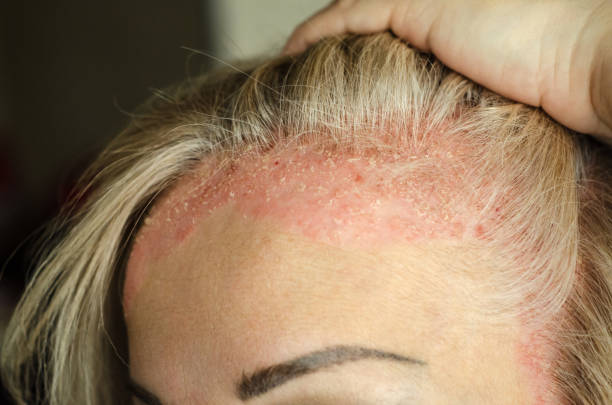
Now that we understand what acne is and its types, let’s move on to the main part: treatment. When your pimples become more serious and you don’t get results with ordinary and home methods, it’s time to consider medical treatments. The good news is that many of these treatments in reputable clinics are covered by insurance, especially when it comes to skin health.
At Kian Derm, specialized dermatologists, with their high knowledge and experience, offer a wide range of treatment services for acne, some of which include diagnosing and treating skin, hair, and nail diseases. For acne, treatment usually starts here:
- Topical Medications: These include creams and gels applied directly to the skin. Ingredients like retinoids (vitamin A derivatives), benzoyl peroxide, and topical antibiotics are among the most common. Retinoids help unclog pores and prevent new breakouts, while benzoyl peroxide kills bacteria and reduces inflammation.
- Oral Medications: For moderate to severe acne, your doctor might prescribe oral medications. Oral antibiotics are used to reduce bacteria and inflammation, and isotretinoin (which must be used carefully and under medical supervision) is used for severe cases of acne that haven’t responded to other treatments. These medications require careful monitoring, and the specialist doctor considers all aspects.
- Skin Biopsy: Sometimes, for a more accurate diagnosis of skin lesions that resemble acne or to confirm the precise nature of the lesions, a skin biopsy may be needed. This is an outpatient procedure performed with local anesthesia.
- Cryotherapy (Cold Therapy): This method is primarily used for removing skin lesions such as warts or some moles, but it can sometimes be considered in the management of acne side effects (like hypertrophic scars). Although not directly for acne treatment itself, it is part of general dermatology services.
- Medical Botulinum Toxin Injections: This item, which is covered by general insurance, is mostly used to treat conditions like excessive sweating (hyperhidrosis) and not directly for acne. But since it’s one of Kian Derm’s services covered by insurance, it’s worth mentioning so patients are aware of the range of services.
The choice of each of these methods depends on the type and severity of your acne, your medical history, and the doctor’s diagnosis. It’s important to have a comprehensive and coordinated treatment plan and proceed under the supervision of a specialist.
💆♀️ Advanced Aesthetic and Therapeutic Services (Not Insurance Covered)
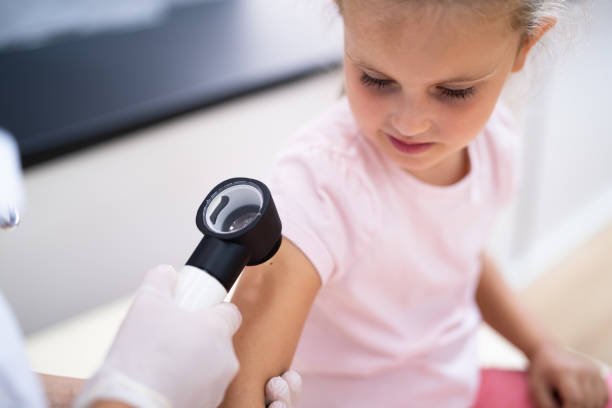
After discussing medical acne treatments that are often covered by insurance, it’s now time to look at advanced aesthetic and therapeutic services. These methods, which are usually not covered by insurance and are offered with the goal of improving skin appearance, reducing acne scars and spots, and overall skin rejuvenation, are very popular in advanced clinics like Kian Derm.
These are options that can complement medical treatments and help you achieve the best possible results:
- Botox Injections: While medical botulinum toxin is offered for specific conditions with insurance coverage, cosmetic Botox injections to reduce facial wrinkles and crow’s feet are completely different and not covered by insurance. Although not directly related to acne, it is considered a complementary aesthetic skin service.
- Fillers (Dermal Fillers): For filling acne scars or deep depressions on the skin, as well as increasing volume in specific facial areas, dermal fillers are an excellent option. These help improve the uniformity of the skin surface.
- Microneedling and Microdermabrasion: These two methods are very effective for improving skin texture, reducing acne scars, and dark spots. Microneedling repairs the skin by stimulating collagen production, and microdermabrasion helps regenerate and clarify it by removing the superficial layer of the skin.
- PRP (Platelet-Rich Plasma): In this method, your own blood platelets are separated and injected into the skin. PRP helps with cell regeneration and collagen production and can be beneficial for improving acne marks and overall skin rejuvenation.
- Mesotherapy: This method involves injecting cocktails containing vitamins, minerals, amino acids, and hyaluronic acid into the middle layer of the skin. Mesotherapy can help nourish the skin, reduce inflammation, and improve the appearance of spots and acne marks.
- Hyaluronic Acid-Based Treatments: Besides fillers, various products and treatment methods exist that use hyaluronic acid for deep skin hydration and improving its elasticity.
- Laser and Advanced Skin Rejuvenation Devices: Laser technology (such as fractional lasers) and other energy-based devices can be very effective for reducing deep acne scars, red and brown spots, and overall improving skin quality. The choice of laser type depends on the type of scar and skin tone.
These services, although costly and not covered by insurance, can deliver results that traditional treatments cannot, helping you achieve the skin you’ve always dreamed of.
Does your skin need expert attention for medical issues and a rejuvenating boost? Kian Derm provides thorough diagnosis and treatment for various conditions, coupled with cutting-edge cosmetic procedures including PRP therapy and microneedling.
✅ Thorough medical diagnostics
✅ Rejuvenating aesthetic therapies
✅ Patient-centered approach
Schedule your consultation with kianderm.
🗺️ Designing a Personalized Treatment Plan for Your Skin

Remember, everyone’s skin has its own story, and that’s precisely why a personalized treatment plan for acne is vital. What worked for your friend might not only fail for you but could even worsen the situation. In a reputable acne treatment clinic like Kian Derm, a specialized dermatologist will first listen to you, review your medical history, and thoroughly examine your skin.
This examination includes determining the type of acne (which we discussed earlier), its severity, and assessing your skin type (oily, dry, combination, sensitive). Additionally, the doctor will consider factors such as your age, gender, hormones, diet, and lifestyle. For example, if your acne is primarily hormonal, they might prescribe specific medications that help balance hormones. If acne scars are your main concern, laser treatments or microneedling will be included in the plan.
Based on this comprehensive information, the doctor will design a unique treatment protocol for you. This protocol may include a combination of topical treatments, oral medications, advanced aesthetic procedures (like laser or PRP), and even recommendations for lifestyle and dietary changes. It’s important that this plan is flexible and the doctor can adjust it as the treatment progresses. This is because your skin changes over time and responds to treatments in different ways.
Also, the doctor will explain what to expect from each treatment, potential side effects, and how long it will take to see results. Patience and regular follow-up are two integral components of successful treatment. Personalized plans help you navigate the treatment journey with more confidence and avoid confusion and unnecessary costs. This means a completely comprehensive approach based on your individual needs.
🏠 Home Care and Its Role Alongside Clinical Treatment

Just visiting an acne treatment clinic and using advanced methods is not enough; home care also plays a very important role in the success of your treatment and maintaining your skin’s health. In fact, these two are like the two wings of a bird that must work together for you to soar and achieve clear skin. The specialist doctor at Kian Derm, in addition to clinical treatments, will definitely give you recommendations for daily care.
The most important things you can do at home include:
- Gentle Skin Cleansing: Wash your skin twice a day with a mild, soap-free cleanser. Over-washing or using harsh scrubs can irritate the skin and even worsen acne.
- Using a Suitable Moisturizer: Even oily and acne-prone skin needs moisturizer, especially if you’re using drying medications. Look for products that are “non-comedogenic,” meaning they won’t clog pores.
- Sun Protection: Sun exposure can exacerbate dark acne spots and even cause skin damage. Daily use of sunscreen with at least SPF 30, even on cloudy days, is essential.
- Choosing Appropriate Cosmetics: Try to use oil-free and non-comedogenic cosmetic products and always remove them before sleeping.
- Avoiding Picking Pimples: This might be the hardest one, but it’s truly important. Squeezing or picking pimples only leads to more inflammation, spread of bacteria, and ultimately scarring.
- Healthy Diet: Although the direct link between diet and acne is still not fully proven, some studies suggest that consuming fewer processed foods, high sugar, and dairy products can help improve acne in some individuals. Drinking enough water is also very good for your overall skin health.
- Stress Management: Stress can disrupt hormonal balance and worsen acne. Relaxation exercises like yoga or meditation can be helpful.
| Home Action | Why It’s Important? | Key Tips |
|---|---|---|
| Gentle Cleansing | Prevents irritation and cleanses pores | Twice daily, with soap-free cleanser |
| Moisturizer | Maintains skin hydration and barrier | Non-comedogenic, suitable for skin type |
| Sunscreen | Prevents darkening of spots and sun damage | SPF 30+, daily, even indoors |
| Avoid Picking | Prevents scars and infection | Do not squeeze or pick pimples |
| Diet | Supports overall skin health | Reduce sugar, dairy, processed foods |
| Stress Management | Reduces hormonal acne flare-ups | Exercise, meditation, adequate sleep |
These home care practices not only accelerate your clinical treatment process but also help you achieve healthier and more radiant skin. This is a lifelong commitment to your skin.
Mythbusters: debunking Myths about Acne 🤔
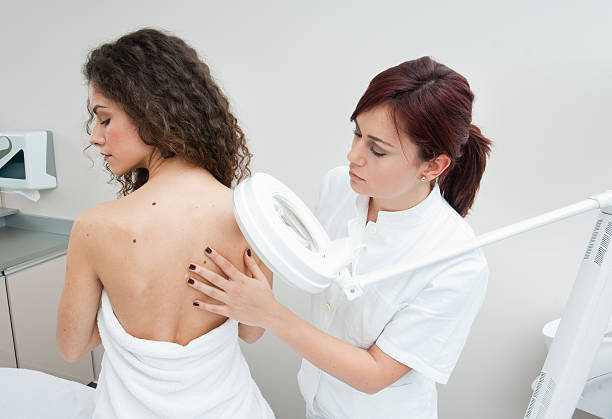
To be honest, there are so many strange myths about acne that it’s mind-boggling! These misconceptions are not only unhelpful but can sometimes even lead to worsening conditions. Let’s examine some of these common myths together and see what the reality behind them is, so we don’t waste our time and money on useless methods.
- Myth 1: Acne is only for teenagers and will clear up on its own.
Reality: While acne is more common during puberty, many adults also deal with acne, even into older age. Adult acne can have hormonal, stress-related, or genetic causes. Waiting for it to clear up on its own only delays treatment and increases the risk of scarring. - Myth 2: Acne is caused by dirty skin.
Reality: No! Acne is a hormonal and inflammatory problem and has nothing to do with dirty skin. In fact, over-washing your face or using harsh cleansers can strip the skin’s protective barrier, cause dryness and further irritation, and worsen acne. - Myth 3: Sun exposure is good for drying out pimples.
Reality: It might seem that way at first, as the sun can temporarily reduce inflammation. But in the long run, sun exposure causes thickening of the top layer of skin, which itself clogs pores and ultimately worsens acne. Additionally, UV rays can also darken existing dark spots from acne. - Myth 4: Picking pimples makes them go away faster.
Reality: Absolutely not! Picking and squeezing pimples causes bacteria and pus to penetrate deeper into the skin, increases inflammation, and raises the risk of scarring and dark spots. Leave this task to a dermatologist. - Myth 5: Diet has no effect on acne.
Reality: Although this topic has always been debated, newer research shows that in some individuals, high consumption of high-glycemic foods (like white bread, sweets) and dairy products can exacerbate acne. A specialist doctor at an acne treatment clinic can advise you on this matter. - Myth 6: Acne can only be treated with over-the-counter products.
Reality: For mild acne, these products might be helpful, but for moderate to severe acne, you need diagnosis and prescription treatments from a specialist doctor.
Understanding these realities will help you make better choices for your skin health and avoid wrong paths. Always consult specialists for reliable information.
🤝 Choosing the Right Acne Treatment Clinic in Your Neighborhood
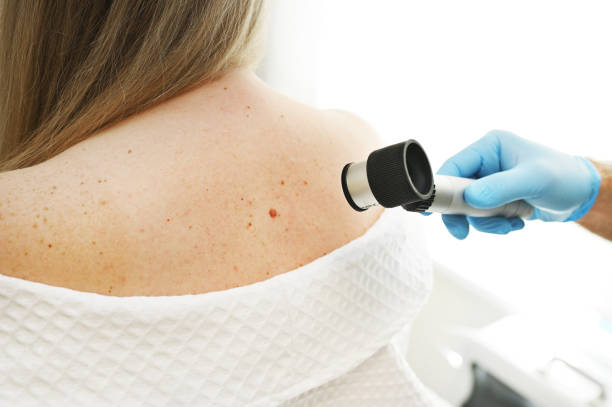
Okay, so far we’ve talked about acne and its various treatments. Now, you might be asking how you can find a good and reliable acne treatment clinic in your neighborhood? Choosing the right clinic is very important, as you’re about to embark on a treatment journey with them. Here are a few points you should pay attention to:
- Doctor’s Expertise and Experience: The first and most important factor is the dermatologist’s specialization. Make sure the doctors are board-certified dermatologists and have sufficient experience in diagnosing and treating all types of acne. Experience in dealing with complex acne cases is a sign of an excellent specialist.
- Comprehensive and Diverse Services: A good clinic should offer a wide range of services, from insurance-covered medical treatments to advanced aesthetic procedures. This means you won’t need to visit another place for each stage of treatment. Kian Derm addresses this need by offering both categories of services.
- Modern and Up-to-Date Equipment: Acne treatment, especially for its scars, requires advanced devices such as various lasers. Make sure the clinic uses new and safe technologies.
- Personalized Approach: As we mentioned earlier, acne treatment should be completely personalized. Choose a clinic that values this principle and designs a unique treatment plan for each patient.
- Reviews from Previous Patients: Online reviews and feedback from previous patients can be a good source for evaluating service quality. Look for clinics that have high patient satisfaction.
- Location and Accessibility: Well, a clinic in or near your neighborhood makes commuting easier for you, especially if you need multiple treatment sessions. A conveniently located acne treatment clinic can greatly help with treatment adherence.
- Transparency in Costs: Before starting any treatment, inquire about the costs and insurance coverage for various services to avoid future problems.
Choosing a clinic with these characteristics assures you that you will receive the best care and proceed with your treatment path with greater peace of mind. Entrust your skin health to specialized and experienced professionals.
Is patchy hair loss a worry? kianderm provides diagnostic and treatment options for alopecia and other hair conditions.
✅ Expert evaluation for hair concerns
✅ Targeted treatments to promote growth
✅ Support for all your dermatological needs
Consult kianderm for hair health!
📈 Follow-Up and Maintenance of Acne Treatment Results
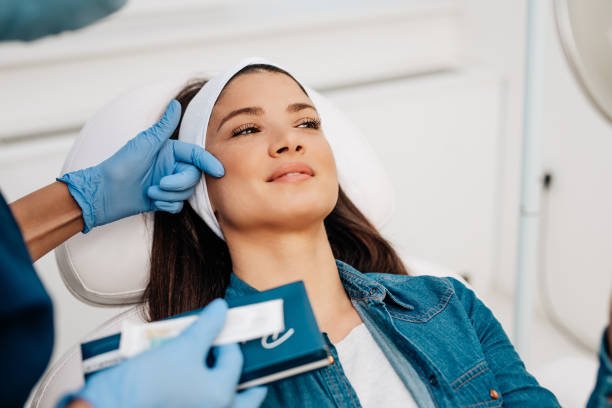
Okay, suppose you’ve achieved your desired results with the help of Kian Derm Acne Treatment Clinic, and your skin has significantly improved. Now, what’s the most important stage? Yes, maintaining these results! Acne is a chronic problem, and if you don’t take the necessary care, it might return. Here’s how you can keep your clear skin for a longer period.
- Continue the Skincare Routine: Even after your acne is controlled, you should continue with the skincare routine recommended by your doctor. This might include using mild topical retinoids, moisturizers, and sunscreens. These products help prevent new breakouts and maintain skin health.
- Regular Doctor Visits: Don’t think that once your pimples are gone, you no longer need a doctor. Regular visits to your dermatologist (e.g., every 6 months or as advised by your doctor) are very important for monitoring your skin’s condition and adjusting your care plan. This way, any problem is identified and controlled before it becomes serious.
- Pay Attention to Skin Changes: Your skin is constantly changing. It might react differently with changes in seasons, stress, or hormonal fluctuations. If you notice pimples returning or your skin becoming irritated, discuss it with your doctor immediately.
- Healthy Diet and Lifestyle: As mentioned earlier, a balanced diet, adequate water intake, regular exercise, and stress management can contribute to your overall skin health and reduce the likelihood of acne recurrence.
- Avoid Triggers: Try to understand what triggers your acne (e.g., certain cosmetic products, specific foods, or even wearing hats or headbands) and avoid them as much as possible.
- Use Quality Products: Choosing quality skincare products suitable for your skin not only helps maintain treatment results but also prevents new problems. Always consult your doctor before buying a new product.
Remember, achieving good skin is a continuous journey that requires commitment and care. But the results are truly worth it and give you a better feeling and more self-confidence.
| Question | Answer |
|---|---|
| What is acne and what causes it? | Acne is a skin condition caused by hair follicles becoming clogged with oil and dead skin cells. Hormonal factors, genetics, bacteria, stress, and diet can play a role in its development. |
| When should I see a dermatologist for acne? | You should see a dermatologist if your acne is severe, painful, or does not respond to home treatments, and also if it causes spots or scars. |
| Are all types of acne treated the same way? | No, acne has various types (whiteheads, blackheads, papules, pustules, nodules, cysts), and each requires a different diagnosis and treatment method. |
| What medical treatments for acne are covered by insurance? | Topical medications (retinoids, benzoyl peroxide), oral medications (antibiotics, isotretinoin), and in specific cases, skin biopsy or cryotherapy for related lesions, are among these treatments. |
| What advanced aesthetic services are available for acne or its scars? | Services such as microneedling, microdermabrasion, PRP, mesotherapy, filler injections for scars, and laser therapy for spots and acne marks are among these methods, which are usually not covered by insurance. |
| Does diet affect acne? | Research indicates that in some individuals, high consumption of high-glycemic foods (such as sweets) and dairy products may exacerbate acne. Consultation with a specialist doctor in this regard is recommended. |
| How can I prevent acne recurrence after treatment? | Continuing the skincare routine recommended by your doctor, periodic visits, paying attention to skin changes, and maintaining a healthy lifestyle (diet, stress management) are crucial for maintaining results. |
| Can I squeeze or pick my pimples? | No, picking pimples can lead to increased inflammation, spread of bacteria, infection, and an elevated risk of permanent scarring. This should be done by a specialist. |
| How do I choose a suitable acne treatment clinic? | Consider the doctors’ expertise and experience, comprehensive and diverse services, modern equipment, a personalized approach, reviews from previous patients, and the clinic’s location. |
| Is sun exposure good for drying out pimples? | No, sun exposure can temporarily improve acne but in the long run causes skin thickening, pore blockage, and exacerbates dark acne spots. Sunscreen use is essential. |
And other services provided by Kian Derm Clinic include
• Permanent makeup removal (laser)
• Microblading removal (laser)
• Tattoo fade for cover-ups
• Body hair reduction (laser)
• Facial hair reduction (laser)
And dozens of other services in the fields of skin, beauty, and medical treatments
Skin | Hair | Beauty | Nails
Are you missing crucial insights? kianderm uncovers overlooked data points to give you a competitive advantage. ✅ Holistic business perspectives.
Phone: +1 (236) 551-2282
Email: info@kianderm.ca
Address: 1836 Lonsdale Ave, North Vancouver, BC V7M 2J9, Canada