


💡 Treating Hair Loss with PRP: A Fresh Gateway to Revitalizing Your Hair
Okay, let’s get straight to the point. Hair loss? Yes, it’s a really common and sometimes deeply distressing problem that affects both men and women. Who wouldn’t want to have thick, healthy hair? Every day we stand in front of the mirror, looking at our hair with concern, searching for a solution to stop or even reverse this process. From strange shampoos to various pills and home remedies, we try everything, but sometimes none of them give us the results we desire. This is where advanced treatments like PRP for hair, or Platelet-Rich Plasma, come into play. This name might sound a bit scientific and complicated, but in reality, it’s a completely natural method derived from your own body that holds great potential for combating hair loss and even helping regrow lost hair.
Look, we’re not here to deliver a dry, lifeless article. We want to talk in a way that feels like we’re sitting together, chatting about a common concern shared by many of us. The goal is for you to gain a complete and thorough understanding of what PRP is, how it works, and whether it’s right for you. So, if you’re tired of seeing strands of hair in your brush and on your pillow, and you’re looking for a serious and effective solution, you’ve come to the right place. This comprehensive guide will shed light on all aspects of PRP hair loss treatment. From the scientific principles behind it to the steps involved and what you can expect from it. So, let’s get started and see what this PRP, whose name is so often heard these days, can really do.
🔬 What is PRP and How Does the Science Behind It Work?
Now that we have a general understanding, it’s time to dive a little deeper and figure out exactly what PRP is and why it has generated so much buzz for hair loss treatment. PRP stands for Platelet-Rich Plasma. So, what are platelets? Platelets, those tiny, colorless cells floating in our blood, play a very important role in blood clotting and wound healing. Imagine you cut your hand; these platelets act like a well-organized army, stopping the bleeding and beginning the reconstruction process.
But the story doesn’t end there. These platelets are a real treasure trove of growth factors. Growth factors are specific protein molecules that signal body cells to multiply, differentiate, and repair damaged tissues. In PRP, we isolate these very platelets from your own blood and increase their concentration several times above normal. Then, this enriched plasma is returned to the area that needs repair, for example, the scalp where hair is falling out.
When we inject this enriched PRP into the scalp, the platelets become activated and begin to release those magical growth factors! What do these factors do? Many things: Firstly, they improve blood flow in the scalp area. Well, better blood flow means more oxygen and nutrients reach the hair follicles. Secondly, they stimulate the stem cells present in the hair follicles to become active and enter the growth phase. Remember, hair follicles are always in a cycle: growth phase (anagen), resting phase (telogen), and shedding phase (catagen). The goal of PRP is to prolong the growth phase and shorten the shedding phase.
Finally, these growth factors also help reduce inflammation, which itself is an important factor in some types of hair loss. In short, PRP for hair acts like a natural catalyst that harnesses your body’s internal capabilities to revitalize hair follicles and stop hair loss. It’s like you’re telling your body, “Look, strengthen this area!”
Seeking to plump and hydrate your skin deeply? kianderm specializes in hyaluronic acid treatments and mesotherapy, delivering intense moisture and vital nutrients for a youthful glow.
✅ Targeted solutions for dry, dull, or dehydrated skin
✅ Improved elasticity and firmness through advanced techniques
✅ Personalized regimens for lasting skin health and radiance
Quench your skin’s thirst with kianderm!
👨⚕️ Who Are Good Candidates for PRP Treatment?
Now that we understand what PRP is and how it works, the important question is whether this treatment works for all types of hair loss? Or can anyone use it? The reality is that PRP is most effective for specific individuals and certain patterns of hair loss; it’s not a one-size-fits-all solution.
Ideal candidates for PRP hair loss treatment are typically individuals experiencing androgenetic alopecia (hereditary hair loss or male/female pattern baldness) in early to moderate stages. By this, I mean that the hair follicles have not completely died off but are only weakened or “miniaturized,” as it’s called. In these conditions, PRP can reawaken these dormant follicles and stimulate them to produce stronger, thicker hair. Also, individuals suffering from alopecia areata (patchy hair loss) can benefit from this treatment.
But, who are not good candidates? See, if hair loss is very severe or if hair follicles have been completely destroyed for a long time and replaced by scar tissue, the chances of PRP success decrease. It’s like trying to revive a dried-up tree; it’s very difficult, isn’t it? Additionally, pregnant or breastfeeding women, individuals with a history of cancer (especially blood cancer), patients with bleeding disorders, those with active infections, or people taking certain medications like blood thinners, are usually not good candidates for this procedure. Smoking can also negatively affect the efficacy of PRP.
Always, before any action, you should have a thorough and precise consultation with a dermatologist. Your doctor, by reviewing your medical history, examining your scalp, and perhaps even blood tests, can make the best diagnosis and tell you whether PRP hair loss treatment is a suitable option for you. This is where the importance of choosing a reputable clinic and a skilled doctor, like the specialists at Kian Derm, becomes evident. With their knowledge and experience, they will guide you.
| Candidate Group | Description |
|---|---|
| Androgenetic Alopecia (early/moderate stages) | Hair follicles are still alive and stimulable. |
| Alopecia Areata (patchy hair loss) | Stimulation of dormant follicles and reduction of inflammation. |
| Postpartum or Stress-Related Hair Loss | Faster improvement and hair strengthening. |
| Hair Thinning (without severe loss) | Increased hair thickness and strength. |
💉 Steps of PRP for Hair; From Blood Draw to Injection
Okay, so far we’ve understood what PRP is and who it’s suitable for. Now let’s see what steps you need to go through if you decide to start this treatment. Honestly, the steps for PRP for hair are not very complicated, and it’s generally an outpatient procedure performed in a clinic, usually taking less than an hour.
The first step, as the name suggests (Platelet-Rich Plasma), is drawing a blood sample from you. Exactly like a regular blood test, the doctor or nurse will draw a small amount of your blood (usually about 20 to 60 milliliters) from a vein in your arm and place it in a special tube. Don’t worry, the pain is just like a simple blood draw.
The next step is platelet separation. This is where the magic of technology comes in. That blood tube is placed into a device called a centrifuge. A centrifuge is a machine that spins at a very high speed and uses centrifugal force to separate different components of blood based on their density. Imagine stirring a glass of water and oil quickly; after a while, you’ll see the oil and water separate. It’s something similar. In the centrifuge, the heavier red blood cells settle at the bottom, white blood cells and platelets form a middle layer, and plasma (the liquid part of the blood) sits on top.
After centrifugation, the doctor carefully separates the platelet-rich plasma, which contains a large amount of growth factors, using a special syringe. This golden liquid is our magical substance that will help your hair grow.
And finally, the last step: injecting PRP into the scalp. This part is the most crucial. The doctor uses very fine needles to inject the PRP into specific areas of your scalp, especially regions experiencing thinning and hair loss. Before the injection, a local anesthetic is usually applied to minimize discomfort. These injections are typically repeated at regular intervals, for example, once a month for 3 to 4 sessions, and after that, booster sessions every 6 to 12 months may be needed. The entire process is performed under the supervision of a specialist doctor, and the importance of experience and precision at this stage is truly high.
⏳ What Results to Expect? Before and After PRP
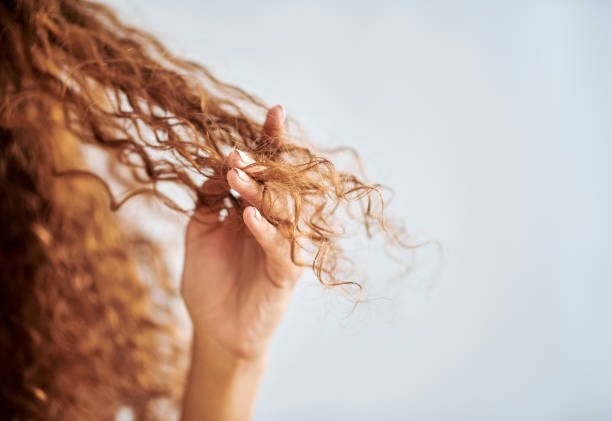
Okay, we’ve started the treatment, and the steps are complete. Now the question arises: When can I expect results? And what should I observe before and after the treatment? This section is very important because realistic expectations can greatly influence your satisfaction with the treatment.
First of all, let me be frank: PRP is not a magical overnight solution. You won’t wake up after one session with a full head of new hair. This process requires time and patience. Visible results usually appear after 3 to 6 months and completion of several treatment sessions. Initially, you might notice a reduction in hair loss, then thinner hairs gradually start to thicken, and finally, if the follicles haven’t completely died, you might see the growth of new, stronger hairs.
Before PRP treatment: Your doctor will definitely give you some recommendations. For example, they might ask you to avoid blood-thinning medications (like aspirin) or non-steroidal anti-inflammatory drugs (like ibuprofen) for a few days before treatment to reduce the risk of bruising and bleeding. Also, it’s best to drink enough water and maintain a healthy diet to ensure good quality of your blood plasma. As for smoking, as we mentioned, it’s better to avoid it, as it negatively affects blood quality and the healing process.
After PRP treatment: Typically, immediately after the injection, you might experience some redness, swelling, or minor bruising in the injected area, which is completely normal and resolves within a few hours to a few days. Pain is usually minimal and manageable with over-the-counter painkillers. It’s recommended to avoid washing your hair for 24-48 hours and to refrain from strenuous activities and exercise to allow the PRP to work effectively. You can wear a hat or scarf, but you shouldn’t apply excessive pressure to the scalp. Your doctor will definitely give you detailed post-treatment care instructions.
The important point is that the effectiveness of PRP for hair varies among individuals. Some get fantastic results, while others might only experience a halt in hair loss and strengthening of existing hair. The most important thing is to be realistic and follow the treatment as advised by your doctor. Remember, this is an investment in the future of your hair.
Worried about persistent skin conditions or signs of aging? kianderm offers a complete spectrum of medical dermatology and aesthetic solutions to restore your skin’s health and beauty.
✅ Expert diagnosis and personalized treatment plans for various conditions
✅ State-of-the-art procedures for rejuvenation and lasting results
✅ Publicly covered and premium cosmetic services tailored for you
Book your consultation with kianderm now!
✅ Potential Advantages and Disadvantages of PRP Hair Loss Treatment

Well, there’s no treatment in the world that only has advantages and no drawbacks, right? PRP for hair is no exception. Let’s see which way the scale tips for this treatment: are its advantages greater or its disadvantages?
Let’s start with the main advantages, which are truly impressive. The biggest and most important benefit of PRP is that it’s a completely natural treatment. It’s derived from your own blood, so the risk of allergic reactions, disease transmission, or rejection by the body is practically zero. This itself is a great peace of mind. Secondly, this method is non-invasive, meaning no surgery is involved. Just a few tiny injections, that’s it. This makes the recovery time very short, and you can return to your daily activities immediately after treatment. Pain and discomfort are minimal and tolerable.
PRP can not only stop hair loss but also has the potential to stimulate the regrowth of new hair and also thicken thin and weak hair. That’s hitting several targets with one shot! For those who, for any reason, cannot use or have not responded to oral or topical medications like minoxidil and finasteride, PRP can be an excellent option. Furthermore, if performed concurrently with hair transplant, it can help improve the survival and growth of transplanted follicles.
Now let’s turn to the other side of the coin, namely potential disadvantages and side effects. As I mentioned, serious side effects are very rare. Usually, mild and temporary side effects such as pain, redness, bruising, or swelling are observed in the injected area, which resolve within a few days. Occasionally, a feeling of pressure or mild headache may also be reported. The risk of infection is also very low, provided the treatment is performed in a sterile environment by an experienced specialist.
In terms of disadvantages, it can be noted that the results are not guaranteed and may not be the same for everyone. It requires multiple treatment sessions, which is both time-consuming and costly. Also, to maintain results, booster sessions may be needed. Despite all this, for many, the benefits of being natural, non-invasive, and having high potential for hair growth make the scale tip towards the advantages.
⚖️ Comparing PRP with Other Hair Loss Treatments
These days, there are various options in the hair loss treatment market, and each has its own claims. It’s natural that when we’re making a decision, we want to know where PRP for hair stands compared to its competitors. Let’s have a quick comparison to get a better perspective.
Minoxidil: This is one of the most well-known topical medications available over-the-counter. Minoxidil works by widening blood vessels and increasing blood flow to the follicles. Its advantage is that it’s easy; you just apply it to the scalp every day. But, it must be used continuously, and if you stop, hair loss returns. Sometimes it can also cause scalp irritation or unwanted facial hair growth. PRP is a stronger and longer-lasting solution that utilizes the body’s internal mechanisms.
Finasteride: This is an oral medication prescribed for men, which works by inhibiting a hormone called DHT (the main culprit in hereditary hair loss). Finasteride is very effective, but it has potential side effects, including sexual side effects in a small percentage of men. Pregnant women should absolutely not come near it. PRP is considered a safer option in this regard, as it has no systemic side effects.
Hair Transplant: This method is a completely different game. Hair transplant is a surgical procedure where hair follicles are taken from a dense area (usually the back of the head) and transplanted to sparse areas. This is the most effective solution for individuals who have completely lost their hair and whose follicles are no longer active. But it is more invasive, more expensive, and has a recovery period. PRP can be an excellent complement to hair transplant; meaning it can be done before or after the transplant to strengthen the transplanted follicles and improve their growth.
Dietary Supplements and Vitamins: Well, these are also important, but they are usually not sufficient on their own for serious hair loss. They primarily play a supportive role and compensate for nutritional deficiencies. PRP cannot be compared to these, as PRP is a direct and powerful treatment that acts on the follicles themselves.
So, PRP for hair is a kind of middle-ground solution between pharmaceutical treatments and surgery. If your hair loss is at a stage where follicles are still alive and you don’t want to use chemical drugs with potential side effects, or you haven’t reached the stage of hair transplant yet, PRP can be an ideal and natural option. Each of these methods has its place, and the best decision is made after consulting with a good dermatologist, like those at Kian Derm.
| Treatment Method | Advantages | Disadvantages | Invasiveness Level |
|---|---|---|---|
| PRP (Platelet-Rich Plasma) | Natural, non-invasive, strengthening and growth | Requires multiple sessions, cost, variable results | Low |
| Minoxidil | Accessible, inexpensive | Must be used continuously, skin irritation, unwanted hair growth | Zero |
| Finasteride | Highly effective (men) | Sexual side effects, contraindicated for women | Zero (oral) |
| Hair Transplant | Permanent results, full coverage | Invasive, high cost, recovery period | High |
🏥 Choosing the Right Clinic for PRP Treatment; Why Kian Derm?
Now that you are thoroughly familiar with PRP hair loss treatment, the most important next step is choosing a reliable and reputable place to have it done. See, although PRP treatment uses your own blood and seems simple, it requires high precision, expertise, and strict adherence to hygiene protocols. If done in an unsanitary environment or by an inexperienced person, it can lead to unpleasant consequences.
So, what should we look for? Firstly, the doctor’s expertise and experience. The doctor must be a dermatologist and have sufficient knowledge of scalp anatomy, injection techniques, and accurate diagnosis of the type of hair loss. This is where names like Kian Derm stand out. At Kian Derm, specialist dermatologists with extensive experience in medical and cosmetic dermatology provide these services. This means not only experience in injections but also a comprehensive view of your skin and hair health.
Secondly, a sterile and hygienic environment. This is very, very important! Your blood is being separated and then injected. Any contamination can lead to infection. A reputable clinic must follow strict hygiene protocols and use sterile, single-use equipment. At Kian Derm, these issues are of paramount importance, and you can confidently trust them regarding hygiene.
Thirdly, standard devices and equipment. The centrifuge used to separate platelets must be standard and calibrated to produce high-quality platelet-rich plasma. The use of standard and approved PRP kits is also important. Leading clinics like Kian Derm always use the most up-to-date and best equipment to provide their services.
Fourthly, consultation and post-treatment support. A good clinic doesn’t just focus on performing the treatment. Instead, it provides comprehensive consultation beforehand, manages expectations, and offers necessary advice for post-treatment care and follow-up. These comprehensive services demonstrate the commitment of a center like Kian Derm to the health and satisfaction of its clients.
So, when you are planning for PRP hair loss treatment, pay attention to these points. Choosing a professional and recognized treatment center like Kian Derm will not only bring you better results but also guarantee your peace of mind. They know exactly what they are doing and provide aesthetic services like PRP with the same precision and knowledge with which they perform medical dermatology services such as acne and eczema treatments.
📈 Long-term Results and the Need for PRP Maintenance Sessions
Well, by now you fully understand what PRP hair treatment is and what steps it involves. But there’s another important question: How long do the results last? Is this a one-time treatment, or does it require maintenance? The reality is that no hair loss treatment will keep your hair like new forever without any effort, and PRP is no exception.
The initial results of PRP, meaning the halt in hair loss and the onset of new, finer hair regrowth, usually show themselves after the completion of the initial treatment course (which we said is 3 to 4 sessions at one-month intervals). These results can last for one to two years, but this duration can vary among individuals. Factors such as age, severity of hair loss, genetics, lifestyle, and even how each person’s body reacts to the treatment influence the longevity of the results.
To maintain PRP hair results and benefit from its long-term advantages, maintenance or booster sessions are usually necessary. These sessions are typically performed once every 6 to 12 months, depending on the doctor’s opinion and the condition of your hair. These booster sessions act like a reinforcement that keeps hair follicles active and prevents them from returning to a dormant phase. It’s like watering a garden; you can’t water it once and expect it to stay green forever, right?
In addition to maintenance sessions, adopting a healthy lifestyle is also very important. Proper nutrition, stress reduction, adequate sleep, and avoiding smoking and alcohol can contribute to overall hair health and treatment effectiveness. Sometimes, your doctor might recommend combining PRP with other complementary treatments such as mesotherapy, low-level laser therapy, or even topical medications to achieve the best results. This combined approach can help further strengthen hair and prolong the results.
So, in summary, PRP for hair is an effective treatment that requires commitment and follow-up. With proper planning and adherence to your doctor’s recommendations, you can enjoy healthier, thicker hair for a long time.
Do you suffer from persistent eczema or unexplained rashes? kianderm provides expert medical dermatology, ensuring accurate diagnosis and effective, compassionate care for all ages.
✅ Thorough evaluation and management of inflammatory skin conditions
✅ Skin biopsy performed with precision and care when necessary
✅ MSP-covered services for your peace of mind and accessible treatment
Seek clarity and comfort with kianderm!
🌟 The Future Outlook of PRP in Hair Loss Treatment and Aesthetics
We’ve reached one of the most exciting parts: the future of PRP hair treatment and its role in the world of beauty and medicine. This method is still in the early stages of broader research, but existing evidence and clinical experiences show its incredible potential, and it will likely advance even further in the coming years.
Currently, scientists and doctors are investigating optimized techniques for PRP preparation. For example, what concentration of platelets yields the best results? Can adding other substances to PRP enhance its effectiveness? Or how can the stability of growth factors be increased after injection? This ongoing research helps us perform PRP hair loss treatment even smarter and more targeted than before.
Furthermore, PRP applications are not limited to hair loss. This technique is also being used as a skin and tissue regenerator in other areas of dermatology and aesthetics. For instance, in treating acne scars, facial skin rejuvenation (known as “Vampire Facial”), improving skin texture, and even in some joint and orthopedic problems, the regenerative potential of platelets is being utilized. This broad range of applications demonstrates how strong the scientific basis and high efficacy of this method are.
In the future, the combination of PRP with stem cells or other biological molecules is expected to lead to even more revolutionary treatments. These combinations can multiply effectiveness and even offer new solutions for more severe cases of hair loss that do not respond well currently. The world of Regenerative Medicine is advancing rapidly, and PRP is one of the pioneers in this field.
With advancements in technology and increased knowledge, PRP hair loss treatment will likely become more accessible, more effective, and perhaps even more personalized in the future. This means a specific treatment protocol might be designed based on each individual’s genetic profile and type of hair loss to yield the best results. All these developments promise a brighter future for those struggling with the challenge of hair loss. Advanced centers like Kian Derm are always at the forefront of utilizing these innovations and strive to offer the latest and most effective treatments to their clients.
| Frequently Asked Questions (FAQ) | Answers |
|---|---|
| Is PRP hair loss treatment painful? | Local anesthetic is usually applied before injection. Some mild, tolerable pain may be felt. |
| How long does it take to see PRP results? | Initial results are typically visible 3 to 6 months after starting treatment and completing the initial sessions (usually 3-4 sessions). |
| Does PRP have side effects? | Side effects are usually mild and temporary, including redness, swelling, bruising, or minor pain in the injection area. Serious side effects are very rare. |
| How often should PRP sessions be repeated? | The initial treatment course usually includes 3 to 4 sessions at 3-4 week intervals. To maintain results, booster sessions are recommended every 6 to 12 months. |
| Is PRP suitable for all types of hair loss? | It is most effective for androgenetic alopecia (hereditary hair loss) in early to moderate stages and alopecia areata. It has less efficacy for severe cases where follicles are completely destroyed. |
| Can I return to daily activities after PRP? | Yes, you can usually return to normal activities immediately. It is recommended to avoid washing hair and strenuous activities for 24-48 hours. |
| Can PRP be combined with other treatments? | Yes, it is often combined with minoxidil, finasteride, or even after hair transplant to achieve better results. |
| Who should not undergo PRP? | Pregnant or breastfeeding women, individuals with active cancer, bleeding disorders, or active infections are usually not suitable candidates. |
| How does my blood quality affect PRP? | Overall health, diet, and lifestyle (such as smoking) can affect the quality of platelet-rich plasma and consequently the effectiveness of the treatment. |
| Why is choosing a good clinic for PRP important? | The doctor’s expertise, sterile environment, standard equipment, and post-treatment support are essential to ensure the safety and effectiveness of PRP. |
And other services provided by Kian Derm Clinic include
• Digital skin analysis
• Wood’s lamp examination
• Teledermatology consultation
• Urgent virtual dermatology consultation
• Follow-up virtual consultation
And dozens of other services in the fields of skin, beauty, and medical treatments
Skin | Hair | Beauty | Nails
Ready to outperform the competition? kianderm delivers cutting-edge competitive intelligence services. ✅ Advanced competitive benchmarking.
Phone: +1 (236) 551-2282
Email: info@kianderm.ca
Address: 1836 Lonsdale Ave, North Vancouver, BC V7M 2J9, Canada