


🩸 Well, hair loss and all its troubles; is PRP really a lifesaver?

# Honestly, who likes their hair to fall out like autumn leaves, strand by strand, and regret the past every time they look in the mirror? These days, hair loss, especially androgenic alopecia or hereditary hair loss, is no longer just a cosmetic problem; it can significantly affect one’s self-confidence and even create an unpleasant feeling in social settings. I see many people trying all sorts of shampoos and tonics, as well as strange home remedies, for this issue, only to find that it hasn’t helped at all.
But do you know what? Medical science hasn’t been idle either and is constantly finding new ways to help us. One such method that has become very popular in recent years and has brought a lot of hope is “PRP hair loss treatment.” You may have heard the name, Platelet-Rich Plasma. It’s something along the lines of your own body, with a little help from outside, getting to work to rebuild and revitalize its hair. Isn’t that truly fascinating? Imagine something separated from your own blood then becoming the treatment.
Here, we want to examine exactly this: what PRP is, how it works, how effective it truly is, and most importantly, whether this “hair PRP” method can be the solution you’ve been looking for. Is this the path you should take, or perhaps it’s better to look into other options? The truth is, the beauty treatment market is full of colorful promises, but it’s important not to choose blindly. We need to make the best decision with open eyes, full awareness, and most importantly, with the consultation of a professional specialist. So, let’s have a friendly and scientific exploration to see what this PRP story for hair turns out to be.
🔬 What exactly is PRP? A journey from your blood to hair rejuvenation

Alright, let’s get to the core of our discussion: what exactly is this PRP that we hear so much about, and where does it come from? PRP stands for Platelet-Rich Plasma. Now, what is plasma, and what are platelets? If we consult a biology textbook, we see that our blood is made up of four main components: red blood cells, white blood cells, platelets, and plasma. Plasma is that yellowish liquid that carries the other components.
Platelets, these lovely little cells, are the ones that play a vital role in the blood clotting process, but their job isn’t just that. They hold a big secret: they contain numerous Growth Factors. These growth factors are like commanders that instruct the body’s cells to multiply, repair, and function better. Imagine an army of these tiny commanders currently circulating in your blood.
Now, the story of PRP is that we isolate these platelets, which are responsible for repair and regeneration, from the other components of the blood and increase their concentration by several times the normal level. What does that mean? It means we take a small amount of your blood and place it in a special device called a centrifuge. This device spins at very high speed and, using centrifugal force, separates the different components of the blood based on their weight. The result is a golden liquid that is rich in these concentrated platelets and healing growth factors.
When these platelet-rich cells are injected into areas of the scalp where hair has weakened or is thinning, those growth factors begin to work. What do they do? They stimulate hair follicles that have become sluggish or are dying to reactivate. They improve blood circulation to that area, accelerate cell production, and ultimately cause new hair to grow or existing hair to become stronger and thicker. This is truly a natural and intelligent method that uses the body’s own capabilities for healing.
Is your skin telling a story you dont love? kianderm offers comprehensive medical and aesthetic solutions for your best skin.
✅ Expert diagnosis for skin, hair, and nails
✅ Advanced rejuvenation treatments
✅ Personalized care for lasting results
Begin your transformation with kianderm today!
⚙️ The PRP treatment process; from laboratory to clinic
Now that we understand what PRP is and how it works, let’s see exactly what happens when we decide to proceed with “PRP hair loss treatment.” This process typically involves a few simple, yet precise, steps. Don’t worry at all; it’s very similar to a simple blood test, but with an important difference.
The first step, which is almost the same everywhere, is drawing a small amount of blood from you. Exactly like when you give blood for a routine test. Usually, about 10 to 60 milliliters of blood are drawn from an arm vein. This amount of blood may vary depending on the clinic’s protocol and the size of the treatment area. The important point is that fasting is usually not required, but it’s always best to consult your doctor or desired clinic beforehand.
After the blood is drawn, it’s time to prepare the PRP. Your blood is poured into special tubes and placed in a centrifuge machine. This magical device spins the blood at high speed to separate its different components. The result of this spinning is the formation of three distinct layers:
- Bottom layer: Red blood cells
- Middle layer: A thin, whitish layer containing white blood cells and platelets (Buffy Coat)
- Top layer: Platelet-poor plasma and platelet-rich plasma
The specialist, with precision and specific skill, carefully separates the platelet-rich plasma (PRP), which contains the highest concentration of platelets and growth factors, from the other components. This stage is very important because if not done correctly, the quality of the PRP will be low, and its effectiveness may decrease.
The final step is injecting the PRP into the scalp. Before injection, the target area is usually numbed with a topical anesthetic (such as lidocaine cream) so you don’t feel any pain. Then, the doctor uses very fine needles to inject the PRP into specific points on the scalp. These points are usually where the hair has thinned or is falling out. The entire injection process typically takes about 20 to 30 minutes.
| Main PRP Treatment Stages | Brief Description |
|---|---|
| Initial Consultation | Assessment of hair loss condition and candidacy determination |
| Blood Sample Collection | Collecting a specific amount of blood from a vein |
| PRP Separation | Centrifuging blood to enrich platelets |
| Local Anesthesia | Preparing the scalp for injection |
| PRP Injection | Injecting platelet-rich plasma into the required areas |
✨ Benefits of PRP for hair; why all the fuss?
Alright, let’s move on to the exciting part of the story: why is there so much buzz about “PRP hair loss treatment,” and what benefits does it offer that draw so many people to it? Truly, PRP has a set of unique characteristics that, well, one could say tempt many to try it.
The first and perhaps most important advantage is its naturalness and the utilization of the body’s intrinsic capabilities. What does that mean? It means we are using your body’s own platelets and growth factors. There are no chemical substances or synthetic drugs that might have unwanted side effects. This in itself gives a greater sense of security and trust, doesn’t it? The body gets to work and helps itself.
The second point is the stimulation of new hair growth and strengthening of existing hair. These diligent platelets give a significant shock to tired and sluggish hair follicles. Imagine a withered plant that suddenly receives enough water and fertilizer and starts to come back to life. PRP does exactly this for follicles; it wakes them up to start producing healthy, strong hair again, and existing weak hairs regain vitality and become thicker.
Reduced hair loss is another prominent benefit of PRP. Many people, after several treatment sessions, notice a significant decrease in their hair loss. This happens because the scalp environment improves, and follicles spend less time in the telogen (shedding) phase.
Low pain and short recovery time are also among PRP’s advantages. Since the injection is performed with fine needles and usually after anesthesia, it doesn’t cause much pain. After the injection, you can almost immediately return to your daily activities. There might be some mild redness or swelling in the injected area, which usually subsides within a few hours or a day at most.
Well, another important point: PRP can increase overall hair density and quality. This means not only might the number of hairs increase, but the hairs that do grow will be healthier, shinier, and more vibrant than before. For those with thin and sparse hair, this means a significant change in the overall appearance of their hair and a fuller feel. This is a big step towards regaining past confidence and even more.
⚠️ Side effects and limitations of PRP; let’s be realistic
Now that we’ve talked extensively about the benefits of “hair PRP” and have become quite hopeful, it’s necessary to be a little realistic and discuss the potential limitations and side effects of this method. No treatment method is 100% free of side effects, and PRP is no exception to this rule. However, the good thing about PRP is that its side effects are usually mild and transient, because as we mentioned, it uses your body’s own substances.
The most common side effects you might experience after PRP injection are pain, bruising, swelling, and redness in the injection area. These side effects usually disappear within a few hours to a day or two at most and are not a cause for particular concern. You can use cold compresses to reduce pain or over-the-counter pain relievers like acetaminophen. Some itching also sometimes occurs, which is natural.
A rarer, but more serious, side effect is the risk of infection. However, this happens very rarely, provided that the treatment is performed in a reputable clinic by an experienced doctor, with full adherence to hygiene and sterilization principles. If you notice that redness, pain, and swelling do not improve after a few days, but worsen, and you develop a fever, you must consult your doctor immediately. This is a sign of infection and should be taken seriously.
Limitations? Yes, PRP doesn’t work miracles for everyone. For example, for those with very advanced hair loss where hair follicles have completely died, PRP cannot create new hair from scratch. This method is most effective for those whose follicles are still alive but have weakened or miniaturized. This means for complete baldness, it may not meet your expectations.
Another point is that PRP is not a one-session treatment. Usually, to see optimal results, several treatment sessions are needed, performed at specific intervals (e.g., every 4 to 6 weeks), and after that, maintenance sessions may also be required. This means it requires time, commitment, and of course, cost.
Finally, the most important limitation is that the effectiveness of PRP can vary from person to person. Factors such as age, cause of hair loss, general health status, and the quality of the prepared PRP all influence the final outcome. Therefore, before starting treatment, you should speak with a dermatologist to see if this method is suitable for you and to have realistic expectations.
Want to address specific aging concerns? kianderm provides advanced treatments like hyaluronic acid and device-based rejuvenation.
✅ Non-surgical anti-aging options
✅ Improved skin texture and tone
✅ Personalized approach for natural results
Refresh your look with kianderm.
🎯 Who should consider PRP? The right choice for the right candidate

Alright, now we come to a key question: with all this information, who is “PRP hair loss treatment” actually suitable for, and who are good candidates for this method? This section will help you understand if this path is indeed your expected solution.
The greatest effectiveness of PRP has been observed in cases of androgenic hair loss, or hereditary hair loss, in both men and women. If your hair is thinning, your hairline is receding, or your part is becoming sparse, you are likely a good candidate. In these cases, PRP can strengthen weakened follicles and activate the hair growth cycle.
Those suffering from alopecia areata, or patchy hair loss, can also benefit from PRP. In this type of hair loss, the body’s immune system mistakenly attacks hair follicles. PRP, with its anti-inflammatory and regenerative properties, can help control this condition and stimulate new hair growth.
If you are experiencing diffuse hair loss or telogen effluvium (seasonal hair loss, due to stress, diet, or after illness), PRP can help accelerate recovery and return hair to the growth phase. In these cases, strengthening follicles and improving blood supply are very effective.
So, who are not suitable candidates or should consider this method with more caution?
- Those who are taking anticoagulant medications (e.g., warfarin) because the risk of bruising and bleeding increases.
- Individuals with specific blood disorders, such as platelet disorders.
- Those with active infections on the scalp or specific skin diseases.
- Pregnant or breastfeeding women, as there are not enough studies on the safety of PRP in these groups.
- Individuals with active cancer, especially blood or metastatic cancers.
- Heavy smokers or heavy alcohol consumers, as these can affect platelet quality and treatment effectiveness.
Overall, if you are looking for a natural, low-risk method that uses your body’s own capabilities to revitalize hair, and your hair loss is in its early to moderate stages, PRP can be a very good option. However, it is essential to have a full consultation with a dermatologist beforehand to weigh all aspects and make the best decision.
📈 Results and treatment duration; how long does it take to see a miracle?
One of the most important questions that comes to mind after deciding on “PRP hair loss treatment” is: how long does it take to see results, and how long do these results last? To be honest, PRP is not a miraculous overnight cure. Don’t expect to wake up tomorrow with a lot of thick hair!
Typically, to see the first signs of improvement, you need to be a little patient. Most people notice a decrease in hair loss and even the growth of new, thicker hair after 2 to 3 months. The peak results usually appear around 6 months to a year after the initial treatment course begins. This timeframe is natural, because the hair growth cycle itself is a long and time-consuming process, and platelets also need time to fully exert their stimulating effects.
The treatment course usually consists of several initial sessions. A common protocol is 3 treatment sessions, spaced 4 to 6 weeks apart. For example, once a month or once every month and a half. After this initial course, your doctor may recommend maintenance sessions depending on your body’s response to the treatment and the extent of hair loss. These maintenance sessions are usually performed once every 6 months or a year to preserve the achieved results and prevent hair loss from recurring.
Also, remember that PRP results can vary between individuals. Age, genetics, type and severity of hair loss, the quality of the prepared plasma, and even your lifestyle (such as nutrition and stress) all affect the speed and degree of effectiveness. For example, someone whose hair loss has just started and whose follicles are still very active may see faster and better results than someone who has been struggling with severe hair loss for years.
Now, how long do the results last? If you follow the maintenance sessions and take the necessary care, the results can be maintained for a longer period. However, hair loss, especially hereditary type, is a chronic process, and no treatment, including PRP, can stop it permanently. PRP is more like a controller that slows down the rate of loss and aids in regrowth, not a permanent and absolute cure.
| Parameter | Description |
|---|---|
| First signs of improvement | 2 to 3 months |
| Peak results | 6 months to 1 year |
| Number of initial sessions | 3 sessions |
| Interval between initial sessions | 4 to 6 weeks |
| Maintenance sessions | Every 6 months to 1 year (optional) |
⚖️ PRP versus other methods; a friendly comparison
You might be wondering about the place of “PRP hair loss treatment” compared to other available treatment methods, and what exactly differentiates it from them. The hair loss treatment market, as you know, is full of various options; from topical and oral medications to hair transplant surgery. Let’s have a friendly comparison to better understand PRP’s position.
PRP versus Minoxidil and Finasteride:
Minoxidil (topical) and Finasteride (oral) are two of the most commonly used and proven medications for treating androgenic hair loss. Finasteride works by inhibiting the hormone dihydrotestosterone (DHT), while Minoxidil stimulates follicles by increasing blood supply and opening potassium channels. The main difference with PRP is that it is a completely natural method that uses the body’s own growth factors, whereas Minoxidil and Finasteride are synthetic drugs that may have systemic side effects (such as decreased libido with Finasteride). PRP can be a good complement to these medications or a suitable option for those who cannot take medication.
PRP versus Mesotherapy:
Mesotherapy is another injectable method for hair, in which vitamins, minerals, amino acids, and sometimes specific medications are injected into the scalp. The main difference between these two lies in the nature of the injected substance. In mesotherapy, external nutrients are injected, but in PRP, the focus is on the body’s own platelets and growth factors. Both methods can complement each other.
PRP versus Hair Transplant:
Hair transplant is a surgical procedure where hair follicles are taken from a dense area (usually the back of the head) and transplanted to bald or sparse areas. This method is very effective for those with advanced baldness and a good hair bank, and it provides more permanent results. PRP, however, is a non-surgical method used to strengthen existing follicles and increase hair density. PRP can also be used as a supportive method before or after hair transplantation to improve graft growth.
In short, PRP holds a unique position; it is a non-surgical, natural, and low-complication method that can be very effective for strengthening weak hair, reducing hair loss, and increasing hair density, especially in the early to moderate stages of hair loss. Choosing the best method always involves consulting a specialist doctor and is based on your individual situation.
📞 Why is choosing a good clinic half the battle?
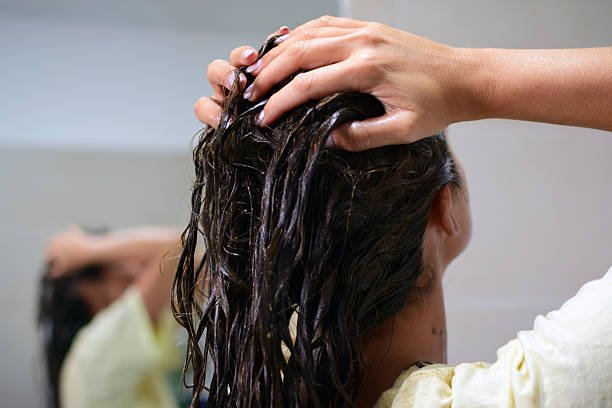
Honestly, now that you’ve gained a lot of information about “PRP hair loss treatment,” one of the most important steps, and perhaps it can be said, half the battle, is choosing a reputable clinic and a specialist doctor to perform this procedure. You know, PRP might seem like a simple process on the surface—blood collection and injection—but the reality is that the quality and ultimate effectiveness of the treatment heavily depend on the skill and experience of the individual performing it, as well as the clinic’s facilities and protocols.
First and foremost, the doctor’s expertise is paramount. A dermatologist with sufficient experience in PRP can accurately diagnose your hair loss condition, assess your candidacy for this method, and prescribe the best treatment protocol for you. They know what concentration of PRP is suitable for you, at what depth it should be injected, and how many sessions you need. An experienced doctor can minimize potential risks and achieve the best results for you.
Next, the clinic’s facilities and equipment are also very important. Preparing PRP requires a precise centrifuge and special tubes. If the device is not calibrated or unsuitable tubes are used, the quality of the platelet-rich plasma will be low, and the treatment’s effectiveness may be significantly reduced. A good clinic always uses the best and most up-to-date equipment to obtain the highest quality PRP. For example, at Kian Derm, we place special emphasis on precision and the use of the best methods and equipment.
And then there’s adherence to hygiene and sterilization principles. This might be the most crucial part. Injection, after all, is an invasive procedure, and if hygiene principles are not followed, there is unfortunately a risk of infection or more serious complications. A professional and responsible clinic meticulously adheres to all hygiene aspects to ensure you undergo treatment with peace of mind. A clean environment, sterile instruments, and adherence to hygiene protocols are characteristics of a trustworthy clinic.
Before choosing, always request a consultation session. Ask your questions, see work samples (if possible), and make sure you feel comfortable with the doctor and clinic staff. Making the right choice means ensuring you receive the best possible care. Remember, your health and beauty are worth thorough research and the right choice.
Wishing for a revitalized, youthful appearance? kianderm specializes in advanced non-surgical aesthetics, providing bespoke solutions for natural enhancement and anti-aging.
✅ Expert administration of Botox for wrinkle reduction
✅ Dermal fillers to restore volume and smooth lines naturally
✅ A holistic approach to skin rejuvenation for lasting radiance
Experience the art of beauty with kianderm!
✅ Is PRP ultimately suitable for you or not? The final decision
Well, we’ve reached the final stop on our journey regarding “PRP hair loss treatment.” So far, we’ve discussed a lot together, from what PRP is and how it uses your own blood to revitalize your hair, to its procedures, pros and cons, who is a good candidate, and how long it takes to show results. Now it’s time to ask the crucial question: Is PRP ultimately suitable for you or not?
The answer to this question, unfortunately, isn’t a simple “yes” or “no,” because everyone has their own specific circumstances. But with the information you’ve gained, you can have a clearer picture in your mind.
If you are experiencing mild to moderate hair loss, especially of the androgenic (hereditary) type, and are looking for a natural and minimally invasive method that utilizes your body’s own regenerative capabilities, PRP can certainly be an excellent option for you. If you are tired of oral or topical medications or react to them, or even want to enhance the results of hair transplantation, PRP can still be a smart choice.
However, if you have very severe and advanced hair loss and your hair follicles have completely died, or if you are pregnant, have specific blood disorders, or are taking anticoagulant medications, PRP might not be the best option for you, and you should consider other methods.
The key to making the final decision is solely and exclusively consulting with an experienced dermatologist. A skilled doctor, by carefully reviewing your medical history, examining your scalp, and even performing necessary tests, can tell you whether PRP will be effective for you and set realistic expectations. They can guide you on whether PRP alone is sufficient, or if it’s better to use it in conjunction with other methods (e.g., mesotherapy or specific supplements).
At Kian Derm, we are proud to offer precise consultations and personalized treatments in PRP and other aesthetic and dermatological services, utilizing an experienced team and the latest techniques. Our goal is for you to make the best decision for your hair’s beauty and health with full awareness and peace of mind. So don’t hesitate, take a step towards consulting with a specialist and see if this treatment can be a new dawn for your hair.
| Question | Answer |
|---|---|
| What is PRP? | PRP (Platelet-Rich Plasma) is a method that uses the individual’s own platelets, which contain growth factors, to stimulate hair growth and strengthen follicles. |
| Who is PRP treatment suitable for? | This treatment is most suitable for individuals with androgenic hair loss (hereditary), alopecia areata, and diffuse hair loss whose hair follicles are still active. |
| Is PRP painful? | The injection area is usually numbed with a topical anesthetic, so pain during injection is minimal. There might be some redness or swelling afterwards. |
| How many PRP sessions are needed to see results? | Typically, an initial course of 3 treatment sessions spaced 4 to 6 weeks apart is recommended. After that, maintenance sessions (every 6 to 12 months) may be necessary. |
| When do PRP results become apparent? | The first signs of reduced hair loss and regrowth are usually observed 2 to 3 months after starting treatment, with peak results achieved in 6 months to one year. |
| Does PRP have side effects? | Side effects are usually mild and temporary, including pain, redness, swelling, and bruising at the injection site. The risk of infection is low if hygiene is maintained. |
| How effective is PRP? | PRP’s effectiveness varies from person to person and depends on factors such as the cause and severity of hair loss, age, and the quality of the prepared PRP. |
| Can PRP treat complete baldness? | No, PRP is not effective for complete baldness where hair follicles have been completely lost. This method is primarily used to strengthen weakened follicles and stimulate the growth of existing hair. |
| Can PRP be combined with other hair loss treatments? | Yes, PRP can be effectively combined with other methods such as Minoxidil, Finasteride, or even before and after hair transplantation to improve results. |
| How do I choose a good clinic for PRP? | Choosing a clinic with an experienced dermatologist, up-to-date equipment, and full adherence to hygiene protocols is essential to ensure the safety and effectiveness of the treatment. |
And other services provided by Kian Derm Clinic include
• Medical needling for deeper scars
• Fractional radiofrequency for skin laxity
• Ultrasound skin tightening (e.g., Ultherapy)
• Thermage (radiofrequency skin tightening)
• Body RF skin tightening
And dozens of other services in the fields of skin, beauty, and medical treatments
Skin | Hair | Beauty | Nails
Seeking growth but lacking insights? kianderm offers critical business intelligence to fuel your expansion strategies. ✅ Data-driven growth paths.
Phone: +1 (236) 551-2282
Email: info@kianderm.ca
Address: 1836 Lonsdale Ave, North Vancouver, BC V7M 2J9, Canada