


🌿 An Introduction to Three Common Skin Challenges: Acne, Eczema, and Psoriasis
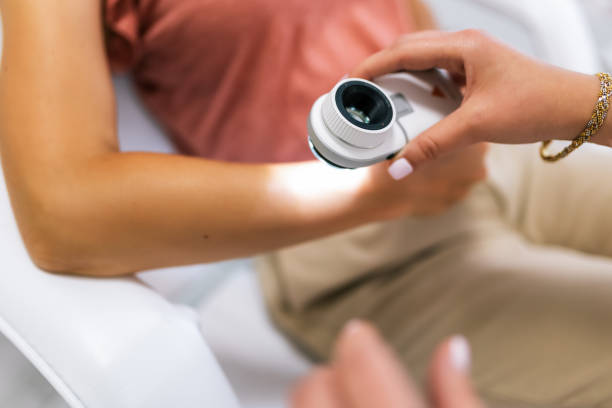
# Well, to be honest, when the topic of acne, eczema, and psoriasis treatment comes up, a lot of questions and perhaps worries form in many people’s minds. These three are among the skin problems that not only affect one’s appearance but can also significantly impact quality of life, self-confidence, and even emotional well-being. Believe it or not, throughout my years of work, I’ve seen countless times how a simple acne spot or persistent eczema itch can deter people from social gatherings or even lead to reclusiveness.
These are not just skin problems; they are a “journey”—a journey that begins with a correct understanding and continues with consistent care. This journey can sometimes be full of ups and downs, with its good and bad days. But the good news is, it’s not like the old days anymore; medical science has made significant advancements, and we have much more diverse and effective treatment options available. Our goal here is to illuminate this path for you, so you know how you can better manage these conditions.
Acne, that persistent nuisance that often appears in adolescence but can continue into adulthood. Eczema, with its dry, itchy skin that seems nothing can soothe. And psoriasis, which is a bit more complex and has deeper roots. Each of these has its own story, manifests different symptoms, and, of course, the treatment of acne, eczema, and psoriasis each requires its specific approach. The most important step is this initial recognition: understanding what we’re dealing with and what to expect. This way, the next steps can be taken more firmly, right? This article is meant to be a guide, a guiding friend on this journey. So, let’s go and see how these challenges can be overcome to achieve skin peace.
🔬 Understanding Acne: From Causes to Accurate Diagnosis
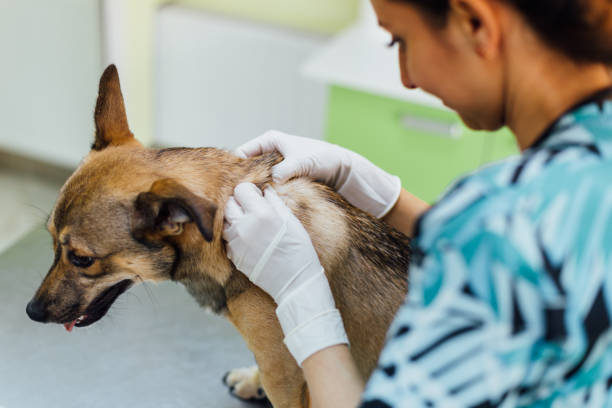
# Alright, let’s talk about acne, or pimples! We’re probably all familiar with it in some way, whether we’ve experienced it ourselves or seen it in others. But do you remember those days when we thought pimples were just for teenagers and would disappear with age? Well, the reality is that acne can persist into adulthood and be quite frustrating. Why does acne happen anyway? The main reason is that the skin’s oil glands produce too much oil, which then mixes with dead skin cells and clogs the pores. After that, bacteria get involved, and inflammation and redness begin.
There are also many types of acne, from tiny blackheads and whiteheads to pustules, nodules, and painful cysts. Each one gives us a specific message that there’s a problem. The causes are also varied, from hormonal changes (which many consider the main factor, and to some extent, it’s true) to genetics, diet (a hot topic, but there’s no strong evidence for a direct link to most cases of acne), and even stress. Remember, stress doesn’t directly cause pimples, but it can worsen the condition by disrupting hormonal balance.
Accurate diagnosis of acne is very important because the correct treatment of acne, eczema, and psoriasis starts right here. Thinking that every red bump on the skin is acne is a big mistake. Sometimes, something might look like acne but is actually another skin problem like rosacea or folliculitis. This is precisely where the role of a dermatologist becomes prominent. A good doctor can diagnose your type of acne, investigate potential causes, and provide a truly personalized treatment plan. This prevents tiring and frustrating trial-and-error and gets you to results faster. So, instead of trying every cream advertised on TV, be sure to visit a specialist.
Is your skin not reflecting your inner vitality? Kian Derm provides comprehensive medical dermatology and cutting-edge aesthetic treatments, expertly addressing conditions from acne to aging signs with tailored solutions for lasting health and beauty.
✅ Specialized medical and cosmetic expertise
✅ Advanced, personalized treatment options
✅ MSP-covered and private services
Rejuvenate your appearance with kianderm.
💧 Eczema: When Your Skin Cries Out, How Can We Help It?
# Alright, let’s move on to eczema. This one can truly disrupt a person’s life, especially with those terrible, relentless itches. Eczema, or atopic dermatitis as its scientific name is, is an inflammatory skin condition that causes dryness, redness, itching, and sometimes cracking of the skin. Do you remember children who had sensitive skin and were constantly scratching their hands and feet? Most of the time, that was eczema. This condition can start in infancy and continue into adulthood, or even appear for the first time in adulthood.
Eczema comes in various types, such as contact dermatitis (when the skin reacts to a specific substance), dyshidrotic eczema (which mostly appears on hands and feet with small watery blisters), and nummular eczema (appearing as round patches). But they all have one thing in common: inflammation and itching. Eczema triggers are also incredibly diverse, ranging from chemicals in soaps and detergents to pollen, dust, stress, weather changes, and even some foods. Understanding triggers is half the battle in acne, eczema, and psoriasis treatment and managing eczema.
Living with eczema can be very difficult, especially due to the constant itching that disrupts sleep quality and interferes with concentration. Additionally, the appearance of the skin can affect self-esteem. But don’t despair! With correct diagnosis and a suitable treatment plan, eczema can be controlled, and its symptoms relieved. Moisturizers, topical steroid or non-steroid creams, and in more severe cases, oral or injectable medications, are all options that a specialist doctor can suggest. Remember, a good specialist at Kian Derm clinic can be your best consultant on this journey. Identifying and avoiding triggers, along with regular use of appropriate moisturizers for sensitive skin, also helps greatly.
| Type of Eczema | Main Characteristics | Common Triggers |
|---|---|---|
| Atopic Dermatitis | Severe itching, dryness, redness, often in skin folds | Allergens, soap, stress, weather |
| Contact Dermatitis | Reaction to irritant or allergen, redness and blisters | Nickel, poison ivy, chemicals |
| Dyshidrotic Eczema | Small, itchy, watery blisters on hands and feet | Stress, metals, humidity |
| Nummular Eczema | Round, coin-shaped, itchy, dry patches | Dry skin, skin injury, stress |
✨ Psoriasis: An Internal Battle, a Treatment for Relief
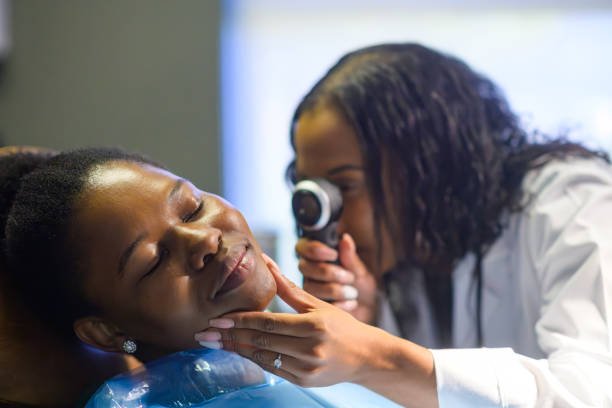
# Now it’s psoriasis’s turn, which is a bit different from acne and eczema. This disease isn’t just a skin problem; it’s a chronic autoimmune disease. What does that mean? It means the body’s immune system mistakenly attacks healthy skin cells, causing skin cells to be produced much faster than normal. The result is that the skin in certain areas becomes thick and red, with silvery scales that are sometimes very itchy and painful. Remember I said this disease starts “from within”? That’s exactly it.
Psoriasis has various types, from plaque psoriasis, which is the most common type and appears as red, scaly patches, to guttate psoriasis, which often manifests after specific infections (like strep throat). Or even inverse psoriasis, seen in skin folds (like armpits or groin), and pustular psoriasis, accompanied by pus-filled blisters. This disease can affect any part of the body, from the scalp and nails to elbows and knees.
Psoriasis triggers are also somewhat different from eczema. Stress, skin injuries (like cuts or sunburns), certain infections, and the use of some medications can trigger psoriasis flare-ups. Obesity and smoking also worsen the condition. The important point is that psoriasis isn’t just about the skin; it can also be associated with other problems, such as psoriatic arthritis, which attacks the joints and is very painful. Because of this, the treatment of acne, eczema, and psoriasis, which includes psoriasis, must be comprehensive and carried out by a specialized team.
Living with psoriasis can be challenging, both physically and emotionally. The appearance of the skin can cause embarrassment and anxiety, and pain and itching can reduce the quality of life. However, today, with scientific advancements, there are very good treatment options for psoriasis that can effectively control symptoms and help patients lead normal lives. This is where the role of a knowledgeable and experienced dermatologist truly becomes important to determine the best treatment path for you.
🌟 The Importance of Accurate Diagnosis and a Comprehensive Approach at Kian Derm
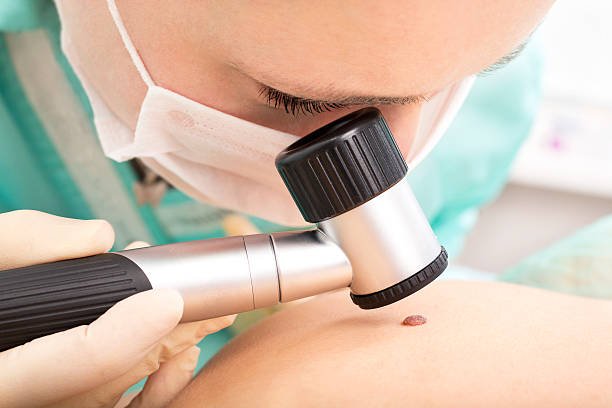
# Well, so far we’ve talked about acne, eczema, and psoriasis, and understood that each has its own unique challenges. But what truly matters is an accurate diagnosis and a comprehensive approach to these problems. Do you remember I said not every red spot on the skin is necessarily a pimple? Or every dryness, eczema? This is exactly where expertise comes into play. At Kian Derm Clinic, we understand well that every patient and every skin has its own story and requires a unique treatment plan. A correct initial diagnosis is like a roadmap; if the map isn’t right, no matter how much you try, you might not reach your destination.
When someone comes to us for treatment of acne, eczema, and psoriasis, the first thing that matters to us is listening to their story. What symptoms do you have? When did it start? What makes it better or worse? Do you have a family history? After that, a thorough skin examination is performed, and if necessary, supplementary tests such as a skin biopsy may be required. A skin biopsy can help with a more accurate diagnosis, especially in cases where differentiating between similar diseases becomes difficult. This way, we ensure that we are targeting the root problem, not just superficial symptoms.
What does a comprehensive approach mean? It means we don’t just look at one aspect of the disease. For example, in psoriasis, it may be necessary to also check the condition of the joints. Or in eczema, triggers must be identified and avoided. Even in acne, lifestyle, diet, or stress can play a significant role. At Kian Derm, using the knowledge and experience of our specialist team, we try to consider all these aspects. The goal is not just to suppress the disease but to contribute to the overall improvement of your quality of life. This way, the treatment is more effective, and the results are more sustainable. This means going a step beyond superficial treatments and taking a deeper look at skin health.
Looking for a trusted source for skin care? kianderm offers a holistic approach to skin, hair, and nail health and beauty.
✅ Medical and cosmetic Botox
✅ Effective treatments for psoriasis
✅ Commitment to patient satisfaction
Your journey starts at kianderm.
💊 Treatment Options for Acne: From Topical to Systemic
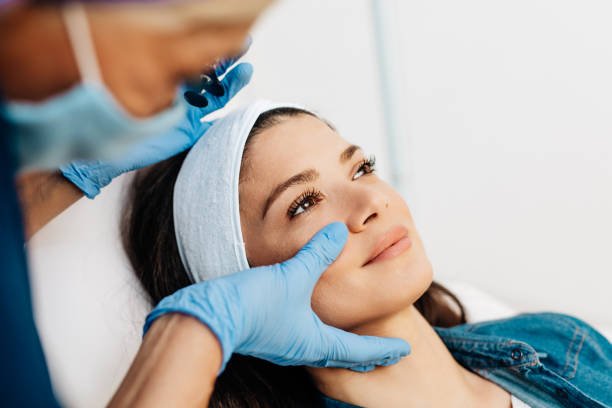
# Many people think acne treatment is just about applying creams or washing their face with special soaps. But the truth is, acne treatment options are much broader and more diverse than that, depending on the severity of your acne and your skin type. Why should a specialist determine this? Because they can understand how serious your acne is and which treatment method will yield the best results for you.
First of all, let’s talk about topical treatments. These are the creams and gels that are applied directly to the skin. Ingredients like benzoyl peroxide, which kills bacteria and cleanses pores. Or topical retinoids, which help unclog pores and reduce inflammation. There are also topical antibiotics used to reduce bacteria and inflammation. These usually work very well for mild to moderate acne. But you need to be patient, as results don’t appear overnight and require continuous use.
When acne becomes a bit more severe, systemic treatments might be necessary. This means medications that are taken orally and affect the entire body. Oral antibiotics are used to reduce bacteria and inflammation, but their long-term use should be carefully monitored. Isotretinoin (also known by names like Accutane or Roaccutane) is one of the most powerful acne treatments that can shrink oil glands and drastically reduce oil production. This medication is truly effective, but it has its specific side effects and must be taken under a doctor’s supervision with regular tests. For women, hormonal medications might also be prescribed.
In addition to these, there are more advanced methods for acne treatment. Such as laser therapy, which can kill bacteria and reduce inflammation. Or chemical peels, which help cleanse pores and improve skin texture. Microdermabrasion is also a method for superficial skin exfoliation. These methods, especially for removing acne scars and improving overall skin appearance, are good complements to drug treatments. This is where the experience and equipment of a clinic like Kian Derm show their value in choosing the best combination of treatments for you.
soothing-skin-care-routine Eczema Management and Treatment: A Step Towards Relief and Control
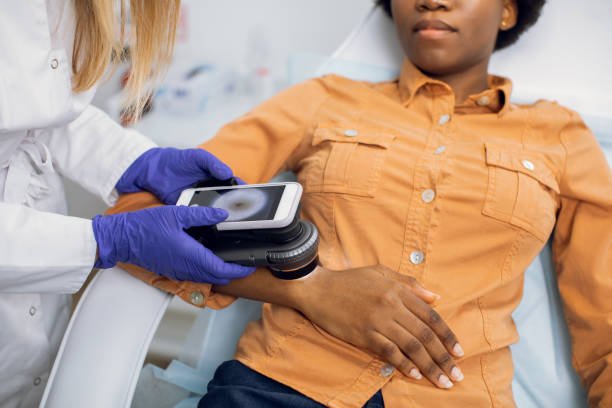
# For eczema, the main goal is to control symptoms, reduce itching and inflammation, and prevent new flare-ups. Remember I said eczema can be quite frustrating? So let’s see how this feeling can be managed and how to help the skin find peace. The key to eczema treatment is a multi-faceted approach that includes both home care and medical treatments.
First and foremost, moisturizers! These are the undisputed champions of eczema treatment. Eczema-prone skin is usually very dry and needs continuous hydration. Applying thick, fragrance-free moisturizers specifically for sensitive skin, immediately after bathing, is essential. This helps repair the skin’s barrier and locks moisture into the skin. Regarding bathing, short baths with lukewarm, not hot, water, and using gentle, soap-free cleansers are very important.
Next are topical medications. Topical steroid creams and ointments are very effective in reducing inflammation and itching. However, long-term use without a doctor’s prescription can have side effects. Non-steroidal drugs such as calcineurin inhibitors are also good options, especially for more sensitive skin areas or longer-term use. These reduce inflammation without the side effects of steroids.
For more severe and treatment-resistant cases, more advanced options are available. Phototherapy with ultraviolet light can reduce inflammation and help improve the skin. In recent years, new oral and injectable medications, called biologics, have also been introduced. These drugs target the immune system and have truly revolutionized severe eczema cases that don’t respond to other treatments. Identifying and avoiding triggers (such as wool clothing, fragrances, certain foods, and stress) is also a crucial part of eczema management.
| Treatment Approach | Mechanism of Action | Primary Application |
|---|---|---|
| Thick Moisturizers | Retain skin moisture and strengthen barrier function | Control dryness, reduce itching |
| Topical Corticosteroids | Reduce inflammation and itching | Treat acute eczema flare-ups |
| Calcineurin Inhibitors | Modulate skin immune response, reduce inflammation | Suitable for sensitive areas, long-term use |
| Phototherapy (Light Therapy) | Uses UV radiation to reduce inflammation | Moderate to severe eczema cases |
| Biologic Drugs | Target inflammatory pathways of the immune system | Severe and treatment-resistant eczema |
✨ Novel Strategies in Psoriasis Treatment: Returning to Normal Life
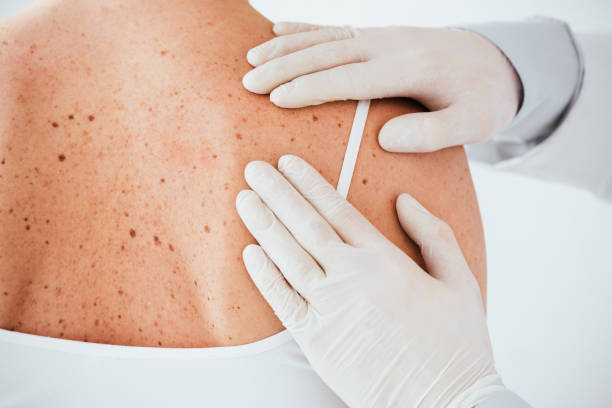
# Psoriasis, as we mentioned, is a complex and autoimmune disease that requires special care and more advanced treatment approaches. But the really good news is that we’re no longer in the old days where we’d say nothing can be done for psoriasis; medical science is constantly discovering new and more effective ways to treat psoriasis. The main goal is to reduce inflammation, control rapid skin cell growth, and improve the patient’s quality of life.
First, topical treatments. Creams and ointments containing corticosteroids are very effective in reducing inflammation and itching. Vitamin D analogues and topical retinoids also help slow down skin cell growth and reduce scales. Coal tar and salicylic acid are older but still effective ingredients that are still used, especially for scalp psoriasis. These are usually used for mild to moderate psoriasis or as part of a comprehensive treatment plan.
When psoriasis is more widespread or severe, phototherapy (light therapy) is one of the effective and proven options. Controlled use of ultraviolet B (UVB) or UVA (combined with psoralen medication) can help reduce skin lesions. This method must be carried out under the supervision of a physician and with specialized equipment, just like the services offered at Kian Derm Clinic.
For moderate to severe psoriasis, especially those who do not respond to other treatments or have psoriatic arthritis, systemic medications are used. More traditional drugs like methotrexate and cyclosporine suppress the immune system to reduce inflammation. But the real revolution in psoriasis treatment occurred with the advent of biologic drugs. These drugs target specific proteins in the immune system that cause inflammation. The results of these drugs are truly amazing and have brought many patients back to normal life. The choice of the best treatment method completely depends on the type of psoriasis, the severity of the disease, and the individual’s overall health, and must be done in consultation with a specialist. Lifestyle changes, such as reducing stress, a healthy diet, and quitting smoking, can also be helpful.
🌸 Beyond Medical Treatment: The Role of Complementary and Aesthetic Care at Kian Derm
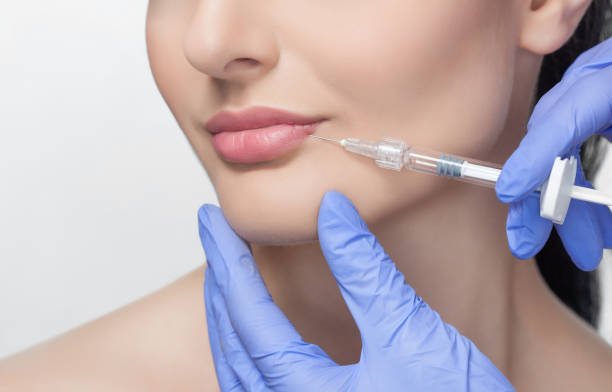
# Well, so far we’ve mostly focused on the medical aspects and the treatment of acne, eczema, and psoriasis. But that’s only half the story! To have truly healthy and beautiful skin, and of course, to restore lost self-confidence, sometimes we need to go a step further: complementary and aesthetic care. Believe me, for many people, old acne scars, dark spots, or even changes that chronic skin conditions create on the skin’s texture are as bothersome as the disease itself.
This is precisely where the aesthetic and restorative services of Kian Derm Clinic come into play. For instance, for deep or pitted acne scars, microneedling or laser treatments can work wonders. Microneedling, by stimulating collagen production, helps regenerate the skin and makes the skin texture smoother and more even. Or microdermabrasion, which is very effective for superficial exfoliation and removing surface spots, improving skin tone. These can truly significantly change the appearance of the skin.
For overall skin quality improvement and radiance, PRP (Platelet-Rich Plasma) and mesotherapy are excellent options. PRP, using growth factors present in the person’s own blood, helps regenerate and rejuvenate the skin, while mesotherapy, by injecting cocktails of vitamins and nutrients into the superficial layers of the skin, helps with its freshness and vitality. Hyaluronic acid also needs no introduction; this natural skin substance is unparalleled for deep hydration and filling fine lines.
Even for those patients who have suffered from skin problems and wish to restore freshness to their skin, Botox (for frown lines and smile lines) and dermal fillers (for volumizing and filling hollows) can create dramatic changes. The important point is that all these services must be performed by experienced specialists using the best materials and equipment. At Kian Derm, with a comprehensive outlook, after the primary treatment of acne, eczema, and psoriasis, we also consider the long-term beauty and health of your skin. This means a complete approach so that not only is the main problem solved, but your skin also regains its radiance and vitality.
Dreaming of smoother, firmer skin without invasive procedures? kianderm specializes in non-surgical rejuvenation, utilizing innovative treatments like fillers and microneedling to refine your texture and enhance elasticity.
✅ Minimally invasive aesthetic options
✅ Visible results with expert application
✅ Personalized approach to skin renewal
Transform your look with kianderm!
Your Path to Healthier Skin: Commitment and Continuity with Specialists

# Well, we’ve reached the final stop of this journey. So far, we’ve discussed the treatment of acne, eczema, and psoriasis, identified their types, and explored various treatment options. But there’s a vital point you should always keep in mind: treating skin conditions is an ongoing process that requires commitment. This isn’t just about a doctor’s visit and taking a few medications; it’s a long-term commitment to yourself and your skin health.
Remember, there’s no miraculous, overnight cure that solves all problems. You need patience, follow-up, and close collaboration with your dermatologist. For example, if you’re taking isotretinoin for acne, you must take monthly tests seriously. Or if you’re applying moisturizer for eczema, it needs to be done several times a day regularly. Abruptly stopping medications or self-altering the treatment method can worsen the condition or cause the disease to return. So, adhering to the treatment plan prescribed by your doctor is truly the key to success on this path.
Regular visits and follow-ups with a dermatologist are also very important. During these visits, the doctor can review the progress, manage potential side effects, and adjust the treatment plan if necessary. Sometimes, the body becomes resistant to a specific treatment, or new conditions arise that require a change in approach. This is where an experienced specialist at Kian Derm Clinic can be your best guide and supporter. This means a two-way relationship and trust in the doctor’s expertise.
Finally, managing expectations is also very important. The disease might not completely disappear, but it can be controlled, and its symptoms minimized to help you live a better quality of life. Our goal at Kian Derm is not just treatment, but also to educate you to better understand your condition and empower you for long-term management of your skin health. With commitment and continuity, and of course with the support of specialists, your journey towards healthier and calmer skin will surely succeed. So, don’t hesitate and continue this path with strength; we are with you.
| Question | Answer |
|---|---|
| Is acne, eczema, and psoriasis treatment permanent? | Most of these diseases are chronic, meaning they may not completely disappear. However, with proper management and treatment of acne, eczema, and psoriasis, symptoms can be controlled, and quality of life can be significantly improved. |
| Does diet affect acne? | There is no strong scientific evidence for a direct link between diet and most cases of acne, but some individuals report that dairy or high-sugar foods may worsen their condition. It is best to consult a doctor. |
| What is the difference between eczema and psoriasis? | Eczema is usually accompanied by severe itching, dryness, and redness of the skin, while psoriasis is an autoimmune disease characterized by thick red patches and silvery scales. |
| Can stress cause psoriasis flare-ups? | Yes, stress is one of the main triggers for psoriasis and can worsen symptoms or initiate a new disease episode. |
| Are steroid creams safe for eczema? | Yes, if used under medical supervision and for the recommended amount and duration, they are safe and very effective. Long-term and unsupervised use can have side effects. |
| How can I avoid eczema triggers? | Pay close attention to your skin’s reactions and make a list of substances or conditions that cause itching or redness. This can include detergents, fragrances, specific fabrics, or stress. |
| Is laser therapy effective for acne scars? | Yes, laser therapy, as well as microneedling, are very effective methods for improving the appearance of acne scars and regenerating skin tissue. |
| How long does it take to see acne treatment results? | You usually need patience to see significant results from acne treatment, often several weeks to several months. Consistency in medication use is key. |
| Is psoriasis contagious? | No, psoriasis is an autoimmune disease and is by no means contagious. It cannot be transmitted from person to person. |
| Why should I see a specialist for skin problems? | A dermatologist can provide an accurate diagnosis, design the best treatment plan based on your unique condition, and guide you throughout the treatment process to achieve the best results and prevent potential complications. |
And other services provided by Kian Derm Clinic include
• Body sculpting (non-invasive fat reduction)
• Skin tightening (radiofrequency)
• Cryolipolysis (fat freezing)
• Ultrasound body contouring
• Muscle toning treatments (EMSCULPT-like)
And dozens of other services in the fields of skin, beauty, and medical treatments
Skin | Hair | Beauty | Nails
Gain unparalleled clarity! kianderm delivers precise financial information analysis for sound fiscal decisions. ✅ Accurate financial insights.
Phone: +1 (236) 551-2282
Email: info@kianderm.ca
Address: 1836 Lonsdale Ave, North Vancouver, BC V7M 2J9, Canada