


✨ Your Skin’s Serenity: Why is Understanding Skin Problems Essential?

# Well, let’s be realistic. Skin, our body’s largest organ, often gets mistreated. It’s constantly in contact with the outside world, and also with our internal stresses. When it comes to acne, eczema, and psoriasis, it’s no longer just about beauty; it’s about quality of life, it’s about that good feeling you get when your skin is calm. Many of us have experienced it – how a tiny pimple can ruin our whole day, or an eczema itch can prevent us from getting a good night’s sleep. This is where the importance of a deeper understanding of these skin problems is felt.
When we say “skin serenity,” it’s not just a slogan. It’s a real goal. The goal is to free ourselves from the mental and physical stress that these conditions impose on us. Acne, eczema, and psoriasis each have their own story, but their common point is that they can significantly impact our self-confidence and social relationships. Kian Derm, with its experience in this field, has repeatedly seen how a proper and effective treatment can transform people’s lives.
Many people think treatment is just taking medication or applying cream. But no, the matter is more complex. A successful treatment is like a multi-piece puzzle where all the parts need to be put together. These pieces include accurately identifying the type of condition, finding triggers, choosing the best treatment methods (which can be both medical and perhaps cosmetic-therapeutic), and most importantly, patience and follow-up. This article is intended to be a comprehensive guide for you to get acquainted with the world of these conditions step by step and know that there are ways to overcome them. Clear and healthy skin is not just a dream; it’s a reality that can be achieved with the right knowledge and the help of specialists.
🩹 Acne: From Hidden Causes to Real Solutions
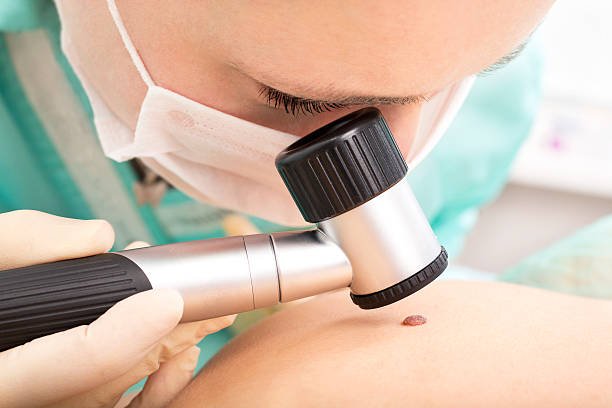
# Remember those days when a huge pimple suddenly appeared on our face, and we felt like the world was ending? Acne isn’t just a pimple. It’s a chronic skin condition that affects millions of people, not just teenagers. Many adults also struggle with acne, and it can be truly bothersome. First and foremost, we need to understand why acne occurs in the first place. It’s a battle between skin oil (sebum), dead skin cells, and bacteria that clog pores and lead to inflammation.
And the causes are not few. Hormones play a major role, especially during puberty or even during women’s menstrual cycles. Genetics also play a part; if your mom or dad had severe acne, you’re likely predisposed to it too. Stress, diet (though there’s still much debate on this, some say sugar and dairy might have an effect), and certain medications can also be triggers. Thus, understanding these causes is the first step in controlling and treating acne. If you don’t know which of these might be causing your acne, it’s a good idea to keep a small journal and track your skin changes.
For initial home treatments, there are things you can try. For example, regular face washing with a mild cleanser, using non-comedogenic products, and most importantly, not picking at pimples. It’s truly tempting to squeeze pimples, but this only leads to more infection, inflammation, and ultimately, scarring. Using products containing benzoyl peroxide or salicylic acid can be helpful for mild acne, but if your acne is more severe or doesn’t improve with these methods, it’s time to see a real dermatologist. They can help you find the best treatment for acne, eczema, and psoriasis.
Are chronic skin conditions like eczema making life difficult? kianderm offers comprehensive medical dermatology care, providing effective management and relief from symptoms.
✅ Personalized treatment strategies for long-term comfort
✅ Expert advice on triggers and preventive measures
✅ MSP-covered services for accessible, quality care
Find comfort and control with kianderm!
🔬 Acne Treatment: From Medication to Advanced Techniques
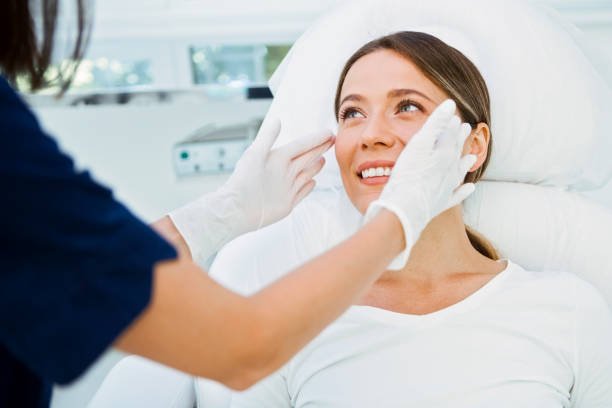
# Well, when it comes to more serious acne treatments, science and expertise come into play. If you have acne resistant to home remedies, or severe cystic acne that can leave nasty scars, you should consult a dermatologist. They know exactly what problems you’re facing and what the best solution is. You might need to use stronger topical medications like retinoids or antibiotics. Sometimes oral medications may also be prescribed, such as antibiotics, hormonal drugs, or even isotretinoin (though the latter is very serious, must be under a doctor’s supervision, and has its own specific side effects).
But it’s not just medication. The world of cosmetic-therapeutic treatments also offers excellent solutions for treating acne and acne scars. For instance, chemical peels can remove dead skin layers and unclog pores. Microneedling and microdermabrasion are also very effective for improving skin texture and reducing acne scars. Laser therapy, well, that’s another story altogether; it can reduce inflammation, eliminate bacteria, and even improve deep acne scars. Sometimes Botox injections are also used in specific cases to control skin oil secretion or treat scars, but this must definitely be under a doctor’s diagnosis. I recall a Kian Derm client who had battled severe acne for years, and after a combined course of treatment, her skin became so clear that she couldn’t believe it herself. The results of treating acne, eczema, and psoriasis can truly be life-changing.
The table below provides a brief comparison of several common acne treatment methods. Each has its own advantages and disadvantages, and the best option for you depends on your skin type and the severity of your acne.
| Treatment Method | Main Goal | Approximate Recovery Time |
|---|---|---|
| Topical Medications (Retinoids, Antibiotics) | Reduce inflammation and bacteria, unclog pores | Several weeks to several months |
| Oral Medications (Antibiotics, Isotretinoin) | Severe reduction of oil and inflammation, deep cleansing | Several months to one year |
| Chemical Peeling | Exfoliation of dead cells, texture improvement | Several days to one week (per session) |
| Laser Therapy | Reduce bacteria, inflammation, improve acne scars | Several weeks to several months (based on number of sessions) |
| Microneedling | Stimulate collagen production, improve scars | Several days to one week (per session) |
💧 Eczema: Dryness, Itching, and Soothing Solutions

# Eczema! Oh, what a familiar word for many. If you’ve never experienced severe itching and dry skin due to eczema, you’re lucky. Eczema, or atopic dermatitis, is a chronic inflammatory skin condition that causes redness, itching, dryness, and sometimes cracking of the skin. This itching sensation can sometimes be so intense that it prevents concentration, disrupts sleep, and even affects one’s mood. In such cases, finding effective solutions for skin serenity becomes more crucial than daily bread.
Do you wonder why eczema affects us? Well, its causes are a combination of genetics, the immune system, and environmental factors. Individuals with a family history of eczema, asthma, or hay fever are more prone to eczema. A defect in the skin’s barrier allows moisture to escape more easily, and irritants and allergens to enter the skin more readily, causing inflammation. Triggers are also numerous: strong soaps, perfumes, detergents, certain fabrics like wool, stress, and even dry weather. That’s why identifying and avoiding these triggers is the first and crucial step in controlling eczema.
Basic home treatments for eczema include potent moisturizers, those that are oily and effectively retain moisture. This should be repeated several times a day, especially after bathing. Short, lukewarm (not hot!) baths also help a lot. Using mild, fragrance-free soaps and wearing loose cotton clothing are also things that can reduce inflammation. If the itching is very severe, a cold compress can also provide some relief. However, if eczema worsens and isn’t controlled by these methods, or if it becomes infected, consulting a dermatologist experienced in treating acne, eczema, and psoriasis is essential. Because eczema is no joke and can significantly diminish quality of life.
🌿 Eczema: Beyond Moisturizers and Itch Control

# When moisturizers and avoiding triggers are no longer enough, that’s when we need to step up and seek more advanced treatment methods to control eczema. A dermatologist can prescribe stronger topical medications, such as corticosteroid creams, which quickly reduce inflammation and itching. However, these creams should not be used long-term or without a doctor’s prescription, as they have side effects. Calcineurin inhibitor creams are also available; they are steroid-free and can be suitable for longer-term use.
Sometimes eczema is so severe that you might need oral medications. Antihistamines can reduce nighttime itching and help with better sleep. In very severe cases, the doctor might prescribe oral corticosteroids or immunosuppressants, which also need to be taken carefully and under medical supervision. Phototherapy (light therapy) is also an effective method for eczema resistant to treatment. In this method, the skin is exposed to specific wavelengths of ultraviolet radiation to reduce inflammation and regulate the skin’s immune system. This method also needs to be performed by a specialist physician in equipped centers.
But it’s not just medication. Lifestyle changes are also very important. Stress management, for example, with yoga or meditation, can have a remarkable effect on controlling eczema, as stress is a strong trigger for eczema flare-ups. Diet may also play a role in some individuals. If you think a particular food worsens your eczema, you can, in consultation with your doctor, eliminate it for a period and see what happens. The ultimate goal of eczema treatment is not just to reduce symptoms, but to achieve lasting serenity for the skin, which is completely attainable with the help of Kian Derm specialists and your consistent follow-up.
Does your skin need a little extra care? kianderm specializes in revitalizing skin, hair, and nails with expert treatments.
✅ Personalized care for sensitive skin
✅ Advanced device-based rejuvenation
✅ Comprehensive diagnostic services
Let kianderm guide your skin journey!
🌍 Psoriasis: A Deeper Understanding of a Chronic Skin Challenge
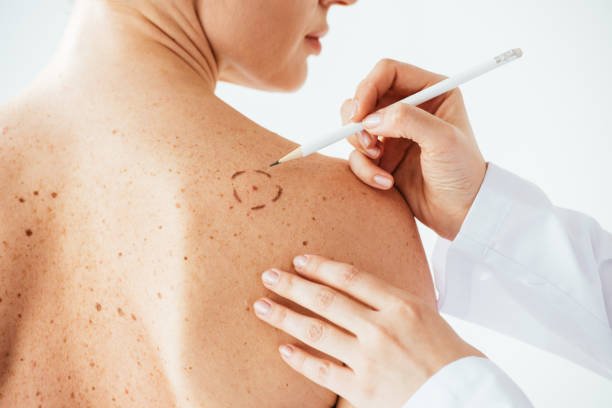
# Psoriasis! This is another one of those mysterious and stubborn skin problems that many people struggle with. If I were to say it’s just a simple skin rash, I’d be understating it. Psoriasis is a chronic autoimmune disease that causes skin cells to multiply much faster than normal. The result is those red, silvery, scaly patches typically seen on the elbows, knees, scalp, and lower back. These scales can sometimes be itchy and painful and can truly diminish quality of life. Psoriasis has various types, from plaque psoriasis, which is the most common type, to nail psoriasis, psoriatic arthritis, and so on. Each type has its own specific challenges and requires different treatment approaches.
Why does psoriasis occur? Just like eczema, genetics and the body’s immune system are involved here too. Meaning, the body mistakenly attacks its own skin cells, thinking they are enemies. This attack causes the cell reproduction process, which normally takes several weeks, to happen in just a few days. Triggers can also cause the disease to flare up. Stress, skin injuries (like sunburn or cuts), infections (especially throat infections), certain medications, and even weather (dry and cold climate) can worsen psoriasis. It’s this understanding of triggers that helps you manage the disease to some extent, although the main treatment is something else.
Living with psoriasis is not limited to physical problems. Its psychological and social impact is also very significant. Many Kian Derm clients speak of the embarrassment or distress caused by this condition, and how it has affected their relationships, work, and even their clothing choices. This is where the importance of comprehensive treatment for acne, eczema, and psoriasis, considering all aspects of the patient’s life, becomes paramount. The goal is not just to clear up the patches, but to restore your sense of peace and self-confidence.
🎯 Psoriasis Treatment: Modern and Medical Solutions
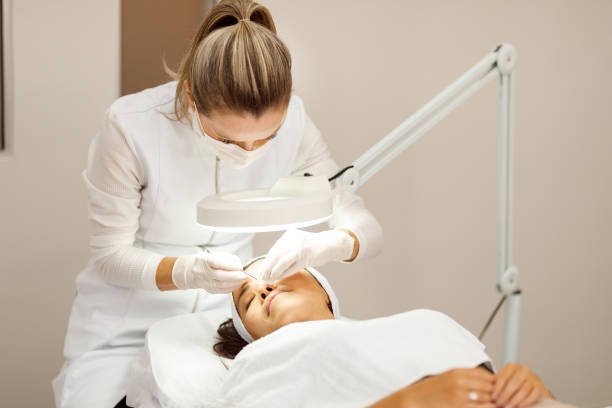
# Now let’s move on to the exciting part: psoriasis treatment. Since psoriasis is a chronic condition, its treatment usually involves a long-term, combined approach that requires patience and follow-up. There is no definitive cure for psoriasis, but the good news is that there are many methods that can significantly reduce symptoms and greatly improve quality of life. As always, a dermatologist plays the main role in choosing the best psoriasis treatment method for you.
The first line of defense is topical medications. Corticosteroid creams and ointments work excellently to reduce inflammation and itching. Vitamin D analogues and topical retinoids can also control the excessive growth of skin cells. If psoriasis is more severe or doesn’t respond to topical treatments, we move on to more advanced methods. Phototherapy (light therapy) is one of the most effective methods. In this method, the skin is carefully exposed to ultraviolet radiation, which helps reduce inflammation and slow down skin cell growth. This must be done under medical supervision and in controlled environments to prevent side effects like sunburn. I remember a patient who, after several sessions of phototherapy, had almost clear skin and was shedding tears of joy. Such results show that treating acne, eczema, and psoriasis can truly transform a person’s life.
For very severe cases, systemic and biologic medications come into play. Oral systemic medications like methotrexate or cyclosporine target the body’s immune system to reduce inflammation. Biologic drugs, which are a new generation of medications, target specific proteins in the immune system that play a role in psoriasis. These drugs truly work wonders and can keep the disease under control for years. However, these medications are very potent and must be prescribed and used with care and under complete medical supervision. The choice of the best method is always made considering the severity of the disease, your general health, and your medical history.
| Treatment Type | Mechanism of Action | Suitable for |
|---|---|---|
| Topical Steroid Creams | Reduce inflammation and itching | Mild to Moderate Psoriasis |
| Phototherapy (Light Therapy) | Reduce inflammation, slow cell growth | Moderate to Severe Psoriasis |
| Methotrexate (Oral) | Immunosuppression | Severe Psoriasis, Psoriatic Arthritis |
| Biologic Drugs (Injectable) | Target specific immune proteins | Severe and Treatment-Resistant Psoriasis |
🥗 Diet and Lifestyle: The Amazing Impact on Skin Health
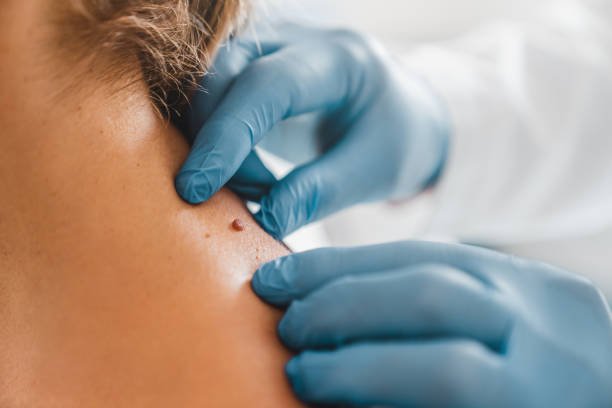
# Do you think the only things that affect your skin are what you apply to it or the pills you take? Wrong! Our body is an interconnected system, and what we eat, how we live, and even how much we sleep, all affect our skin health. Especially when it comes to acne, eczema, and psoriasis, diet and lifestyle can play a key role. This means you also have a significant share in managing and improving your skin’s condition.
First and foremost, healthy eating. You don’t need to go on strange diets. A balanced diet rich in fruits, vegetables, whole grains, and lean proteins can reduce inflammation in the body. Some research has shown that reducing the intake of sugar, dairy, and processed foods can help improve acne in some individuals. For eczema and psoriasis, anti-inflammatory diets like the Mediterranean diet (which is rich in Omega-3) can be beneficial. Remember, every body is different, so if you’re unsure, keep a diet journal and see which foods affect your skin. It’s a kind of personal detective work.
Now let’s move on to lifestyle. Stress is the bane of many skin conditions, especially eczema and psoriasis. When we are stressed, the body releases hormones that can increase inflammation. Therefore, finding ways to manage stress, such as meditation, yoga, regular exercise, or even spending time with friends and family, is truly essential. And getting enough sleep goes without saying. Skin repairs itself at night, and if you don’t get enough sleep, this process is disrupted. Quitting smoking and limiting alcohol consumption can also greatly contribute to overall skin health. These changes might seem small, but in the long run, they can have a significant impact on the treatment of acne, eczema, and psoriasis and the overall improvement of your quality of life. Your skin will welcome these positive changes, believe it.
🧑⚕️ The Role of a Dermatologist: When and Why to Consult One?
# Well, so far we’ve talked about the conditions themselves and some home remedies and lifestyle approaches. But one very important point should not be forgotten: the vital role of a dermatologist. Many people don’t seek medical help until their problem becomes very severe, or they try to treat themselves with incorrect online information or friends’ advice. This can not only worsen the condition but also delay proper diagnosis and treatment. It’s really not worth jeopardizing your skin health.
So when should you consult a dermatologist? If home treatments aren’t working, if your symptoms have become severe, if you have intolerable pain or itching, if acne scars or spots are becoming permanent, or if you feel your skin condition is affecting your quality of life, sleep, or self-confidence, then you should definitely schedule an appointment with a dermatologist. For instance, at Kian Derm, experienced specialists can help you. Whenever you have doubts, it’s best to consult.
Why is consulting a dermatologist so important? First and foremost, accurate diagnosis. Acne, eczema, and psoriasis may have similar symptoms, but their treatment methods are completely different. A specialist physician can make the correct diagnosis through a thorough examination, and if necessary, by performing a skin biopsy. After diagnosis, the doctor can create a personalized treatment plan for you. This plan may include a combination of topical medications, oral medications, phototherapy, and even cosmetic-therapeutic methods like laser or chemical peels, all of which we’ve explained previously.
Most importantly, monitoring and follow-up. Skin conditions are chronic and require long-term management. The doctor can track your progress, adjust medication dosages, and, if necessary, change treatment methods. In this journey, expertise and experience are crucial. A professional dermatologist not only cares about your skin’s physical health but also pays attention to the disease’s impact on your morale. This is a two-way partnership: you with follow-up and care, and the doctor with knowledge and proper guidance. This comprehensive approach can lead to the best results in treating acne, eczema, and psoriasis.
Looking for a trusted source for skin care? kianderm offers a holistic approach to skin, hair, and nail health and beauty.
✅ Medical and cosmetic Botox
✅ Effective treatments for psoriasis
✅ Commitment to patient satisfaction
Your journey starts at kianderm.
🤝 Kian Derm’s Comprehensive Approach: Skin Health from Diagnosis to Beauty
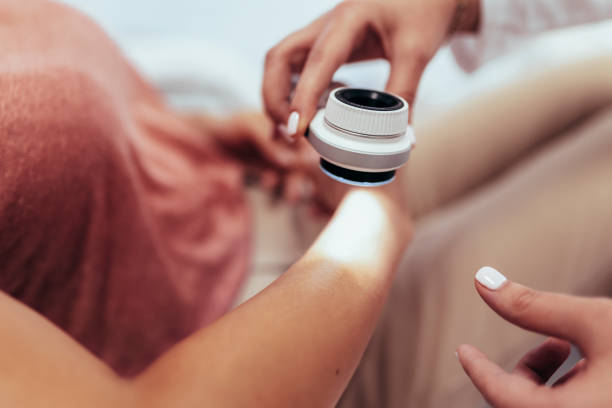
# Well, now that we’ve talked so much about acne, eczema, and psoriasis and their treatment methods, it’s time to look at how a specialized and experienced center like Kian Derm can put all these puzzle pieces together. Remember I said successful treatment is a puzzle? That’s exactly it. Kian Derm is not just a skin clinic; it’s a place that can accompany you from zero to one hundred on your skin health journey.
First and foremost, diagnosis. This is very important. With their medical dermatology services (MSP-covered services), they can accurately diagnose various skin, hair, and nail problems. From acne, eczema, and psoriasis to alopecia and other skin conditions. Skin biopsy and cryotherapy (for removing warts and lesions) are also among their main services, which shows how much they value accurate diagnosis and root treatment. Even if therapeutic Botox injections are needed and covered by insurance, they are performed. This means starting with a correct diagnosis and fundamental medical treatment.
After the main problem is identified, it’s time for more advanced treatments. Kian Derm doesn’t just rely on medication; it also offers a wide range of advanced cosmetic and therapeutic services (non-MSP) that can complement medical treatments. From Botox injections and dermal fillers for skin rejuvenation and appearance improvement, to microneedling and microdermabrasion, which are excellent for improving skin texture and scars. PRP (Platelet-Rich Plasma) and mesotherapy also have their own stories and can help with skin and hair revitalization. Hyaluronic acid treatments for deep skin hydration, and most importantly, laser treatments and advanced devices for skin rejuvenation, all demonstrate a comprehensive and holistic approach to treating acne, eczema, and psoriasis, and indeed, beyond.
This means that at Kian Derm, you can have a completely personalized treatment plan that covers both the medical aspects of your problem and the cosmetic and reconstructive aspects. This expertise and experience allow you to confidently trust the physicians at this center. No matter how difficult your problem is, a way to improve and achieve healthier and more vibrant skin can be found here. The focus on effective solutions for treating acne, eczema, and psoriasis, combined with cosmetic services, is a big advantage for anyone seeking a lasting solution for their skin problems.
| Question | Answer |
|---|---|
| Does acne only occur during puberty? | No, acne can occur at any age, even in adulthood, and is influenced by hormonal, genetic, and environmental factors. |
| What foods worsen eczema? | There is no definitive list, but some individuals have reported that dairy, eggs, gluten, and processed foods can be triggers. It is best to investigate under medical supervision. |
| Is psoriasis contagious? | No, psoriasis is an autoimmune disease and is not contagious at all. |
| When should I consult a dermatologist for acne, eczema, or psoriasis? | If home treatments are not effective, symptoms have worsened, or the condition is affecting your quality of life, you should consult a doctor. |
| Does stress affect skin conditions? | Yes, stress is a strong trigger for the flare-up or worsening of many skin conditions, including acne, eczema, and psoriasis. |
| Is there a specific diet to improve skin health? | A balanced, anti-inflammatory diet rich in fruits, vegetables, and Omega-3 can contribute to overall skin health. Avoiding sugar and processed foods is also recommended. |
| Are acne scars treatable? | Yes, various methods such as microneedling, laser therapy, chemical peels, and dermal fillers can improve acne scars. |
| What is the role of moisturizers in eczema treatment? | Moisturizers are crucial for eczema because they help rebuild the skin’s barrier and retain moisture, which reduces itching and dryness. |
| Are laser treatments beneficial for psoriasis? | Yes, specific types of laser therapy (phototherapy) can be effective in reducing psoriasis plaques and controlling inflammation. |
| What services does Kian Derm offer for skin problems? | Kian Derm offers a wide range of medical dermatology services (diagnosis and treatment of acne, eczema, psoriasis) and cosmetic services (Botox, fillers, laser, microneedling, PRP) for a comprehensive approach to skin health. |
And other services provided by Kian Derm Clinic include
• Oxygen facial therapy
• LED light therapy for acne
• LED light therapy for anti-aging
• Dermaplaning
• Medical extraction facial
And dozens of other services in the fields of skin, beauty, and medical treatments
Skin | Hair | Beauty | Nails
Is your business data a mess? kianderm provides comprehensive business information management services to keep your data organized and accessible. ✅ Centralized data solutions.
Phone: +1 (236) 551-2282
Email: info@kianderm.ca
Address: 1836 Lonsdale Ave, North Vancouver, BC V7M 2J9, Canada