


💡 Understanding Acne: Beyond Just a Few Pimples

Well, if you’re dealing with acne, you certainly know it’s not just a superficial skin problem; sometimes it can truly affect one’s self-confidence and even mental well-being. Let’s find out exactly what your dermatologist wants to tell you about this unwelcome skin guest. First and foremost, let’s properly understand acne. Acne isn’t just those red, inflamed pimples we see on our face or body, no! It’s a more complex skin condition that begins when hair follicles become clogged with oil (sebum) and dead skin cells. Bacteria are also always ready to jump in and exacerbate the inflammation.
You know, we have different types of acne, each with its own story. For example, comedones, which are blackheads and whiteheads, usually don’t cause much pain or inflammation but can be a precursor to other types of pimples. Then we have papules and pustules; papules are those small, red bumps, and pustules are pimples with pus heads. These really affect one’s appearance and are sometimes painful. Oh, and then we get to cysts and nodules, which truly make the situation serious. These are deep, painful lesions that form under the skin and can leave bad scars if not treated promptly.
The causes of acne are also multifaceted, just like acne itself. First and foremost, hormones play a major role; especially during adolescence when the body undergoes many changes and androgen levels rise. These hormones stimulate the oil glands to produce more sebum. Then there’s genetics; if your parents had severe acne, you’re more likely to experience it too. Some environmental factors, such as stress, diet (though this topic still has a lot of debate), and even unsuitable cosmetics, can also be triggers. The bacterium P. acnes is also a primary cause of inflammation and infection. In short, understanding these factors and types of acne is the first step towards successful treatment. Your dermatologist will start with this information to find the best approach for you.
⏰ When to See a Dermatologist: Don’t Wait!
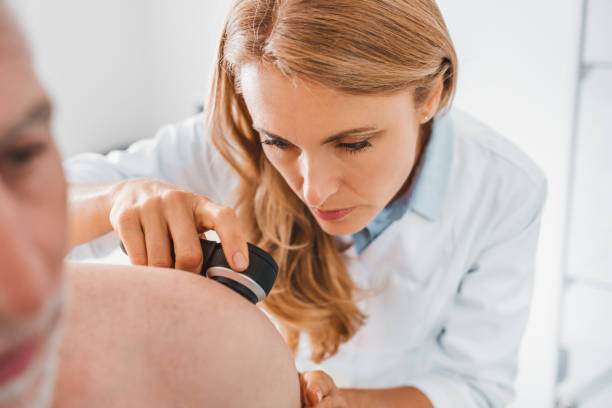
To be honest, many people first try to get rid of acne with home remedies or over-the-counter products, which, well, might work for very mild cases. But if your acne is more stubborn than to surrender to these methods, or if it’s affecting your quality of life, it’s time to make an appointment with a dermatologist. A dermatologist isn’t just a “skin doctor”; they are trained to distinguish between common acne and more serious cases. They can identify the root of the problem and design an appropriate treatment plan.
One of the most important reasons to see a dermatologist is the severity of your acne. If you have inflamed, painful, or cystic pimples, or if your acne has spread extensively on your face, chest, back, or even other parts of your body, this is a red flag indicating that it needs to be taken more seriously. Severe acne is not only painful but can also leave permanent scars that are much harder and more expensive to treat later. In fact, preventing scars is one of the main reasons dermatologists recommend seeking treatment sooner.
Now let’s talk a bit about the psychological aspect. Acne, especially during adolescence and young adulthood, can significantly lower one’s self-esteem. It can lead to anxiety, depression, and even social withdrawal. If you feel your acne is affecting your social interactions, work, or studies, this is a perfectly valid reason to seek help. An experienced dermatologist understands that acne treatment isn’t just about the skin; it’s also about your mental well-being. They can provide the necessary guidance to improve both aspects. So, don’t wait for things to get worse; whenever you feel acne is taking control away from you, call your dermatologist.
Ready to address fine lines, wrinkles, and sun damage effectively? kianderm provides advanced laser and device-based skin rejuvenation, targeting imperfections to reveal a clearer, more youthful complexion.
✅ High-precision laser treatments
✅ Effective for various skin concerns
✅ Certified specialists for safe results
Renew your skin at kianderm!
📋 Initial Consultation: What to Expect?
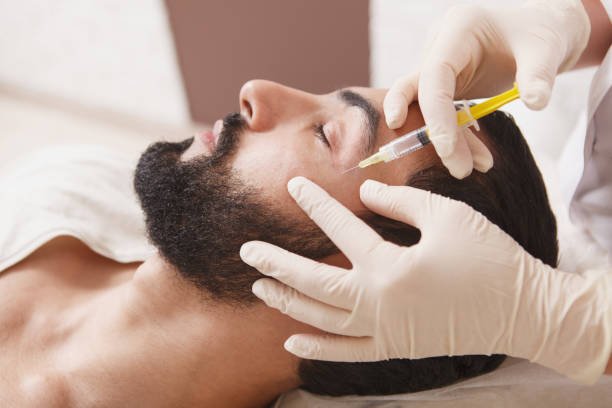
So, you’ve decided to see a dermatologist. Excellent! Now you might be a little worried about what’s going to happen, right? Don’t worry, this is a very positive and crucial step for improving your skin. When you visit a reputable clinic like Kian Derm for the first time, your dermatologist will take a completely comprehensive approach to the issue. First and foremost, a detailed discussion about your medical history will begin. This includes asking questions about when your acne started, its severity, previous treatments you’ve tried, medications you’re taking, drug allergies, family history of acne, and even your lifestyle.
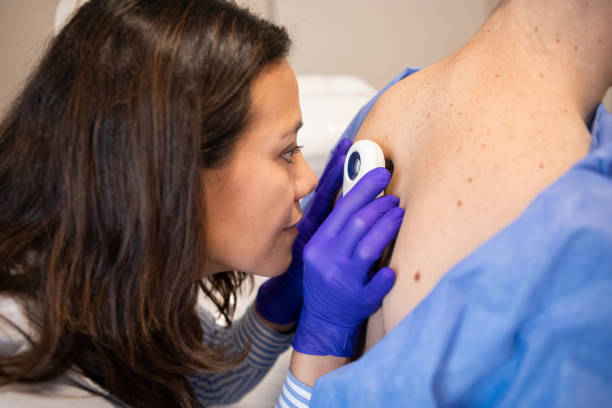
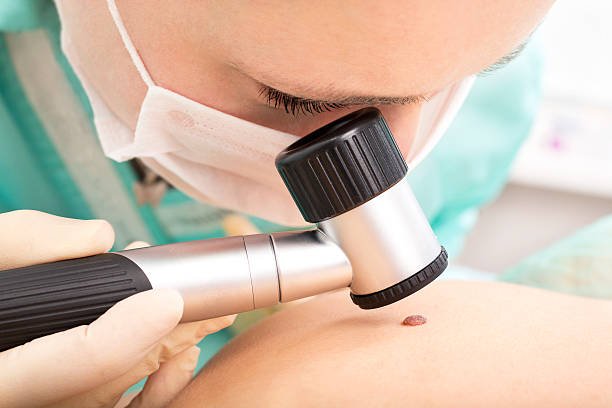
After this stage, it’s time for a thorough skin examination. The dermatologist will carefully examine your face, neck, chest, and back to diagnose the type and severity of your acne. They will look for different types of acne lesions such as blackheads and whiteheads, papules, pustules, nodules, and cysts. Additionally, the overall condition of your skin, its oiliness, dryness, and the presence of any scarring will also be noted. This detailed examination helps the dermatologist get a complete picture of your condition and design the best treatment plan for you.
Remember that this consultation is a two-way street. You should also actively participate in the discussion. Ask your questions, voice your concerns, and clearly express any expectations you have for the treatment. A good dermatologist, like the medical staff at Kian Derm, will listen to everything you say and try to set realistic expectations for you. For instance, they will tell you that acne treatment takes time and requires patience and follow-up. They may also explain potential side effects of medications or treatment methods. Finally, taking all these factors into account, a personalized treatment plan will be provided to you. This session forms the basis of trust between you and your dermatologist, so make the most of it.
| Aspect | Key Points in Consultation |
|---|---|
| Medical History | Acne onset, previous treatments, medications, allergies, family history |
| Physical Examination | Detailed examination of face, neck, chest, back, type and severity of acne |
| Realistic Expectations | Explanation of treatment duration, potential side effects |
| Patient Questions | Importance of asking questions and expressing concerns |
🧴 Topical Treatments: Your First Line of Defense
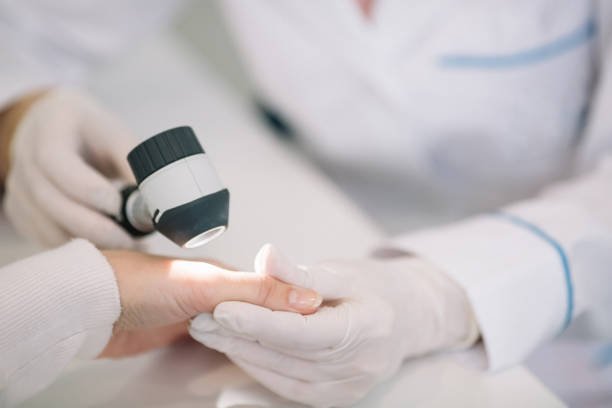
Alright, now that we know what acne is and when to see a dermatologist, let’s move on to treatments. Most dermatologists typically start with topical treatments for mild to moderate acne. These are the creams, gels, and lotions applied directly to the skin, and their job is to fight bacteria, control excess oil, or remove dead skin cells to prevent clogged pores. Properly understanding these products and how to use them is truly crucial.
One of the most well-known is benzoyl peroxide. This substance has both antibacterial properties and helps exfoliate the skin, removing dead cells. It works wonders for many, but it might make the skin a bit dry or red, so it should be used cautiously and as directed by your dermatologist. Next, we have topical retinoids. These are vitamin A derivatives and are really powerful; they work by controlling oil production, reducing inflammation, and preventing hair follicles from becoming clogged. Retinoids can make the skin more sensitive to the sun, so they must always be used in conjunction with sunscreen. Tretinoin, adapalene, and tazarotene are examples in this category.
There are also topical antibiotics like clindamycin and erythromycin, which target the bacteria causing acne. These are usually used alongside benzoyl peroxide to prevent bacterial resistance. And well, salicylic acid is already known to everyone. This beta-hydroxy acid is excellent for unclogging pores and exfoliating the skin, especially for blackheads and whiteheads. The key to using these treatments is patience and consistency. None of them work miracles overnight, and it may take several weeks to see results. Most importantly, follow your dermatologist’s instructions precisely to achieve the best outcome and prevent unwanted side effects.
💊 Oral Medications: Deeper Solutions

Sometimes, topical treatments alone aren’t enough to control moderate to severe acne. That’s when your dermatologist might turn to oral medications. These drugs work from within the body, affecting the entire system to combat the deeper roots of acne. Of course, the use of these medications must always be supervised and prescribed by a dermatologist, as each has its own specific side effects and considerations.
One of the most commonly used categories is oral antibiotics, such as tetracyclines (doxycycline, minocycline) or macrolides. What do these do? Well, first, they reduce inflammation, and second, they decrease the number of P. acnes bacteria on the skin. They are usually prescribed for a limited period to control initial inflammation. Dermatologists typically try to keep the treatment course short to prevent antibiotic resistance. Often, they are combined with topical benzoyl peroxide for better effect and to prevent resistance.
For women, hormonal therapies can also be an excellent option, especially if their acne is related to hormones. Medications like spironolactone or oral contraceptives can regulate androgen levels (male hormones that stimulate oil production) and thus control acne. Of course, these also have their specific side effects and should be used carefully and under the consultation of a dermatologist. And now, the king of severe acne treatments: Isotretinoin (Accutane). This medication is truly powerful and can permanently treat severe, stubborn, and cystic acne. Isotretinoin drastically reduces oil production and affects other acne factors. However, it has serious side effects such as severe dryness of the skin, lips, and eyes, and it’s crucial to have regular laboratory tests throughout its use and even for some time afterward. For women, preventing pregnancy during treatment and for a period afterward is very serious. Your dermatologist will consider all these aspects to ensure this option is suitable for you.
Is your skin telling a story you dont love? kianderm offers comprehensive medical and aesthetic solutions for your best skin.
✅ Expert diagnosis for skin, hair, and nails
✅ Advanced rejuvenation treatments
✅ Personalized care for lasting results
Begin your transformation with kianderm today!
💉 In-Office Procedures: When Topical Treatments Aren’t Enough
Sometimes, even with the best topical and oral medications, acne may not be fully controlled, or it may leave behind scars that require more attention. This is where in-office services and procedures offered by a dermatologist, like those provided at Kian Derm, come into play. These methods can enhance acne treatment, facilitate faster improvement, and even work wonders for old scars. These are, in essence, the more serious interventions.
First and foremost, we have Chemical Peels. A dermatologist uses mild to medium acidic solutions to remove the outermost layer of skin. This helps unclog pores, eliminate dead skin cells, and smooth the skin’s texture. It’s truly effective for inflammatory acne and mild scars. Next are Comedone Extractions, where the dermatologist, using specialized and sterile tools, manually removes blackheads and whiteheads. This procedure must be performed by a professional to prevent skin damage and scarring.
There are also more advanced services, such as Laser and Light Therapy. Laser therapy can destroy acne-causing bacteria, reduce oil production, and control inflammation. Some lasers also work very well for improving acne scars. Microneedling and Microdermabrasion are also popular methods that stimulate collagen production and skin regeneration, contributing to the overall improvement of skin texture and appearance, especially acne scars. Finally, for cases where acne is deep and stubborn, therapeutic injections like steroid injections into cysts can quickly reduce inflammation and prevent permanent damage. Remember, choosing the best method or combination of methods is solely done in consultation with and diagnosis by your dermatologist.
✨ Managing Acne Scars: Beyond Breakouts

Well, even if we control our active acne, sometimes it leaves behind some unwanted souvenirs: acne scars. These can be really stubborn and cause distress. But the good news is that the world of dermatology has made significant advancements, and now there are many options to improve these scars. Your dermatologist can choose the best approach based on the type of scar and your skin. Like a detective, they first need to diagnose the type of scar.
Generally, we have two main types of acne scars: depressed (atrophic) scars, which themselves have different types like Icepick, Boxcar, and Rolling, and raised (hypertrophic or keloid) scars. Each of these requires a specific treatment approach. For instance, for depressed scars, Dermal Fillers can temporarily or even in some cases long-term, fill in the depressions and make the skin surface appear smoother. This is a quick solution for aesthetic improvement. There’s also Subcision, where the dermatologist uses a special needle to release the fibrotic tissue underneath the scar, allowing the skin to lift and the scar to become less noticeable.
And then, Laser Therapy! This is truly a key player in scar treatment. There are various types of lasers used for acne scars, from ablative lasers that remove layers of skin to non-ablative lasers that regenerate the skin by stimulating collagen production from underneath. Microneedling also stimulates the body’s natural healing process by creating tiny punctures in the skin, helping to produce new collagen. In advanced clinics like Kian Derm, PRP (Platelet-Rich Plasma) services are also offered for acne scars, which use your own blood platelets to help regenerate and rejuvenate the skin. Remember, these are combination treatments, and your dermatologist will map out a roadmap for you. Patience and consistency, as always, are key.
| Scar Type | Characteristics | Common Treatment Methods |
|---|---|---|
| Atrophic (Depressed) | Icepick, Boxcar, Rolling | Fillers, Subcision, Laser, Microneedling, PRP |
| Hypertrophic (Raised) | Fleshy and Raised | Corticosteroid Injections, Laser, Silicone |
🍏 Lifestyle and Skincare: Supporting Your Treatment
Alright, so far we’ve discussed medical treatments for acne, but your dermatologist will surely tell you that this is not the only part of the story. Your lifestyle and daily skincare routine also play an incredibly important role in the success of treatment and the prevention of acne recurrence. These are essentially the things you can do every day to help your skin stay healthy and vibrant.
Let’s start with diet. Although the relationship between diet and acne is still a subject of scientific debate, some studies suggest that high-glycemic foods (like white bread, sugar, and sugary drinks) and dairy products may exacerbate acne in some individuals. So, a balanced diet rich in fruits, vegetables, and whole grains may help improve your skin’s condition. Drinking enough water is also essential for overall skin health. Oh, and stress! You know how much stress can affect our bodies. When you’re stressed, your body releases hormones that can increase oil production and worsen inflammation. So, finding ways to manage stress, such as meditation, yoga, exercise, or even listening to music, can also be beneficial for your skin.
Now let’s move on to skincare routine. This is where choosing the right products becomes important. Always look for products labeled “non-comedogenic,” meaning they won’t clog pores. Gently washing your skin twice a day with a mild cleanser can remove excess oil and impurities. But don’t overdo it! Excessive or harsh washing can irritate the skin and worsen the condition. Use a suitable, lightweight moisturizer, even if you have oily skin. And the most important tip: sunscreen! Many acne medications make the skin more sensitive to sunlight, and sun exposure can darken acne scars. So, daily use of a high-SPF sunscreen is absolutely essential. These small changes in lifestyle and daily care can make a big difference in your acne treatment journey.
⏳ The Journey to Clear Skin: Patience and Persistence
Wanting to get rid of acne overnight is a sweet dream that usually doesn’t come true. Your dermatologist will tell you repeatedly that acne treatment is a long journey that requires patience and persistence. There’s no magic bullet that fixes everything at once. Our skin has a regeneration cycle that takes about 28 days, so to see real results from any treatment, you need to give it at least a few weeks, sometimes even a few months. Frame this sentence: “Consistency in treatment is the key to success.“
It’s really hard to look in the mirror every day and not see small changes, or even worse, feel like things have gotten worse. But here’s an important point: at the beginning of some treatments, especially with retinoids, you might experience an “initial flare-up,” meaning your acne might temporarily worsen. This is completely normal and indicates that the medication is working. Discouragement is forbidden here! You should not stop treatment. Trust your dermatologist and communicate your progress with them.
Acne management is a long-term commitment. Even when your skin clears up, you might need a maintenance plan to prevent recurrence. This could involve using specific topical products or even regular skincare sessions. Sometimes, during treatment, you might encounter challenges such as excessive dryness, redness, or sensitivity. This is where the importance of continuous communication with your dermatologist becomes apparent. They can adjust medication dosages, suggest complementary products, or even change the treatment plan to achieve the best results. So, prepare yourself for a marathon, not a sprint. The outcome of this marathon is healthier skin and increased self-confidence, which is truly worth it.
Is it time to address your dermatological needs with a blend of medical precision and aesthetic artistry? Kian Derm offers specialized care for skin, hair, and nail conditions, complemented by sophisticated cosmetic enhancements like laser treatments.
✅ Precise medical dermatology
✅ Artful aesthetic improvements
✅ Holistic patient focus
Visit kianderm for exceptional care.
🤝 Kian Derm’s Approach: Your Partner in Skin Health
Now that we’ve talked about the types of acne and its treatments, let’s see how a reputable and well-equipped clinic like Kian Derm can be your true partner in skin health on this journey. It’s not just about prescribing medication and performing a few treatment methods, no! Kian Derm takes a comprehensive and personalized approach to acne treatment that goes beyond usual expectations. They understand that every individual has their own skin story and needs a unique treatment plan. What does this mean? It means you’re not just a number among many patients; you are an individual with your own specific needs and concerns.
At Kian Derm, the team of dermatologists carefully listens to your history, examines your current skin condition with advanced devices, and considers all aspects of your lifestyle. This multifaceted approach ensures that the treatment plan tailored for you not only targets your active acne but also focuses on preventing future recurrences and even managing existing scars. For example, if your acne requires specific topical treatments, Kian Derm’s specialist physician will prescribe the best and latest medications at the appropriate dosage. If oral medication is necessary, it will be initiated with all due caution and strict supervision.
But Kian Derm’s services don’t stop there. This clinic is equipped with a wide range of advanced aesthetic and therapeutic services that can complement acne and scar treatment. From microneedling and microdermabrasion to various laser therapies and PRP treatments for skin repair and regeneration, all are provided under the supervision of experienced specialists. The goal is not just to eliminate acne, but for your skin to become completely healthy, clear, and scar-free. This means you have a specialized partner who is with you every step of the way until you achieve the desired result, helping you regain your lost self-confidence. Choosing a reputable center like Kian Derm is an investment in your long-term skin health and beauty.
| Question | Answer |
|---|---|
| What is acne? | Acne is a skin condition caused by blocked hair follicles with oil and dead skin cells, usually accompanied by inflammation and bacteria. |
| When should one visit a dermatologist? | You should visit a dermatologist if your acne is severe, painful, doesn’t respond to home treatments, or affects your self-confidence and quality of life. |
| What are common topical acne treatments? | Benzoyl peroxide, topical retinoids (such as tretinoin), topical antibiotics, and salicylic acid are among the common topical treatments. |
| Does diet affect acne? | The exact relationship between diet and acne is still under investigation, but some research suggests that high-glycemic foods and dairy products may exacerbate acne in some individuals. |
| For what type of acne is Isotretinoin (Accutane) prescribed? | Isotretinoin is prescribed for severe, cystic acne that is resistant to other treatments, and it must be taken under strict supervision of a dermatologist. |
| How are acne scars treated? | Depending on the scar type (depressed or raised), various treatment methods such as fillers, subcision, laser therapy, microneedling, and PRP are suggested by the dermatologist. |
| Why is patience important in acne treatment? | Skin needs time to react to treatments and regenerate. Results from some treatments may take several weeks to several months. |
| Can stress worsen acne? | Yes, stress can worsen acne by increasing hormone secretion, leading to more oil production and inflammation. |
| Why is sunscreen important during acne treatment? | Many acne medications make the skin more sensitive to sunlight, and sun exposure can darken acne scars, so daily use of sunscreen is essential. |
| How does Kian Derm help with acne treatment? | Kian Derm helps with acne and scar improvement through a comprehensive and personalized approach, including precise diagnosis, medication prescription, advanced services (such as laser, microneedling, PRP), and providing maintenance plans. |
And other services provided by Kian Derm Clinic include
• Acne scarring laser treatment
• Pigment laser for stubborn spots
• Fractional laser for texture improvement
• Vascular laser for redness
• Q-switched laser for deep pigment
And dozens of other services in the fields of skin, beauty, and medical treatments
Skin | Hair | Beauty | Nails
Confused by complex reports? kianderm simplifies your business data into clear, easy-to-understand visualizations. ✅ Intuitive data dashboards.
Phone: +1 (236) 551-2282
Email: info@kianderm.ca
Address: 1836 Lonsdale Ave, North Vancouver, BC V7M 2J9, Canada