


🌟 An Introduction to the Triple Health of Skin, Hair, and Nails

# Well, let’s start with an important truth: our skin, hair, and nails, contrary to what we might think, are not separate islands. Not at all! These are three inseparable companions, and the health of each one inevitably affects the others. When a dermatologist looks at you, they are actually looking at a complex map of your entire body’s health; a map where every detail has a story to tell.
These three organs act both as a protective shield and as an accurate mirror, reflecting your internal body condition. For example, think about changes in nail color, sudden hair loss, or a stubborn pimple on your skin that just won’t go away. Each of these can be a small warning, or even a loud cry indicating that something inside isn’t quite right. That’s why your skin doctor always takes a comprehensive and holistic view of this health triangle. Timely diagnosis of a skin condition, such as eczema or psoriasis, or even a problem with hair and nails, can prevent a lot of trouble and worry.
Regular visits to a dermatologist are not just for solving problems, but a significant investment in maintaining long-term health and beauty. They can guide you on how to prevent issues, how to choose the right products, and when you should be concerned and start serious treatment. It’s like they give you a roadmap to always be your best self. This preventive and comprehensive approach, offered by a dermatologist, can truly make a difference in your daily life and self-confidence. In short, the health of this trio is what helps you feel good both on the outside and confidently vibrant on the inside. So, don’t underestimate its importance, okay?
✨ Essential Steps for Radiant and Healthy Skin
# If you desire truly radiant skin, you need to take a few essential and correct steps. It’s not just about applying a cream and being done! Skin care is somewhat like a routine that, if performed regularly and according to principles, yields amazing results. First and foremost is skin cleansing; pollutants, excess oil, and makeup can all clog pores and cause problems. A gentle cleanser, depending on your skin type, can be your savior. However, over-washing is also not good and can strip the skin’s protective layer. After cleansing, it’s time for moisturizer; this good friend of the skin helps retain necessary moisture and prevents dryness and tightness. It doesn’t matter if your skin is oily or dry, moisturizer is essential for everyone; only the type differs.
And now, the undisputed hero of skin care: sunscreen! You absolutely must use this every day, without exception. Even if it’s cloudy, even if you’re indoors. Harmful sun rays are always present and, over time, cause premature aging, dark spots, and, God forbid, skin cancer. A dermatologist always emphasizes this point. Now, if you don’t know your skin type – oily, dry, combination, or sensitive – or which products are best for you, that’s perfectly fine. This is where consultation with a specialist dermatologist comes in handy.
Nutrition and lifestyle, remember, also play a significant role. Drink plenty of water, eat fresh fruits and vegetables, and try to manage stress. Healthy skin starts from within. Signs such as persistent pimples, redness, and inflammation that don’t go away, or unusual changes in skin color and texture, are all warning signs that it’s time to visit a dermatologist. It’s never too late to take care of yourself, remember that.
Ready to transform your skin with the latest advancements in dermatology and aesthetics? Kian Derm delivers comprehensive services from essential skin biopsies to advanced hyaluronic acid treatments, all designed to optimize your skin’s health and beauty.
✅ Latest treatment technologies
✅ Comprehensive service range
✅ Personalized beauty plans
Start your transformation at kianderm.
💇♀️ Secrets to Thick and Strong Hair from a Dermatologist’s Perspective
# Hair, our crown and glory, plays a very important role in everyone’s appearance and self-confidence. But how much do we really know about it? The hair growth cycle is a complex process consisting of active growth, rest, and shedding phases. Many things, such as genetics, hormonal fluctuations, poor diet, and of course, life stress, can disrupt this cycle and prevent our hair from being as strong and thick as it should be.
Problems like hair loss, also known as alopecia, bothersome dandruff, or split ends, are among the most common concerns many people face. If your hair loss has increased beyond the usual or your dandruff doesn’t improve no matter what you do, it’s definitely time to see a dermatologist and hair specialist. With a thorough examination, they can identify the underlying cause; it might be a thyroid problem, a vitamin deficiency, or even a fungal infection you’re unaware of. Accurate diagnosis is the first step towards effective treatment.
After diagnosis, a dermatologist can recommend the best treatment solutions; from oral and topical medications to more advanced methods like PRP or mesotherapy. Alongside these, daily care is also vital. Choosing the right shampoo and conditioner for your hair type, avoiding excessive heat, and a healthy diet all contribute to stronger hair. So remember, there’s always a way to have better hair; you just need to consult the right person.
| Hair Problem | Main Symptoms | Dermatologist’s Recommended Solutions |
|---|---|---|
| Hair Loss (Alopecia) | Reduced hair volume, shedding more than 100 strands per day | Investigation of underlying causes, topical medications (Minoxidil), oral medications, PRP, Mesotherapy |
| Dandruff | White flakes on scalp and hair, itching | Anti-dandruff shampoos containing Ketoconazole or Selenium Sulfide, topical corticosteroids |
| Split Ends | Forks or damage at hair ends | Regular hair trims, use of repairing oils and serums, reduction of direct heat |
| Dry and Brittle Hair | Dull, rough, and vulnerable hair | Use of deep masks and conditioners, oil treatments, reduced washing with hot water |
💅 Nails That Tell Your Health Story
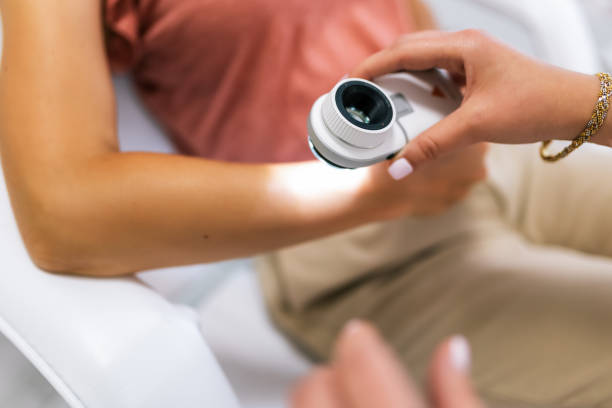
# Believe it or not, our nails are far more than just an aesthetic component. This small but important part of the body can have a lot to say, especially about our overall health. If you have a good dermatologist, they might gain important clues about your internal condition just by looking at your nails. Nails are made of keratin, the same protein found in skin and hair, and their growth depends on many internal and external factors.
Common nail problems are not few, remember? Fungal infections, which can make nails yellow, thick, and brittle. Brittle nails, which might be a sign of vitamin deficiency or a thyroid problem. Or even discoloration, which is sometimes a sign of more serious diseases. And ingrown toenails, well, I don’t even need to tell you, they are painful and, if left untreated, can become infected.
How can a dermatologist help? They provide an accurate diagnosis through a detailed examination and suggest the best treatment method. For example, for nail fungus, oral or topical antifungal medications might be prescribed. For brittle nails, they might offer nutritional supplements or specific care recommendations. The important thing is to take any nail problem seriously and not self-treat.
Nail hygiene is also very important; keep nails clean and dry, use personal tools for manicures and pedicures, and avoid biting nails or picking at the skin around them. A diet rich in protein, biotin, and iron can also help strengthen your nails. Overall, healthy nails are not only beautiful but also a good indicator of your general health. So, take care of them.
🌿 Common Skin Diseases and Ways to Combat Them
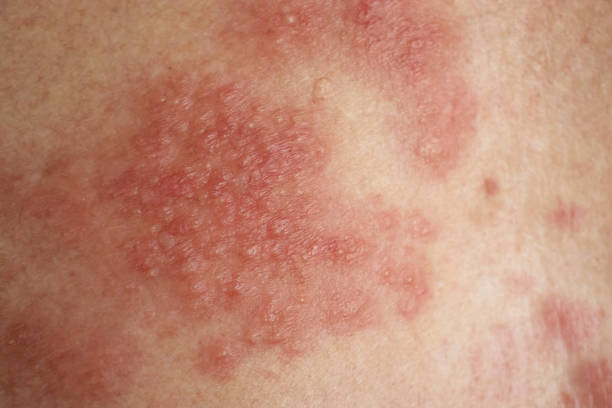
# Our skin, which is the largest organ of the body, is unfortunately exposed to all kinds of diseases and problems. Well, it’s natural, it’s constantly in contact with the external environment! Some of these diseases are very common, and almost everyone might struggle with them at some point in their lives. Acne (pimples), for example, is not limited to adolescence, and many adults also deal with it. Eczema, that annoying chronic dryness and itching, and Psoriasis with its red, scaly plaques that sometimes really diminish the quality of life. These are just a few examples of the problems a dermatologist deals with every day.
The symptoms, causes, and treatment methods for each of these diseases vary significantly. For acne, topical creams, antibiotics, or even oral medications like isotretinoin might be used. Eczema is usually controlled with strong moisturizers and topical corticosteroids, while psoriasis requires more systemic treatments, phototherapy, or biologic drugs. The most important point here is that early diagnosis by a dermatologist is truly the key to success in controlling and treating these diseases. The sooner you act, the lower the chance of disease progression and fewer side effects.
Specialized medical treatments also play a vital role. For instance, Skin Biopsy is necessary for the accurate diagnosis of suspicious lesions or complex skin diseases. Or Cryotherapy, which is used to remove warts, freckles, or other skin lesions and yields good results. These are methods that should only be performed by skin experts in equipped centers. If you notice any skin problem that doesn’t go away or gets worse, please don’t fool yourself and definitely consult an experienced dermatologist.
Ready to address fine lines, wrinkles, and sun damage effectively? kianderm provides advanced laser and device-based skin rejuvenation, targeting imperfections to reveal a clearer, more youthful complexion.
✅ High-precision laser treatments
✅ Effective for various skin concerns
✅ Certified specialists for safe results
Renew your skin at kianderm!
🔬 Beyond Beauty: Specialized Therapeutic Aspects of Skin

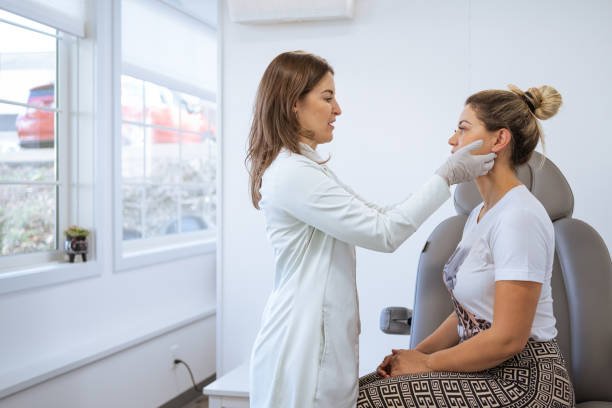
# When the name dermatologist comes up, many people only think of beauty and rejuvenation, but the truth is that the scope of work of a skin doctor is much broader and deeper than that. A large part of their work relates to treating skin diseases and maintaining overall body health, not just improving appearance. These therapeutic aspects can sometimes be life-saving or at least significantly improve a patient’s quality of life.
One of the very important tasks is Skin Biopsy. This is necessary when there is a suspicious skin lesion; for example, a mole that has changed, or a wound that won’t heal. The dermatologist removes a small piece of tissue and sends it to the lab for testing. This accurate diagnosis is key to subsequent treatments, especially in cases of skin cancer. So you see, how vital it is.
Next is Cryotherapy. This method, which uses cold, is used to remove warts, skin tags, or some pre-cancerous lesions. By freezing the diseased cells, they are destroyed. This is an outpatient and usually hassle-free procedure that also yields very good results, provided it is performed by a skilled dermatologist.
And finally, Medical Botulinum Toxin Injections; you might think Botox is only for beauty, but no! This substance also has amazing therapeutic applications. For example, for treating chronic migraines, or for individuals suffering from excessive sweating (hyperhidrosis), Botox can work wonders and is even covered by health insurance. Choosing a specialist dermatologist who is both skilled in therapeutic aspects and up-to-date is truly crucial for these types of procedures. Your health is in the hands of someone who can both bring beauty and alleviate pain.
💖 From Medicine to Aesthetics: The Smart Connection in Skin Care
# Well, now that we’ve talked about the therapeutic aspects, it’s time to look at the other side of the coin: aesthetic and therapeutic services that restore our good feelings and self-confidence. The line between medical and aesthetic treatments can sometimes be very delicate and invisible. A professional dermatologist is someone who can combine these two worlds and bring you the best results. For example, someone who had acne and now has scars might need both medical treatment and laser to remove the scars.
Common aesthetic services include Botox injections for wrinkle reduction and fillers for volumizing or filling deep lines, which, well, these are usually not covered by insurance. Then, we have methods like microneedling and microdermabrasion, which are excellent for improving skin texture, reducing blemishes and scars, and stimulating collagen production. These essentially encourage the skin to repair and regenerate itself, a kind of smart encouragement.
But the story doesn’t end there! More advanced treatments such as PRP (Platelet-Rich Plasma), which uses your own blood for rejuvenation, or Mesotherapy for strengthening hair and skin, as well as advanced lasers and rejuvenation devices that can target blemishes, unwanted hair, wrinkles, and skin laxity, are among the services offered by a specialized dermatology clinic. The correct choice of center and dermatologist for these procedures is very important. After all, someone with sufficient experience and skill can ensure natural and safe results and prevent unwanted complications. So, for any service you wish to undergo, do your research well and choose the best.
| Service | Main Application | Key Benefits |
|---|---|---|
| Botox Injection | Reduction of dynamic wrinkles (forehead, frown lines, crow’s feet) | Rejuvenation, line reduction, prevention of deep wrinkles |
| Filler Injection (Gel) | Volumizing (lips, cheeks), filling static lines, correcting under-eye hollows | Improved facial contour, rejuvenation, reduction of sagging |
| Microneedling | Reduction of acne scars, improved skin texture, minimized pores, collagen stimulation | Increased elasticity, skin clarity, reduction of blemishes and acne marks |
| PRP (Platelet-Rich Plasma) | Skin rejuvenation, hair loss treatment | Stimulation of cell regeneration, increased hair growth, improved skin quality |
| Laser Therapy | Removal of blemishes, unwanted hair, redness, rejuvenation, treatment of vascular lesions | Even, smooth, and younger-looking skin |
☀️ Protecting Skin Against Environmental Factors and Aging
# Remember I said our skin is a protective shield? Well, this poor shield is constantly exposed to various attacks from the external environment. Sunlight, air pollution, and free radicals are all primary enemies of our skin’s health and youth. The sun’s ultraviolet rays are the main culprits behind premature skin aging, dark spots, and, more dangerously, skin cancer. Even on cloudy days or when you’re sitting behind a car window, these rays can penetrate your skin.
That’s why using sunscreen is not just a recommendation, but an absolute necessity from the perspective of every dermatologist. It doesn’t matter if it’s summer or winter, early morning or afternoon, sunscreen should be an inseparable part of your daily routine. A sunscreen with at least SPF 30 and broad-spectrum protection (against both UVA and UVB) is the best choice. And don’t forget, you should reapply it every two hours, or after excessive sweating and swimming.
Air pollution is another destructive factor that can damage the skin and increase free radicals in the body. Free radicals are unstable molecules that attack skin cells and cause collagen and elastin destruction; the result is wrinkles, sagging, and dull skin. This is where antioxidants come into play. Consuming colorful fruits and vegetables rich in antioxidants, and using skincare products containing vitamins C, E, and ferulic acid, can greatly help protect your skin.
A good dermatologist always emphasizes that prevention is better than cure. If you want your skin to remain young and vibrant for years, follow these recommendations. This is a long-term investment that truly pays off.
❓ Common Misconceptions in Skin, Hair, and Nail Care
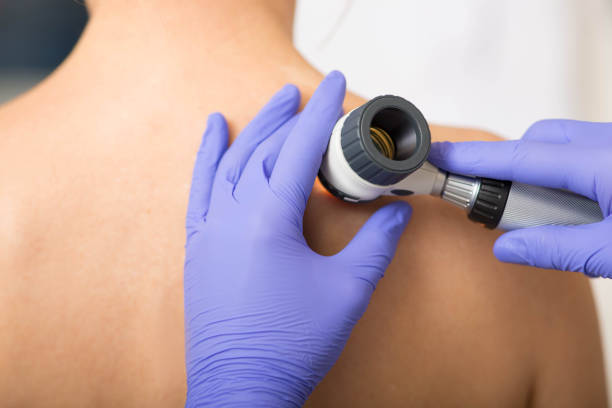
# Well, to be honest, in the world of skin, hair, and nail care, we are full of misconceptions and myths that have been passed down from generation to generation and sometimes do more harm than good. Remember those who say put toothpaste on your pimple, it’ll get better? Or for example, that if you pluck gray hairs, more will grow? These are just a few examples of many common fallacies you might have heard. Let’s take a look at some of these mistaken beliefs and see what a dermatologist has to say about them.
For instance, the idea that drinking a lot of water will eliminate facial pimples. While it’s completely true that water is good for overall body and skin health, drinking water alone won’t magically make pimples disappear. Acne is a complex condition that requires specialized treatments from a dermatologist. Or this one: more expensive cream is always better. This isn’t necessarily true! Many affordable products also have excellent active ingredients and, in fact, yield very good results. What matters are the active ingredients and suitability for your skin type, not the exorbitant price.
As for hair, don’t even get me started; washing hair too often causes hair loss. This is also false. Hair loss has internal causes, and washing hair only helps detach dead strands that were already destined to fall. Or that for stronger nails, you should get gel and extensions. These procedures only provide temporary beauty and can actually damage the nail structure. Healthy nails become strong from within.
The key point here is that for any questions or concerns you have about your skin, hair, or nails, the best thing to do is consult a dermatologist. With their scientific knowledge and practical experience, they can steer you away from potentially harmful mistaken paths and guide you toward real and effective solutions. Discard unscientific advice and listen to your dermatologist; your health is worth it.
Is your skin not reflecting your inner vitality? Kian Derm provides comprehensive medical dermatology and cutting-edge aesthetic treatments, expertly addressing conditions from acne to aging signs with tailored solutions for lasting health and beauty.
✅ Specialized medical and cosmetic expertise
✅ Advanced, personalized treatment options
✅ MSP-covered and private services
Rejuvenate your appearance with kianderm.
📈 Your Guide to Choosing the Best Dermatologist and Comprehensive Care Plan

# Well, we’ve reached one of the most important parts: How to find a good and trustworthy dermatologist? This is a question many people struggle with, especially with all the information on the internet that can sometimes be confusing. Choosing a skin doctor who is knowledgeable, experienced, and also has professional ethics can truly make a fundamental difference in your skin, hair, and nail health journey. First of all, look for reputable centers and doctors who have specialized degrees and are members of relevant scientific associations. Recommendations from friends and acquaintances can also be a good start.
When you visit a dermatologist, it’s important that they have a comprehensive and personalized approach to you and your problems. Every individual has unique skin, hair, and nails, and a treatment plan that works for one person might not only be ineffective for another but even harmful. A good dermatologist takes the time to talk to you, review your medical history, and design a treatment plan tailored to your specific needs. They don’t just prescribe a one-size-fits-all solution.
After choosing your dermatologist, do not underestimate the importance of regular visits and follow-up treatments. Skin problems, especially chronic conditions like eczema or psoriasis, require continuous monitoring and treatment adjustments. Even for aesthetic care, regular consultation with a specialist can make the results better and longer-lasting. Finally, remember that skin, hair, and nail health is an ongoing journey, not a destination. This journey needs the companionship of a specialized guide who can support you at every stage and achieve the best for you. So actively strive for your health; you are worth it.
| Question | Answer |
|---|---|
| What treatment is recommended for acne (pimples)? | Acne treatment depends on its severity and type. It usually includes medicated cleansers, topical creams (retinoids, antibiotics), oral medications, and in severe cases, isotretinoin or laser therapy. Consultation with a dermatologist is essential. |
| How can I prevent hair loss? | To prevent hair loss, its cause must first be identified. Reasons can include genetics, stress, nutritional deficiencies, or hormonal problems. A dermatologist can help by prescribing topical (Minoxidil) or oral medications, or methods like PRP and mesotherapy. |
| Is daily use of sunscreen really necessary? | Yes, it is absolutely essential. Harmful sun rays can damage the skin even on cloudy days and indoors through windows. Sunscreen prevents premature aging, skin spots, and skin cancer. |
| How can I have healthier and stronger nails? | To have strong nails, practice good nail hygiene (keep them clean and dry), avoid trauma and strong chemicals, refrain from harsh filing, and maintain a diet rich in biotin, protein, and iron. |
| What is the difference between eczema and psoriasis? | Eczema is usually associated with severe itching, redness, and dry skin, while psoriasis is characterized by red, thick, and silvery scaly plaques. Both are chronic conditions but have different causes and treatments, and diagnosis by a dermatologist is crucial. |
| What problems is microneedling useful for? | Microneedling is useful for improving skin texture, reducing acne and surgical scars, minimizing enlarged pores, reducing skin blemishes, and stimulating collagen production, leading to smoother and younger-looking skin. |
| What is therapeutic Botox injection (insurance coverage) for? | Therapeutic Botox has applications beyond aesthetics and can be used for treating chronic migraines, excessive sweating (hyperhidrosis), and certain muscle spasms. These cases may be covered by general health insurance. |
| When should I consult a dermatologist for mole changes? | Any change in a mole’s size, shape, color, or the onset of itching, bleeding, or pain in it, is a red flag. If you observe these symptoms, you should immediately consult a dermatologist for necessary examinations. |
| Does nutrition affect skin health? | Absolutely yes. A healthy and balanced diet plays a crucial role in skin health. Consuming fruits, vegetables, lean proteins, and healthy fats helps provide the necessary nutrients for the skin and protects it from damage. |
| What is the best way to choose a reputable aesthetic clinic? | To choose a reputable clinic, pay attention to official licenses, the experience and expertise of the doctors, reviews from previous patients, and the clinic’s up-to-date and standard equipment. An initial consultation with the specialists at that center can also help you make a decision. |
And other services provided by Kian Derm Clinic include
• Pigmentation correction (specific lasers)
• Dark spot remover treatments
• Uneven skin tone laser treatment
• Rejuvenation with growth factors
• Post-procedure healing treatments
And dozens of other services in the fields of skin, beauty, and medical treatments
Skin | Hair | Beauty | Nails
Unlock your business full potential. kianderm transforms raw data into valuable intelligence for strategic advantage. ✅ Empowered decision-making.
Phone: +1 (236) 551-2282
Email: info@kianderm.ca
Address: 1836 Lonsdale Ave, North Vancouver, BC V7M 2J9, Canada