


💡 Understanding Three Common Skin Challenges: Acne, Eczema, and Psoriasis
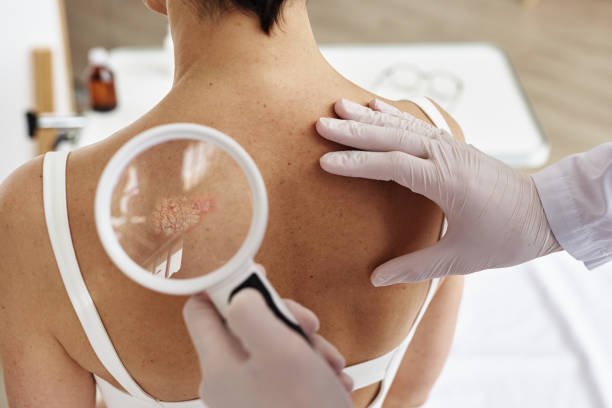
# Skin, this amazing covering of our body, deals with a lot every day. From sun and pollution to stress and hormones; all of them can affect its health and appearance. Sometimes, certain skin problems arise that can be truly frustrating. It doesn’t matter how old you are or where you live, you’ve probably heard the names acne, eczema, and psoriasis. These aren’t just simple pimples or dry skin; each of them has its own world of complexities and specific challenges.
Many people struggle with at least one of these issues in their lifetime. Acne, that persistent nuisance of adolescence and sometimes even adulthood, can really target one’s self-confidence. Eczema, known for its maddening itching and inflamed skin, steals peaceful nights. And psoriasis, which may be less known than the other two, but with its red, scaly patches, can truly disrupt daily life. These diseases don’t just affect appearance; they also impact quality of life, sleep, and even social relationships. So, the question now is: why do these things happen and how can we cope with them?
The main goal of this guide is to provide a clear and comprehensive picture of these three skin problems. We want to understand what exactly causes each of them to appear, what their symptoms are, and most importantly, how to find the best treatment for acne, eczema, and psoriasis. This way, you won’t have to worry every time you see a new red spot or pimple on your skin and not know what to do. We aim to be your compass on this winding path to skin health. So, get ready to explore a lot of useful and practical information together, so your skin can breathe again and you can feel better.
🌱 What is Acne? Roots, Types, and Initial Solutions
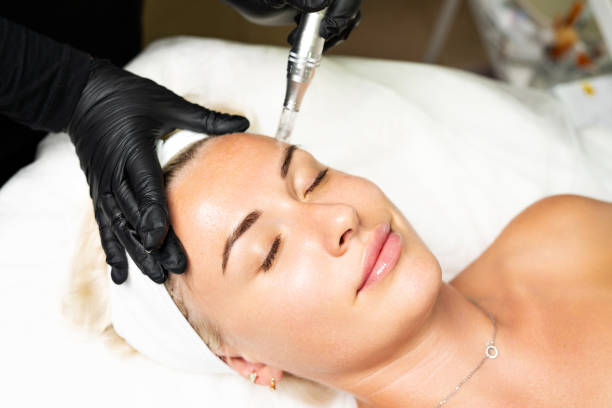
# Acne, or pimples, is often the first thing that comes to mind when skin problems are mentioned. Almost no one goes through life without encountering it at some stage, from small blackheads to painful, deep cysts. So, why do we get pimples anyway?
The main root of acne lies in our hair follicles. These follicles become blocked when they combine with excessive oil (sebum), dead skin cells, and bacteria (especially *Propionibacterium acnes*). This blockage leads to inflammation and the formation of various types of pimples. Hormones also play a key role here; especially androgens, which become very active during puberty and increase oil production. This is why we tend to get more pimples during adolescence.
There are also many types of acne: whiteheads and blackheads, which are non-inflammatory comedones, to papules and pustules, which are small inflamed pimples. If the situation worsens, nodules and cysts may also appear, which are both painful and increase the likelihood of scarring. Each of these requires a different treatment approach.
For initial solutions and acne treatment, we can start with over-the-counter (OTC) products. Ingredients like benzoyl peroxide, which kills bacteria, and salicylic acid, which helps with exfoliation, are very useful. Be careful to keep your skin clean, but don’t overdo it and dry out or irritate your skin. A gentle cleansing and moisturizing routine is often helpful. But if these methods don’t work, it might be time to see a dermatologist. That’s when stronger options like antibiotics, topical or oral retinoids, and even more advanced treatments like lasers are considered.
Is patchy hair loss a worry? kianderm provides diagnostic and treatment options for alopecia and other hair conditions.
✅ Expert evaluation for hair concerns
✅ Targeted treatments to promote growth
✅ Support for all your dermatological needs
Consult kianderm for hair health!
🩹 Eczema or Dermatitis: Triggers, Symptoms, and Calming Strategies
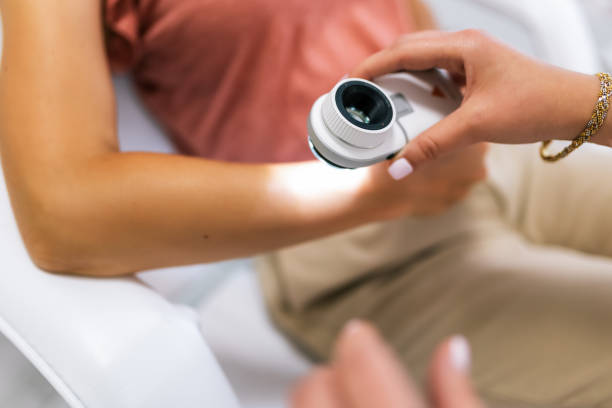
# Eczema, also known as dermatitis, is an inflammatory skin condition characterized by dryness, redness, intense itching, and sometimes cracking or flaking of the skin. It’s hard to imagine how unbearable the itch of eczema can be, especially at night.
Eczema triggers can truly vary. From environmental factors like chemicals in detergents, soaps, or cosmetics to allergens like pollen, dust, or pet dander. Stress is also one of those hidden factors that can flare up eczema. Even changes in weather, low humidity, or excessive dryness can be troublesome for eczematous skin.
Symptoms of eczema typically include severe itching, redness, dry and cracked skin, and sometimes small, fluid-filled bumps. In chronic cases, the skin may become thick and dark (lichenification). Where eczema appears on the body can help in diagnosing its type; for example, atopic eczema is more commonly seen in body folds like the elbows and behind the knees.
| Common Eczema Triggers | Prevention Tips |
|---|---|
| Harsh soaps and detergents | Use mild, fragrance-free products |
| Perfumes and sprays | Avoid or limit scented products |
| Pollen and dust | Keep environment clean, use air filters |
| Rough fabrics (e.g., wool) | Wear cotton and soft clothes |
| Stress | Manage stress with yoga, meditation |
For calming strategies and eczema treatment, the first step is identifying and avoiding triggers. Strong, fragrance-free moisturizers are essential for maintaining skin hydration. Topical steroid creams (under medical supervision) can control inflammation and itching. Oral antihistamines are also useful for reducing itching, especially before sleep. In more severe cases, a doctor may prescribe immunosuppressants or light therapies. The most important thing is that with patience and finding the right routine, this condition can be managed and quality of life can be improved.
🔴 Psoriasis: Nature, Manifestations, and Long-Term Care
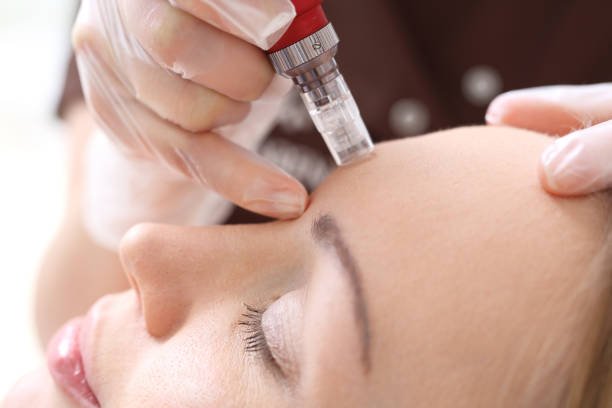
# Psoriasis is a chronic autoimmune disease that affects the skin, nails, and sometimes the joints. Unlike eczema, which mainly manifests with itching and dryness, psoriasis is characterized by red, scaly, and thick patches of skin, which are called plaques. These plaques usually appear on the elbows, knees, scalp, and lower back, but can be anywhere else on the body.
What happens in psoriasis is that the body’s immune system mistakenly attacks skin cells. This causes the skin cell production cycle to accelerate rapidly, meaning cells are produced in just a few days instead of maturing and shedding over several weeks. This rapid production of new cells leads to their accumulation on the skin surface, creating those silvery scales. Unfortunately, psoriasis is not contagious, but often people think it might be due to its appearance, which can be psychologically distressing for patients.
The manifestations of psoriasis can vary greatly from person to person. Plaque psoriasis is the most common type, but there are also other types such as inverse psoriasis (in skin folds), pustular psoriasis (with pus-filled blisters), guttate psoriasis (small red spots), and erythrodermic psoriasis (which affects the entire body and is the most severe type). Some people may also experience psoriatic arthritis, where the joints are also affected, causing pain and swelling.
Long-term care and psoriasis treatment are very important because it is a chronic condition and requires ongoing management. Topical creams and ointments such as corticosteroids, vitamin D analogs, and retinoids are used for mild to moderate cases. Phototherapy (light therapy) is also an effective treatment option for many psoriasis patients. For more severe cases, oral or injectable systemic medications (biologics) are prescribed, which affect the immune system and can control the disease. Finding the best treatment plan requires close cooperation with an experienced dermatologist.
🧑⚕️ The Role of a Dermatologist: When and Why Should We Seek Help?
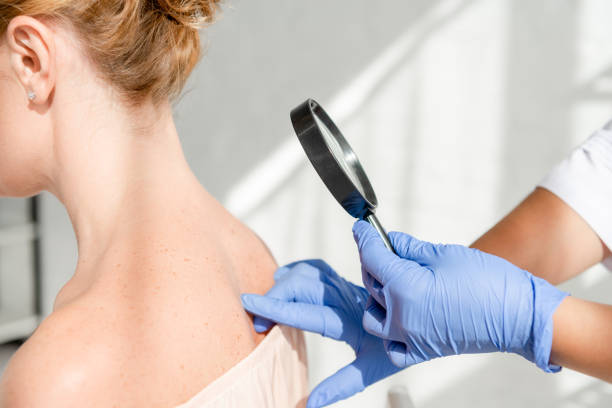
# Well, so far we’ve talked about acne, eczema, and psoriasis, and we’ve understood how complex these problems can be. Now, the main question is: when should we really consult a dermatologist instead of self-treating or using advice from friends and acquaintances? This is a very important point that many people overlook, which can cause their problem to become chronic or even worsen.
Generally, if your skin problems do not improve with home remedies or over-the-counter products, or if your symptoms are very severe and bothersome (e.g., unbearable eczema itching, painful cystic acne, or widespread psoriasis plaques), you should undoubtedly see a doctor. Also, if you are experiencing the psychological effects of these diseases, such as reduced self-confidence or depression, this is a very important reason to seek help from a specialist.
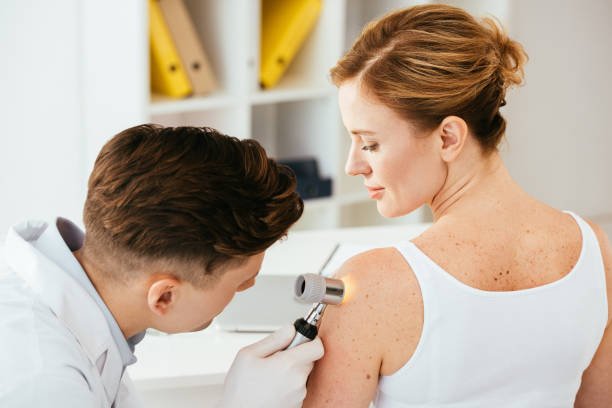
A dermatologist acts exactly like a skin detective. They are trained to find the root of the problem and make an accurate diagnosis. Sometimes what seems like a simple pimple to you might be a specific type of acne that requires a different treatment. Or those red spots might be psoriasis, not just a skin sensitivity. A specialist can make the correct diagnosis through physical examination, taking a detailed medical history, and sometimes a skin biopsy.
After diagnosis, the dermatologist will design a personalized treatment plan for you. This plan may include topical medications, oral medications, light therapy, or even more advanced procedures. For example, for the treatment of acne, eczema, and psoriasis, there are many options, and only a specialist can choose the best combination based on your specific condition. They not only treat the disease but also help you learn how to care for your skin to prevent recurrence. In short, do not entrust your skin health to inexperienced individuals; a timely visit to a specialist can prevent many future problems.
Are you concerned about skin cancer or suspicious lesions? kianderm provides critical skin examinations and biopsies, offering peace of mind through our medical dermatology expertise.
✅ Thorough diagnostic services for skin abnormalities
✅ Precise and safe skin biopsy procedures for accurate assessment
✅ Guidance on preventive care and ongoing monitoring for your health
Prioritize your skin health with kianderm!
🔬 Advanced Treatment Options for Acne
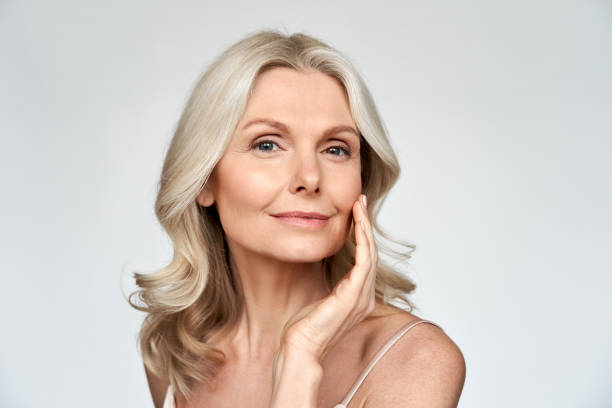
# When it comes to acne, often the first things that come to mind are over-the-counter products or common topical creams. But these don’t always work, especially when dealing with severe or resistant acne. In such cases, the world of more advanced treatments comes into play, which can be truly effective.
One of the most common advanced methods is the use of oral antibiotics to reduce inflammation and bacteria. These are usually prescribed for a limited period to prevent antibiotic resistance. After that, the doctor may turn to isotretinoin (Accutane), which is a powerful oral medication very effective for severe cystic and nodular acne. This drug can truly eradicate acne by reducing oil production and the size of oil glands, but it has its side effects and must be taken under strict medical supervision.
Apart from medications, there are also physical and clinical methods that are very useful for acne treatment:
• Laser therapy: Various types of lasers (such as fractional lasers, diode lasers) can kill acne-causing bacteria, reduce inflammation, and even improve acne scars. These methods help with skin regeneration.
• Microneedling and Microdermabrasion: These methods, by creating tiny punctures or superficial exfoliation, help improve skin texture, reduce scarring, and stimulate collagen production.
• Chemical peels: The use of specific acids to remove superficial layers of the skin, which leads to unclogging pores, reducing pimples, and improving skin tone.
The choice among these options depends on the severity of acne, skin type, and patient expectations. It’s always best to consult a dermatologist to choose the best and safest acne treatment method for you.
💧 Novel Approaches in Eczema Management
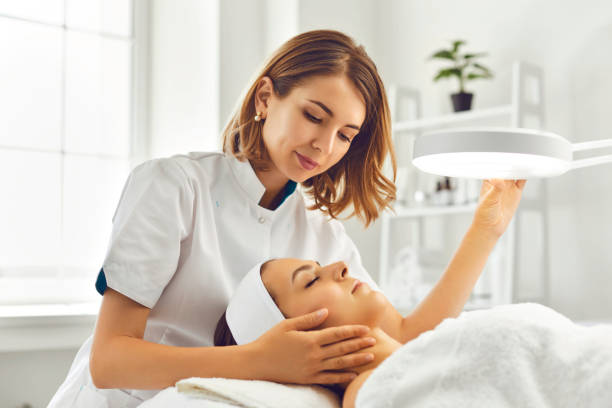
# Eczema, as we mentioned earlier, is a chronic skin condition that can significantly reduce quality of life. Fortunately, with scientific advancements, we are no longer limited to steroid creams and now have novel and more promising approaches for eczema management.
First and foremost, we must emphasize that maintaining the skin’s protective barrier is paramount. Consistent use of moisturizers containing ceramides, hyaluronic acid, and other lipids that help repair the skin barrier is very important. These differ from ordinary moisturizers and are found in specific products for eczema.
Now let’s move on to newer approaches:
• Topical Calcineurin Inhibitors: These medications, such as tacrolimus and pimecrolimus, are good alternatives to steroids, especially for sensitive areas like the face and neck, as they do not have the side effects of steroids. They help reduce itching and redness by suppressing inflammatory immune responses.
• JAK Inhibitors: These are new oral or topical medications that affect specific inflammatory pathways in the body and can be very effective for moderate to severe eczema.
• Biologic Treatments: Like dupilumab, these are injectable medications that directly target specific molecules of the immune system involved in causing eczema. These are considered a real breakthrough for severe cases of eczema that have not responded to other treatments.
| Treatment Type | Main Function | Uses |
|---|---|---|
| Barrier-repairing moisturizers | Repair skin barrier | All types of eczema, prevention |
| Calcineurin inhibitors | Reduce inflammation without steroids | Sensitive areas, chronic eczema |
| JAK inhibitors | Suppress specific inflammatory pathways | Moderate to severe eczema |
| Biologics | Precisely target the immune system | Severe and resistant eczema |
Also, phototherapy is still an excellent option and reduces inflammation using controlled UV radiation. Choosing the best approach for eczema treatment requires accurate diagnosis and consultation with a specialist physician who will prescribe the best plan based on the severity of your condition and your body’s reaction.
🌟 Pioneering Treatments for Psoriasis
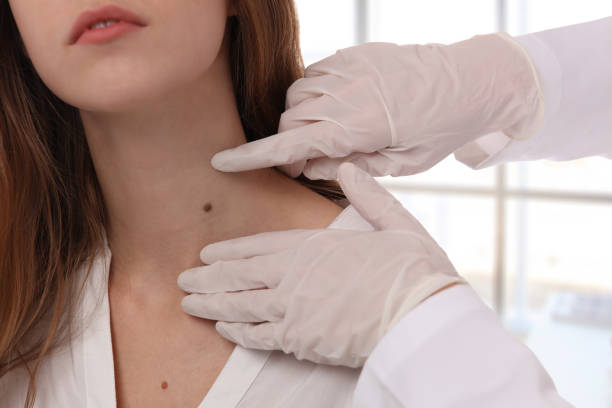
# Psoriasis, that autoimmune disease that can severely affect quality of life, used to have more limited treatments. But now, thanks to medical advancements, there are pioneering and truly effective treatment options for managing this disease that can make life much easier for patients. We no longer just rely on ointments and creams.
For moderate to severe psoriasis, oral systemic medications such as methotrexate, cyclosporine, or acitretin are still used. These drugs control the disease by broadly suppressing the immune system or controlling skin cell growth. However, they have their own side effects and require close medical supervision.
One of the most exciting advancements in psoriasis treatment is the emergence of biologic therapies. These injectable medications, unlike older drugs that broadly suppressed the immune system, target specific molecules in the immune system that play a role in causing inflammation and psoriasis plaques. This more precise targeting means greater efficacy and fewer side effects. There are different types of biologics, each inhibiting specific inflammatory proteins (such as TNF-alpha, IL-17, or IL-23). The choice of biologic depends on the severity of the disease, the body’s response, and the patient’s medical history. These drugs have truly revolutionized the quality of life for many psoriasis patients.
In addition, phototherapy (light therapy) is still a very important treatment for psoriasis. By using controlled ultraviolet B (UVB) or UVA radiation in combination with photosensitizing drugs (PUVA), skin cell growth can be slowed and inflammation reduced. This method must always be performed under medical supervision and in equipped clinics to prevent potential side effects.
Newer treatments such as small molecule oral inhibitors are also being developed and used, which can be an option between traditional systemic drugs and biologics. These numerous options give psoriasis patients hope that they can experience a normal, hassle-free life, provided they collaborate with their experienced treatment team and remain diligent.
🍏 The Role of Lifestyle, Diet, and Skincare in Skin Health
# Well, it’s true that medications and advanced treatments are very important, but let’s be honest, there’s no magic cure that can achieve lasting results without paying attention to lifestyle, diet, and daily skincare. These three factors act as a team, and their impact on managing acne, eczema, and psoriasis simply cannot be underestimated.
First and foremost, lifestyle. Stress is a very strong factor that can worsen all three conditions. So, learning stress management techniques, such as meditation, yoga, regular exercise, or even spending time with friends and family, can be truly helpful. Adequate sleep also works wonders; when our body doesn’t get enough rest, the immune system weakens, and inflammation increases. Avoiding smoking and moderate alcohol consumption are also vital for overall skin health.
Next is diet. Just like a car runs better with good fuel, our body also needs healthy food. A diet rich in fruits, vegetables, whole grains, and healthy fats (like omega-3s found in fatty fish, nuts, and seeds) can help reduce inflammation in the body. Some people also find that eliminating certain foods like dairy or gluten, or processed and sugary foods, can improve their symptoms. However, this is very personal, and it’s best to consult a nutritionist or doctor. For the treatment of acne, eczema, and psoriasis, smart food choices can truly play a strong supportive role.
And finally, appropriate skincare. This is the foundation of healthy skin. Use mild cleansers, free of fragrances and harsh chemicals, and strong moisturizers suitable for your skin type. Never forget sunscreen, even on cloudy days. Protect your skin from excessive dryness (especially for eczema and psoriasis) and try to irritate it less. Excessive washing or harsh rubbing of the skin will only worsen the condition. These small good habits have big effects in the long run.
Do you desire subtle yet impactful improvements to your facial aesthetics? kianderm offers Botox injections for cosmetic purposes, skillfully applied to relax facial muscles and smooth out expression lines for a refined look.
✅ Precise aesthetic enhancements
✅ Reduced appearance of wrinkles
✅ Experienced cosmetic practitioners
Refine your look at kianderm!
🛡️ Prevention and Maintenance: Living with Chronic Skin Conditions
# When dealing with conditions like acne, eczema, or psoriasis, merely treating the symptoms is not enough. A larger part of the story is preventing flare-ups and maintaining the skin in a stable and healthier state. This means we must learn how to live with these chronic diseases without sacrificing our quality of life.
The first step is accurately identifying triggers. This varies for each individual. For one person, it might be stress; for another, specific foods or even seasonal changes. Keep a journal and whenever your symptoms worsen, note down what you ate, activities you did, or even the weather on that day or the days before. This will help you find patterns and avoid triggers. For example, if you know a particular fabric irritates your eczema, avoid buying clothes made of that material.
After identifying triggers, a consistent and continuous skincare routine is very important. Even when your skin is good and has no symptoms, you should not stop your moisturizing and cleansing routine. Skin prone to eczema or psoriasis needs continuous care to keep its protective barrier strong. Applying strong moisturizers immediately after showering, when the skin is still slightly damp, helps to retain moisture better. For acne, gentle washing twice a day and using non-comedogenic products are essential.
And another important thing, don’t forget your regular appointments with your dermatologist. Even if you feel everything is under control, a check-up can identify problems early and address them before they become severe. The doctor can adjust your medications, suggest new solutions, and ensure that the treatment process for acne, eczema, and psoriasis is progressing correctly. Skin health is a long journey, not a destination. So, with patience and commitment, these conditions can be managed, and quality of life can be maintained.
| Question | Answer |
|---|---|
| What are the differences between acne, eczema, and psoriasis? | Acne primarily involves pimples and lesions caused by blocked hair follicles. Eczema is characterized by dryness, intense itching, and redness of the skin. Psoriasis appears as red, thick, and scaly plaques on the skin. |
| Are the treatments for these conditions permanent? | Acne, eczema, and psoriasis are often chronic conditions that require ongoing management. Treatment can control symptoms, but the disease may recur. |
| When should we see a dermatologist? | If home remedies or over-the-counter products are not effective, symptoms are severe and bothersome, or the condition affects your quality of life, you should consult a dermatologist. |
| Does diet affect these skin problems? | Yes, diet can be influential. An anti-inflammatory diet rich in fruits and vegetables can be helpful. Some individuals improve by eliminating specific foods (such as dairy or gluten), but this is personal. |
| Can stress worsen acne, eczema, and psoriasis? | Absolutely. Stress is one of the main triggers for exacerbating all three conditions. Stress management through exercise, meditation, or counseling can help improve skin conditions. |
| Is laser therapy useful for acne? | Yes, specific types of lasers can be effective in reducing bacteria, inflammation, and improving acne scars. |
| Are biologics safe for psoriasis? | Biologics are very effective medications for severe psoriasis and are generally considered safe, but like any medication, they have potential side effects and must be used under strict medical supervision. |
| How can I prevent eczema itching? | Consistent use of strong moisturizers, avoiding triggers, short and cool baths, and using topical or oral anti-itch medications (as advised by a doctor) can be helpful. |
| Is psoriasis contagious? | No, psoriasis is an autoimmune disease and is not contagious at all. |
| What is the role of mental health care in managing skin diseases? | Mental health care is crucial because these conditions can cause stress, anxiety, and reduced self-confidence. Talking, counseling, and stress management help improve the overall situation. |
And other services provided by Kian Derm Clinic include
• RF microneedling
• CO2 fractional laser resurfacing
• Erbium laser resurfacing
• Intense Pulsed Light (IPL) photo-rejuvenation
• Pigmented lesion removal (laser)
And dozens of other services in the fields of skin, beauty, and medical treatments
Skin | Hair | Beauty | Nails
Do you have a clear picture of your operations? kianderm provides comprehensive operational data analysis to optimize performance. ✅ Optimized workflow insights.
Phone: +1 (236) 551-2282
Email: info@kianderm.ca
Address: 1836 Lonsdale Ave, North Vancouver, BC V7M 2J9, Canada