


🎯 Preparing Before Visiting an Acne Treatment Clinic: The First Step Towards Clearer Skin
Well, remember that feeling of confusion when you wanted to solve a big problem? Acne treatment is exactly like that, especially when you’re about to visit an acne treatment clinic. It’s like a huge mountain of information in front of you, and you don’t know where to start. But you know what? A big part of your treatment’s success begins even before you step into the doctor’s office. Yes, you heard right, preparation before the visit is crucial. It’s kind of like gathering puzzle pieces so the doctor can see the complete picture.
First off, make a list. Jot down everything about your medical history, any medications you’re taking (even if they don’t seem related to your skin), supplements, and even your family’s history of acne. Don’t think anything is insignificant; sometimes, a simple medication can affect your skin. Next, think about your current skincare routine. What cleanser do you use? What moisturizer? Do you use any specific creams for your breakouts? Write down the exact names of the products, and if you can, bring the products themselves with you. Sometimes, the combination of ingredients in different products can be problematic.
Another very important point is what questions you have. Ask yourself what you want to achieve from this visit. Are you looking for a quick fix? (Which, of course, is rare with acne.) Are you worried about side effects? Do you want your acne scars treated too? Write down every question that comes to mind. When you’re sitting in the office, you might forget everything due to stress or rush. Having a list of questions will make things easier for both you and the doctor. Also, think about the duration of your acne, its severity, and what makes it worse. For example, does it worsen during specific times of the month? (Important for women.) Does it worsen after eating certain foods? These details, however small they may seem, truly help the doctor make a more accurate diagnosis and create a more effective treatment plan for you.
Overall, think of yourselves as a team – you and your doctor. The more accurate and complete information you provide, the better they can guide you. This stage, preparation, is the foundation of successful treatment at an acne treatment clinic. Believe me, when you walk into the office fully prepared, you’ll feel better, and the doctor can help you more quickly and efficiently. This way, your time won’t be wasted. So, before you step into Kian Derm Clinic, gather your thoughts and arm yourself with information.
🤔 During the Visit: How to Get the Best Consultation?
I remember once going to the doctor, I was so confused and rushed that I forgot most of what the doctor said! This is exactly what shouldn’t happen to you at an acne treatment clinic. During the visit, you need to be the most active member of the team. Yes, you heard right! It’s not just the doctor who should talk and ask questions; you also need to play your part to get the best results. The first step is to relax and tell the doctor everything you listed in the preparation phase, in detail.
When your doctor, for example, the experienced specialists at Kian Derm, starts explaining, listen carefully. If you don’t understand something, don’t be shy to ask. For instance, if they use a medical term unfamiliar to you, say: “Excuse me, could you explain this part further?” Fully understanding your condition and treatment plan is really important. Many people just nod and then forget what happened. If necessary, take notes. Sometimes the doctor suggests several treatment options; writing down the details of each helps you decide better later.
Be realistic about your expectations and share them with the doctor. If you expect your acne to disappear overnight, tell the doctor so they can give you a proper perspective. Acne treatment is a time-consuming process that requires patience and consistency. Also, make sure to ask the questions you wrote down. If the doctor answers all your questions on their own, even better; if not, check your list and ask any remaining questions. Be aware of potential side effects. Any treatment can have side effects, so ask what side effects you might experience and what you should do if they occur.
Under no circumstances lie to your doctor or hide anything about your medication use, skincare routine, or any other habit you think might be relevant. Honesty is vital at this stage. The doctor needs accurate information to help you. For example, if you use home remedies or specific natural masks, be sure to mention them. Sometimes these seemingly harmless things can interfere with prescribed medications. Finally, make sure you fully understand the treatment plan: what medications, how and how often they should be used, and when you should return for your next visit. A successful visit to an acne treatment clinic is an active, two-way conversation.
Is acne or rosacea impacting your self-esteem? kianderm offers compassionate and effective medical dermatology treatments, helping you achieve clear and calm skin.
✅ Comprehensive plans for acne and rosacea management
✅ Targeted cryotherapy for inflammatory lesions and breakouts
✅ MSP-covered services for accessible, quality care
Regain confidence with kianderm’s expertise!
🔍 Understanding Acne in Depth: Causes, Types, and Its Impact on Your Life
Truly, to solve a problem, we must first understand it well, right? Acne is no exception. Many people think pimples are just a superficial thing related to puberty, but it’s more complex than that. A deeper understanding of acne, its main causes, and its various types will help you not only get better treatment but also communicate more effectively with your doctor and make more informed decisions at an acne treatment clinic.
The main causes of acne basically involve four key factors: First, the overproduction of sebum (skin oil) by the sebaceous glands, which usually happens due to hormonal changes. Second, the blockage of hair follicles with dead skin cells and sebum. Third, the activity of a bacteria called *Propionibacterium acnes* that begins to multiply in these blocked follicles. And fourth, inflammation, which causes redness and pain. Of course, other factors like genetics, stress, diet, and certain medications can also play a role.
Acne has different types, and knowing them is very important for diagnosis and treatment. For example:
- Comedones: These can be blackheads (open) or whiteheads (closed). Blackheads have open pores where oxidized oil causes them to darken.
- Papules: Small, red, inflamed bumps that have no pus head.
- Pustules: These are similar to papules but have a white or yellow pus head.
- Nodules: Firm, large, and painful lesions that form deep under the skin.
- Cysts: Large, pus-filled, and painful lesions that are the deepest type of acne and usually leave scars.
The impact of acne is not just physical; it also affects a person’s psyche and self-confidence. Many people avoid social activities due to acne, suffering from anxiety and depression. Be sure to discuss these issues with your doctor, as sometimes stress management is also part of the treatment plan. Understanding these aspects gives you a comprehensive view to be more realistic and patient on your treatment journey at an acne treatment clinic.
| Common Causes of Acne | Brief Explanation |
|---|---|
| Excess Sebum Production | Increased skin oil, often hormonal |
| Blocked Hair Follicles | Dead skin cells and oil |
| P. acnes Bacteria | Bacterial proliferation in blocked follicles |
| Inflammation | Body’s immune system reaction |
| Genetics | Family history of acne |
| Stress | Impact on hormones and immune system |
| Diet | Certain foods may be irritating |
🌟 Introducing Treatment Options at Kian Derm: From Medication to Laser
Alright, now that you know what acne is and how it comes about, it’s time to move on to the more exciting part: treatment! But not just any treatment, rather the modern and effective solutions offered at an acne treatment clinic, like Kian Derm. It’s important to know that acne treatment isn’t a “one-size-fits-all.” Every skin has its own story, and specialists at Kian Derm pay close attention to this, customizing a treatment plan just for you.
Kian Derm offers a wide range of services that target both acute skin problems and enhance aesthetics. For acne, treatments usually begin with medication. These medications can be topical (like retinoids, benzoyl peroxide, topical antibiotics) which reduce inflammation and help unclog pores. Or, the doctor might prescribe oral medications, such as oral antibiotics to reduce bacteria and inflammation, or hormonal medications (for women) that control oil production. Isotretinoin is also one of the strongest options for severe and resistant acne, which must be taken under the supervision of a specialist doctor.
But the story doesn’t end there! When it comes to stubborn acne or persistent scars, Kian Derm also uses advanced technologies. For example:
- Laser Therapy: Various types of lasers can be used to reduce inflammation, eliminate bacteria, and even repair acne scars. Fractional lasers are excellent for deep acne scars.
- Microneedling and Microdermabrasion: These methods help skin regeneration and improve its texture, especially for acne scars and blemishes.
- PRP (Platelet-Rich Plasma) and Mesotherapy: These are innovative treatments that, by injecting nutrients or the individual’s own platelet-rich plasma, help improve and repair the skin and reduce inflammation.
- Chemical Peels: For exfoliation and improving skin texture, reducing acne scars and blemishes.
The goal of Kian Derm’s specialists is not only to treat your current acne but also to prevent new breakouts and improve existing scars so that you achieve smooth, clear skin. This is a combination of medical science and cutting-edge technologies provided at a reputable acne treatment clinic like Kian Derm. So, don’t worry, there are solutions!
🥗 The Role of Nutrition and Lifestyle in Acne Control: More Than You Think

I remember my grandmother always used to say: “What you eat shows on your skin.” At the time, I thought it was just a cliché, but now I see how right she was! While medical treatments at an acne treatment clinic are paramount, the role of nutrition and lifestyle in controlling acne is truly undeniable. These two are like two arms that strengthen and make medical treatment more effective.
First, let’s talk about nutrition. Research has shown that some foods can worsen acne. The most well-known are high glycemic index foods; meaning those that quickly raise blood sugar. Examples include white bread, sweets, sugary drinks, and processed grains. These foods cause more insulin to be released, which can increase skin oil production and fuel inflammation.
Dairy products can also be irritating for some people, especially milk. The reason could be the hormones and growth factors present in milk. Of course, this doesn’t mean everyone should cut out dairy or sweet foods, but if you notice your breakouts increase after consuming them, it’s a good idea to consult your doctor and eliminate them from your diet for a short period to see what effect it has. Try to consume more fresh fruits and vegetables, whole grains, lean proteins, and healthy fats (like omega-3 found in fish). These help reduce inflammation in the body and give you healthier skin.
Now, let’s talk about lifestyle. Stress, remember? Stress is a hidden enemy that can disrupt hormones and worsen acne. Finding ways to manage stress, such as yoga, meditation, walking in nature, or even listening to your favorite music, can truly be helpful. And don’t even get me started on adequate sleep! When you don’t sleep well, your body is in a state of stress, which can exacerbate acne. Aim for 7-9 hours of quality sleep every night.
Regular exercise, in addition to improving your mood, helps improve blood circulation and eliminate toxins through the skin. Just remember to shower after exercising to prevent sweat and bacteria from staying on your skin. And finally, water! Staying hydrated is crucial not only for overall health but also for your skin’s health. Water helps flush out toxins and keeps the skin fresh. So, along with the treatments you receive from an acne treatment clinic like Kian Derm, pay close attention to these nutritional and lifestyle tips too.
Are chronic skin conditions like eczema making life difficult? kianderm offers comprehensive medical dermatology care, providing effective management and relief from symptoms.
✅ Personalized treatment strategies for long-term comfort
✅ Expert advice on triggers and preventive measures
✅ MSP-covered services for accessible, quality care
Find comfort and control with kianderm!
✨ Post-Treatment Care: Maintaining Results and Preventing Acne Recurrence

Well, we’ve reached one of the most important parts of the acne treatment journey. This is where many people think the job is done, but the truth is, it’s just the beginning! After all the effort you’ve put in and the services you’ve received at an acne treatment clinic, like Kian Derm, it’s now time for post-treatment care. Maintaining the achieved results and preventing breakouts from recurring is as important as the treatment itself.
The first and most crucial point is adherence to the treatment plan prescribed by your doctor. You might think that once your breakouts reduce, there’s no need to continue using medications or following the routine, but this is the biggest mistake! Many acne treatments are maintenance-based and need to be used for a longer period to prevent recurrence. For example, if your doctor told you to apply retinoid cream at night, continue this even when your skin is clear (of course, with the doctor’s recommended dose and schedule).
Second, a suitable and gentle skincare routine. Your skin might have become more sensitive after treatment. Use mild cleansers, oil-free, and non-comedogenic moisturizers. Avoid perfumed and alcohol-based products that irritate the skin. Do not pick or squeeze pimples! This only causes more inflammation, spreads bacteria, and leads to scarring. Let your skin go through its natural healing process.
The third point, which should by now be obvious to you, is sunscreen. Many acne medications, especially retinoids, make the skin more sensitive to the sun. Daily use of sunscreen with at least SPF 30, even on cloudy days, is essential to prevent sunburn and also to prevent post-inflammatory hyperpigmentation (dark spots) that remain after breakouts. Don’t forget to reapply sunscreen every two hours, especially if you are physically active or sweating.
And finally, regular follow-up visits. Your doctor at an acne treatment clinic like Kian Derm wants to ensure that the treatment is progressing correctly, side effects are controlled, and there is no need to change the treatment plan. These visits are a good opportunity for you to raise any new questions or concerns. Don’t think that once the acne is gone, you have nothing left to do. Maintaining healthy skin is a long-term commitment, and it’s worth it.
⏳ Managing Expectations and Realism in the Acne Treatment Journey

Truthfully, one of the biggest challenges on the acne treatment journey is managing expectations. Many of us, when we go to an acne treatment clinic, expect the doctor to pull out a magic wand and fix everything in the blink of an eye! But the reality is that acne treatment is a time-consuming journey, not an instant destination. It’s very important to be realistic from the start and understand that improvement happens step by step.
The first thing you need to know is that no acne treatment is 100% fast and miraculous for everyone. Even the strongest medications need time to work. Typically, dermatologists at Kian Derm will tell you to wait at least a few weeks to several months (about 8 to 12 weeks for topical medications and even longer for stronger oral medications) to see significant results. During this time, your breakouts might even get worse, a phenomenon called “purging.” This is normal and indicates that the treatment is working by bringing dead cells to the skin’s surface.
Second, anticipate side effects. Some medications may cause dryness, redness, peeling, or sensitivity. These are usually temporary and improve over time or with dose adjustment by the doctor. But knowing these side effects beforehand helps you not to be surprised and unduly worried. If the side effects become very severe or intolerable, be sure to contact your doctor.
Third, everyone’s skin is different. Treatment might work quickly for your friend, but it might take a bit longer for you. Comparing yourself to others only leads to disappointment. Focus on your own treatment path and trust the recommendations of Kian Derm’s specialist doctor. Also, some treatments like laser or microneedling are for acne scars, and these also require several sessions and time for complete improvement.
Finally, consistency and perseverance are key to success. If you want to get the most out of your visit to an acne treatment clinic, you must stick to the treatment plan, even if you haven’t seen your desired results yet. It’s a marathon, not a sprint. Your patience and persistence play a huge role in achieving healthier, clearer skin.
| Realistic Expectations for Acne Treatment | Explanation |
|---|---|
| Time-consuming nature | Acne improvement is gradual and requires patience (several weeks to months) |
| Potential initial worsening | The “purging” phenomenon, indicating the start of treatment effect |
| Occurrence of temporary side effects | Dryness, redness, or sensitivity that are usually manageable |
| Different results for each individual | People’s skin reaction to treatments is not uniform |
| Need for follow-up and consistency | Adherence to the treatment plan is essential for achieving desired results |
🔬 Advanced Technologies in Acne and Scar Treatment: A Look into the Future
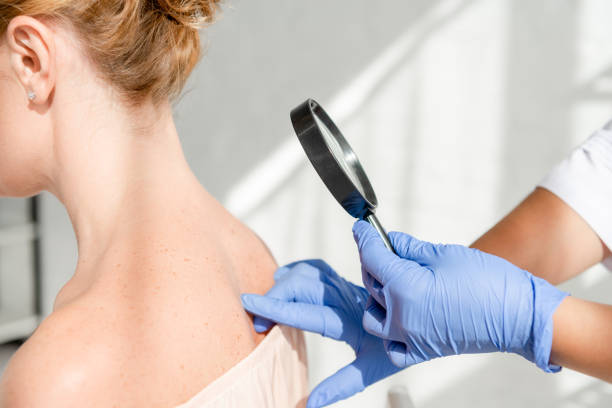
Remember a time when the only solution for pimples was harsh soaps or drying creams that ruined the skin? Well, thankfully, those days are over! Science and technology in dermatology, especially at an acne treatment clinic, have advanced a lot, and now we have much more sophisticated options that are both more effective and have fewer side effects. These advancements have somewhat changed our perspective on the future of acne and scar treatment.
One of the stars in this field is laser therapy. Lasers come in various types, each designed for a specific purpose. Some lasers can kill acne-causing bacteria and reduce inflammation. Others, like fractional lasers, help regenerate collagen and elastin in the skin and are excellent for treating atrophic scars (like sunken acne scars). These lasers stimulate the body’s natural healing process by creating controlled micro-wounds on the skin, gradually leading to smoother and more even skin.
After lasers, we have Microneedling. This method, like fractional laser, works based on stimulating collagen production. Using a device with hundreds of tiny needles, microscopic holes are created on the skin. This causes the body to start producing new collagen to repair these “wounds,” resulting in smoother skin with better texture. Microneedling is usually used for superficial to moderate acne scars and also for overall skin texture improvement.
PRP (Platelet-Rich Plasma) is another promising method. In this technique, a sample of your own blood is taken, platelets are separated and concentrated, and then this rich plasma is injected into the skin. Platelets contain growth factors that help with cell repair, reduce inflammation, and improve acne scars. This method can be used alone or in conjunction with microneedling for better results.
Chemical Peels have also found more advanced and potent versions that, by controlled exfoliation of the skin, help reduce dark spots caused by acne and improve skin texture. These methods, when performed by experienced specialists at an acne treatment clinic like Kian Derm, can yield impressive results. So, don’t worry about your acne scars anymore, because medical science has many solutions!
💖 The Importance of Choosing the Right Clinic and Dermatologist: Why Kian Derm?
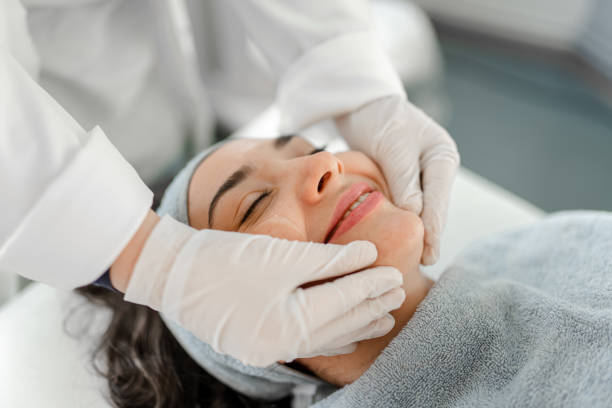
Truthfully, when it comes to our skin health, choosing the right place is like choosing a home. You wouldn’t want to choose just any place to live, would you? The same applies exactly to an acne treatment clinic. Where you go and who treats you can make the difference between good skin and great skin, or even worse. So, why trust centers like Kian Derm, and why is the right choice so important?
First and foremost, the expertise and experience of the physicians. Acne is a complex condition, and accurate diagnosis and selection of the best treatment method require deep knowledge and experience. Dermatologists in reputable clinics like Kian Derm have years of education and practical experience to diagnose various types of acne and provide a personalized treatment plan for each individual. This is no laughing matter; your skin health is at stake.
Second, advanced equipment and technologies. Remember how we talked about lasers, microneedling, and PRP in the previous section? Well, these devices and methods require significant investment, and not every clinic can afford them. Leading clinics like Kian Derm always strive to work with the world’s most up-to-date equipment to provide the best and safest treatments to their patients. This means you have access to the latest and most effective treatments, something you might not find in every small office or clinic.
Third, a comprehensive and patient-centered approach. A good acne treatment clinic doesn’t just look at the pimples on your face. It also pays attention to your entire health history, lifestyle, nutrition, and even your emotional state. At Kian Derm, doctors patiently listen to you, answer your questions, and consider all aspects to ensure the best possible outcome for you. This means a holistic treatment that covers all aspects of your health.
And finally, credibility and trust. A reputable clinic prioritizes patient satisfaction. You can read reviews from previous patients, check the clinic’s history, and be assured of the quality of their services. Choosing Kian Derm means choosing a team of experienced doctors, up-to-date technologies, and a compassionate approach, all of which come together to provide you with the best treatment experience. This is an investment in your skin’s health and beauty that is worth it.
Tired of persistent skin issues? kianderm provides effective MSP-covered treatments for various skin, hair, and nail conditions.
✅ Specialized care for acne and eczema
✅ Cryotherapy for common lesions
✅ Medical botulinum toxin injections
Reclaim your comfort with kianderm.
❓ Frequently Asked Questions and Misconceptions About Acne and Its Treatment
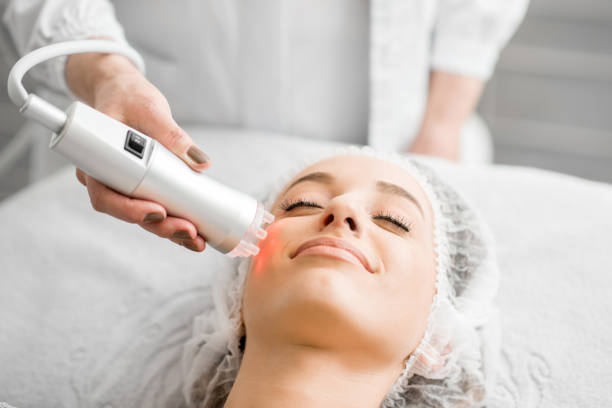
Remember when we used to believe that eating too much chocolate would definitely cause pimples? Well, that’s just one of those common misconceptions about acne that had been rooted in our minds for years. In this section, I want to debunk some of these misconceptions and answer some frequently asked questions about acne and its treatment, which are typically asked of specialists at an acne treatment clinic. Knowing these points will help you approach your treatment with a more open mind.
Misconception 1: Chocolate and fast food are the main causes of acne.
Truth: While diet can affect acne, this effect is not the same for everyone and is usually not the direct and sole cause. Research has shown that high glycemic index foods and dairy can exacerbate acne for some individuals, but chocolate itself (unless it’s full of sugar) or fast food are not direct culprits. More important than anything is a balanced and healthy diet.
Misconception 2: You should pop pimples to make them heal faster.
Truth: Absolutely not! Popping pimples only causes bacteria to penetrate deeper into the skin, increases inflammation, and raises the likelihood of scarring and discoloration. Always let pimples heal naturally or seek help from specialists at an acne treatment clinic.
Misconception 3: Acne is only a teenage problem.
Truth: Unfortunately, no. Acne can occur at any age, even in adulthood. Adult acne is especially common in women due to hormonal changes.
Misconception 4: If you wash your skin too much, pimples will go away.
Truth: Excessive washing or using harsh cleansers can strip the skin of its natural oils, making it dry and irritated, and even leading to more oil production! Washing twice a day with a mild cleanser is sufficient.
FAQ 1: Does makeup worsen acne?
Answer: If you use non-comedogenic and oil-free makeup products and remove your makeup every night before bed, there won’t be a problem. However, heavy makeup and sleeping with makeup on can clog pores.
FAQ 2: How long does acne treatment take?
Answer: It depends on the severity of the acne and the type of treatment. Typically, to see initial results, you need several weeks to several months, and for complete improvement and prevention of recurrence, you need long-term patience and consistency (even up to a year or more). This is something a specialist dermatologist at an acne treatment clinic, like Kian Derm, will explain to you. Patience is key.
| Question | Answer |
|---|---|
| What is acne and what are its causes? | Acne is a chronic skin condition that occurs when hair follicles become clogged with oil and dead skin cells. The main causes include excessive sebum production, follicular blockage, P. acnes bacteria, and inflammation. |
| Can nutrition affect acne? | Yes, for some individuals, high glycemic index foods and dairy products can exacerbate acne. A diet rich in fruits, vegetables, and healthy fats is recommended. |
| When is the best time to visit an acne treatment clinic? | It is best to consult a dermatologist as soon as you notice resistant or severe acne to prevent worsening and scarring. |
| How long does acne treatment take? | Acne treatment is a time-consuming process. Initial results are usually seen after several weeks to months, and long-term follow-up is needed for complete improvement and recurrence prevention. |
| Is it permissible to pop pimples? | No, popping pimples is strongly discouraged as it can lead to infection, increased inflammation, and permanent scarring. |
| Does acne only occur during adolescence? | No, acne can occur at any age, even in adulthood (especially in women due to hormonal changes). |
| What is the role of sunscreen in acne treatment? | Using sunscreen with at least SPF 30 is essential to protect the skin from sunburn, prevent post-inflammatory hyperpigmentation, and protect against sensitivity caused by acne medications. |
| What are microneedling and laser therapy used for? | These advanced methods are primarily used for treating acne scars, improving skin texture, reducing blemishes, and stimulating collagen production. |
| Can stress worsen acne? | Yes, stress can cause hormonal changes and exacerbate acne. Stress management is an important part of the treatment plan. |
| How can I prevent acne from recurring after treatment? | Adherence to the prescribed treatment plan, having a suitable skincare routine, regular use of sunscreen, and regular follow-up visits with a dermatologist are key factors. |
And other services provided by Kian Derm Clinic include
• Neck cord treatment (injectable)
• Marionette line treatment
• Nasolabial fold correction
• Perioral line (smoker’s lines) treatment
• Frown line treatment (beyond Botox)
And dozens of other services in the fields of skin, beauty, and medical treatments
Skin | Hair | Beauty | Nails
Lost in a sea of documents? kianderm streamlines your document management for quick retrieval and improved efficiency. ✅ Organized digital records.
Phone: +1 (236) 551-2282
Email: info@kianderm.ca
Address: 1836 Lonsdale Ave, North Vancouver, BC V7M 2J9, Canada