


🔬 Comprehensive Guide to PRP Hair Loss Treatment: Deciphering the Science Behind This Method
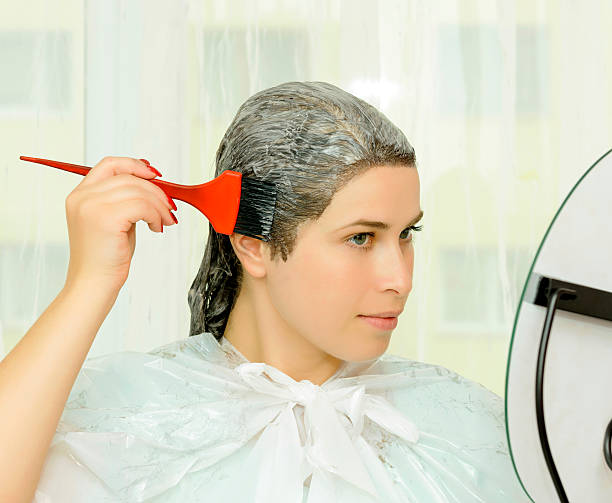
# Well, hair loss! Who isn’t familiar with this problem? It’s something that can really knock a person’s confidence, whether for men or women. We’ve always been looking for solutions, from miracle shampoos to traditional remedies, but to be honest, most of them were either temporary or didn’t work at all. But for a few years now, the name of a treatment method has been making a lot of noise: PRP Hair Loss Treatment. What exactly is this PRP? Is it a new scam or is there real science behind it? These are questions many people have in their minds.
Honestly, when it comes to medical science, we need to be precise. PRP, or Platelet-Rich Plasma, is a method that uses your own body’s resources for repair and rejuvenation. Think of it, it’s as if the body has a special maintenance and repair team hidden within blood platelets. These platelets are full of growth factors, the very ones that rush to the scene when we get a wound to build new cells and repair tissue. Now imagine directing this very healing power towards hair follicles that are weakening or dying. Interesting, isn’t it?
This article aims to unveil this mystery, to understand exactly how PRP hair loss treatment works and what scientific backing it has. From the blood drawn from you to the moment growth factors work their magic. We want to look at it from different angles; from those tiny cells that may not be visible but do great work, to how they affect the hair growth cycle. It’s going to be somewhat like a story, a story of science and hope. If you’re looking for a truly scientific and proven solution for your hair loss, this article is for you. Let me reassure you: At Kian Derm, we also adhere to these principles and always strive to introduce the best and most scientific methods to our clients. So, let’s see what exactly PRP has in store.
🩸 What is PRP? Getting to Know the Unsung Heroes of Your Blood
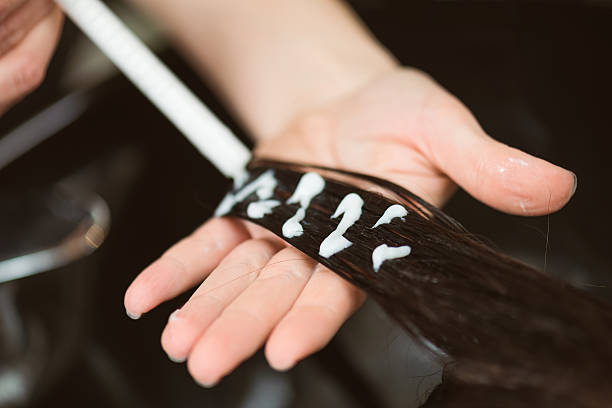
# Well, let’s get to the core of the matter, which is Platelet-Rich Plasma (PRP). Its name might sound a bit scientific and intimidating, but it’s really not complicated. Imagine your blood is somewhat like a small city where many people (cells) with different tasks live. In this city, we have red blood cells responsible for oxygen delivery, white blood cells which are the body’s soldiers against infections, and then we come to the heroes of our story: platelets.
These platelets, despite their name which might make you think they are only important for blood clotting, do much bigger jobs. They hold a lot of proteins and growth factors; think of it like a small warehouse full of raw materials for construction and repair. When the body gets injured, these platelets quickly arrive at the site of the incident, not just to stop the bleeding, but also to release these growth factors. These factors send messages to the surrounding cells saying, “Hey! It’s time for regeneration and repair!”
Now, what is PRP? PRP is actually blood plasma where the concentration of platelets is much higher than usual. This means we essentially ‘sieve’ the ‘blood city’, separate the red and white blood cells, and concentrate the plasma section where platelets are suspended. This process increases the concentration of platelets, and consequently, growth factors, by 5 to 10 times their normal level. This is the golden-colored liquid that is going to work wonders.
Key growth factors found in PRP include Platelet-Derived Growth Factor (PDGF), Transforming Growth Factor-beta (TGF-β), Vascular Endothelial Growth Factor (VEGF), and Fibroblast Growth Factor (FGF). Each of these plays a specific role in tissue repair, stimulating the growth of new cells, and improving blood flow. When we inject this potent concentrate into the desired area (e.g., the scalp), we are essentially sending a strong signal for the regeneration and revitalization of hair follicles. It’s like telling them: “It’s time to rejuvenate and work powerfully!” This is where the importance of PRP hair loss treatment shows itself; utilizing the body’s inherent healing capabilities.
Do you need medical advice for a persistent rash or skin infection? kianderm provides thorough diagnostic and treatment services through our expert medical dermatology team.
✅ Accurate diagnosis of a wide range of dermatological issues
✅ Customized treatment plans for effective resolution and relief
✅ Publicly covered services for essential, accessible care
Consult kianderm for clear answers!
🌱 Science in Action: How Does PRP Awaken Hair Follicles?
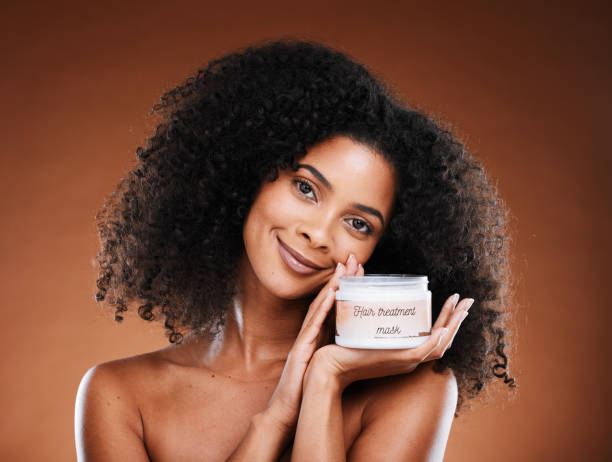
# Well, we’ve reached the exciting part of the story: how all these growth factors work and what real effect they have on our hair. Yes, it might seem a bit complex, but if I explain it correctly, you’ll understand it easily.
Hair follicles, these small structures beneath the scalp, have a life cycle that includes a growth phase (anagen), a resting phase (catagen), and a shedding phase (telogen). In androgenic hair loss (which is the most common type), this cycle becomes disrupted. The growth phase shortens, follicles become smaller and smaller (miniaturization phenomenon), and eventually, hair becomes thinner and sparser. It’s as if they no longer have enough energy to produce strong hair.
Now, PRP enters the scene. When we inject PRP, rich in platelets and growth factors, into the scalp, these factors directly reach the hair follicles. These factors act somewhat like powerful messengers. The most important things they do are:
- Increase Anagen Phase (Growth): Growth factors like VEGF and PDGF cause follicles to re-enter the active growth phase and prolong its duration.
- Increase Blood Supply: VEGF, in particular, stimulates the formation of new blood vessels. Better blood supply means more oxygen and nutrients reach the follicles, which is exactly what they need to strengthen.
- Reduce Inflammation: Some specific growth factors also have anti-inflammatory properties that can help improve the scalp environment and reduce hair loss caused by inflammation.
- Stimulate Stem Cells: Hair follicles contain stem cells responsible for new hair growth. PRP can activate these stem cells to produce new and healthier hair.
So you see, PRP hair loss treatment is not just a simple injection, but a complex and intelligent mechanism that utilizes the body’s inherent healing capabilities to awaken and reactivate hair follicles. It’s like giving sufficient fertilizer and water to a dried-up garden to make it green again. This method has truly created a revolution in the fight against hair loss.
| Growth Factor | Primary Role |
|---|---|
| PDGF | Stimulates cell growth and blood vessel formation |
| VEGF | Increases blood supply and follicle nourishment |
| TGF-β | Regulates cell growth and tissue repair |
| EGF | Enhances epidermal cell regeneration |
| FGF | Stimulates proliferation of follicular cells |
💉 The PRP Process from Blood Draw to Injection: Step-by-Step
# Well, now that we understand what PRP is and how it works, you might be wondering how this treatment is actually performed. What are its steps? Don’t worry, the entire process is very routine and safe, performed under the supervision of specialists in reputable clinics like Kian Derm. Let’s go step-by-step.
The first step is exactly like a routine blood test. A specialist or nurse draws a small amount of blood from a vein in your arm. Usually between 10 to 20 cc, which is a very small amount and causes no problems for the body. Think of it as a routine sample collection.
After blood collection, this tube containing blood is placed in a device called a centrifuge. A centrifuge is a device that spins at a very high speed. This spinning causes the different components of the blood to separate based on their weight. Heavier red blood cells go to the bottom of the tube, white blood cells and platelets form a middle layer, and plasma (the liquid part of the blood), which is lighter, remains at the top. This process takes about 10 to 15 minutes.
Now, the most important part of the process begins here. The specialist carefully separates the platelet-rich plasma portion from the other blood components using special syringes. This is the Platelet-Rich Plasma (PRP) we were looking for. A clear, yellowish liquid full of miraculous growth factors. Precision and sterility in this step are crucial, as it will be injected into the body.
Finally, the prepared PRP is slowly and precisely injected into the target areas of the scalp using very fine and specialized needles. These areas are typically where hair loss occurs or hair has thinned. Before injection, for your greater comfort, local anesthetics are usually applied to minimize pain and discomfort. The entire injection process usually takes about 15 to 30 minutes.
After the injection, you might see some mild redness or swelling in the injected area, which is normal and usually subsides within a few hours to a few days. The entire process, from the start of blood collection to the end of injection, usually takes less than an hour. This means you can undergo PRP hair loss treatment even on a busy day and get back to your activities.
🎯 Who Are Ideal Candidates for PRP Hair Loss Treatment?
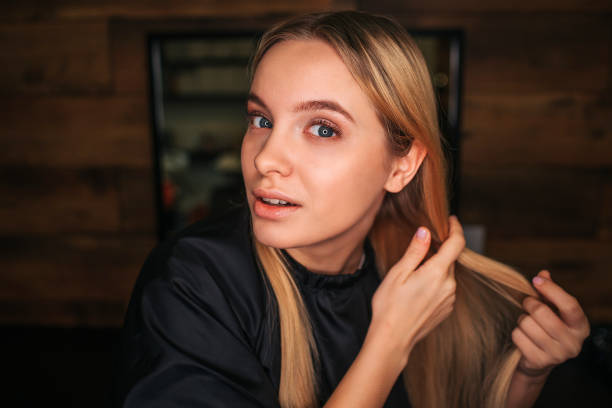
# Well, this is a very important question that really needs consideration. Every treatment method, no matter how good, is not suitable for everyone. PRP hair loss treatment is no exception to this rule. So, who can truly get the best results from this method? Let’s examine it together.
Generally, the best candidates for PRP hair loss treatment are those who:
- Have mild to moderate androgenic (genetic) hair loss: This type of hair loss, common in both men and women, begins with gradual hair thinning. PRP can help strengthen weakened follicles and stimulate new hair growth. If follicles are completely lost, PRP will be less effective.
- Have Alopecia Areata (patchy baldness): In some cases of alopecia areata, PRP can help suppress the inflammatory response and stimulate hair growth in affected areas.
- Have recently experienced hair loss: The sooner you act for treatment, the better results you will get. Hair follicles that have recently weakened respond better to PRP growth factors.
- Have thin and weak hair: PRP can help increase the thickness and strength of existing hair, even if you don’t have significant hair loss.
- Are looking for a natural solution: Since PRP is derived from your own blood and no chemical or synthetic substances are introduced into your body, it’s an excellent choice for those who prefer more natural approaches.
However, there are also some conditions that might make you an unsuitable candidate for this method:
- Severe and long-term hair loss with complete baldness: If hair follicles are completely lost and you’ve had severe hair loss for years, PRP cannot create new hair from nothing.
- Are taking blood thinners: These medications can affect platelets and reduce PRP’s effectiveness or increase the risk of bleeding.
- Have specific medical conditions: Such as cancer, active infections, severe autoimmune diseases, or specific blood disorders. In these cases, you must consult with a doctor.
- Pregnant or breastfeeding women: It is generally not recommended during this period, as there are not enough studies on its safety.
The best course of action is to definitely consult with a dermatologist, like our doctors at Kian Derm, before taking any steps. They can thoroughly examine your condition, diagnose the type of your hair loss, and tell you whether PRP hair loss treatment is the best option for you or not. Because a correct diagnosis is half the battle won in treatment.
Could advanced technology be the key to your skin transformation? kianderm employs state-of-the-art laser and device-based treatments, offering superior precision and effectiveness for various skin concerns.
✅ Cutting-edge dermatological technology
✅ Enhanced treatment efficacy
✅ Safe and controlled procedures
Experience innovation at kianderm!
📊 What Results Can We Expect from PRP? Timing and Durability

# Well, this is where everyone wants to know, “When will I see results?” and “How long will it take?”. To be honest, PRP hair loss treatment is not a magic wand that will bring your hair back overnight. It’s a biological process that takes time and requires your patience.
After the initial PRP sessions, it is generally expected that:
- Reduced Hair Loss: Often, the first effect patients notice is a significant reduction in hair loss. This usually occurs after 2 to 3 months of starting treatment. Hair follicles that were previously weak begin to strengthen and shed less.
- Thickening of Existing Hair: After 3 to 6 months, many people notice that their hair appears thicker and fuller. This is due to an increase in hair strand diameter and the activation of hair follicles that were previously in a resting state.
- New Hair Growth: The growth of entirely new hair, especially in areas where hair had thinned, usually takes 6 months or more. This part of the results is the most exciting aspect and indicates the real revitalization of follicles.
Remember that results can vary depending on the individual, the severity of hair loss, and the quality of the PRP itself. Some people see results sooner, others later. It’s important to be realistic and have correct expectations.
To achieve the best results, an initial course of 3 to 4 treatment sessions with monthly intervals is usually recommended. After this initial course, maintenance sessions are required every 6 to 12 months to preserve results and continue stimulating hair growth. It’s somewhat like maintaining a garden; you need to tend to it regularly to keep it green.
The durability of results also depends on many factors, including the type of hair loss, individual genetics, and subsequent care. However, generally, with regular maintenance sessions, results can be maintained for a longer period. For example, at Kian Derm, we provide a personalized treatment plan for each patient to ensure they achieve the best possible results. This plan includes the number of sessions, intervals between sessions, and post-treatment care recommendations. So, the conclusion is: PRP hair loss treatment is a long-term investment that requires commitment and follow-up to enjoy fuller and healthier hair.
⚠️ Side Effects and Safety Tips: An Honest Perspective
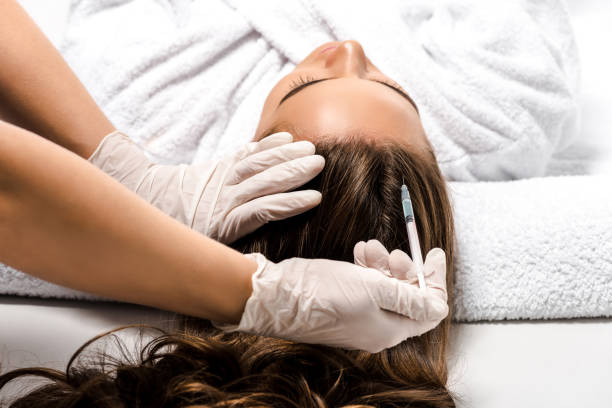
# When it comes to any medical treatment method, everyone’s main concern is safety and potential side effects. Well, this is very natural and should be paid attention to. Fortunately, PRP hair loss treatment is considered one of the safest methods because it uses the individual’s own blood, and serious side effects are very rare.
But then again, no treatment is entirely without side effects, even if they are very mild. The most common side effects you might experience are usually mild and temporary, and include the following:
- Pain or sensitivity at the injection site: It’s normal to feel some pain or stinging after the injection. This usually subsides within a few hours to a day.
- Swelling or bruising: Some mild swelling or bruising may occur in the injected area, which usually resolves on its own within a few days.
- Itching or redness: Some individuals may experience mild itching or redness.
- Headache: In rare cases, some people may report a mild headache.
These side effects are usually manageable with cold compresses or over-the-counter pain relievers and are not a cause for concern. What truly matters and what you should be cautious about are more serious side effects, which are very rare and mainly occur due to non-adherence to hygienic and sterile principles in unreliable clinics. These cases can include:
- Infection: If instruments and the environment are not sterile, there is a risk of infection.
- Nerve or vascular damage: In case of insufficient skill of the injector.
- Allergic reaction: Extremely rare, as the injected substance is from your own body.
This is where the importance of choosing a reputable clinic and an experienced specialist like Kian Derm shows itself. At Kian Derm, we strictly adhere to hygiene protocols, the use of sterile equipment, and correct injection techniques to ensure you have a safe and effective experience. Our medical team has received the necessary specialized training to perform this procedure with the highest standards.
So, while PRP hair loss treatment is very safe, to minimize any risks, be sure to be meticulous about your choice of clinic and specialist. Always discuss all your questions and concerns with your doctor before treatment. Transparency and complete awareness are the best path to a successful treatment.
| Mild and Common Side Effects | Rare and Serious Side Effects (if principles are not followed) |
|---|---|
| Temporary pain/sensitivity | Infection |
| Mild swelling/bruising | Nerve damage |
| Itching/redness | Vascular damage |
| Mild headache | Allergic reaction (very rare) |
🤝 Combining PRP with Other Methods: A Path to Better Results
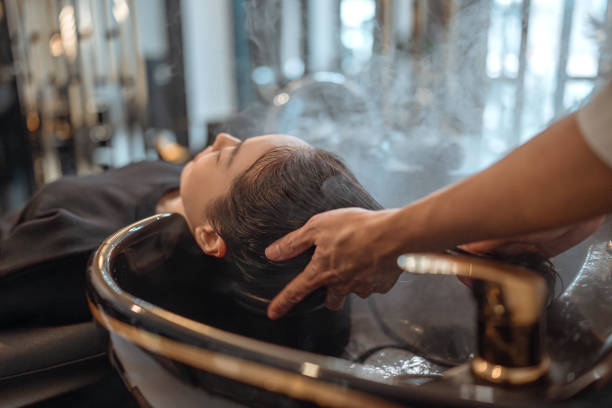
# Well, so far we’ve understood how effective PRP hair loss treatment can be. But is this the only solution? Or can results be even better by combining it with other methods? The answer is a resounding “yes”! In many cases, a combined approach is the key to achieving maximum hair growth potential.
Imagine you have a team of professional players. Each of them is skilled at something. Now, if these players play together, the result will be much better than if only one of them is on the field. PRP is the same. When combined with complementary methods, it can create a synergistic force and stimulate hair follicles in the best possible way.
These are some common methods that can be combined with PRP:
- Mesotherapy: In mesotherapy, vitamins, minerals, amino acids, and specific hair-strengthening medications are injected directly into the scalp. When these nutrients are combined with PRP growth factors, they create an ideal environment for hair growth. PRP can also help with better absorption of mesotherapy ingredients.
- Microneedling: This method involves using a device with tiny needles that create very small punctures in the scalp. These punctures stimulate collagen production and also provide a pathway for better penetration of therapeutic substances like PRP deep into the skin. Combining microneedling with PRP can significantly enhance PRP’s effectiveness.
- Topical Medications (e.g., Minoxidil): Minoxidil is one of the approved medications for hair loss that works by increasing blood flow and stimulating follicles. When you combine PRP with minoxidil, you are essentially using two different mechanisms to stimulate hair growth, which can make the results much more significant.
- Oral Medications (e.g., Finasteride): Finasteride is an oral medication used to treat androgenic hair loss in men. It works by inhibiting the hormone dihydrotestosterone (DHT), which is the primary cause of genetic hair loss. Combining finasteride with PRP can provide a comprehensive approach to combating hair loss from both hormonal and stimulatory aspects.
- Hair Transplantation: Even after a hair transplant, PRP can play an incredibly important role. Injecting PRP after hair transplantation helps increase the survival of grafted follicles, accelerate the healing process, and stimulate faster growth of transplanted hair.
At Kian Derm, we believe that every patient has their own unique story. For this reason, after a thorough examination of your condition, we design a completely personalized treatment plan that may include combining PRP hair loss treatment with one of these complementary methods. Our goal is for you to achieve the best and most sustainable results possible.
⭐ Choosing a Clinic and Specialist: Why Experience and Knowledge Come First?
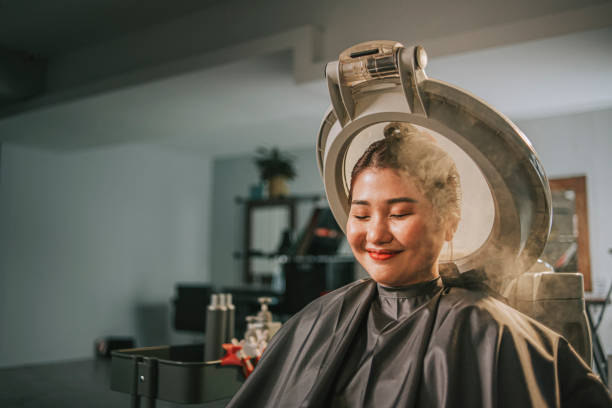
# Well, we’ve come to a very important section that many might overlook, but believe me, the main determinant of success or failure in PRP hair loss treatment lies right here: choosing the clinic and specialist you entrust your treatment to. You know, it’s not all about the PRP substance itself, but how it’s prepared and how it’s injected is of vital importance.
Imagine you want to undergo a simple surgical procedure. Would you go to anyone who says, “I know how to do it”? Absolutely not! It’s the same for PRP. This is a medical procedure that requires deep knowledge, experience, and skill. Why?
- Accurate Diagnosis: Before any treatment, it’s essential to correctly diagnose the type and cause of hair loss. An experienced dermatologist can accurately understand whether you are a suitable candidate for PRP, and what type of hair loss you have.
- Correct Blood Drawing and Separation Technique: The quality of PRP heavily depends on the blood drawing method and the centrifugation process. The centrifuge settings (speed and time) are crucial for obtaining an optimal platelet concentration. A reputable clinic uses standard kits and calibrated devices.
- Skill in Injection: PRP injection must be done at the correct depth and area of the scalp. Superficial or excessively deep injection may reduce effectiveness. An experienced specialist knows the key injection points and how to perform the procedure with minimal pain and maximum precision.
- Adherence to Hygiene and Sterility Principles: This point cannot be overlooked under any circumstances. Any negligence in following hygienic protocols can lead to serious infections. Standard clinics have a completely sterile environment and use disposable equipment.
- Comprehensive Treatment Plan and Follow-up: A good specialist doesn’t just perform the injection. They design a comprehensive treatment plan for you, determine the number of sessions, and follow up on your condition after treatment to ensure you get the best results and make necessary adjustments if needed.
At Kian Derm Clinic, we strictly adhere to these principles. Our team consists of experienced dermatologists with up-to-date knowledge, specializing in PRP hair loss treatment and other aesthetic and medical procedures. We use the best and latest equipment and adhere to international standards so that you can entrust your health and beauty to us with complete confidence. Remember, investing in health and beauty is worth choosing the best.
Longing for a smoother, softer complexion without harsh chemicals? kianderm offers gentle yet effective microdermabrasion and other aesthetic treatments for radiant skin.
✅ Non-invasive exfoliation for immediate glow and freshness
✅ Improved skin texture and reduced appearance of pores
✅ Customized treatments for a refreshed and revitalized appearance
Polish your beauty at kianderm!
📈 A Look Ahead: Maintaining PRP Results and Aftercare
# Well, we’ve reached the final station of the journey. Assuming you meticulously chose the best clinic and specialist, successfully completed your PRP treatment sessions, and achieved brilliant results. Now the question is: “How long will these results last?” and “What should I do afterward?”. Honestly, maintaining results is as important as the treatment itself, if not more important!
As I said before, PRP is not a magic wand that you use once and it’s over. It’s a method that awakens hair follicles and gives them new life, but to maintain this “vitality”, continuous care and maintenance are needed. Imagine you’ve just planted a plant; you need to water it regularly and fertilize it so it doesn’t dry out.
Here are some tips you should pay attention to for maintaining the results of PRP hair loss treatment:
- Regular Maintenance Sessions: This is the most important part of the process. After the initial treatment course (which usually consists of 3 to 4 sessions), you’ll need maintenance sessions to preserve and enhance the results. These sessions are typically performed every 6 to 12 months. The exact number and interval of sessions will be determined by your doctor based on your condition.
- Home Care: Using mild shampoos, hair-strengthening products, and if necessary, topical medications like minoxidil (as prescribed by your doctor) can help maintain scalp health and strengthen follicles.
- Healthy and Balanced Diet: Proper nutrition plays a vital role in hair health. Make sure you get enough vitamins and minerals such as biotin, zinc, iron, and vitamin D.
- Stress Reduction: Stress is a significant factor in hair loss. Finding ways to manage stress, such as yoga, meditation, or exercise, can contribute to the overall health of your hair.
- Protecting Hair from Environmental Damage: Wearing a hat to protect against intense sun exposure or avoiding excessive heat styling tools can protect your hair from damage.
- Regular Consultation with a Doctor: Even after achieving desired results, it’s good to consult with your doctor periodically to review your hair’s condition and adjust your treatment plan if needed.
At Kian Derm, we don’t just think about treatment, but also about the sustainability of results and the long-term health of your hair. Our team is always ready to provide necessary consultations and design a comprehensive care plan for you so that you can always enjoy your thick and healthy hair. Don’t forget, taking care of yourself is an investment worth making.
| Question | Answer |
|---|---|
| ۱. What exactly is PRP hair loss treatment? | PRP stands for Platelet-Rich Plasma. In this method, platelets rich in growth factors are separated from your own blood and injected into the scalp to stimulate hair follicles and promote hair growth. |
| ۲. Is PRP painful? | Local anesthetics are used before the injection to minimize pain. You might feel some slight discomfort or stinging, but it is usually tolerable. |
| ۳. How many PRP treatment sessions do I need? | An initial course of 3 to 4 sessions with monthly intervals is usually recommended. After that, maintenance sessions are needed every 6 to 12 months to preserve results. |
| ۴. When can I expect to see PRP results? | Reduced hair loss is usually observed after 2-3 months. Hair thickening and new hair growth may take 3 to 6 months or longer. |
| ۵. Is PRP effective for all types of hair loss? | PRP is particularly effective for androgenic (genetic) hair loss and mild to moderate alopecia areata. If hair follicles are completely lost, its effectiveness is reduced. |
| ۶. What are the side effects of PRP? | Side effects are usually mild and temporary, including pain, swelling, bruising, or redness at the injection site. More serious side effects like infection are very rare and preventable by choosing a reputable clinic. |
| ۷. Is there any special aftercare needed after PRP? | Yes, it is recommended to avoid washing your hair for 24-48 hours. Also, regular maintenance sessions and adherence to doctor’s recommendations for home care are essential to preserve results. |
| ۸. Is PRP a permanent treatment? | No, PRP is not a permanent treatment. To maintain and improve results, you need regular maintenance sessions and to follow a care plan. Hair loss is an ongoing process, and PRP helps manage and reduce it. |
| ۹. Can PRP be combined with other treatments? | Yes, PRP is often combined with methods such as mesotherapy, microneedling, oral/topical minoxidil, finasteride, or even after hair transplantation for better results. |
| ۱۰. Why is choosing a reputable clinic important for PRP hair loss treatment? | Choosing a reputable clinic and an experienced specialist ensures correct diagnosis, use of standard equipment, precise injection technique, and adherence to hygiene principles, all of which are vital for the safety and effectiveness of the treatment. |
And other services provided by Kian Derm Clinic include
• Neck rejuvenation (non-surgical)
• Hand rejuvenation (fillers, laser)
• Décolletage anti-aging treatments
• Stretch mark reduction
• Cellulite reduction (non-invasive)
And dozens of other services in the fields of skin, beauty, and medical treatments
Skin | Hair | Beauty | Nails
How reliable is your supply chain data? kianderm optimizes supply chain information for smoother logistics and reduced costs. ✅ Transparent supply insights.
Phone: +1 (236) 551-2282
Email: info@kianderm.ca
Address: 1836 Lonsdale Ave, North Vancouver, BC V7M 2J9, Canada